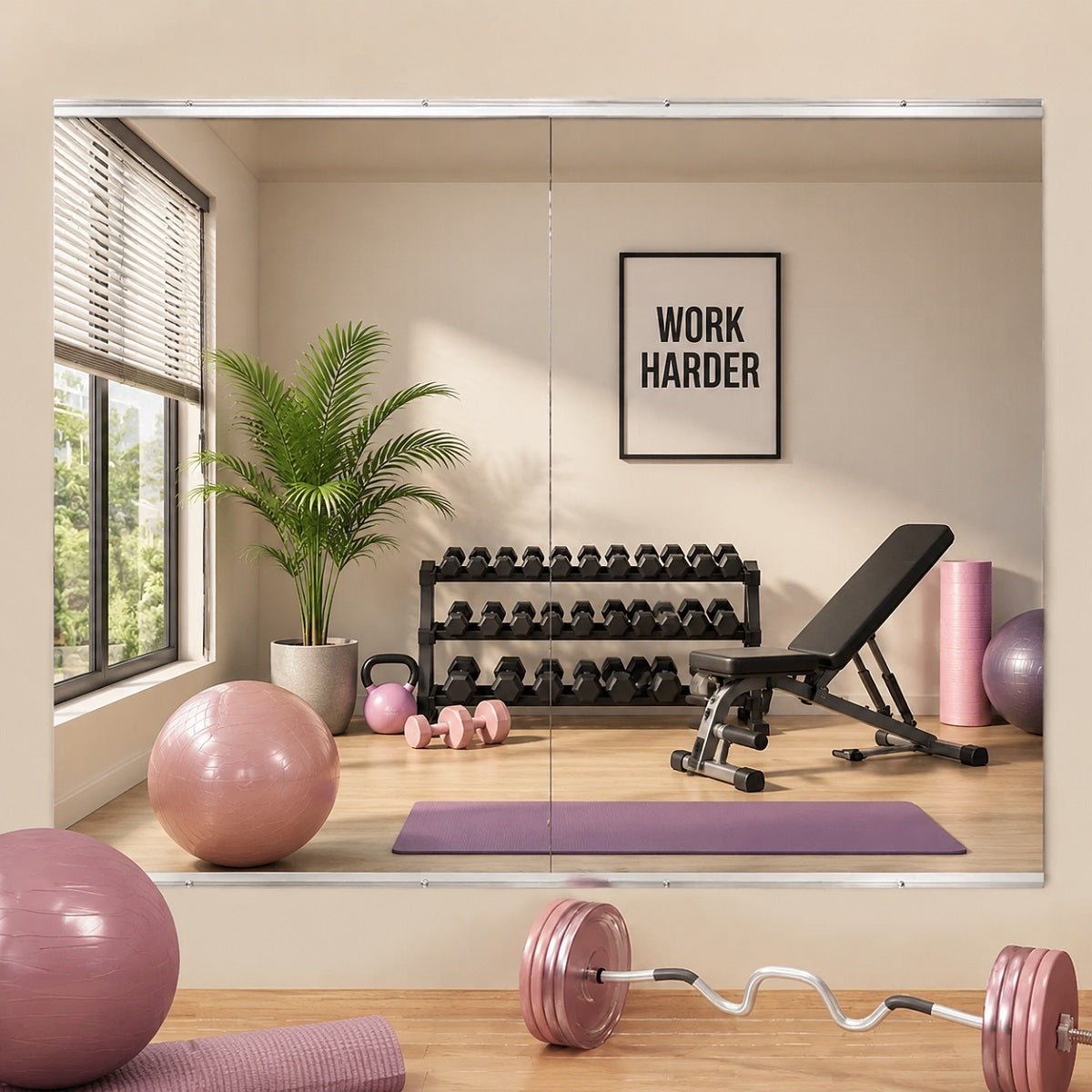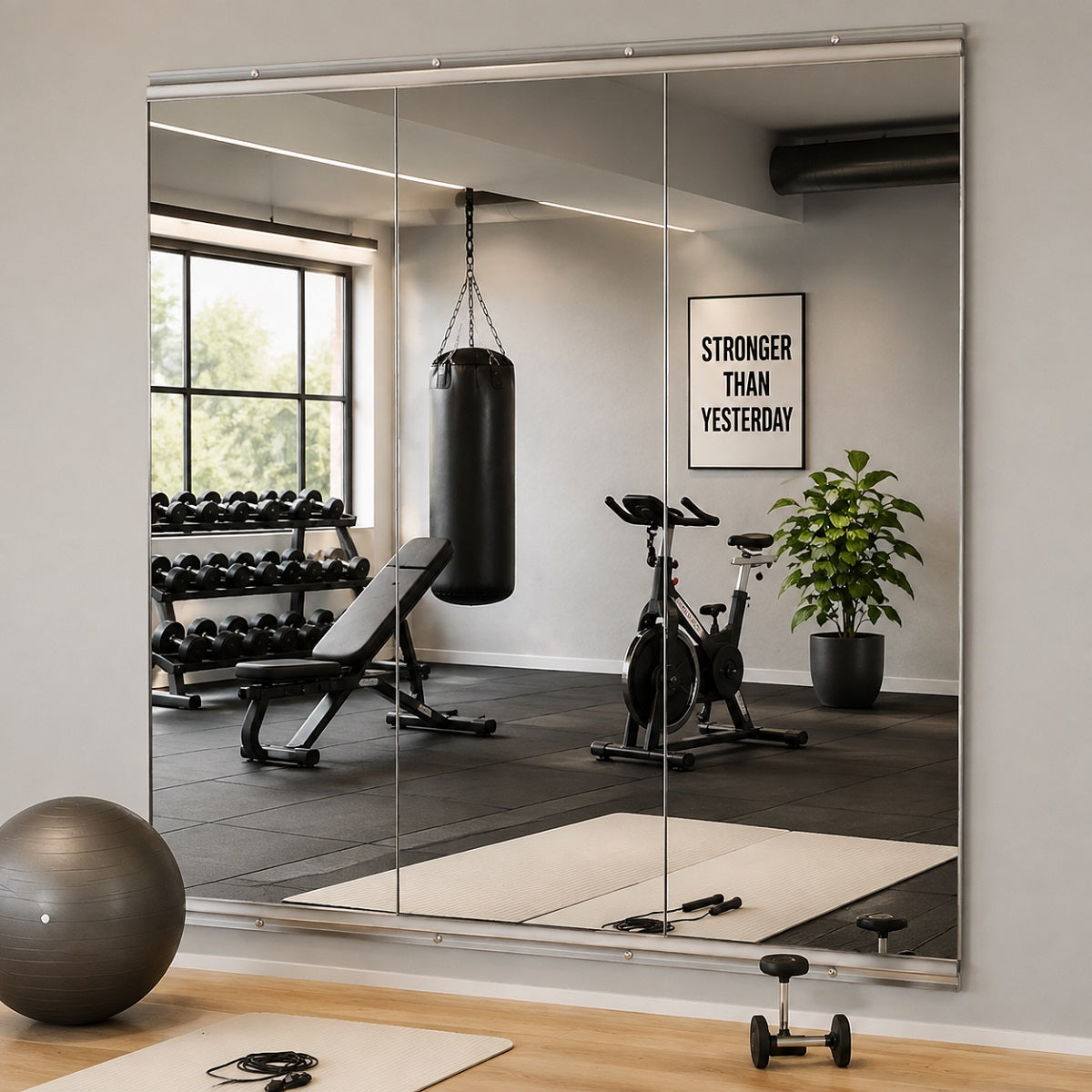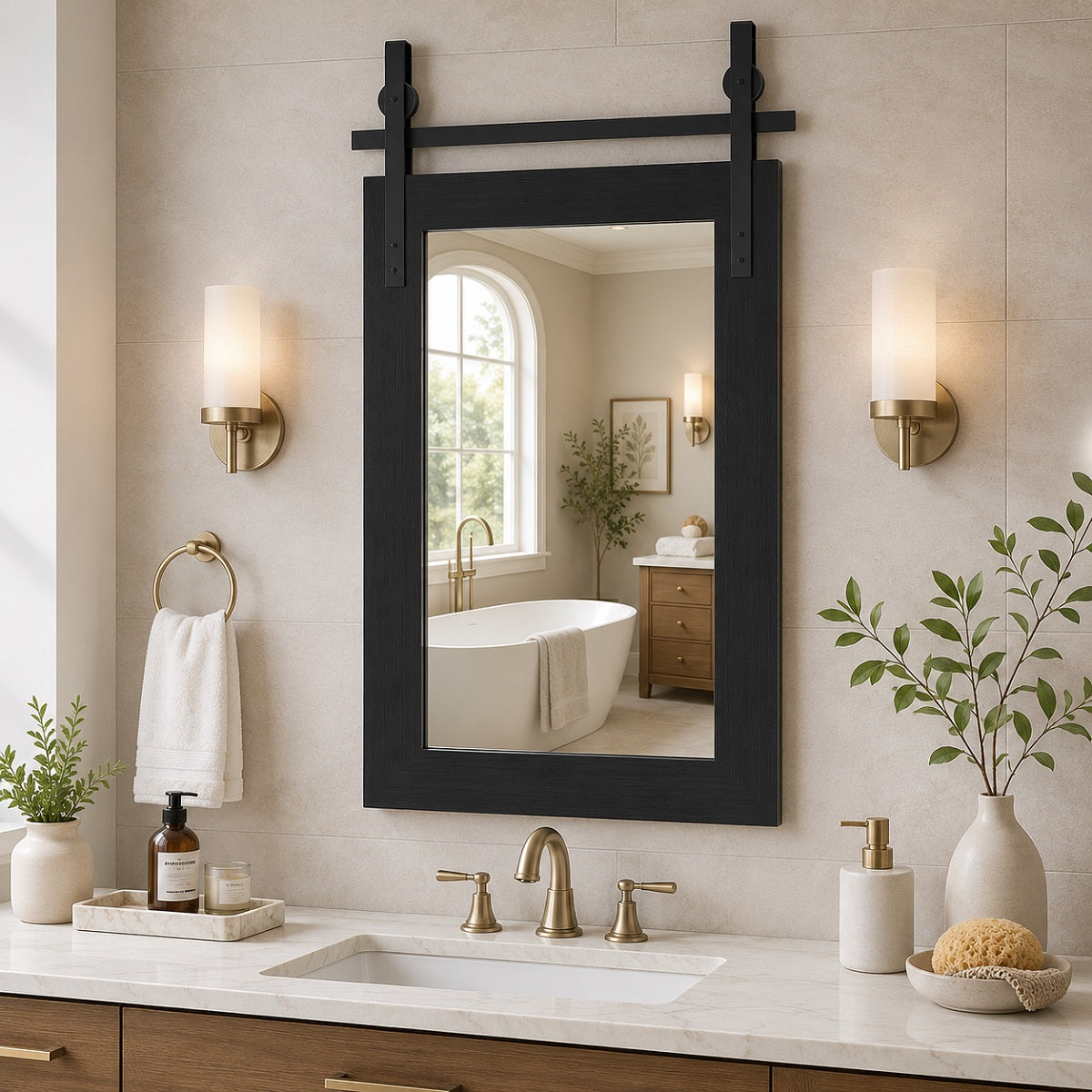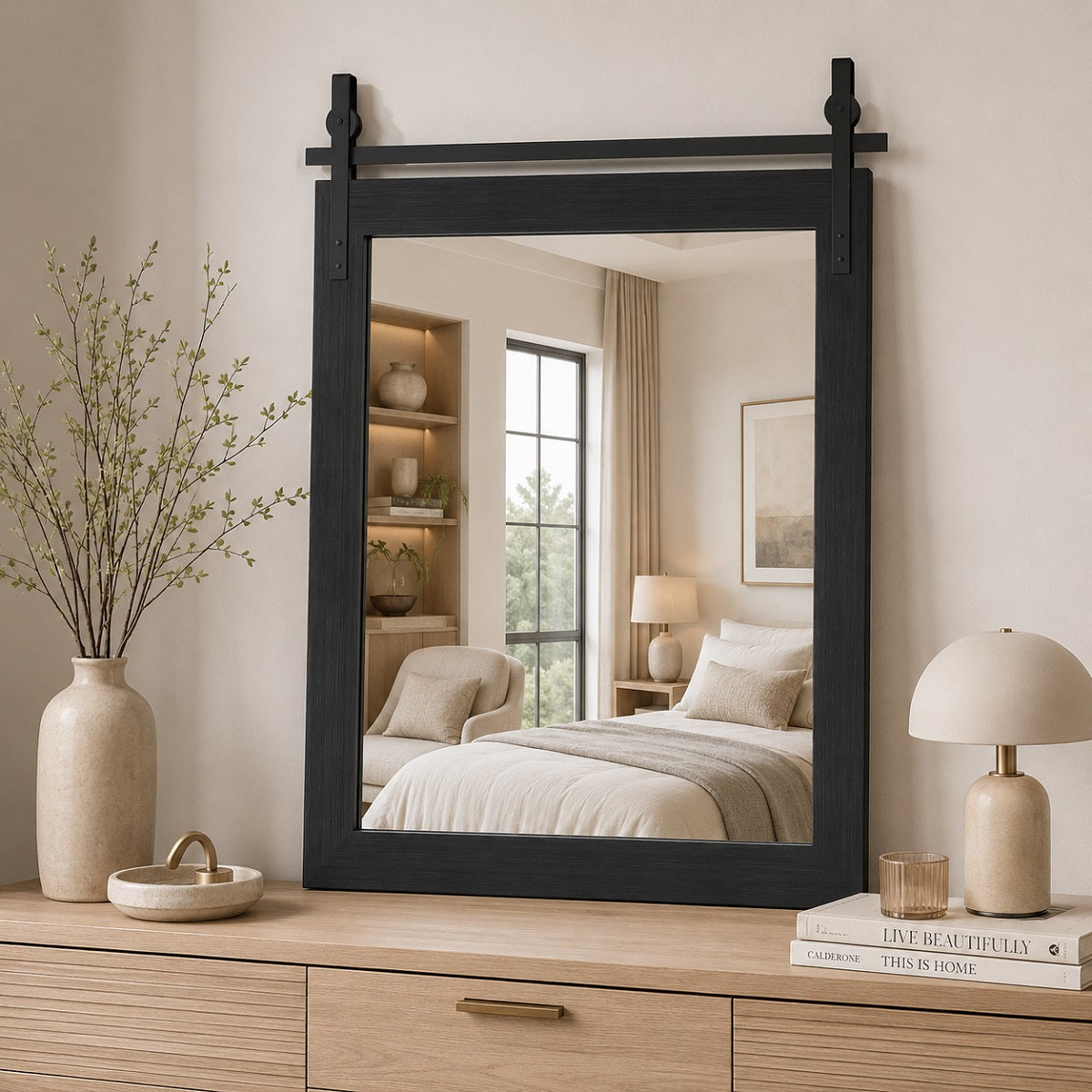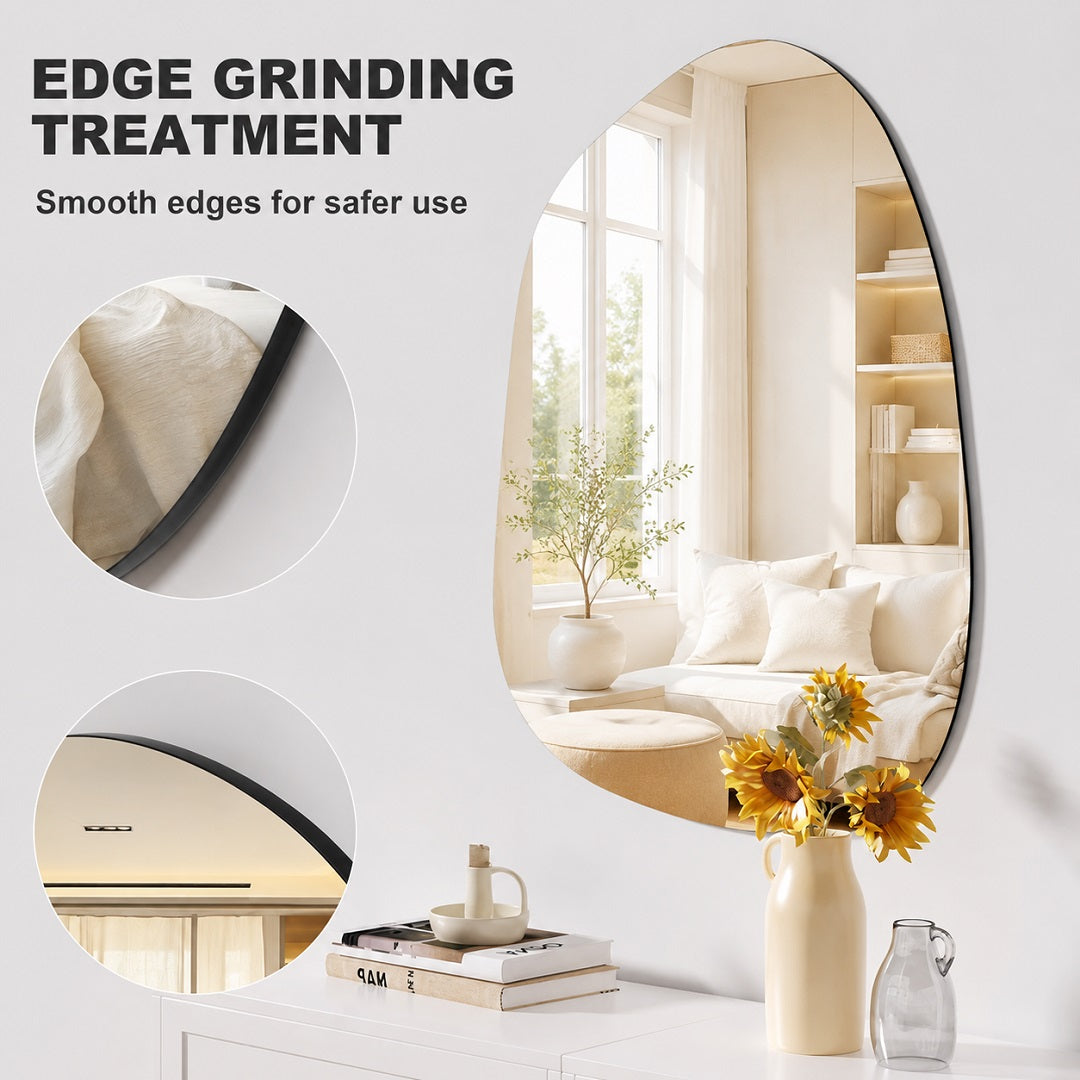
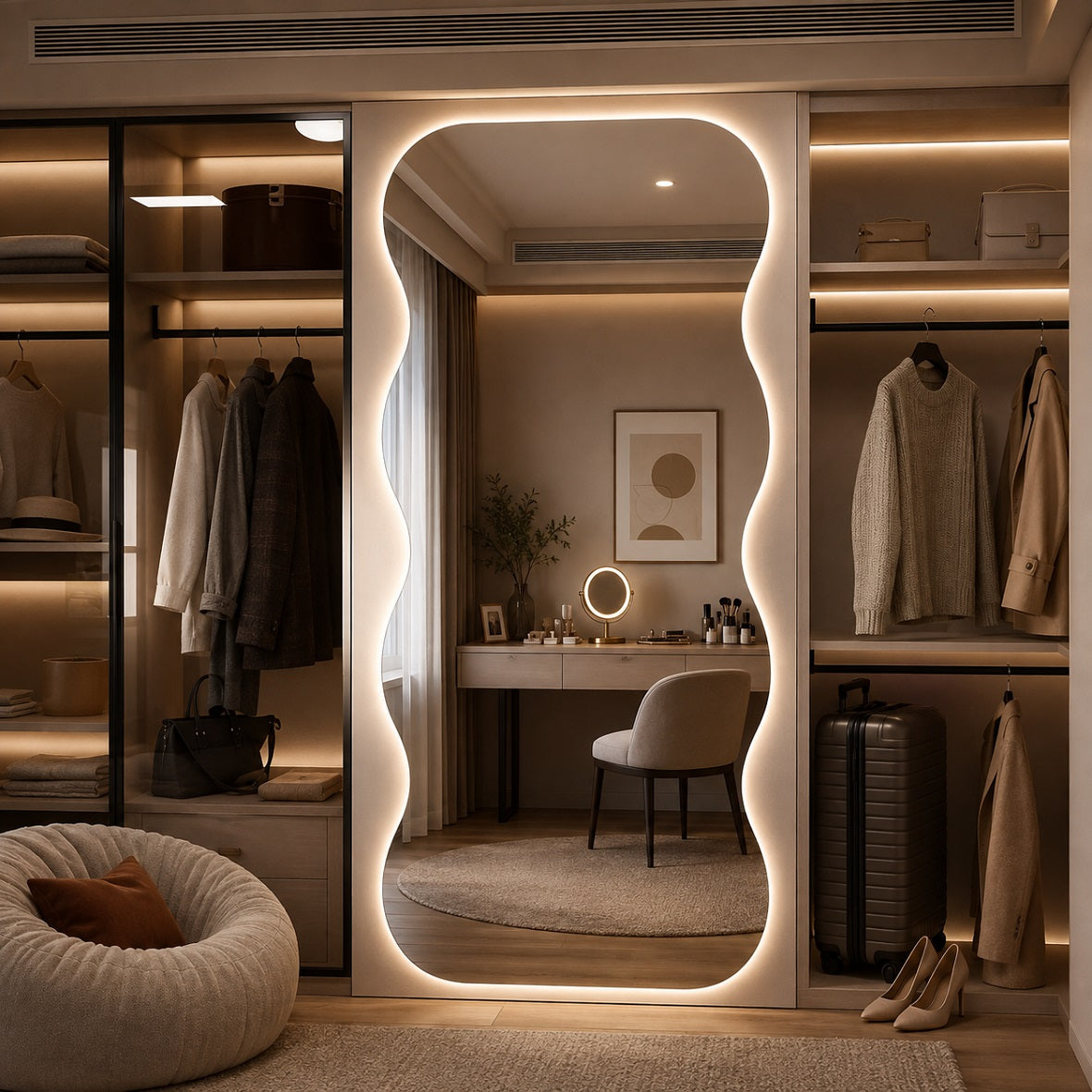


A copper-free silver mirror uses silver as its reflective layer but omits the copper backing traditionally added over that silver. Manufacturers use alternative protective treatments and backing coatings to help shield the reflective metal from corrosion.
How Is It Different From a Traditional Silver Mirror?
Both types begin with a glass substrate and a reflective silver layer. In a conventional process, copper is applied over the silver before the protective paint. A copper-free process replaces that copper stage with a different protection system.
The phrase does not mean the mirror contains no metals, nor does it mean the reflective layer is something other than silver. It specifically describes the absence of the traditional copper backing in the mirror coating stack.
Does Copper-Free Mean Corrosion-Proof?
No mirror should be treated as immune to moisture or chemical damage. Copper-free mirror systems can be engineered for improved resistance to atmospheric corrosion, but real performance still depends on coating quality, edge condition, storage, installation, room humidity, cleaning products, and exposure over time.
Claims such as “more environmentally friendly” also need context. Removing copper and, in some systems, lead from backing materials can reduce certain substances used in production, but environmental performance should be supported by the individual manufacturer’s documentation rather than assumed from the name alone.
Where Is Copper-Free Mirror Glass Used?
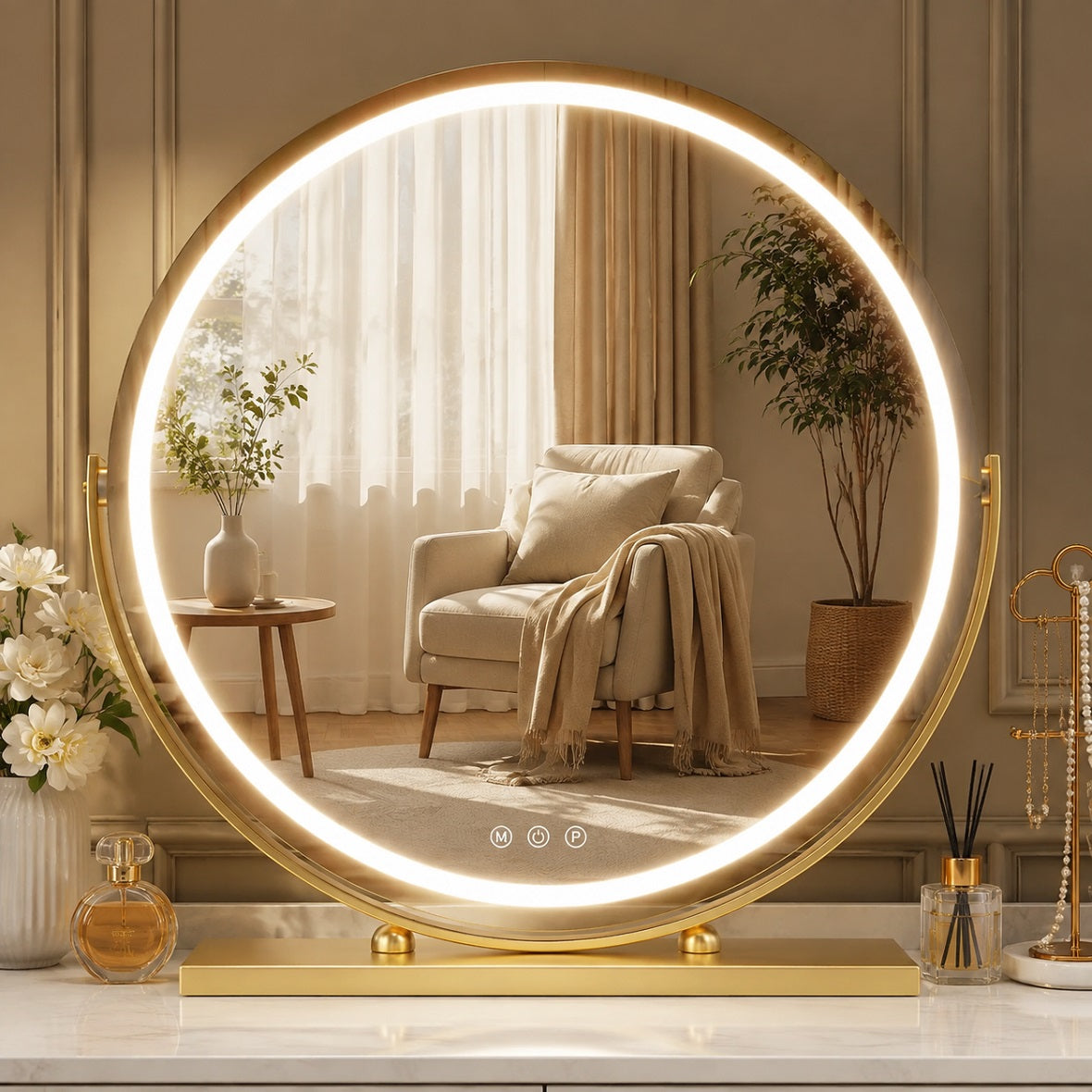
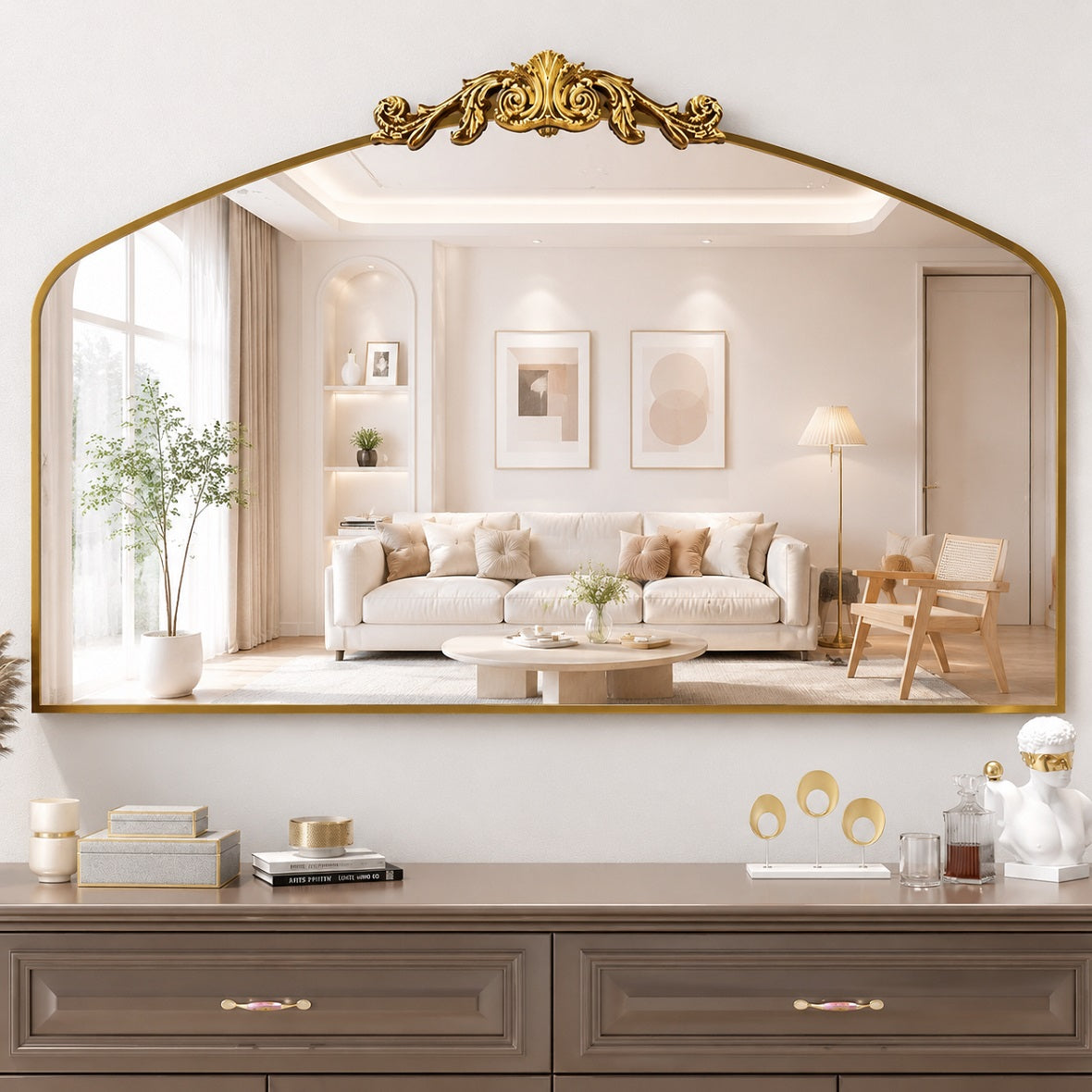
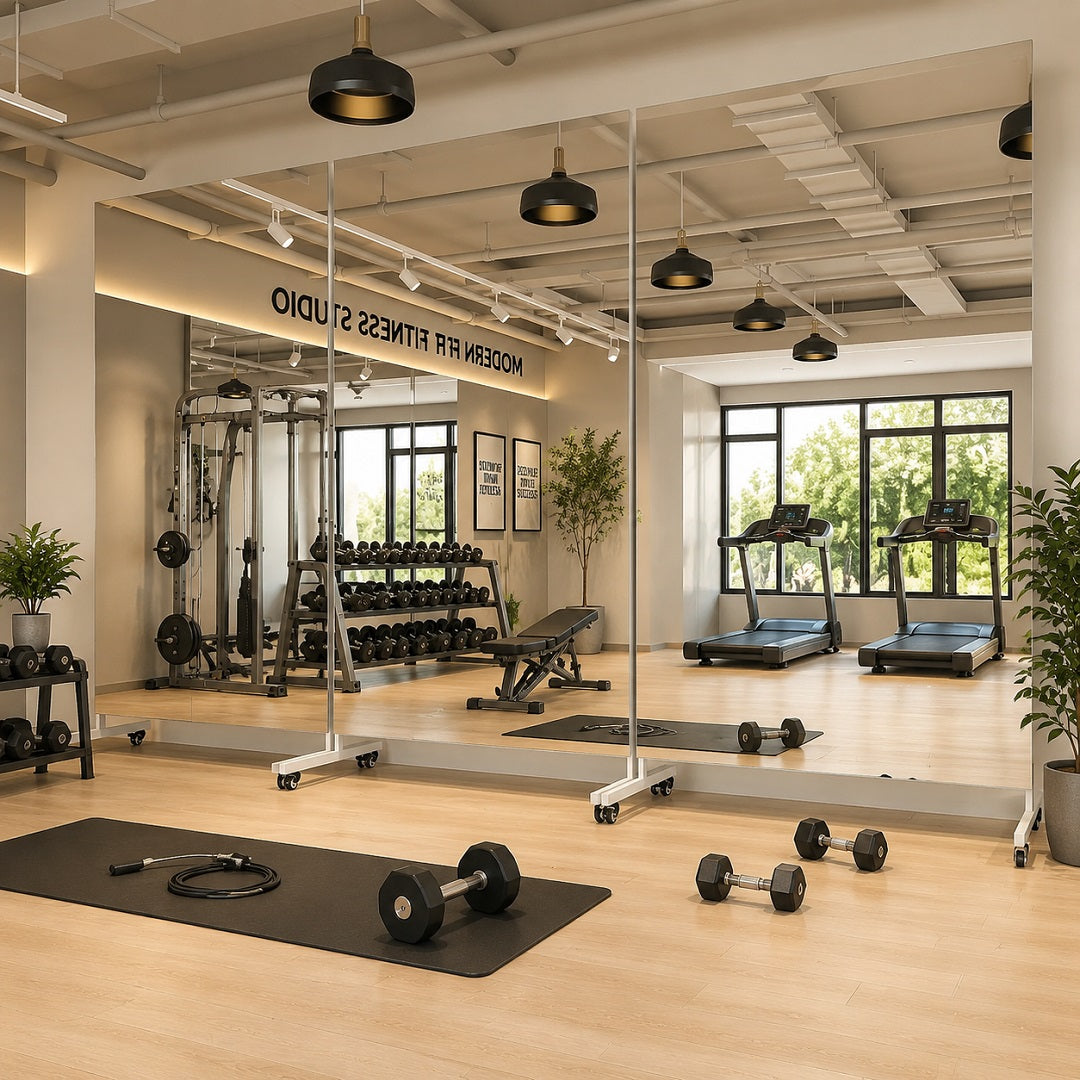
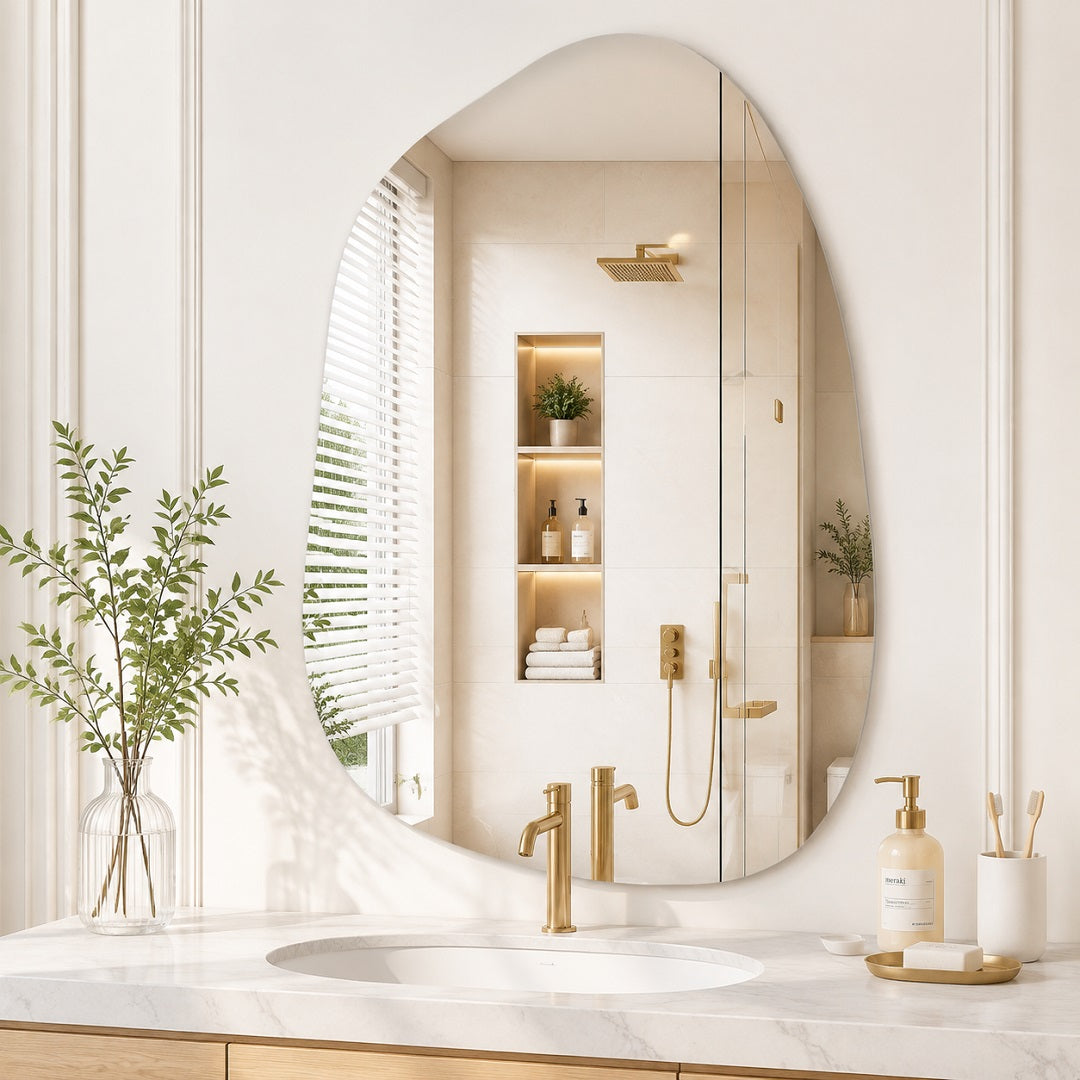
It is used in bathroom mirrors, decorative wall mirrors, furniture, wardrobes, hotel interiors, and illuminated mirror products. It can also be combined with low-iron glass when a clearer, less green appearance is desired.
When comparing mirrors, look beyond the copper-free label. Consider glass thickness, coating quality, safety backing, edge sealing, mounting system, and the conditions in which the mirror will be installed.
Explore Hasipu LED Mirrors