
Find Your Perfect Fit
Mirror Buying Guide
Find the right mirror for your room, available space, daily routine, and preferred installation method.
How to Choose the Right Mirror
A good mirror should do more than reflect the room. It should suit how the space is used, fit the available wall area, and provide the right view for your daily routine.



Mirror Placement
Choose a Mirror for the Room
Different rooms call for different mirror features. Think about what you need to see, how often the mirror will be used, and how much space is available around it.
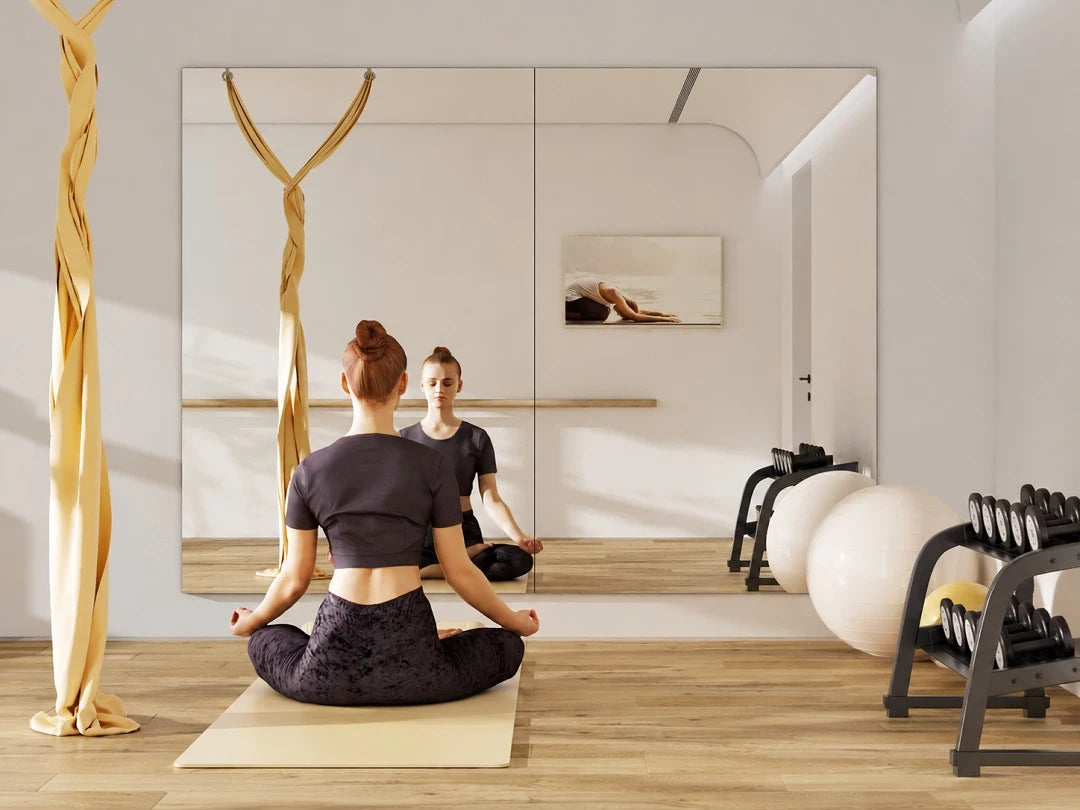
Home Gym
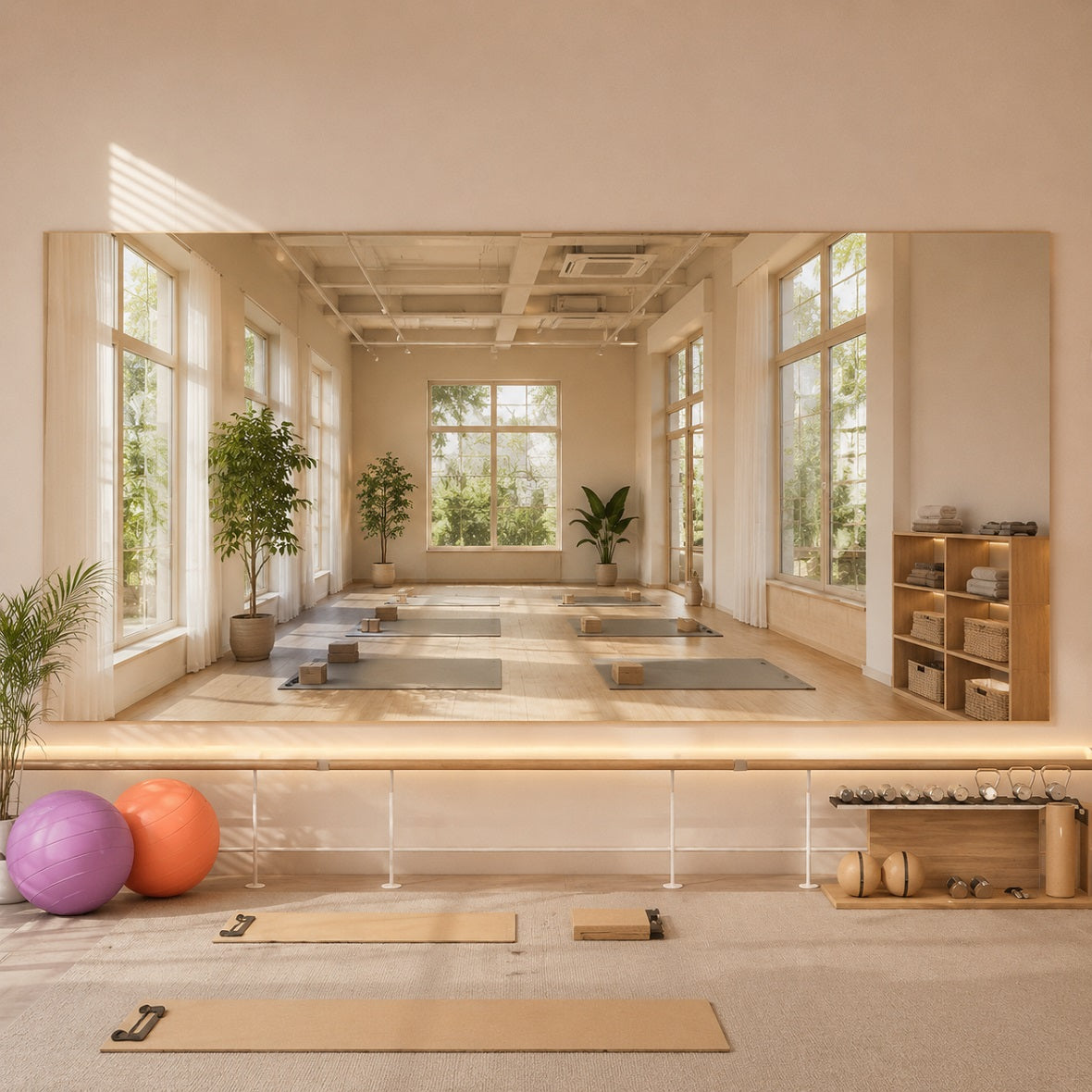
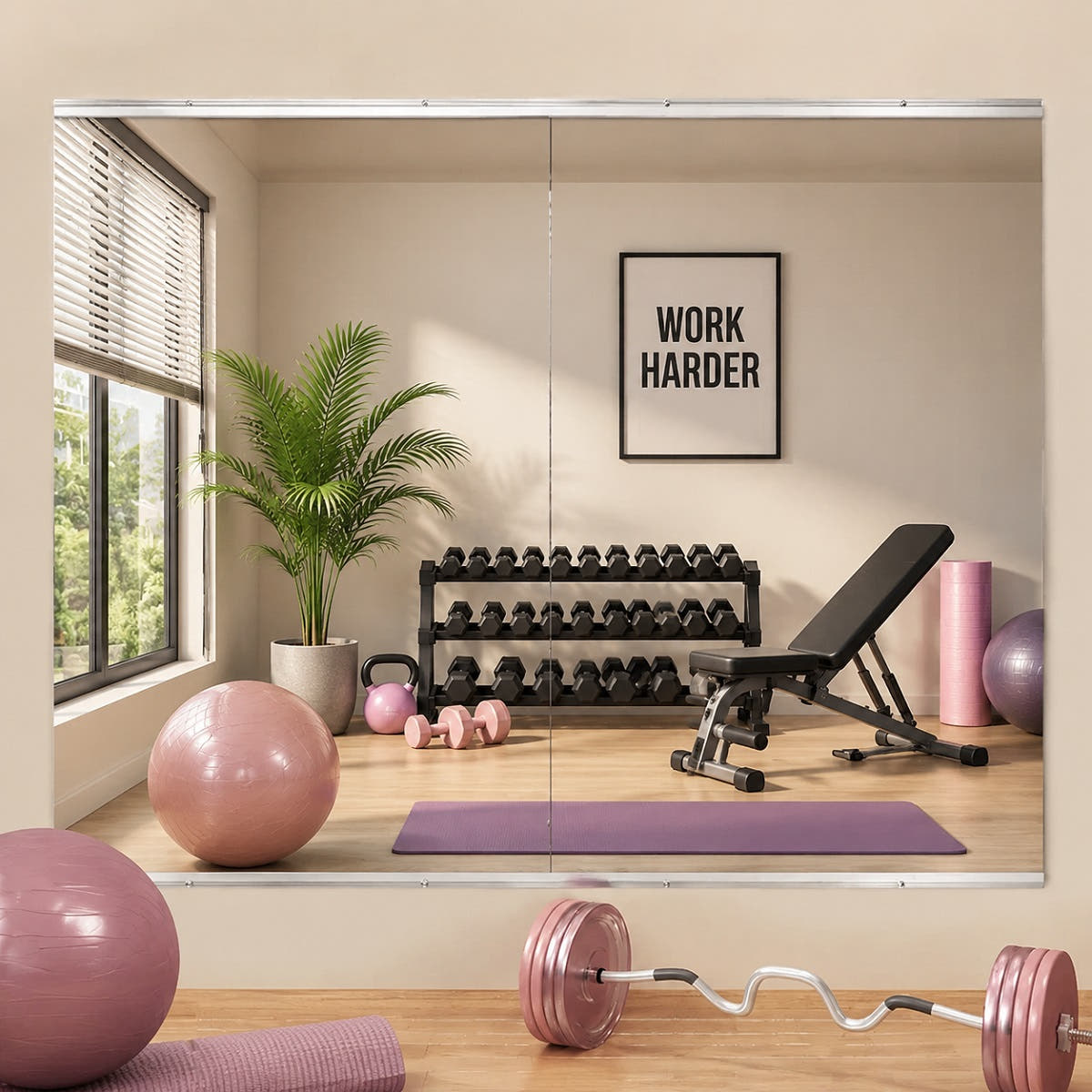
A gym mirror should be large enough to show your posture and movement clearly during yoga, strength training, or dance practice.
Frameless mirror panels suit permanent workout areas. Freestanding and rolling mirrors provide more flexibility in shared rooms.
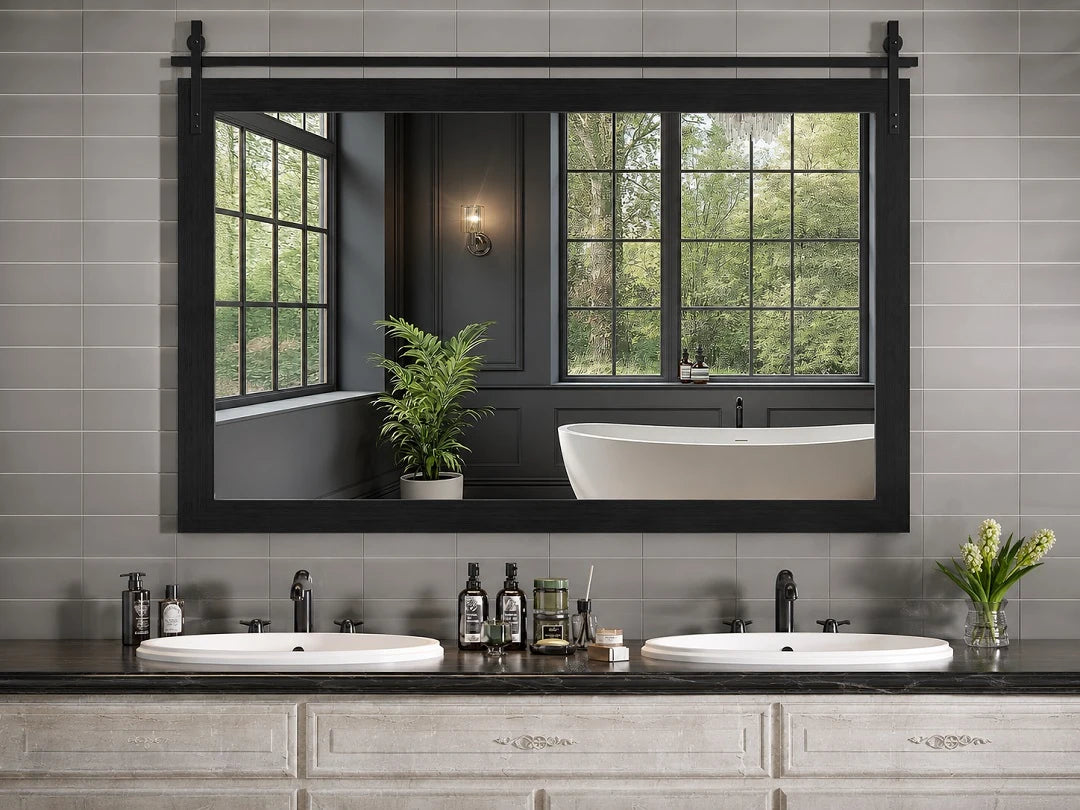
Bathroom
For a bathroom, choose a mirror that can handle daily humidity and regular cleaning. LED lighting can make grooming easier, while an anti-fog function helps keep the reflection clear after a hot shower.
The mirror should feel balanced above the vanity without blocking nearby outlets, lights, or storage.
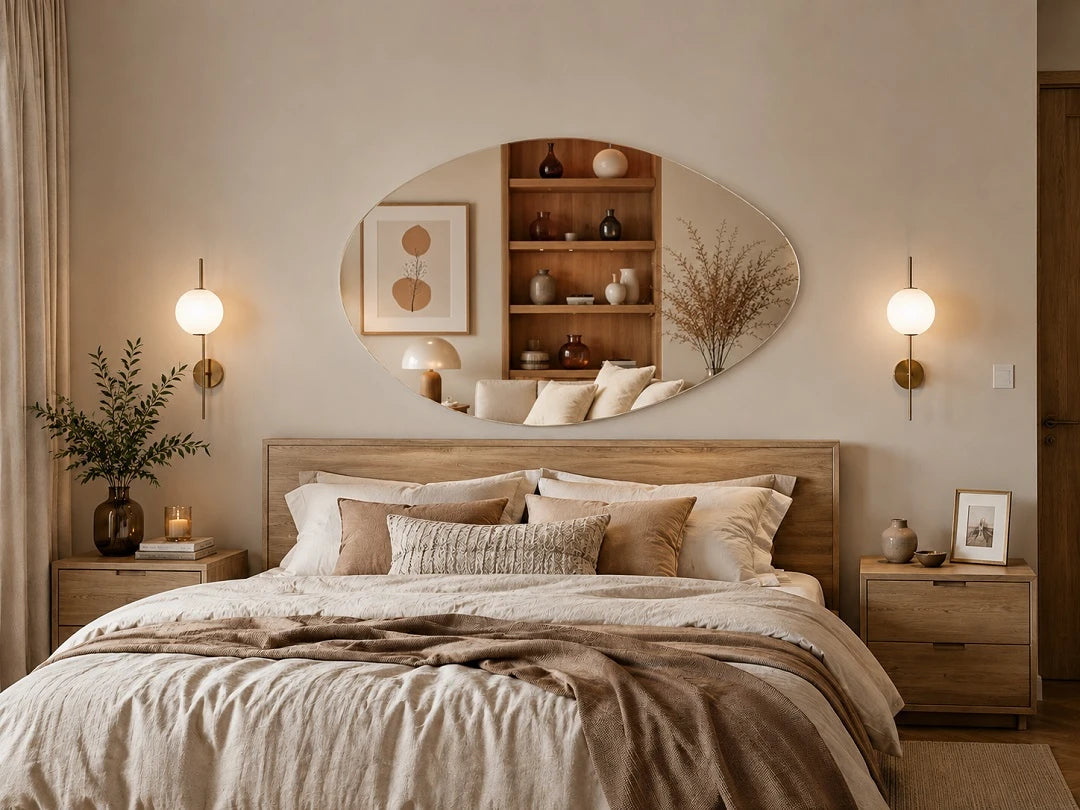
Bedroom
A bedroom mirror should provide a comfortable view without making the room feel crowded. Full-length mirrors work well for outfit checks, while wall-mounted designs save floor space.
Floor mirrors offer a more relaxed look and can be moved when the room layout changes.
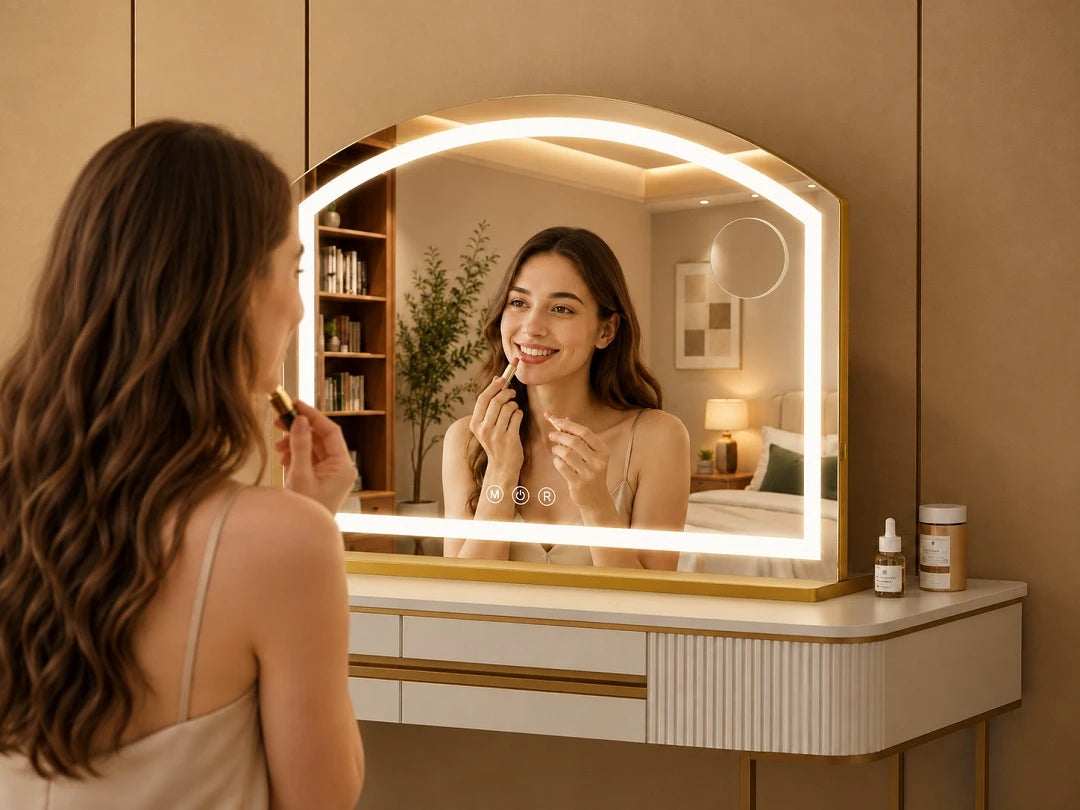
Vanity Area
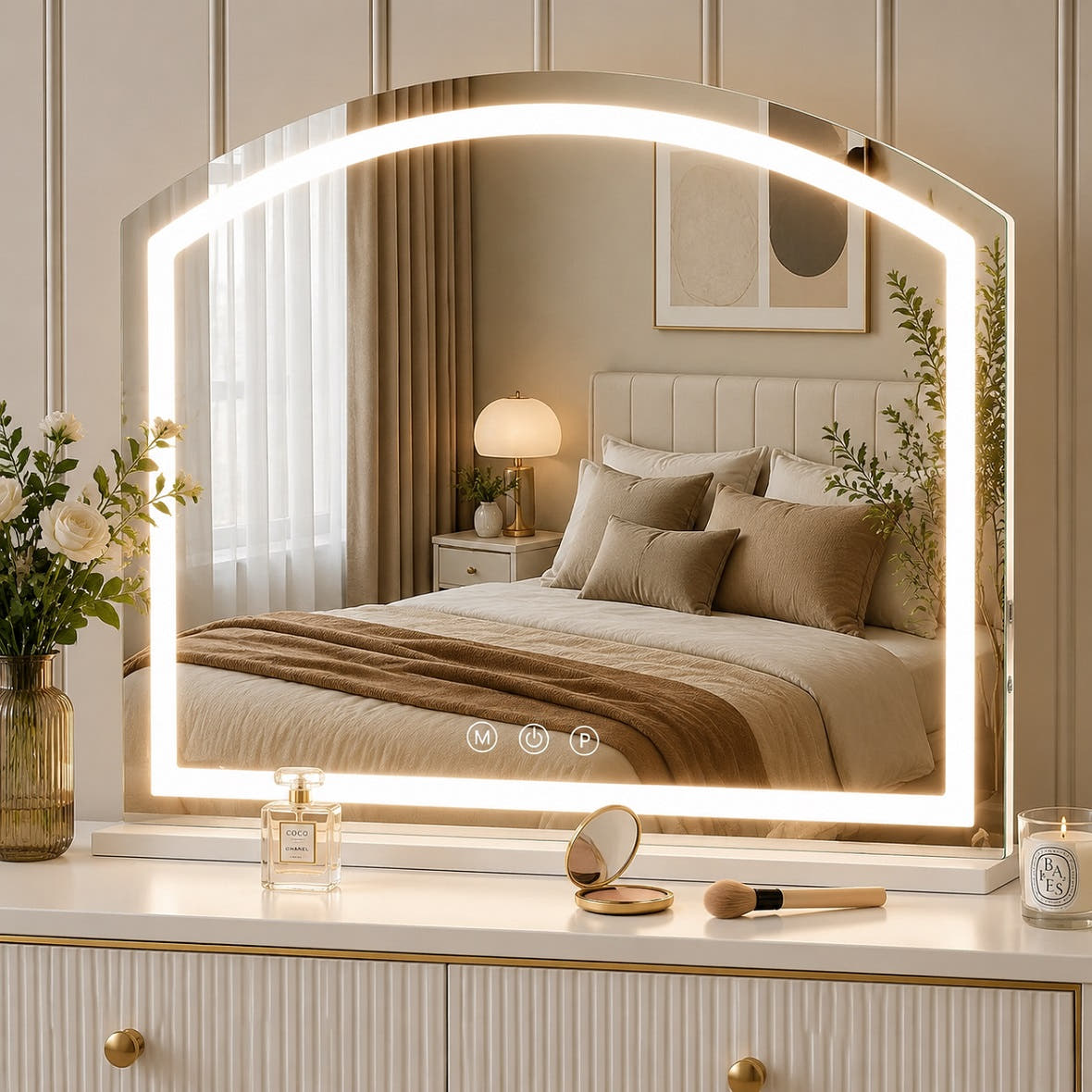
Vanity mirrors should provide clear, even lighting across the face. Adjustable brightness is useful for everyday makeup, eyeliner, eyebrow shaping, skincare, and grooming.
Lighted makeup mirrors and Hollywood mirrors are especially useful when overhead lighting creates shadows.
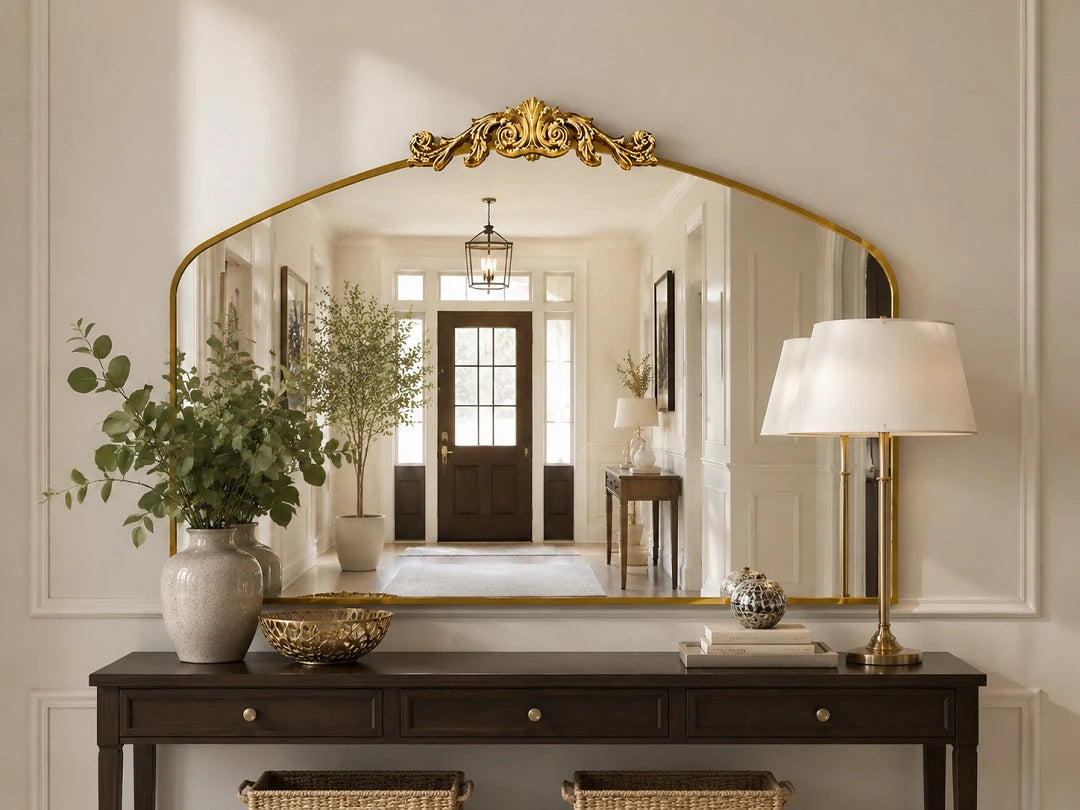
Entryway
An entryway mirror gives you a final appearance check before leaving home and helps a narrow space feel brighter.
Arched, round, and decorative mirrors add personality. A full-length design is more practical when you need a complete head-to-toe view.
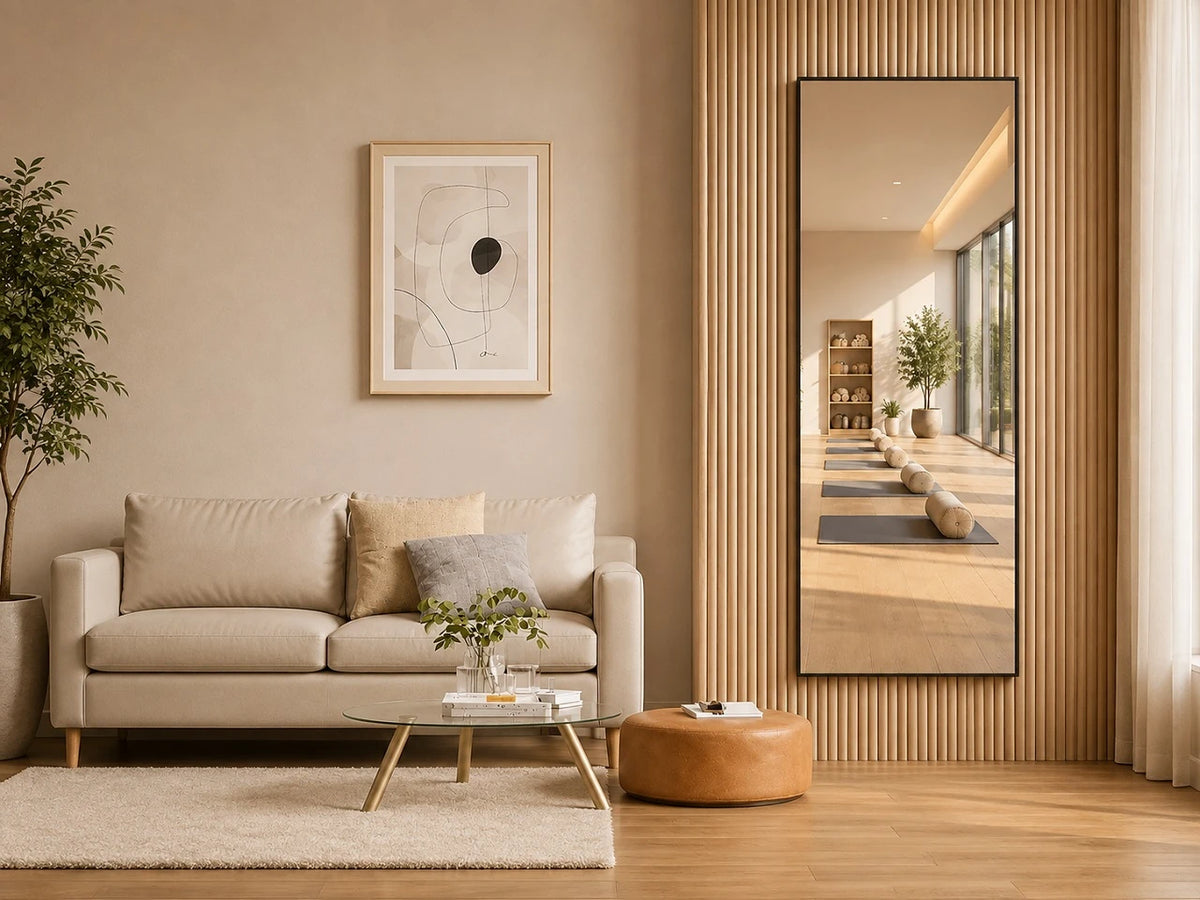
Living Room
A living room mirror reflects natural light and helps the space feel brighter, larger, and more inviting.
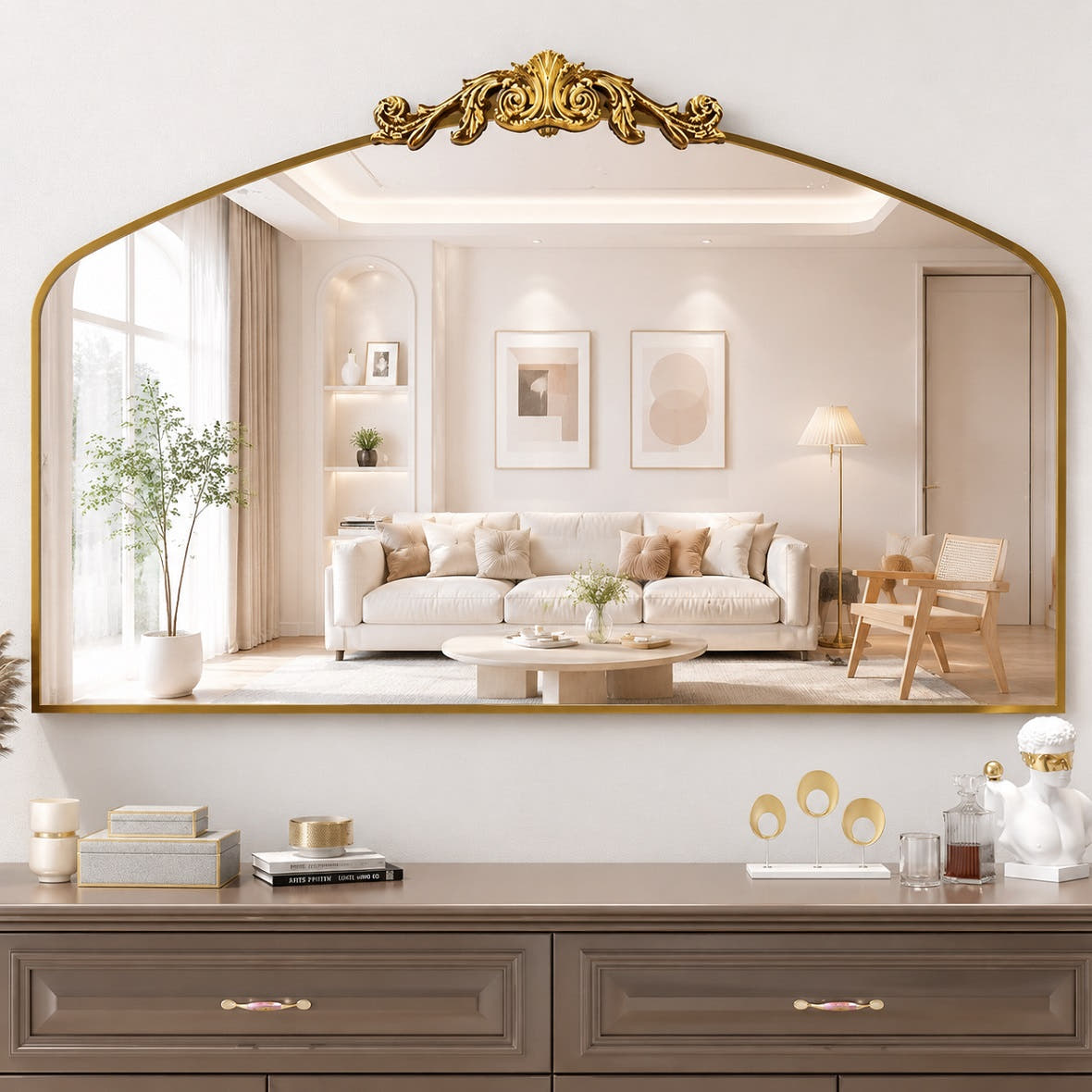
Arched, round, and decorative mirrors add personality above a sofa, fireplace, or console. An oversized design can create a striking focal point and balance the room.
Mirror Size
Measure Before You Buy
A few quick measurements can help you choose a mirror that fits the wall and looks balanced with nearby furniture.
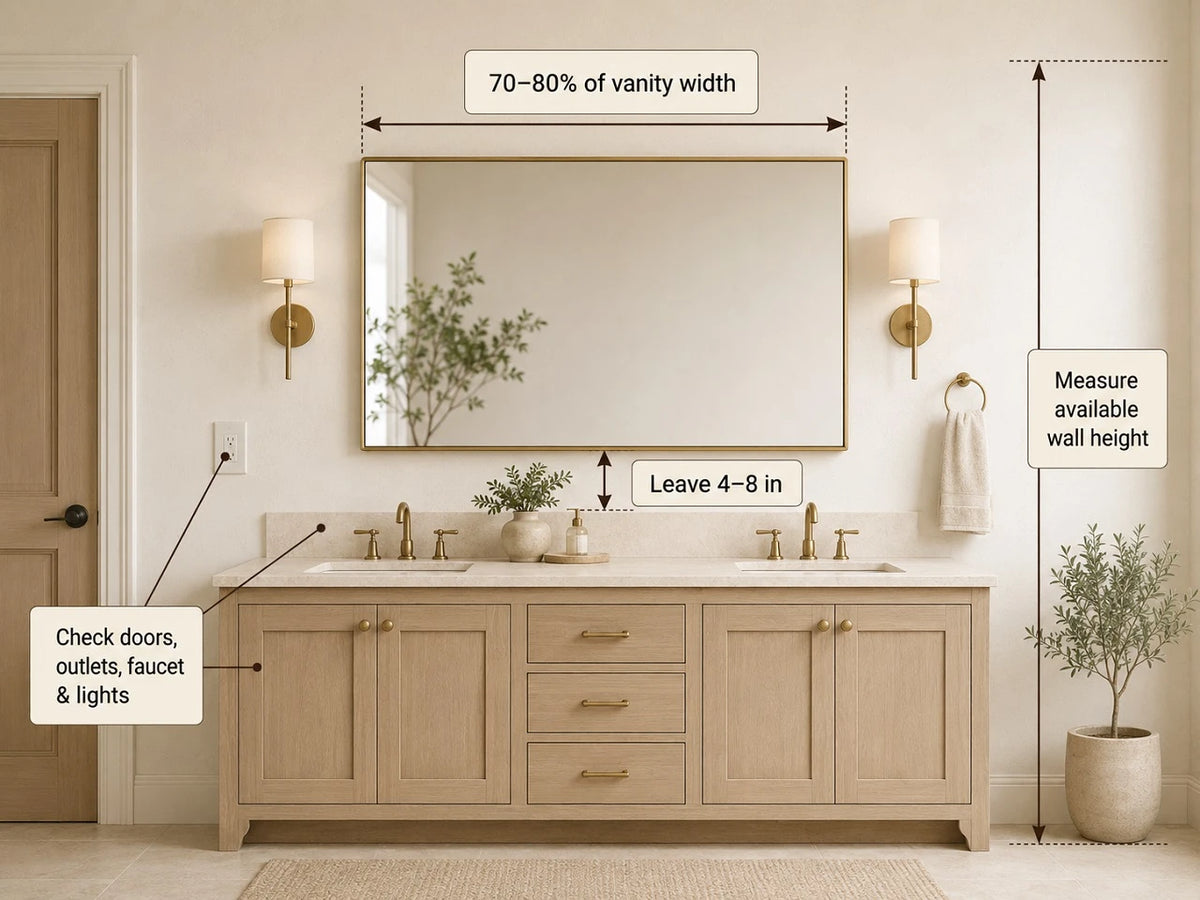
Quick Measuring Checklist
- Measure the wall: Check the available width and height.
- Match the furniture: Aim for 70%–80% of the vanity, dresser, or console width.
- Leave enough clearance: Allow 4–8 inches above a bathroom vanity.
- Check the viewing height: Position the mirror near the users’ average eye level.
- Mark the outline: Use painter’s tape to preview the mirror size before ordering.

Quick Size Guide
- Small: Powder rooms, desks and compact vanities.
- Medium: Bathrooms, bedrooms and entryways.
- Large: Double vanities, wide furniture and large walls.
- Full Length: Bedrooms, closets, dressing areas and home gyms.
Mirror Shape
Choose a Shape That Fits the Space
Mirror shape influences how a room feels. Use these simple guidelines to find the right silhouette for your space and style.
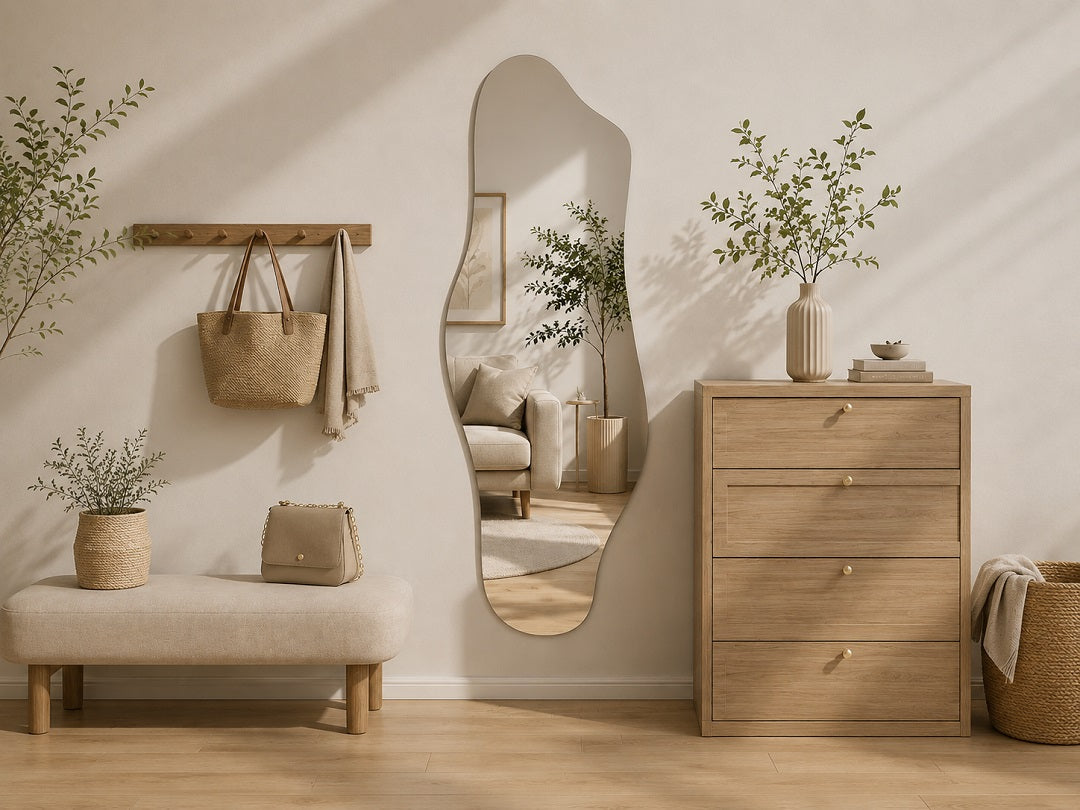
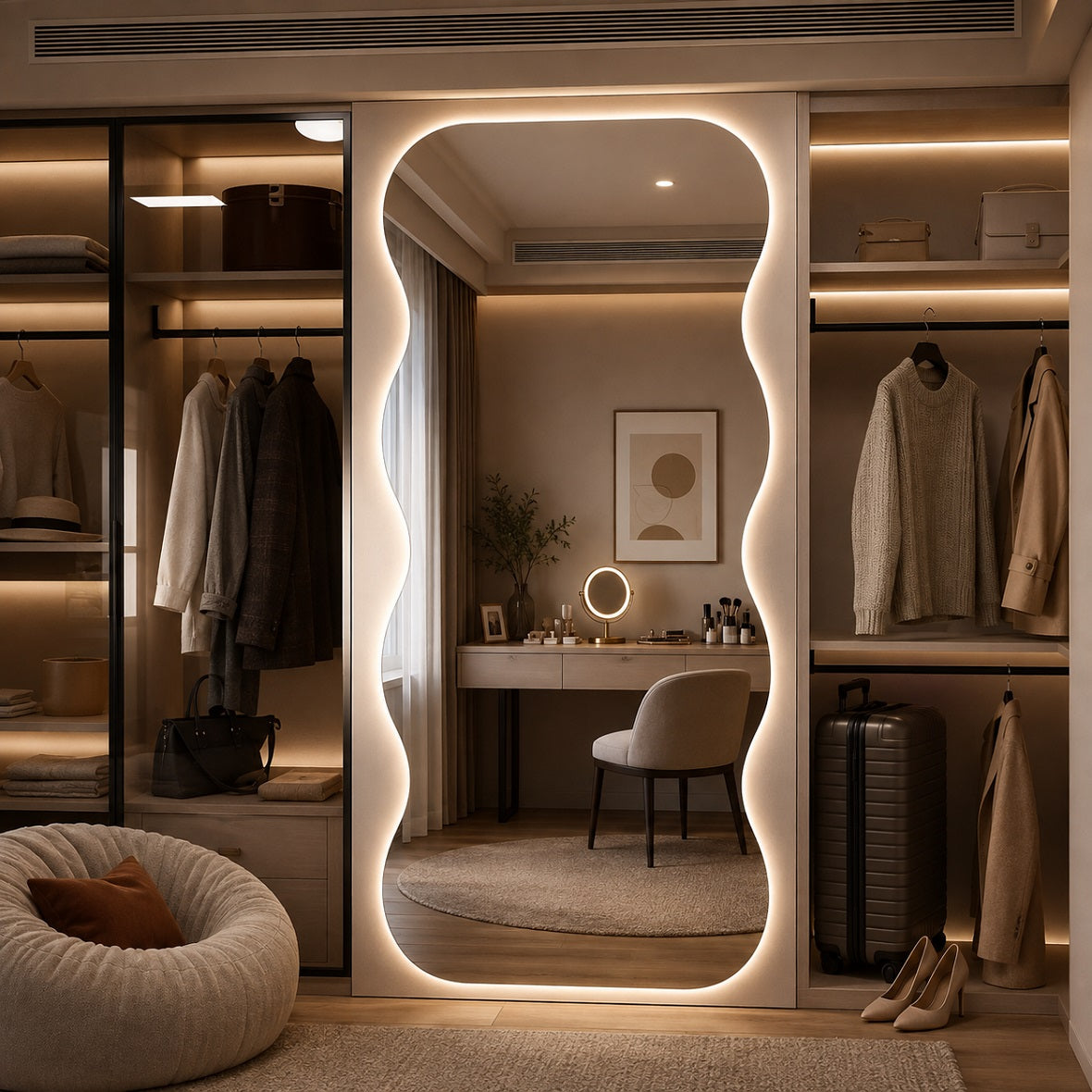
Irregular Mirrors
Irregular mirrors introduce movement and personality, turning an empty wall into a distinctive decorative feature.
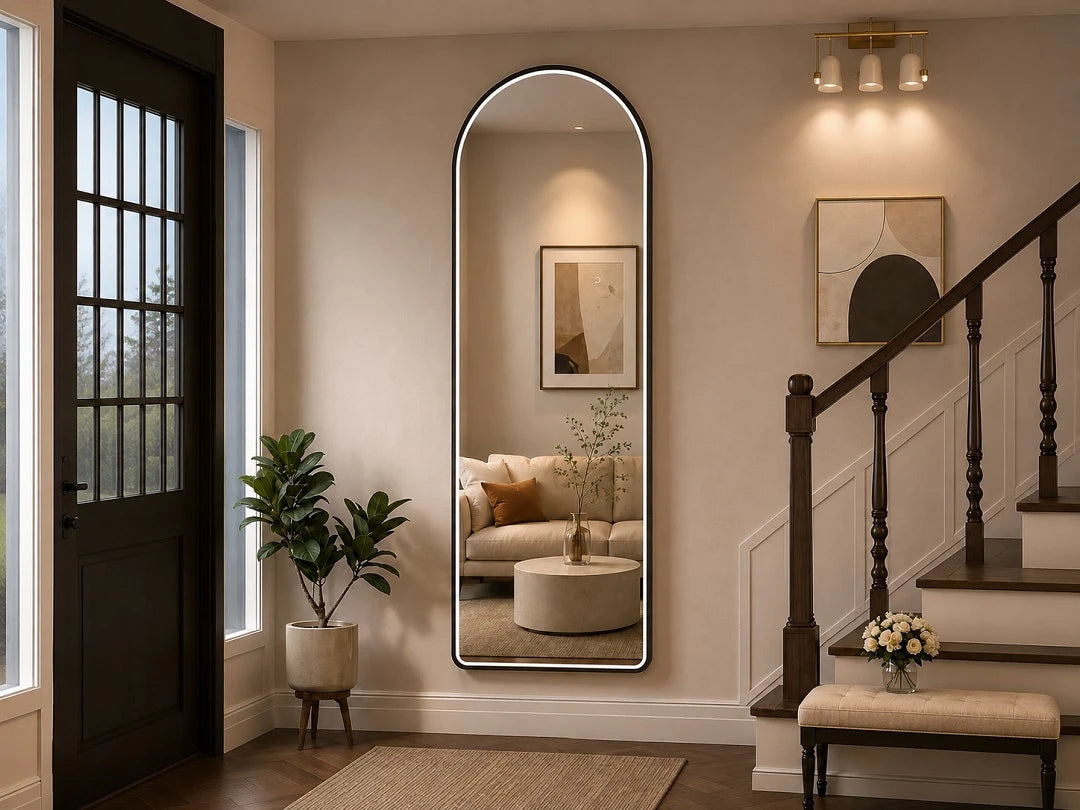
Arched Mirrors
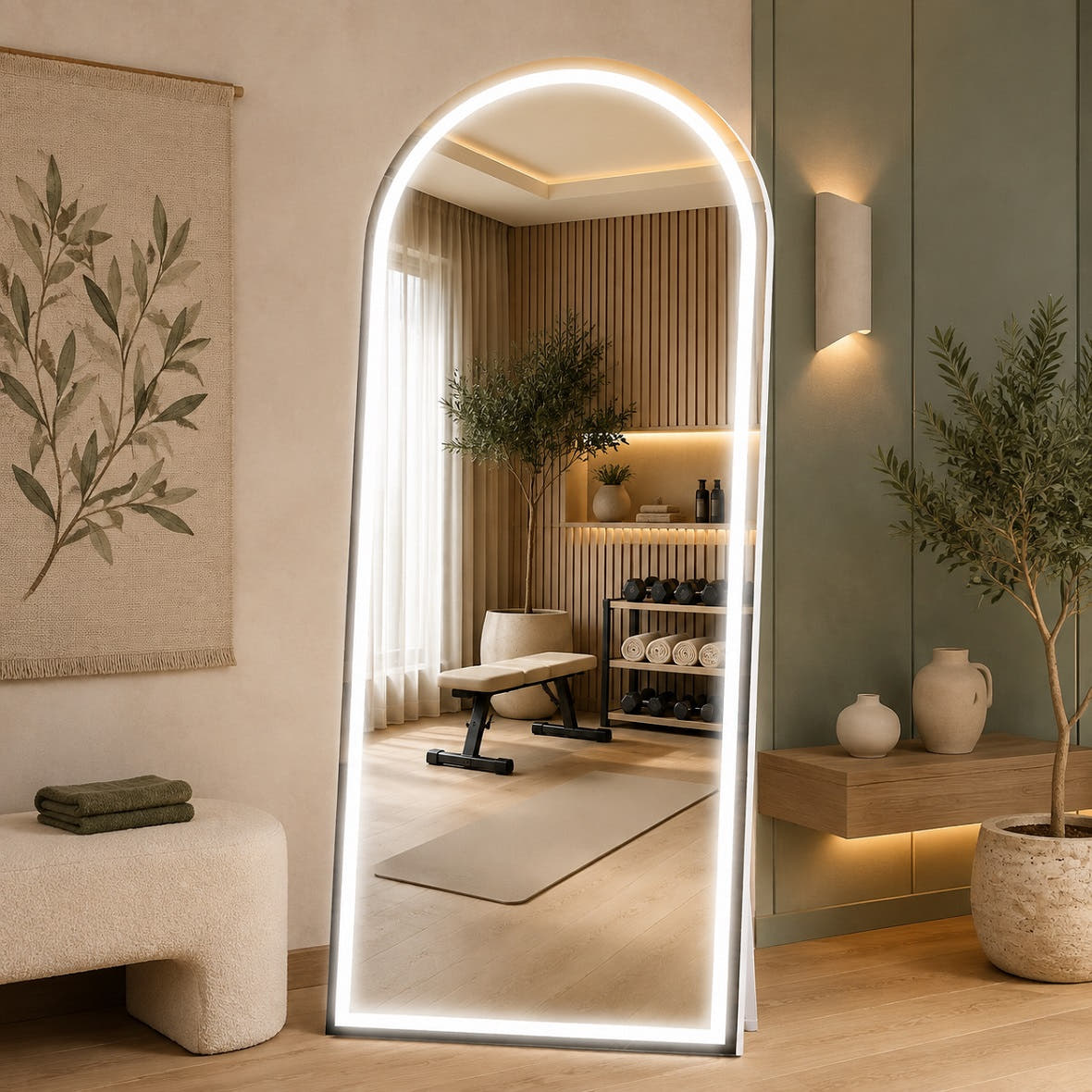
Arched mirrors add height and architectural character, making them a natural choice for bedrooms, entryways, and vanities.
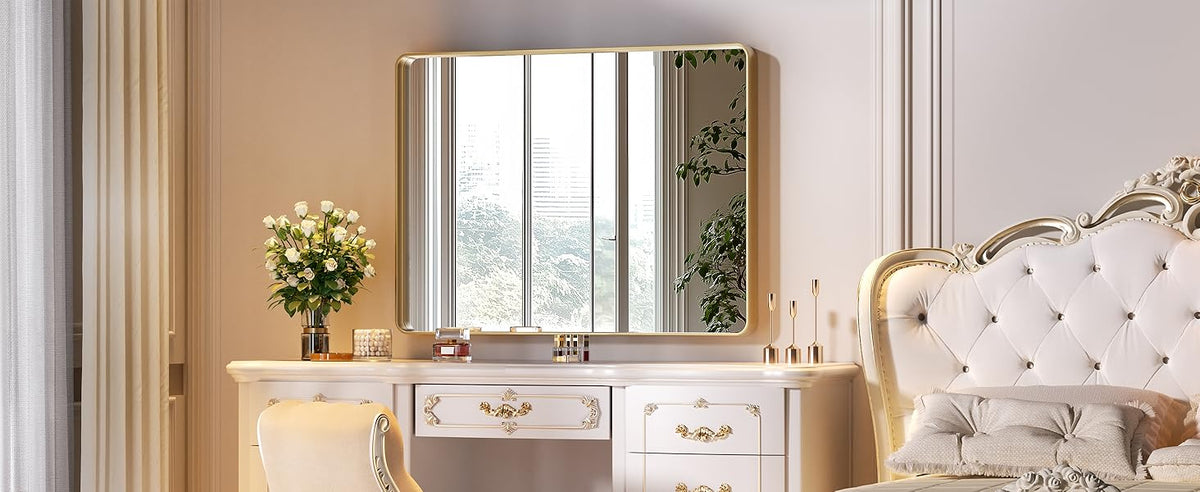
Rectangular Mirrors
Rectangular mirrors offer a clean, versatile look and make practical use of the wall above a vanity, dresser, or console.
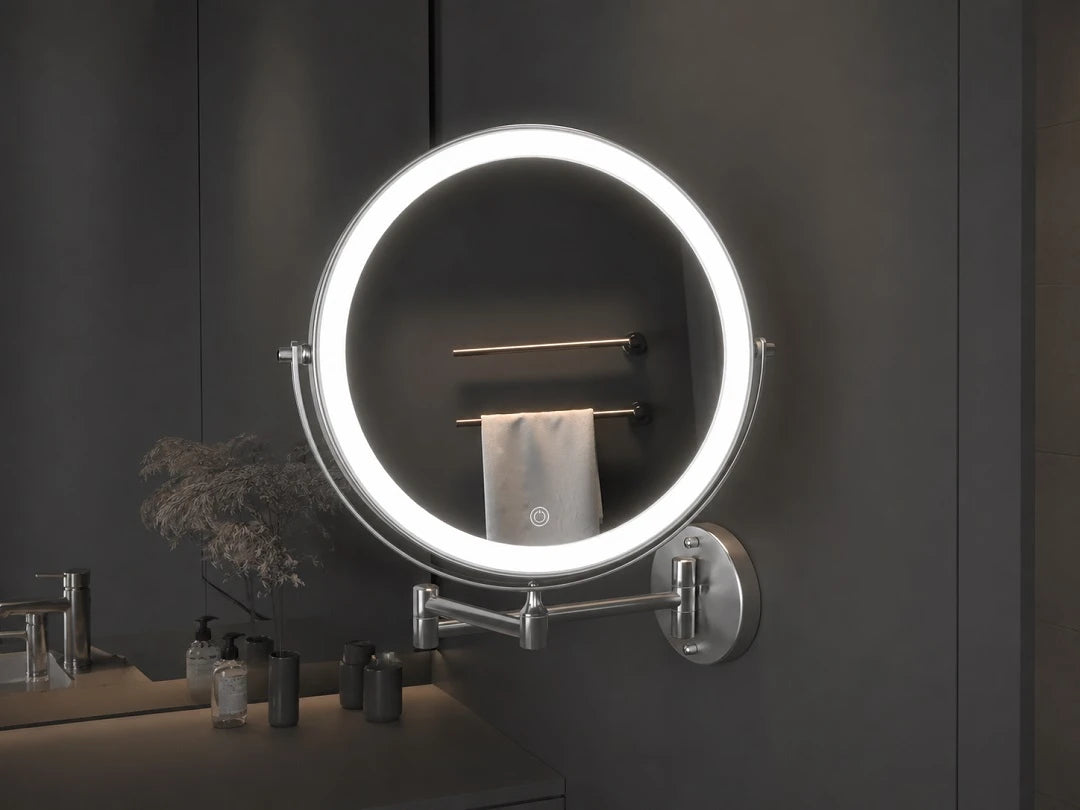
Round Mirrors
Round mirrors soften straight lines and bring a balanced, relaxed feel to bathrooms, vanities, and entryways.
Find a Mirror You Like

Mirror Buying Guide FAQs
Find answers about wholesale orders, partnership opportunities, products, and support.
What size mirror should I choose for a bathroom vanity?
A bathroom mirror usually looks balanced when it measures around 70% to 80% of the vanity width. Check the faucet, backsplash, lighting, outlets, and available wall space before choosing the final size.
How high should I hang a mirror?
The center of the mirror should sit close to the average eye level of the people using it. Leave enough space above a bathroom backsplash and faucet.
Can I use a regular mirror in a bathroom?
Yes, but the mirror and frame should be suitable for humid conditions. Moisture-resistant materials are generally easier to maintain.
What is the difference between front-lit and backlit mirrors?
Front-lit mirrors direct more light toward the face. Backlit mirrors create a softer glow behind the glass. Some mirrors combine both lighting styles.
Which mirror shape makes a small room look larger?
Round, arched, and large frameless mirrors can make a compact room feel more open. Position the mirror where it can reflect light or an uncluttered part of the room.