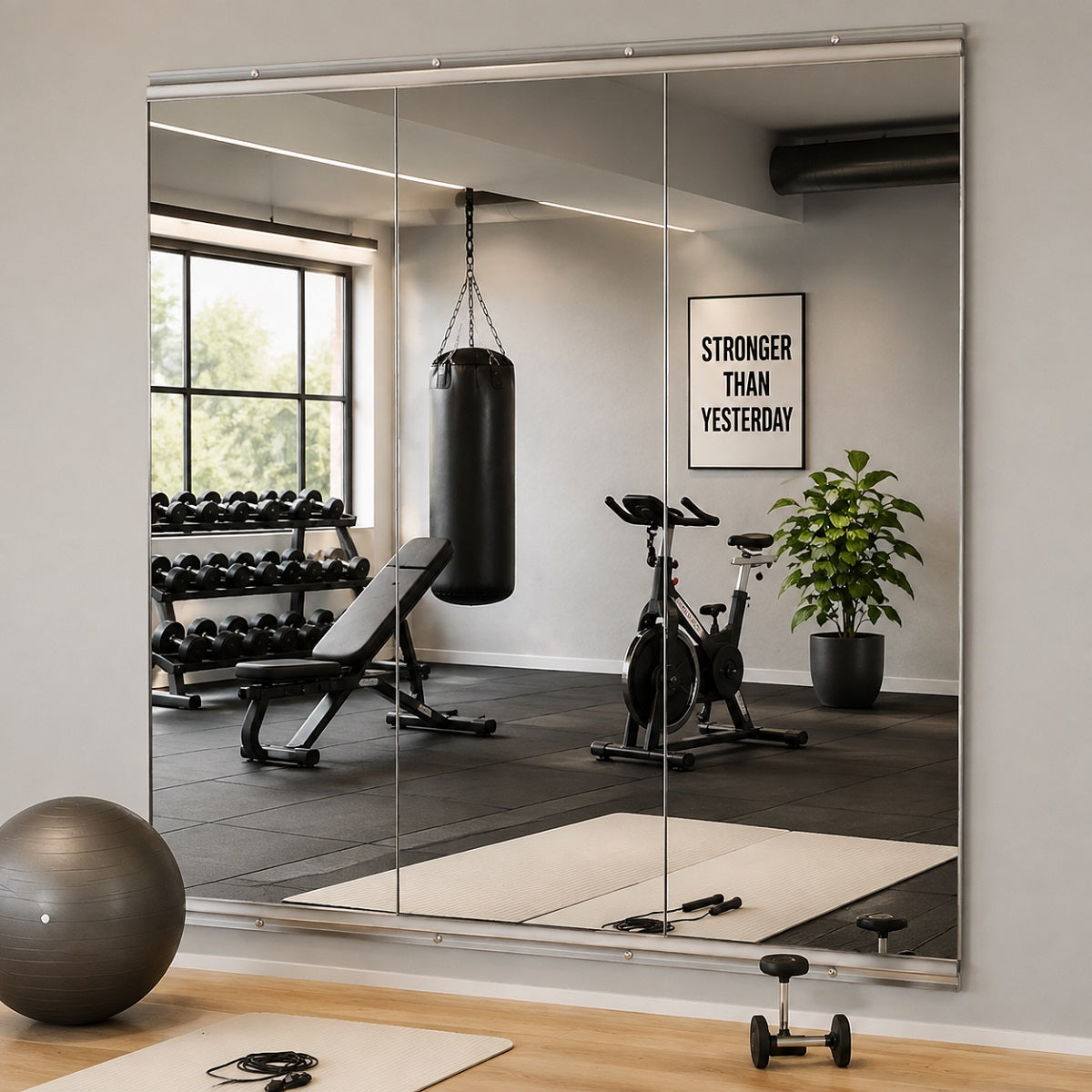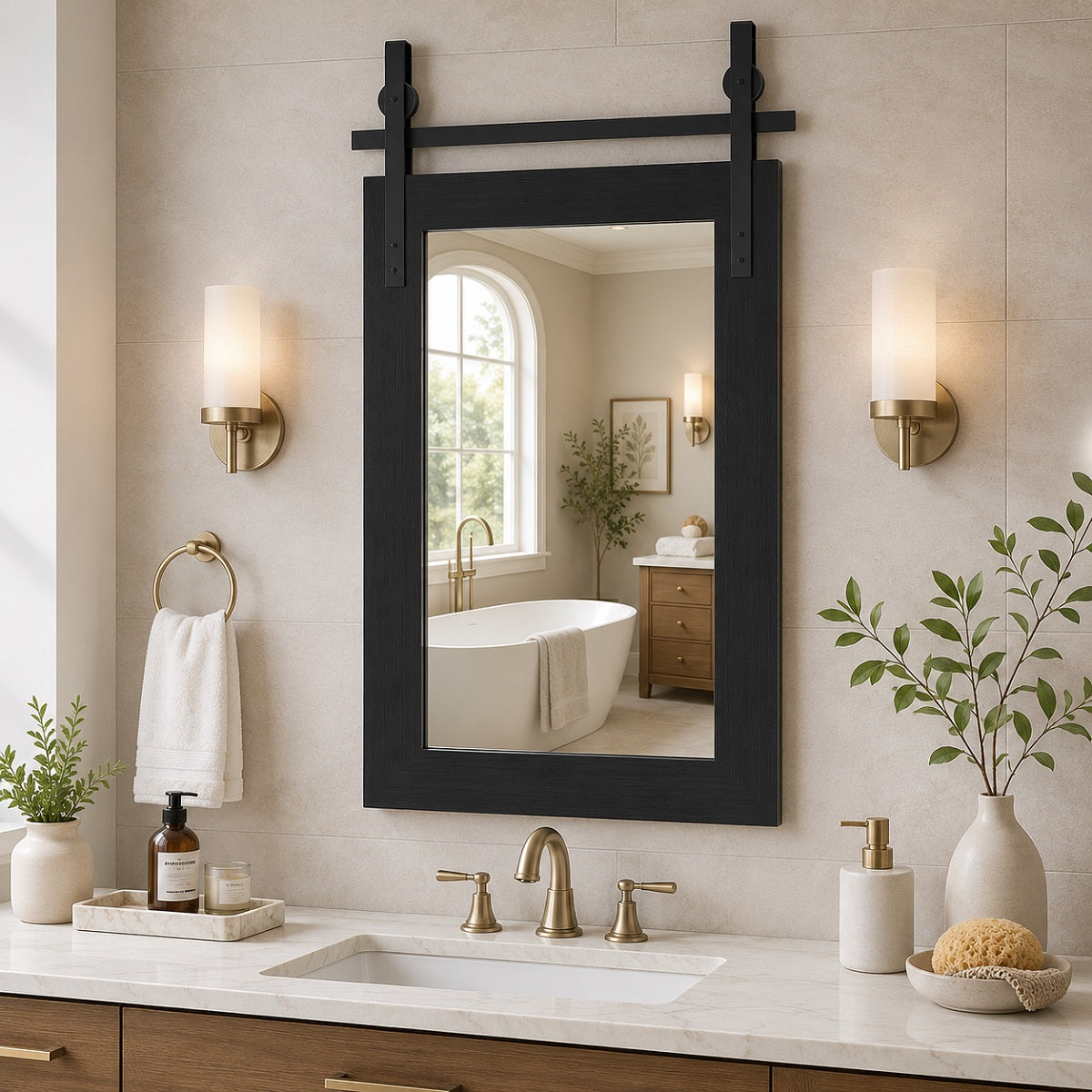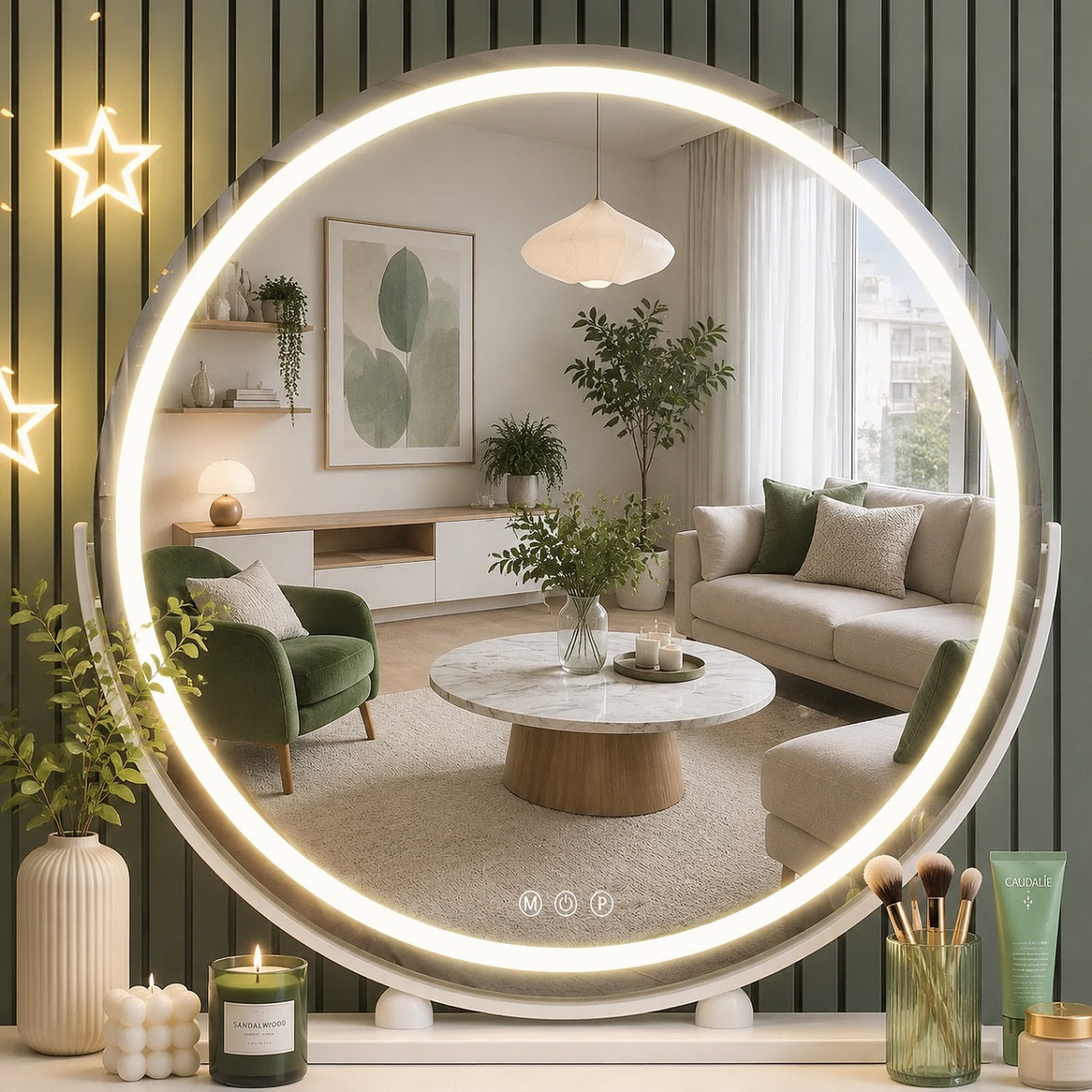



An IP rating shows how well an electrical enclosure protects its internal components from solid objects and water. On an LED mirror, the rating may apply to the lighting, driver, controls, or other electrical parts rather than the reflective glass itself.
The IP system is defined by the IEC 60529 standard.
How Do You Read an IP Rating?
“IP” stands for Ingress Protection. It is followed by two numbers.
- The first number describes protection against solid objects and dust.
- The second number describes protection against water.
For example, the first “5” in IP54 indicates dust protection, while the second “4” indicates protection against splashing water.
A higher number means a higher level of protection within that category, but the two numbers should be read separately.
What Do IP44, IP54, and IP65 Mean?
IP44 protects against solid objects larger than 1 millimeter and water splashing from different directions.
IP54 provides limited protection against dust and protection against splashing water.
IP65 is dust-tight and protects against water jets.
These ratings describe specific test conditions. IP65 does not mean that a mirror can be submerged, pressure-washed, or installed anywhere without considering the manufacturer’s instructions.
Does the IP Rating Apply to the Entire Mirror?
Not always. A rating may cover a particular electrical enclosure or assembled product, depending on how it was tested.
Check the product label and specifications to confirm the stated rating. Installation location, wiring, connectors, wall construction, and local electrical requirements also affect how a lighted mirror should be installed.
Explore Hasipu LED Mirrors