Table of Contents
Have you ever checked your reflection in one mirror and felt completely different when you looked into another?
Maybe your face looks wider, your skin tone seems off, or your clothes do not look the same as they did earlier. It can be frustrating when a mirror shows a version of you that does not feel familiar.
The mirror itself is not changing the way you look. Small details like glass quality, lighting, viewing angle, and placement can affect how your reflection appears.
From vanity mirrors with lights to bedroom and bathroom mirrors, knowing what causes these differences can help you create a space with a clearer and more natural reflection.
Do Mirrors Really Change the Way You Look?
A mirror does not change your actual physical appearance, but it can significantly affect the way your eyes perceive your reflection.
A high-quality mirror reflects light evenly and creates a more accurate image. In contrast, a poorly made mirror, incorrect placement, or harsh overhead lighting can distort proportions or make small imperfections look more noticeable.
The main reasons usually come down to:
- The quality of the mirror glass: Low-grade glass can warp or bow slightly, skewing your proportions.
- The shape and surface of the mirror: Even slight curves or uneven backing distort light reflection.
- Lighting around the mirror: Direct overhead lights cast harsh downward shadows, while LED mirrors or soft front-facing lights flatten shadows for a truer representation.
- The distance between you and the mirror: Standing too close or too far alters depth perception and perspective.
- The angle where the mirror is placed: Tilting a mirror upward or downward instantly elongates or shortens your body.
Your face and body stay exactly the same—the environment, lighting setup, and glass precision around the mirror change the way you see yourself.

Mirror Distortion Can Make Your Reflection Look Unusual
One of the biggest reasons behind a strange reflection is mirror distortion.
A good mirror should have a completely flat, uniform surface that reflects light evenly. Some lower-quality mirrors may have slight curves, thin backing, or uneven glass density that subtly warp the reflection.
Even a tiny amount of surface distortion can change how certain facial features or proportions appear:
- A slightly curved mirror may make your face or body look wider, narrower, or asymmetrical.
- An uneven glass surface can bend light rays unequally, creating a stretched or wavy reflection.
- A thin or low-grade mirror may flex under its own weight or wall mounting pressure, lacking the clarity and depth of premium silver-backed glass.
This is why you might look great in your bedroom mirror but feel surprisingly different when checking yourself in a fitting room, public restroom, or another location.
A well-made, accurate reflection mirror relies on thick, high-definition copper-free glass to eliminate subtle warping and provide a natural, true-to-life view every time.
Lighting Has a Bigger Impact Than Most People Expect
Many people blame the mirror when lighting environment is actually the primary reason their reflection looks different from room to room.
A bathroom powered by a single overhead ceiling light casts harsh downward light, creating deep shadows around your eyes, nose, and jawline. This directional lighting can exaggerate skin texture and make small details look far more noticeable than they are in real life.
- Natural window light usually gives a softer, more balanced, and true-to-life appearance by diffusing light evenly across your face.
- For precision tasks like makeup application and skincare routines, an LED vanity mirror provides consistent, front-facing illumination because the lights are positioned directly around the glass perimeter at eye level.
Useful lighting features that improve mirror accuracy include:
- Adjustable brightness: Allows you to simulate ambient evening lighting or bright daytime environments.
- Different color temperatures: Easily switch between warm light (3000K), natural daylight (4500K), and cool white (6000K) to view your reflection under realistic conditions.
- Even illumination around the mirror: Eliminates unflattering side or overhead shadows.
Good lighting does not alter or hide your true appearance. It simply removes harsh environmental shadows, allowing you to see your real reflection clearly and accurately.
The Position of Your Mirror Changes Your Reflection
Where your mirror sits can heavily affect how your reflection appears.
A mirror that leans backward or tilts forward creates a completely different viewing angle. This can subtly alter body proportions—an effect that is especially noticeable with full length mirrors.
Key examples include:
- A tilted full length mirror: Leaning a mirror back against a wall can make your legs look longer or your torso appear shorter due to forced perspective.
- A mirror mounted too high: Viewing yourself from below changes the way you see your facial structure.
- Standing too close: Looking at a mirror from just inches away exaggerates central facial features and distorts depth perception.
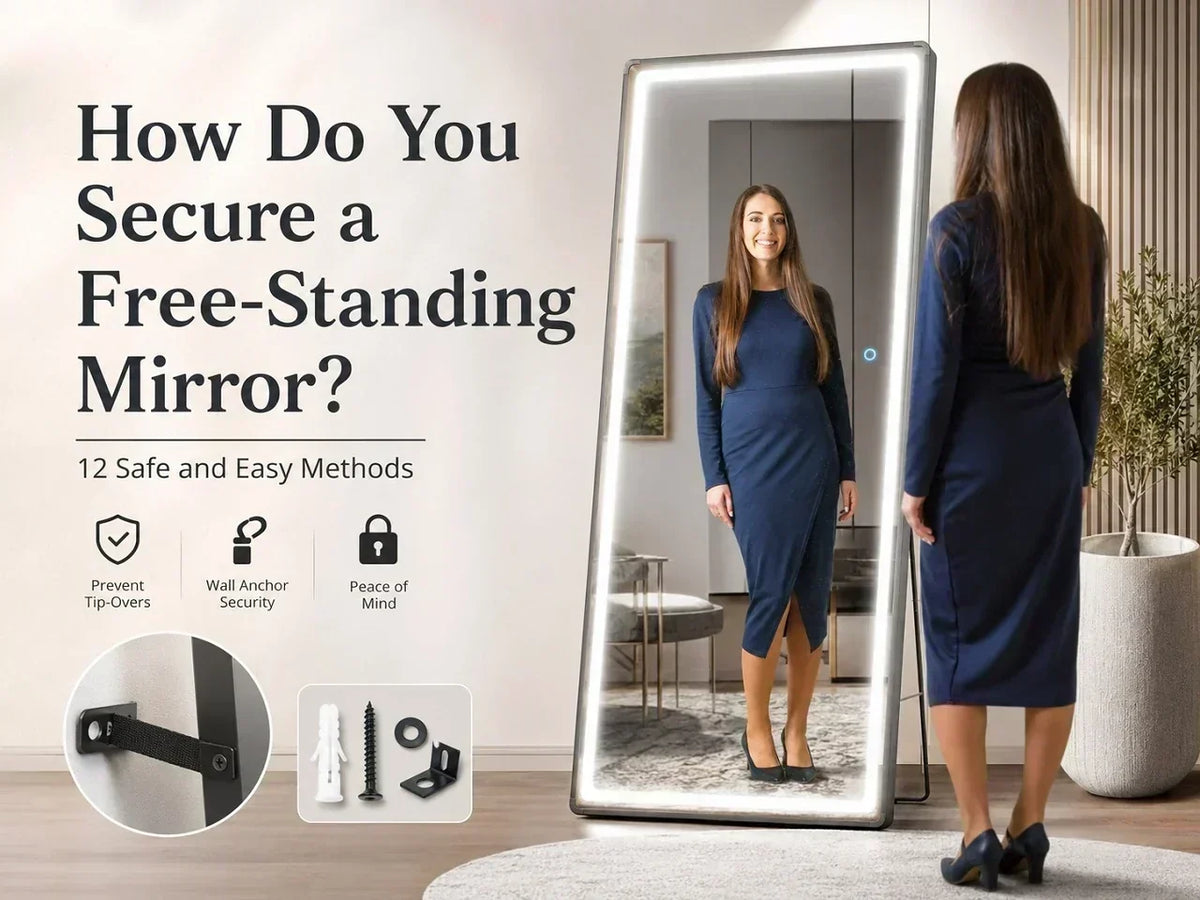
For a more natural, true-to-life reflection, mount the mirror straight and make sure you can stand comfortably several feet back. This setup is especially important for bedroom dressing areas, walk-in closets, and outfit planning spaces.
Why Do I Look Better in Some Mirrors?
This is one of the most common questions people ask about mirrors. You may look better or more natural in one mirror over another because several subtle elements work together:
1. Familiar Reflection
You see yourself in your home mirror every day, so your brain becomes accustomed to that specific image (known as the mere-exposure effect). When you encounter a different reflection elsewhere, it feels unusual simply because it isn't the version you are used to seeing.
2. Better Lighting
Soft, diffuse lighting minimizes harsh facial shadows and creates a more comfortable viewing experience. A mirror placed near natural window light or an LED mirror with built-in front illumination often feels far more flattering.
3. Superior Glass Quality
A clear, flat mirror delivers a realistic reflection, while a lower-grade glass pane with minor warping or thin backing distorts your image.
4. Viewing Distance
Standing extremely close to a mirror skews visual perspective. Stepping back a few feet allows your eyes to process proportions naturally.

Why Does My Bathroom Mirror Make Me Look Different?
Bathroom mirrors frequently create a unique viewing experience due to the surrounding environment.
Bathrooms typically feature:
- Bright, direct overhead lighting that casts dark shadows under eyes and chin
- Enclosed spaces that force you to stand close to the glass
- Moisture and humidity, which can degrade cheaper mirror backings over time
- Proximity to sinks, dictating mirror height and viewing angle
An LED bathroom mirror with lights drastically improves daily routines by adding balanced, shadow-free illumination around your face.
Modern bathroom vanity mirrors often incorporate smart, user-friendly features:
- Energy-efficient LED lighting
- Anti-fog technology for clear glass after hot showers
- Touch-sensor controls
- Adjustable brightness and color temperature
Cheap Mirrors vs. High-Quality Mirrors: What Is the Difference?
Not every mirror provides the same reflection quality. Lower-quality, budget mirrors frequently suffer from manufacturing flaws such as:
- Slight waves or distortion in thin glass panes
- Blurry or low-clarity reflections
- Uneven reflective backing that bends light rays
- Poor color accuracy that tints your reflection greenish or dark
In contrast, a high-quality HD mirror uses thick, copper-free silver glass, precise flat manufacturing, and heavy-duty backing for smooth, true-to-life reflectivity.
Investing in quality glass matters most for items you rely on daily, such as:
- LED vanity mirrors
- Full length bedroom mirrors
- Bathroom vanity mirrors
A mirror is not just a decorative piece—it is a functional tool for your daily routine.
How to Choose a Mirror That Shows a Natural Reflection
The right mirror should complement both your interior space and your functional needs:
1. Look for Clear, Flat Glass
A high-quality accurate reflection mirror reflects straight lines without bending or distortion. Test this by inspecting how door frames, tile lines, or furniture edges appear in the reflection—any visible curve indicates an uneven glass surface.
2. Match the Mirror With the Room
- Bedrooms: Benefit from a stylish full length mirror for outfits and spatial depth.
- Makeup & Grooming Areas: Require an LED vanity mirror with lights for clear, shadowless facial visibility.
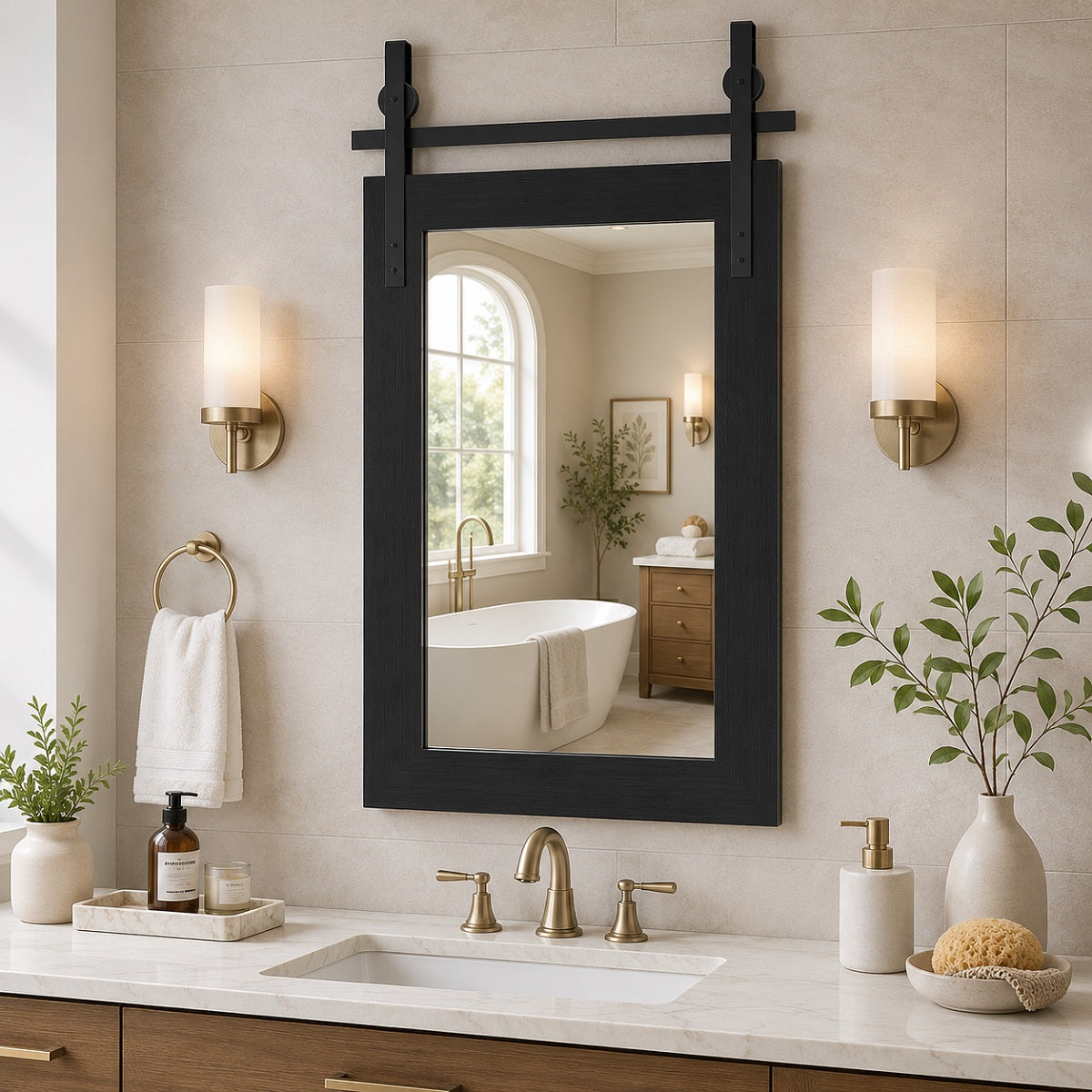
- Bathrooms: Demand a durable, anti-fog LED mirror built to withstand humidity.
3. Plan Your Lighting Before Installation
Even premium mirror glass underperforms under poor lighting. Position mirrors to catch soft natural light or pair them with dedicated LED mirror lights for balanced, even brightness.

Final Thoughts
A mirror that makes you look "different" isn't showing a different version of you—it simply highlights how reflections change based on glass quality, lighting angle, distance, and placement.
The best mirrors deliver a reflection that feels natural, comfortable, and accurate. They help you get ready effortlessly, enhance your home's interior, and let you go about your day with confidence.
At Hasipu Home, we design mirrors for real spaces and everyday routines—from LED vanity mirrors for grooming to full length mirrors and modern bathroom mirrors built to make every room brighter and more functional.
Frequently Asked Questions
1. Why do I look different in different mirrors?
You look different in different mirrors due to lighting environment, glass quality, mirror tilt, and viewing distance. Cheap glass can bow or warp under mounting pressure, distorting your reflection. Direct overhead lighting casts harsh downward shadows under your eyes and jawline, while LED vanity mirrors provide front-facing illumination that eliminates unflattering shadows. Additionally, psychological factors like the mere-exposure effect make unfamiliar mirrors feel strange compared to the one you see every day at home.
2. Do full-length mirrors make you look thinner or wider?
A full-length mirror can make you look thinner or wider depending on its tilt angle and glass thickness. A mirror leaning backward against a wall creates a forced perspective that elongates your legs and alters body proportions. Thinner glass panes (under 4mm) can flex slightly in their frames, causing subtle horizontal or vertical distortion. For an accurate, true-to-life reflection, choose a thick copper-free HD full-length mirror and mount it completely flat against the wall.
3. How can I tell if a mirror is distorting my reflection?
You can test if a mirror is distorting your image by inspecting straight structural lines in its reflection. Stand 3–5 feet back and look at door frames, tile grout lines, or countertop edges reflected in the glass. Move slowly side to side—if those straight lines appear wavy, curved, or bent, the mirror glass has uneven surface density or warping. A high-quality accurate reflection mirror will maintain crisp, straight lines across the entire glass surface.
4. Why does my bathroom mirror show more skin imperfections?
Bathroom mirrors tend to highlight skin texture because of directional lighting and close viewing distance. Most traditional bathrooms rely on a single ceiling light source, which casts harsh downward shadows across your face, exaggerating shadows inside pores, fine lines, and under-eye areas. Upgrading to a bathroom LED mirror with front-facing lights diffuses light evenly across your face, eliminating harsh shadows and delivering a clear, realistic view for makeup and skincare routines.
5. What type of mirror provides the most accurate reflection?
The most accurate mirror reflection comes from a flat HD copper-free silver mirror paired with balanced, front-facing LED lighting. Copper-free glass provides maximum optical clarity without the greenish tint found in low-grade float glass. Combined with a 100% flat mounting surface and eye-level LED lighting with adjustable color temperatures (3000K–6000K), this setup delivers a true-to-life image free from warping or artificial shadows.