Table of Contents
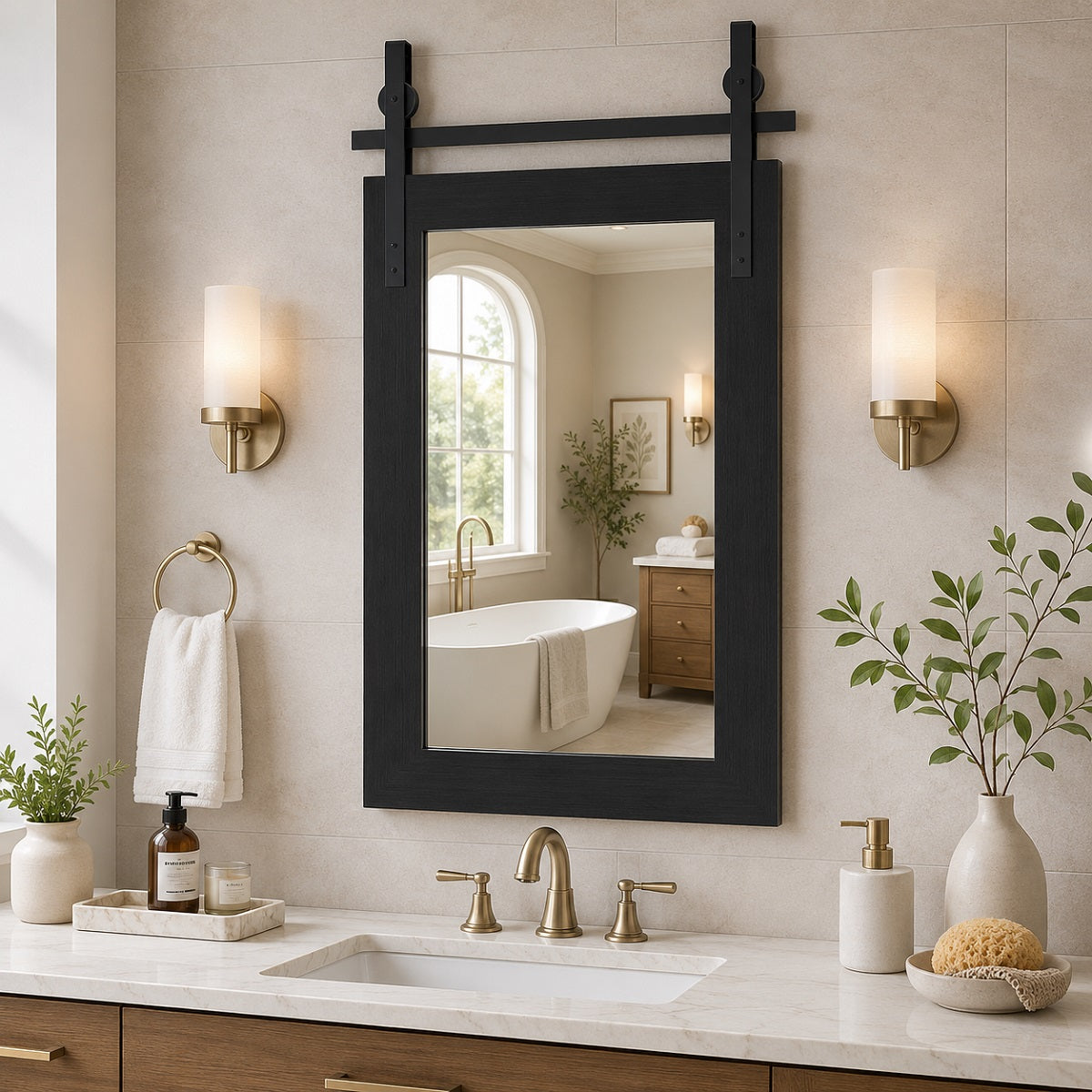
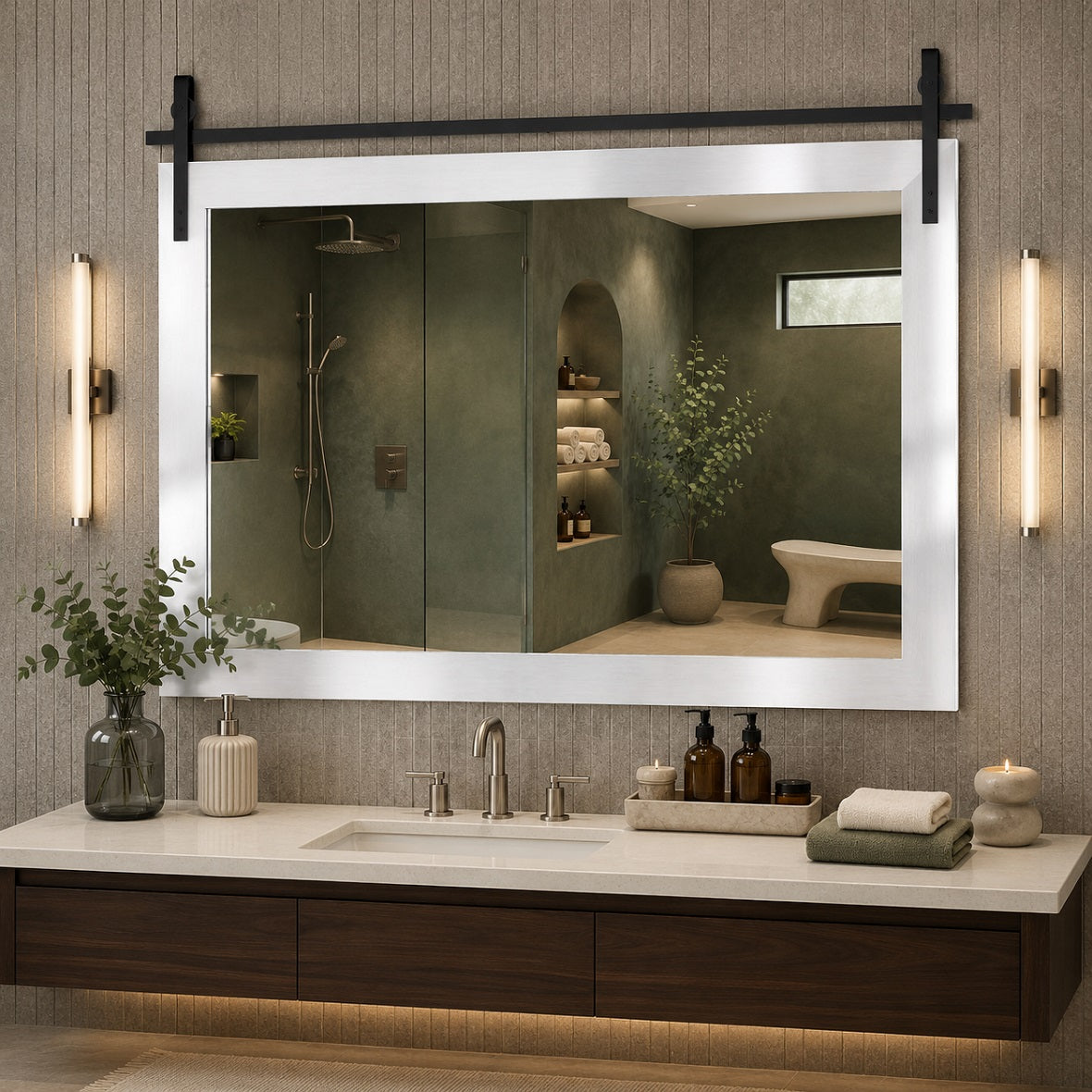
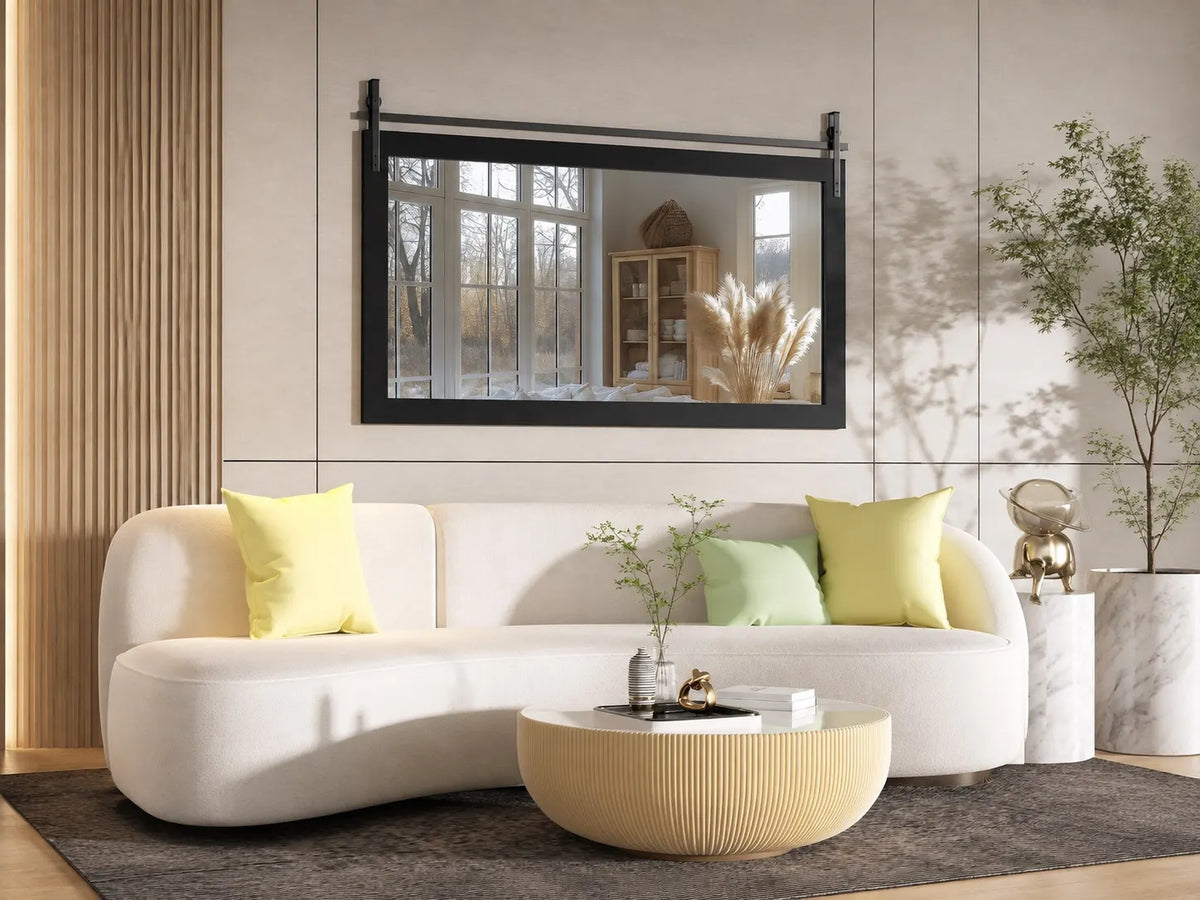
White, cream, sage green, olive, and forest green are useful colors to pair with black mirrors. White and cream make the frame’s outline visible, while green offers a softer or deeper backdrop depending on the shade. Wood tones bring warmth into the arrangement, helping connect the mirror with furniture and flooring.
Picture a white entryway with a wood console and a leafy plant. A black-framed mirror above the table gives the wall a defined shape. Place that mirror against dark green paint, and its border becomes subtler, leaving more attention on the glass and reflected view.
The combination starts with the room you already have. Look at the wall color, the largest wood surfaces, and any green furniture or fabrics you plan to keep. Those details will help you choose a frame that belongs in the setting.
Choose the Right Contrast for Your Black Mirror Frame
Stand in the doorway and look toward the mirror wall. Dark window frames, detailed cabinetry, or a patterned rug may already give the room plenty of definition. A narrow black border can connect with those features while leaving them room to stand out.
In a mostly pale room, a broader frame can become a more noticeable decorative feature. Above a plain white dresser, it may provide much of the detail the wall needs.
Pay attention to the frame’s profile. The width visible from the front determines how much black enters the arrangement. Its depth affects how far the mirror projects from the wall. Two mirrors with similar outside dimensions can look quite different because of those proportions.
Use these palettes as starting points:
| Color combination | Wood direction to explore | Black mirror approach |
|---|---|---|
| Warm white and sage | Pale oak or ash | A slim border with a simple shape |
| Cream and olive | Medium-toned or honey-colored wood | An arch or rectangle with a clear outline |
| White and forest green | Walnut or other darker wood | A restrained frame with an interesting reflected view |
| Crisp white and leafy green | Light wood furniture | A round or oval mirror among straight-edged pieces |
| Deep green and ivory | Wood with visible grain | A larger mirror with space around its border |
Adjust the combination around the surfaces that already occupy most of the room.

Style Black Mirror Frames Against White Walls
A black mirror on a white wall creates an easy-to-see outline. This can help define a wall where pale furniture, light trim, and white paint seem to run together.
The shade of white changes the result.
Warm White With Wood and Texture
Creamy white, ivory, and soft off-white make useful backgrounds for warm wood furniture. Add a black mirror, then consider the textures nearest it.
A woven basket beneath a console, a linen lampshade, or a ceramic bowl can give the arrangement variety. The wood grain may already provide enough pattern, leaving the mirror free to have a simple border.
For an entryway, try a warm white wall, a honey-toned console, and a black rectangular mirror. A green branch in a plain vase can finish the tabletop while leaving space for keys and everyday use.
Compare the actual finishes together. An off-white paint sample may look more yellow beside a bright white countertop or more creamy beside gray-toned wood.
Crisp White With a Stronger Outline
Bright white paint makes a black frame more prominent. It is worth exploring alongside straightforward cabinetry, clean furniture shapes, and relatively little pattern.
Wood introduces another surface to the setting. A pale oak vanity beneath a black mirror gives a white bathroom more texture. In a living room, a wood sideboard can serve the same purpose.
Start with the dark details already present. The mirror may connect with a curtain rod, chair legs, or a door handle. Add further black accessories only when they improve the arrangement.
Pair Black Mirror Frames With Wood Furniture
A black mirror with wood furniture gives you room to work with several finishes. The floor, dresser, and shelving may have slightly different tones; choosing a black frame avoids introducing another wood stain to coordinate.
Look at the largest wood surface first.
Pale oak and ash create a clear difference between the furniture and the dark border. Try a slim frame above a cabinet with fluted doors or pronounced grain so those details remain visible. A wider border can suit a simpler piece that needs more presence on the wall.
Honey-toned and reddish wood bring warmer colors into the room. Hold green fabric or paint samples beside the furniture before choosing them. Olive can continue that warmer direction, while a cooler sage may create a more distinct change in color.
Walnut and deeply stained wood can gather a lot of darkness beneath a black frame. A pale wall, white countertop, or light-colored lamp can help separate the shapes. View the arrangement with the room’s usual evening lighting, when the wood and frame may appear closer in tone.
Frame material also matters. Black-painted wood may have molding, visible texture, or a substantial border. Black-finished metal can have a finer profile. Compare the construction and close-up details along with the color.
Hasipu’s framed mirror guide explains the material and size details to consider as you narrow the options.
Choose Green Shades That Suit the Room
Green can surround the mirror as wall paint, sit beneath it on a vanity, or appear elsewhere through upholstery and curtains. Its position affects how much color you see around the frame.
A green wall creates a continuous backdrop. A green chair introduces a separate shape. Foliage may appear both beside the mirror and inside its reflection.
Sage Green for a Softer Palette
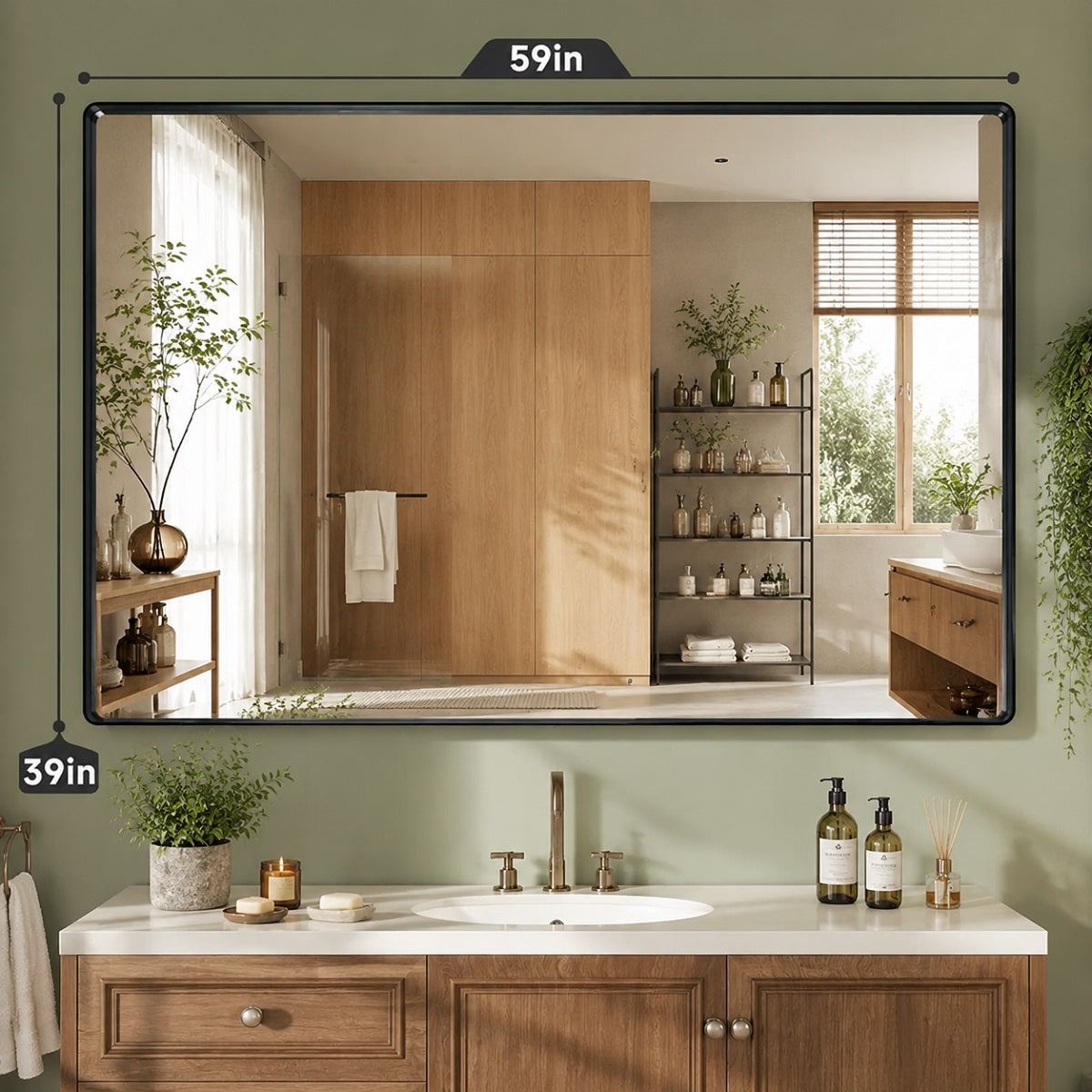
For a black mirror in a sage green bathroom, try a narrow border with a pale wood vanity and a white countertop. The frame gives the glass a defined edge while the larger surfaces remain relatively light.
Sage shades vary. Some look gray, others warmer, and some take on a cooler appearance under the room’s lighting. Compare a sample beside the vanity and countertop during the day and in the evening.
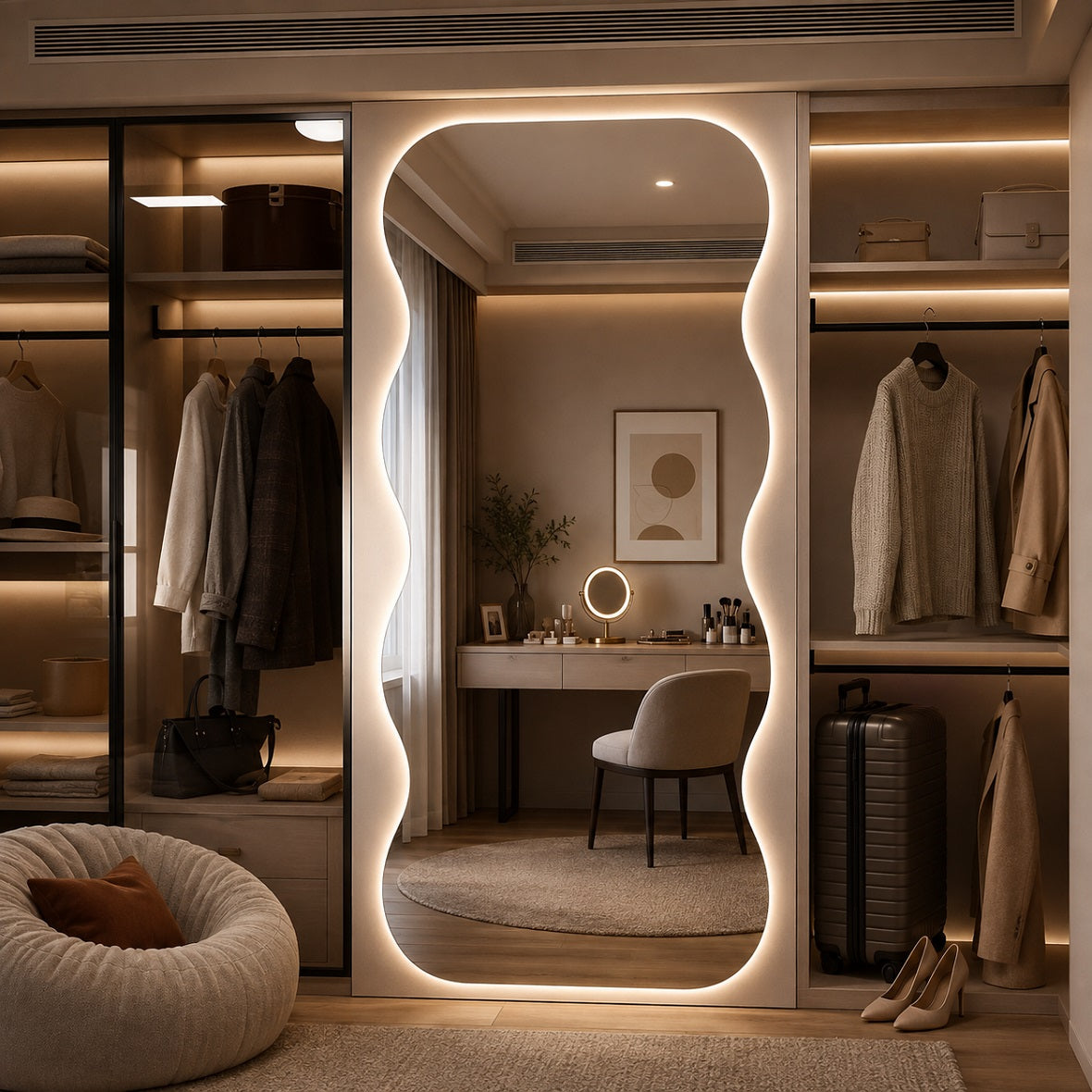
In a bedroom, sage curtains or bedding can provide the color. A black full-length mirror near a wood dresser then introduces a dark outline among the softer fabrics.
Olive Green With Warmer Materials
Olive is a useful shade to explore alongside cream, warm wood, woven textures, and brown leather.
Try an olive chair near a wood sideboard with a black mirror above it. Keep the tabletop fairly open so the furniture, frame, and fabric each remain visible. A plain light-colored lampshade can add another small surface to the mix.
Compare olive accessories in person when possible. A cushion and a vase may both be described as olive yet contain different yellow, brown, or gray notes.
The green pieces can vary in shade. Look for a relationship you enjoy rather than an exact match.

Forest Green and Dark Emerald
Against a dark green wall, a black border may become less noticeable, especially after sunset. The glass can still make a clear feature through what it reflects.
This gives the reflected view more responsibility in the arrangement. White curtains, lighter furniture, or an open view into the next room can provide variation within the dark wall.
Forest green also works as an accent in a lighter setting. A deep green chair reflected in a mirror can bring color to a white living room while leaving most of the walls pale.
Look at both the frame and the view inside it before deciding that the combination needs more accessories.
Bring the Palette Into Everyday Rooms
White, wood, green, and black can appear in different proportions throughout the home. Give the main furniture and wall surfaces priority, then use smaller pieces to connect the colors.
Bathroom: Work Around the Vanity and Lights
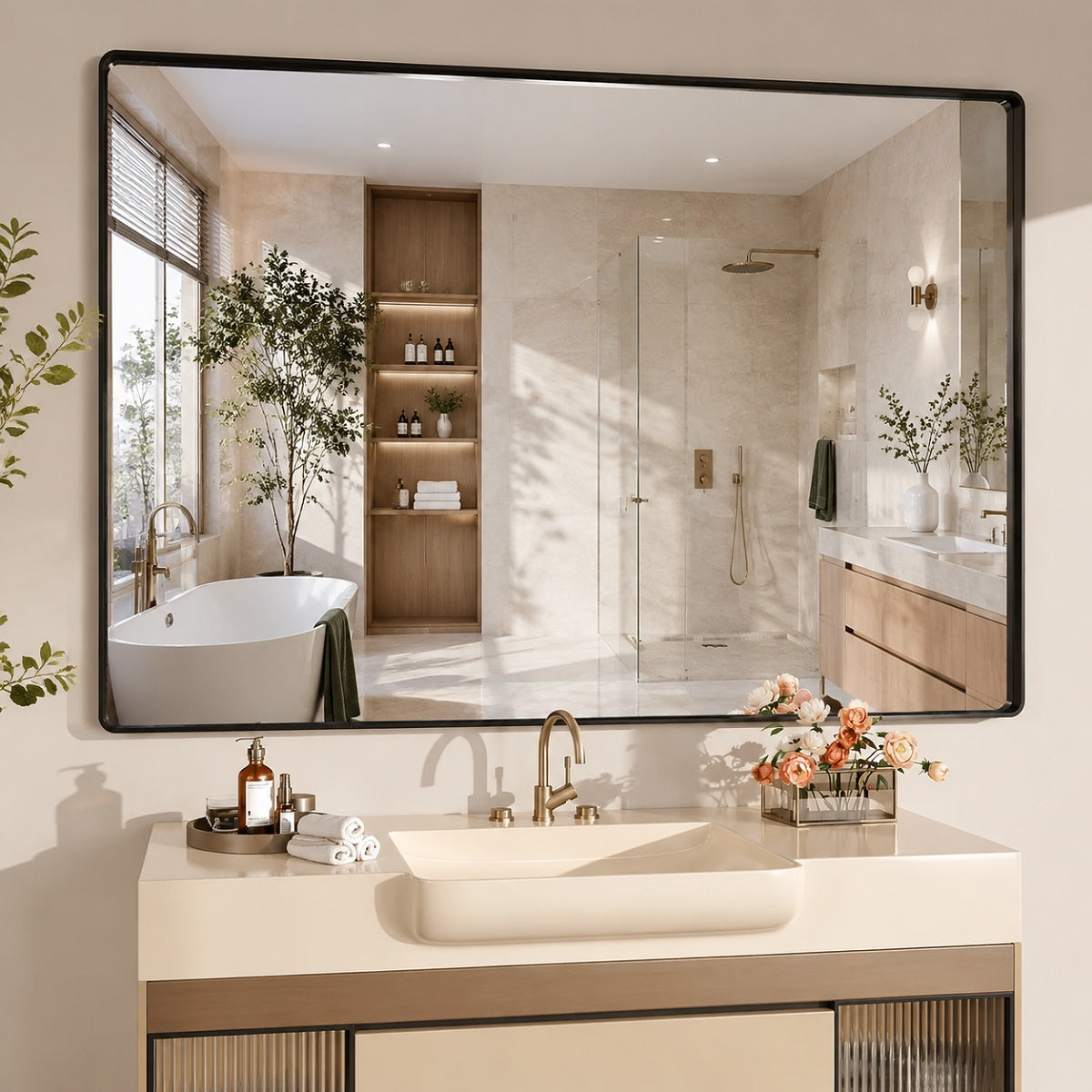
Choose a black bathroom mirror with the sink, faucet, backsplash, and lighting in view.
A wood vanity, white countertop, and sage tile already establish much of the palette. A simple black frame can define the reflection without adding much further decoration.
Allow space for sconces and other fixtures. A substantial border may take up more of the available wall than expected, particularly above a narrow vanity.
Black can also sit alongside brass or brushed nickel. Compare the whole vanity area rather than making the mirror decision from the faucet alone. Confirm that the selected model suits the bathroom location and follow its installation and care guidance.
Entryway: Keep the Console Useful
A mirror above a wood console should leave room for daily routines.
Try a round or arched shape with a white bowl for keys and a green detail toward one side. A small plant, artwork, or patterned runner may provide enough color for the area.
View the mirror from the front door. A crowded coat rack or shoe storage may become a large part of its reflection. Moving those items slightly can improve the appearance of the entire entryway.
Keep taller decorative objects toward the edges so someone can still use the glass before leaving.
Living Room: Connect With the Seating
White upholstery, a wood coffee table, and a green chair create a useful foundation for a black mirror.
Above a sideboard, the frame might connect with dark furniture legs or a nearby fireplace opening. Leave some open surface beneath it to make the arrangement easier to read from across the room.
Sit in the usual seats and look at the glass. The view from the couch may include a bright lamp, television, or doorway that is less obvious while standing.
Green upholstery reflected from elsewhere in the room may supply all the color the mirror wall needs.
Bedroom: Make Room for Dressing
White bedding, a wood dresser, and green curtains can work with a black full-length mirror.
Place the mirror where there is enough room to stand comfortably and check an outfit. Include open dresser drawers and closet doors when considering the location.
A simple border can connect with a bedside lamp or drawer hardware. The fabrics and wood grain can provide the remaining detail.
Use the setup specified for the chosen model, including any required fixings or restraints.
Pick a Shape and Finish That Fit the Setting
The mirror’s shape changes how its black outline relates to nearby furniture.
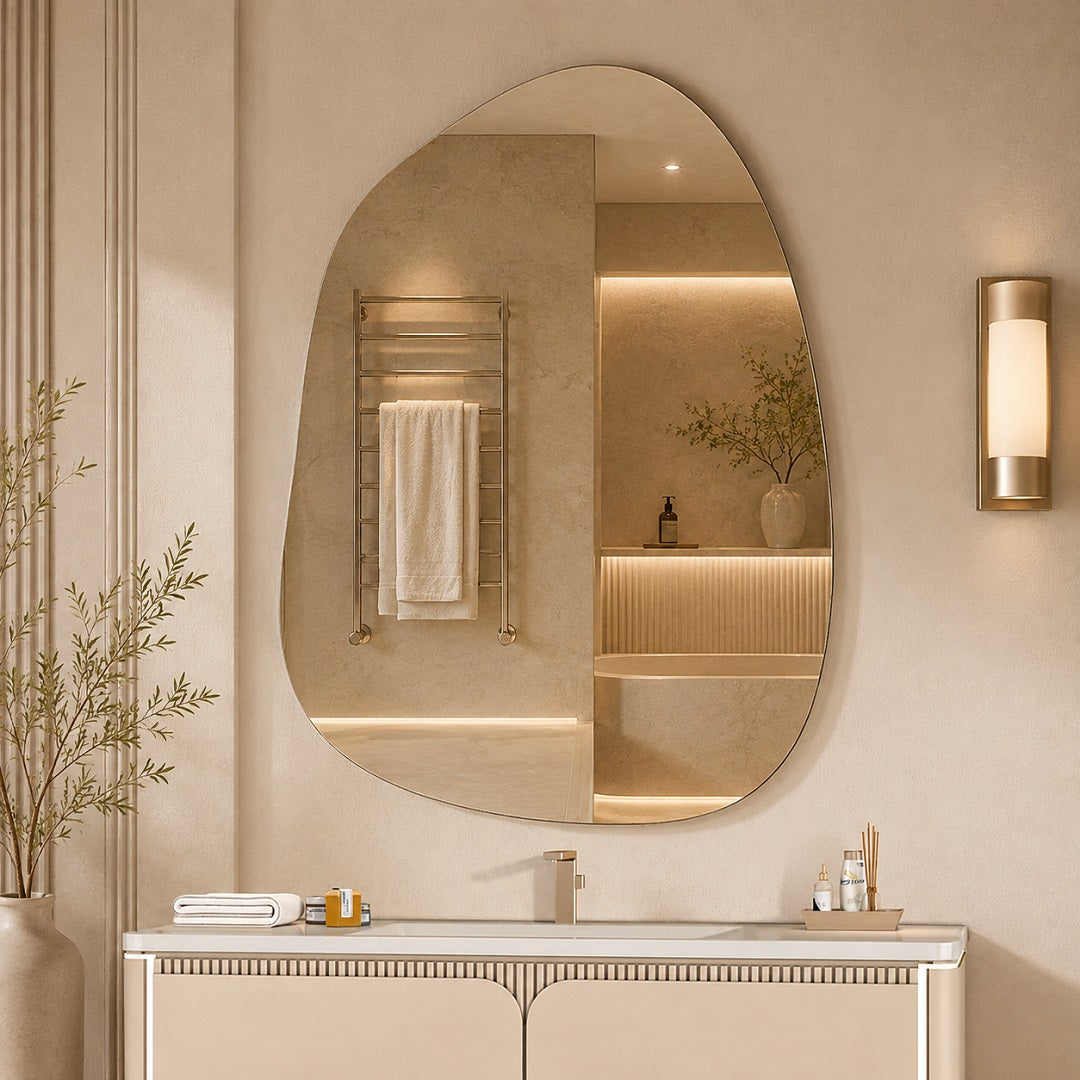
A round mirror introduces a curve above a rectangular vanity or cabinet. It is useful to compare in rooms filled with straight lines, such as tile grids, shelving, and door trim.
An arch keeps straight sides while changing the upper edge. Above a console, it can give the wall a different silhouette from the furniture below.
A rectangle follows the lines of cabinetry and paneling. A horizontal format may suit a wide sideboard, while a vertical format may fit a narrower wall.
Hasipu’s guide to the benefits of round mirrors offers more ideas for using a curved shape.
Look at the finish separately. Matte black presents fewer visible highlights than a glossy surface. Compare it with nearby hardware and lighting to decide how much surface variation you want.
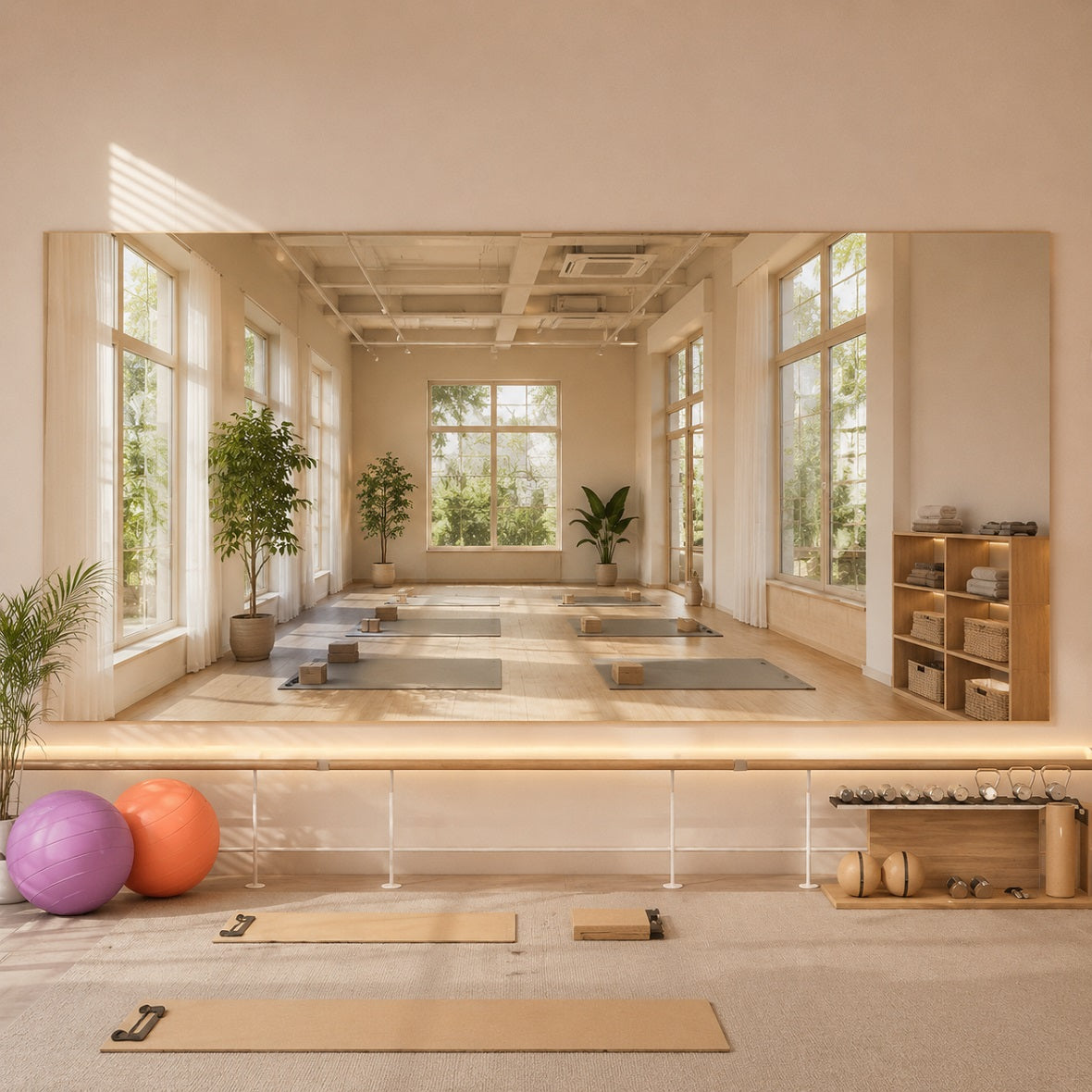
For size, include both the outside frame and the usable glass area. A broad border occupies wall space while leaving less room for the reflection.
Decorate With Black Mirrors and Green Accents
Green textiles and everyday objects can connect the palette through pieces you already use.
In an entryway, a green ceramic dish can sit on a wood console. In a bedroom, a quilt with a muted botanical pattern may bring color into the reflection. Olive hand towels can add a small green detail beside a white bathroom countertop.
Vary the shades gently. A sage cushion and darker green artwork can share a room, with white fabric or wood surfaces between them. That variation gives the space a less coordinated appearance than matching every accessory.
Leave room around the mirror’s outline. A plant positioned to the side lets you see the frame clearly. Tall foliage placed directly in front of the glass can interrupt both the shape and the useful view.
Start with a few pieces, then assess the room from a distance. The color may already appear in more places than you noticed up close.
Let the Reflection Carry Part of the Palette
Whatever appears inside the mirror becomes part of the wall’s appearance.
A view of wood furniture can repeat a material used elsewhere. Green curtains or upholstery can bring accent color into the arrangement. White trim or a pale lampshade can create a lighter shape within the glass.
Think about the view from the positions you use most often. A mirror above a dining room sideboard may look different from a seated position than from the doorway.
A mirror reflects available light, so its location deserves attention. A bright fixture reflected at eye level can be distracting even when the frame and wall colors work well together.
For further placement ideas, explore Hasipu’s guide to where to put a large mirror.

Choose a Mirror That Works With What You Have
The wood grain of a favorite dresser, white curtains, or a green chair can give you a useful starting point. Build around those pieces, then decide how much presence you want the black frame to have.
A narrow border can sit quietly among the room’s finishes. A broader one can become a decorative feature on a plain wall. Shape, size, and the reflected view help determine which direction fits.
Explore Hasipu framed mirrors with your existing room in mind. Choose a mirror that fits comfortably, offers a useful view, and connects with the colors you enjoy living with.
Frequently Asked Questions
1. What Wall Colors Look Good With Black Mirrors?
White, cream, sage, olive, and deep green are useful shades to explore. Lighter walls make the frame’s outline more visible. Darker green can make the border subtler, placing more attention on the glass and reflection.
2. Can a Black Mirror Work Above a Wood Vanity?
Yes. Compare the wood’s tone and grain with the width of the frame. A slim border can leave detailed cabinetry more visible. Above dark wood, a pale countertop or lighter wall space can help separate the mirror from the furniture.
3. Can I Mix a Black Mirror With Brass or Chrome?
Yes. Look at the finishes as part of the complete room. Brass or chrome can remain in the faucet and lighting while black appears in the mirror. An existing dark detail elsewhere may help connect the frame with the setting.
4. How Can I Add Green Without Repainting?
Try curtains, upholstery, bedding, artwork, towels, or a plant suited to the room. Look inside the mirror before adding several accessories: a green object across the room may already have a noticeable place in the reflection.