Table of Contents
A room can have the right paint color, a comfortable sofa, and good lighting—and still feel a little stiff. Look around, and the reason may be all those straight lines: windows, shelves, doorways, cabinets, picture frames.
A round mirror gives your eye a different shape to land on.
The benefits of round mirrors include softening angular interiors, creating a focal point, and combining everyday function with wall decor. Like other mirrors, they can also reflect available light and make a room appear more open. Their distinctive advantage is the curved outline, which changes how a wall arrangement feels.
Here’s where that shape earns its place—and what to check before you hang one.
1. They Break Up Too Many Straight Lines
Picture a bathroom with rectangular subway tile, a boxy vanity, and a straight-edged countertop. Another rectangle above the sink repeats the same geometry. A round bathroom mirror introduces a curve without asking you to change anything else.
That contrast can make the room feel less rigid. It’s especially useful when you like your existing furniture but want the space to look a little softer.
The same idea works above a rectangular dresser or beside tall, angular shelving. You don’t need to add circles everywhere. A single curved piece gives the surrounding straight lines something to contrast with.
2. A Round Mirror Gives a Bare Wall a Focal Point
An empty wall above a console can tempt you into buying several small decorations. Then comes the problem of arranging them.
A generously sized round mirror can anchor the whole area, making decorating with mirrors a practical way to give a bare wall some character. Its continuous outline reads as a single, clear shape, so the wall needs less help from smaller accessories.
Try this entryway arrangement: center the mirror over the console, place a low tray beneath it for keys, and add a lamp toward one end. Keep the opposite end fairly open. The mirror does most of the visual work, while the tabletop stays useful.
Scale matters more than piling on accessories. A tiny mirror over a wide console may look disconnected, even with several objects around it. Before buying more decor, test a larger paper circle on the wall.

3. They Can Help a Room Feel More Open
A mirror adds a reflected view where you would otherwise see a solid surface. In a compact entryway or living room, that extra view can create a sense of depth.
Round mirrors leave the corners of their surrounding wall area exposed. That can suit a small wall where you want some reflection without covering nearly the entire surface.
There’s a practical limit, though: round mirrors don’t automatically make rooms look bigger than rectangular mirrors. Size, placement, and the reflected scene all affect the result.
A mirror facing an open doorway may extend the view. The same mirror facing an overloaded coat rack repeats the clutter. Stand where you normally enter or sit and check what the reflection would show from that position.
4. They Reflect Available Light
A decorative round mirror can reflect a bright window or a well-lit part of the room, helping the space appear brighter from certain viewpoints.
This benefit belongs to mirrors generally, rather than to the circular shape. An unlit mirror doesn’t produce light, and it won’t solve a poorly lit room on its own.
Before choosing a location, look at it in daylight and again with the evening lights on. A reflection that looks lovely in the morning might show a glaring bare bulb at night.
Try positioning the mirror where it catches a pleasant, bright view without sending an uncomfortable reflection toward the sofa or dining chairs. The useful question is simple: does the room look better from where you actually spend time?
5. They Combine Decoration With Daily Use
Some wall decor is there purely to look good. A mirror earns its space every time you check your hair, straighten a collar, or put on earrings.
That makes a round entryway mirror especially useful near the door. It adds a finishing touch to the room and gives you somewhere to check your appearance before leaving.
Above a dresser, a circular mirror can support a simple getting-ready area. Leave enough clear reflection for your face and shoulders rather than letting tall bottles or decorative branches block the center.
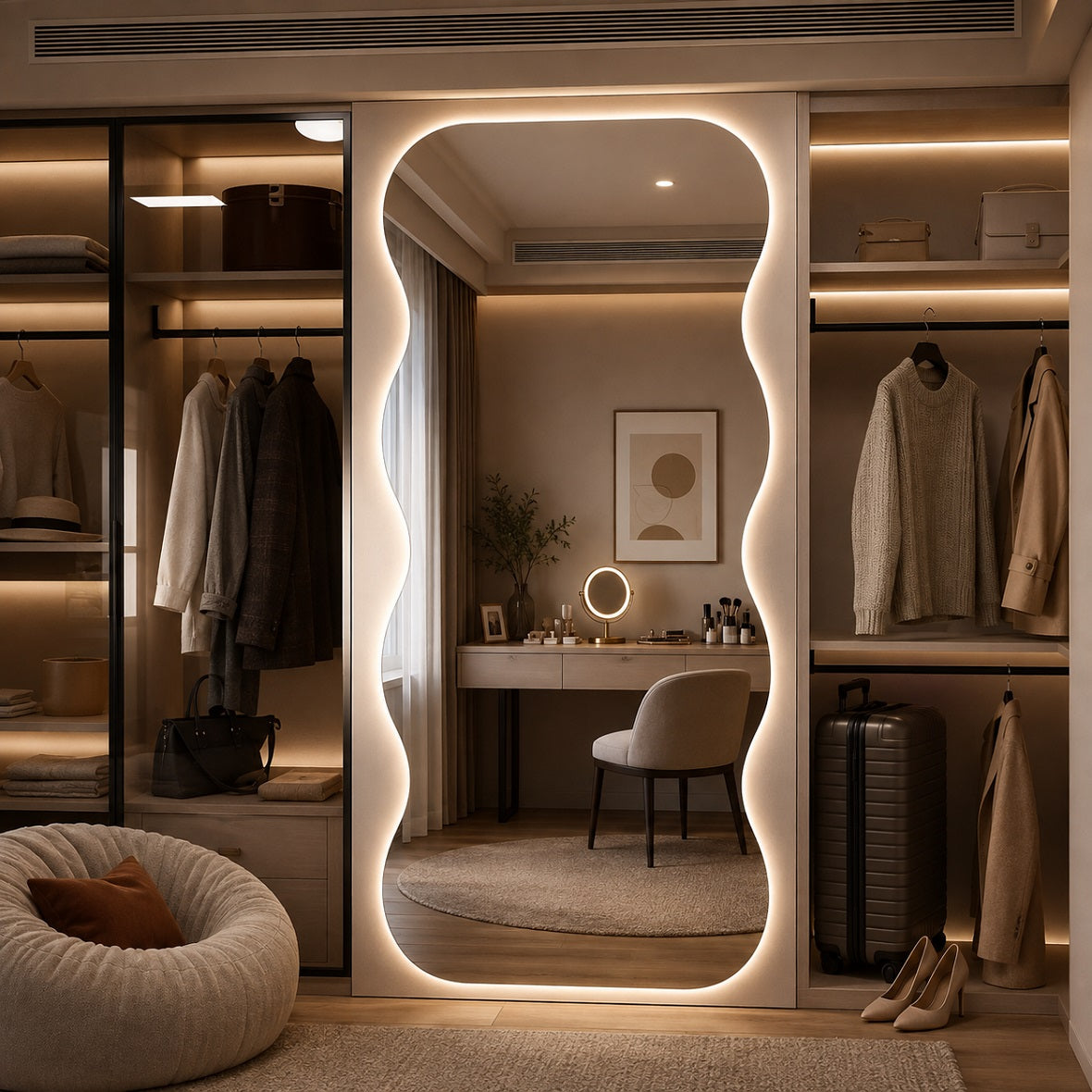
For full-outfit checks, a full-length mirror is usually the more practical choice. A decorative circle and a tall dressing mirror serve different needs.
6. The Frame Can Connect Different Parts of a Room
The outline gives you the curve; the frame helps decide how it belongs in the room.
A slim black frame can echo dark cabinet pulls or lamp bases. A warm wood frame can connect with a dresser or woven furniture. A gold-toned finish can add a warm accent, while a frameless design keeps attention on the reflection and surrounding wall.
Matching every finish exactly isn’t necessary. Repeating a color or material somewhere else in the room can be enough to make the choice feel considered.
When browsing Hasipu’s framed mirrors, start with the space you’re furnishing, then compare the listed dimensions, finish, and mounting requirements. Check the individual model’s details for bathroom suitability or lighting features; the shape alone tells you neither.
Where Does a Round Mirror Work Best?
Use the room’s daily routine to guide placement.
| Location | What a round mirror adds | What to check |
|---|---|---|
| Entryway | A focal point and a quick appearance check | The reflected view and clearance from opening doors |
| Single-sink bathroom | Curved contrast against tile and cabinetry | Usable reflection height, faucet clearance, and lighting |
| Living room | A decorative anchor above a console or sideboard | What seated viewers see in the reflection |
| Bedroom | A useful mirror above a dresser | Whether you also need a full-length view |
| Dining room | Reflections of light and room details | Glare from pendants or exposed bulbs |
In a double-sink bathroom, two round mirrors can give each sink its own visual center. Make sure both users have enough usable reflection and that the arrangement works with the light fixtures. A wide rectangular mirror may be better when continuous coverage matters more.

How to Choose the Right Size
Choosing the right mirror size starts with measuring the furniture below it and the clear wall area around it. Remember that a round mirror’s diameter determines both its width and its height.
For a console or dresser, roughly two-thirds to three-quarters of the furniture’s width can be a useful starting point for a paper mockup. Treat that as a styling suggestion, not a fixed installation rule.
For example, above a 48-inch console, you could compare 32-inch and 36-inch paper circles. Step back and look at each from the doorway. Add the approximate outline of your lamp or other tall accessories to see whether the arrangement feels crowded.
Bathroom sizing needs another check: can the people using the sink see themselves comfortably? A circle narrows toward the top and bottom, so the widest measurement doesn’t describe the usable reflection at every height.
Before committing, confirm:
- The listing’s measurement includes the frame or clearly states otherwise.
- The mirror clears faucets, backsplashes, switches, and light fixtures.
- The mounting system is suitable for the wall and the mirror’s weight.
- The frame leaves enough reflective glass for your daily routine.
Follow the model’s installation instructions when hanging it.
Round vs. Rectangular Mirrors: Which Should You Choose?
Choose a round mirror when your main goal is to introduce curves, create a decorative focal point, or balance angular furniture.
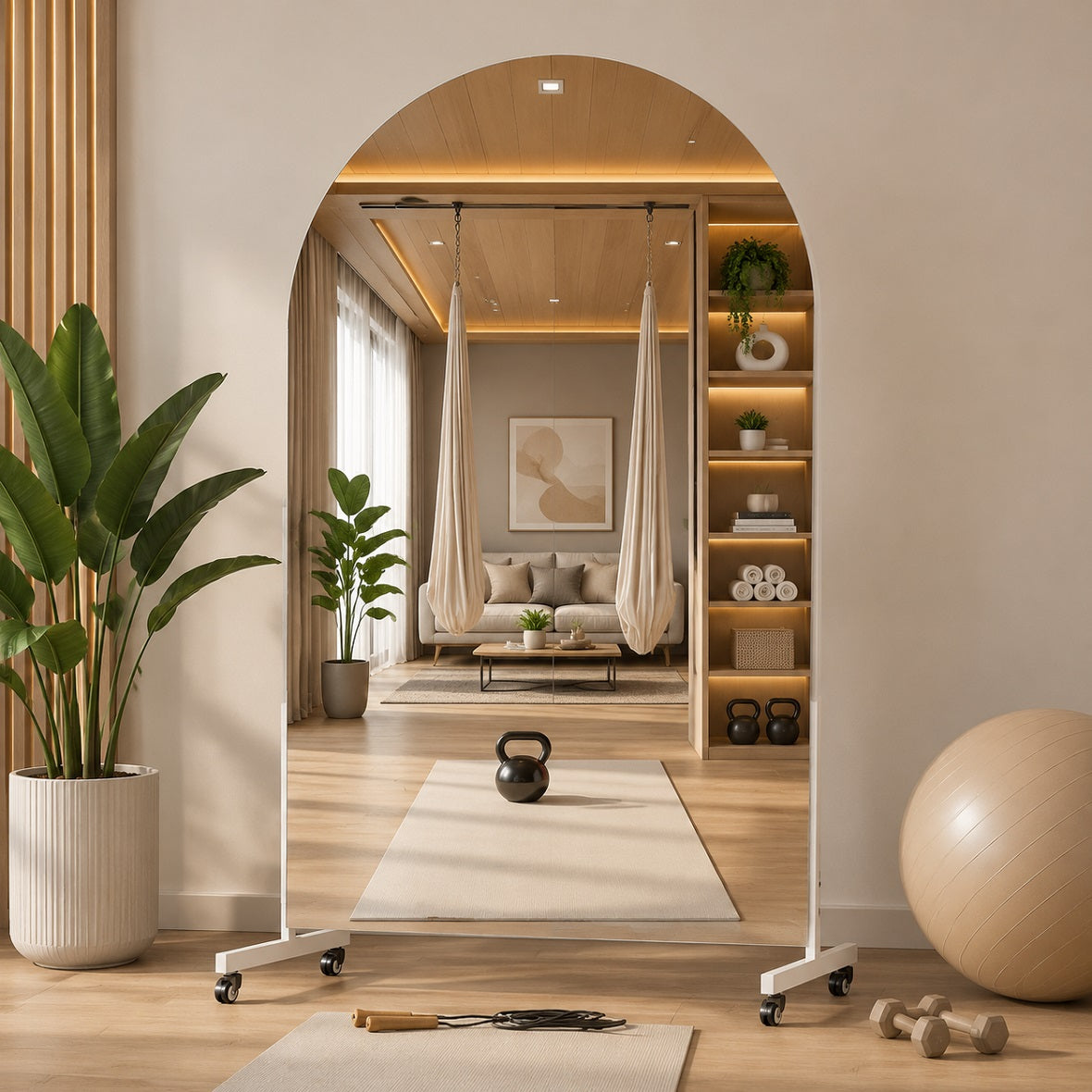
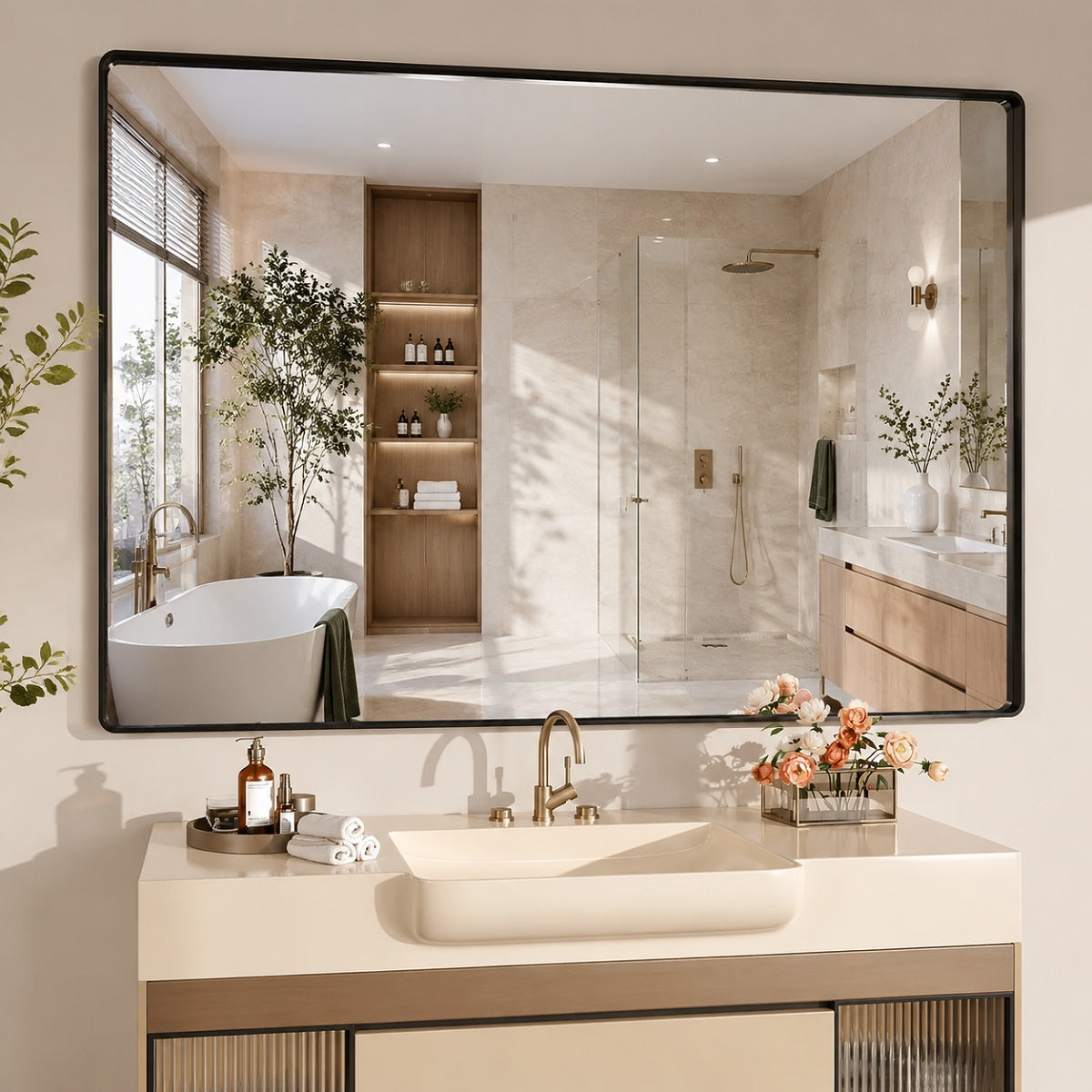
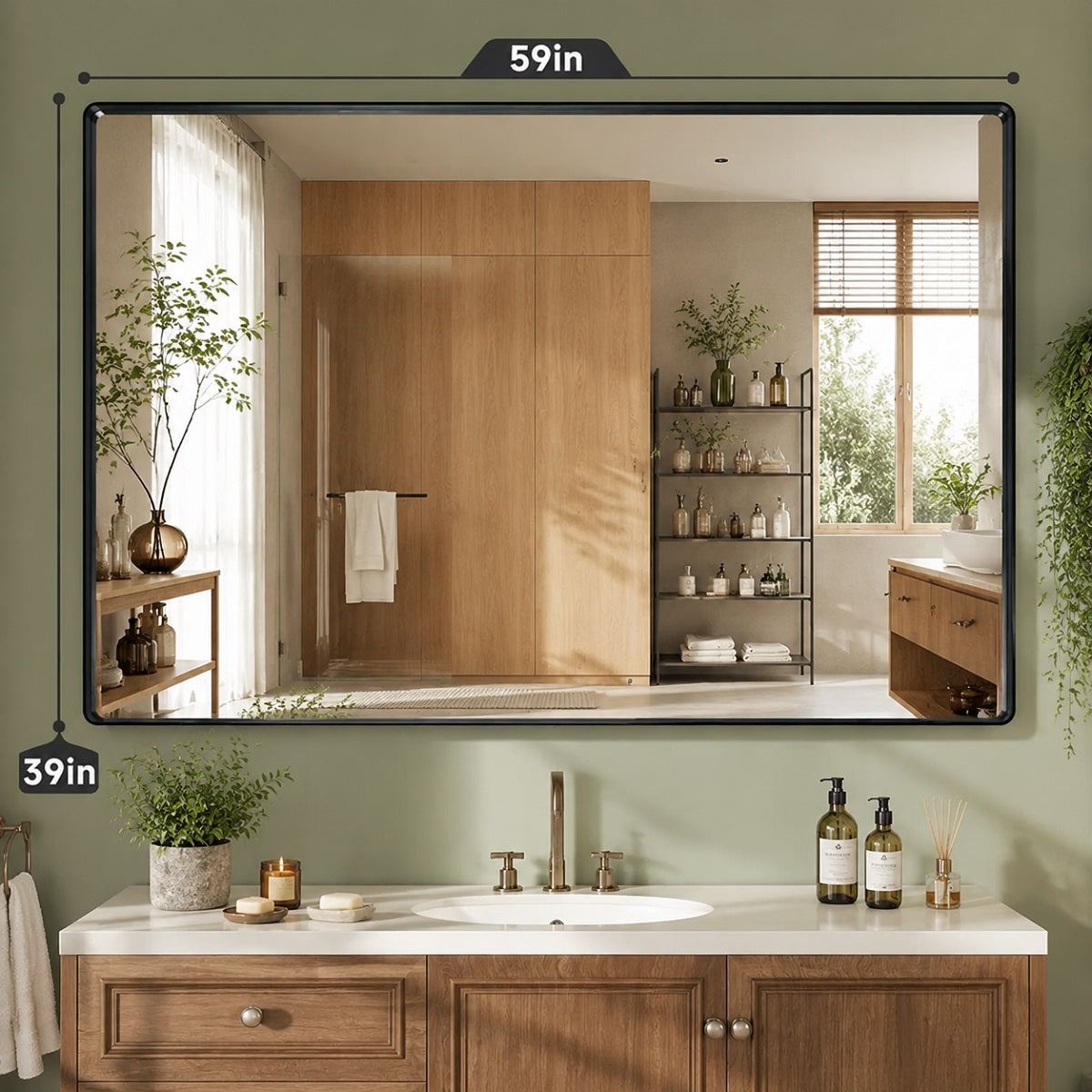
Choose a rectangular mirror when you want broad, continuous reflection or a tall view for dressing. For the same overall width and height, a circle has less area than a rectangle, so it won’t provide identical coverage.
Neither shape is automatically better. Let the task decide how much reflection you need, then use the shape to support the room’s style.
Final Thoughts
A round mirror can give an angular room a softer look, bring an empty wall into focus, and add a useful reflection to your daily routine. The best result starts with a clear purpose: a quick check by the door, a comfortable view above the sink, or a decorative anchor over a dresser.
Before choosing a Hasipu mirror, measure the wall, try a paper template, and check the reflected view. Those few minutes can help you find a mirror that feels right in the room every day.
Frequently Asked Questions
1. Are round mirrors good for small rooms?
Yes, provided the size and placement suit the room. They can add reflected depth while leaving some surrounding wall visible. Check the reflected view first; repeating clutter won’t help a small space feel calmer.
2. Can you use a round mirror in a bathroom?
Yes. Choose a model suitable for the intended bathroom conditions, and check its care and installation instructions. Position it around the users’ viewing needs and the existing fixtures.
3. Do round mirrors give a more flattering reflection?
A circular outline doesn’t make a flat mirror more flattering. Lighting, glass quality, and viewing distance affect what you see. Shape mainly changes the mirror’s appearance on the wall.
4. Where should you avoid hanging a round mirror?
Reconsider a spot that reflects clutter, produces distracting glare, interferes with a door, or cannot support the required mounting hardware. Above a sink, avoid a placement that looks balanced but cuts off the reflection people need.