
Table of Contents
An LED mirror is often used more than people realize. It helps brighten a bathroom in the morning, makes makeup application easier, and adds a cleaner look to bedrooms, dressing areas, and other spaces around the home.
A well-made LED mirror can last between 30,000 and 50,000 hours, which can provide many years of daily use. The actual LED mirror lifespan depends on the quality of the LED lighting, the mirror’s construction, where it is installed, and how it is cared for over time.
For homeowners planning a bathroom upgrade or looking for a reliable lighted vanity mirror, knowing what affects durability can make it easier to choose a mirror that continues to look and work well for years.
How Long Do LED Mirrors Usually Last?
Most modern LED mirrors are designed for long-term performance and reliable everyday use. Unlike traditional bulbs that may suddenly burn out, LED lighting usually becomes gradually dimmer as the components age.
A mirror rated for 50,000 hours of use does not mean the lights will stop working once they reach that number. Instead, the brightness may slowly decrease over time as the LED components naturally wear.
Daily usage plays a role in how long an LED mirror lasts. A mirror used for about two hours each day can provide many years of dependable lighting. A bathroom mirror may experience more stress because of humidity, steam, and frequent use, while a vanity mirror used occasionally in a bedroom or dressing area may maintain its lighting performance for even longer.
The overall quality of the mirror also affects durability. A well-designed LED bathroom mirror with reliable electrical components, durable materials, and proper protection will usually deliver more consistent performance than a low-cost mirror with lower-quality parts.

1. LED Quality Determines Lighting Performance
High-quality LEDs are designed to maintain stable brightness, accurate color, and consistent illumination for thousands of hours. Lower-quality lighting systems may experience problems sooner, such as flickering, uneven brightness, or changes in light color.
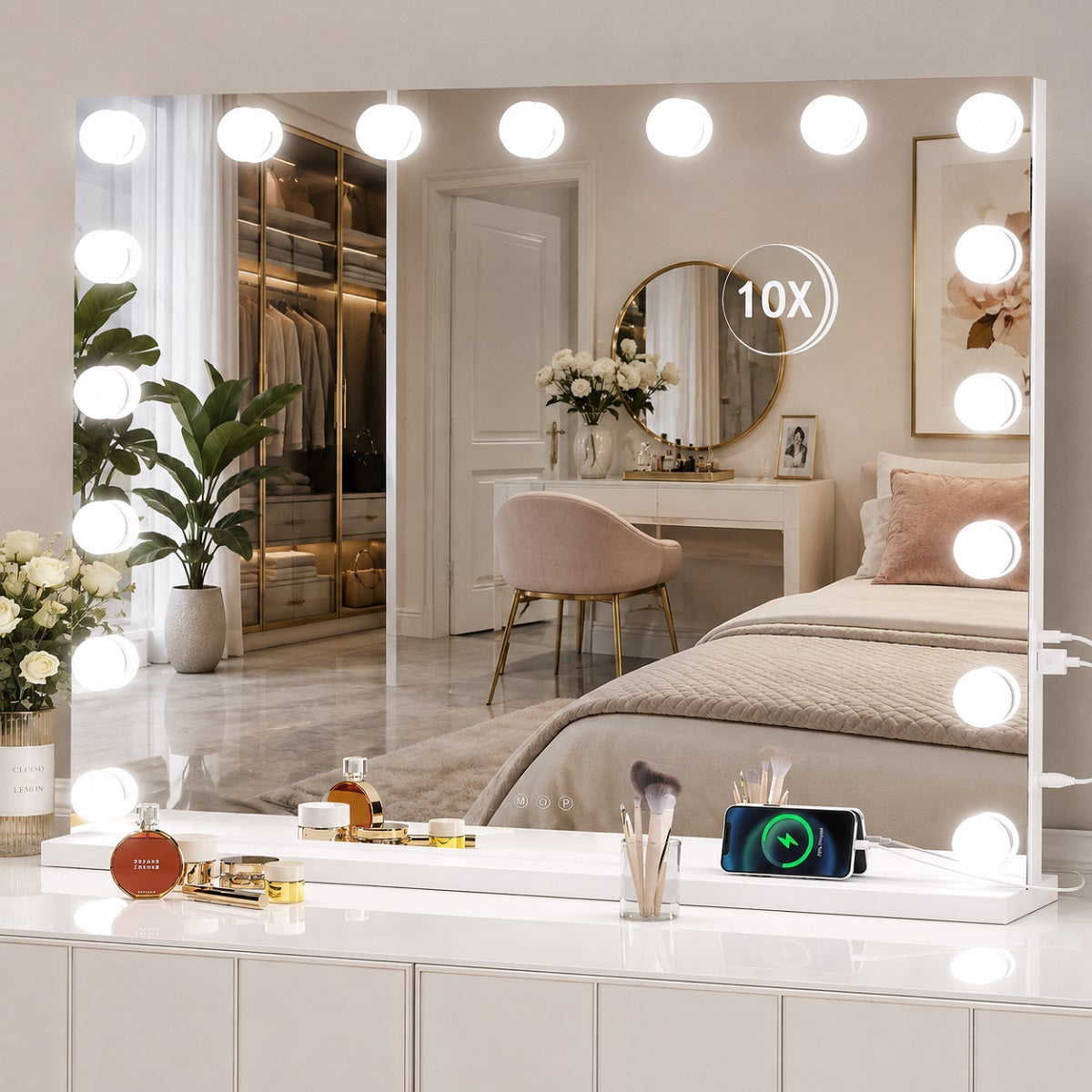
For a lighted vanity mirror, consistent lighting matters because it affects everyday activities like makeup application, grooming, and skincare. Uneven lighting can create shadows or make it harder to see details clearly.
The quality of the LED system is also connected to energy efficiency. Better components can provide comfortable lighting while using power more effectively, making the mirror a practical addition to modern homes.
When shopping for an LED mirror, the appearance of the frame and glass is only part of the picture. The lighting technology behind the mirror is what supports long-term performance.
2. Daily Usage Habits Affect LED Mirror Lifespan
LED lights are known for their long service life, but operating time still matters. Every LED system has a rated number of working hours, and frequent use will naturally bring the mirror closer to that limit.
A vanity mirror used during a daily beauty routine may have fewer operating hours than a bathroom mirror used throughout the day. The difference in usage patterns can affect how quickly the lighting system ages.
Simple habits can help maintain performance. Turning the lights off after use and selecting a brightness level that matches your needs can reduce unnecessary operating time.
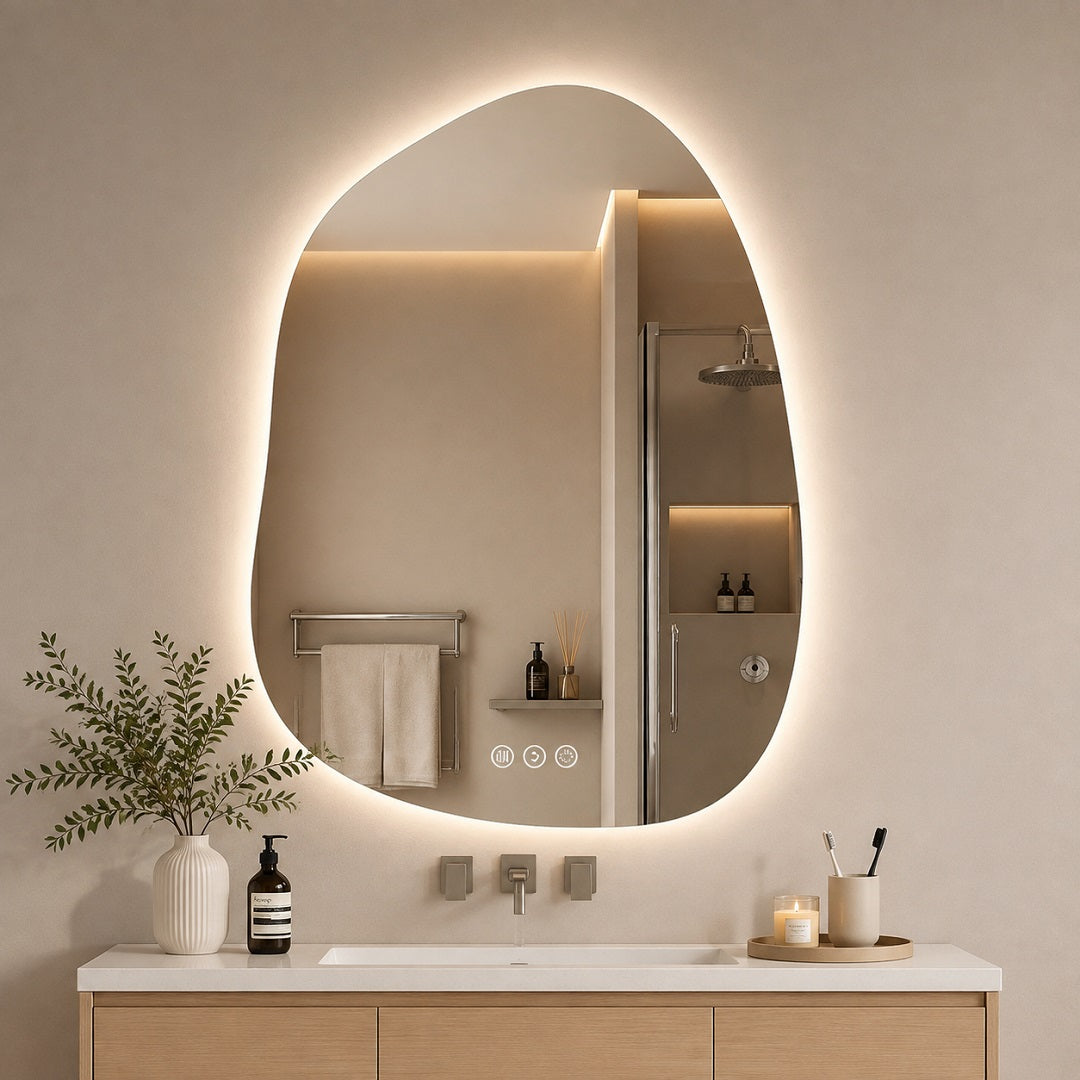
Many modern smart LED mirrors also include touch controls, adjustable brightness, and memory settings. These features make it easier to manage lighting without leaving the mirror running longer than needed.
3. Mirror Construction Affects Long-Term Durability
The glass, backing materials, electrical components, and overall design all contribute to how well the mirror performs over time.
A durable mirror is built to handle regular daily use while protecting the internal lighting system. The quality of the electrical connections is especially important because unstable components may affect lighting consistency.
This matters even more in areas such as bathrooms, where mirrors are exposed to moisture and changing temperatures. A reliable bathroom mirror with lights should combine strong construction with lighting designed for everyday conditions.
The frame and mounting design also influence durability. A well-constructed mirror can maintain its appearance and function while reducing the chance of issues caused by everyday wear.
4. The Installation Environment Can Impact Lifespan
Bathrooms are a popular location for LED mirrors because they provide better lighting for grooming and personal care. At the same time, bathrooms create a more demanding environment because of humidity, steam, and frequent temperature changes.
A mirror designed for bathroom use should be built with moisture-resistant features that help protect internal components. Proper ventilation can also help reduce excessive moisture around the mirror.
For bedrooms, dressing rooms, and entryways, the environment is usually less challenging. These spaces often allow mirrors to operate under more stable conditions, which can support longer-lasting performance.
Matching the mirror to the room is an important part of getting the best experience from your purchase.