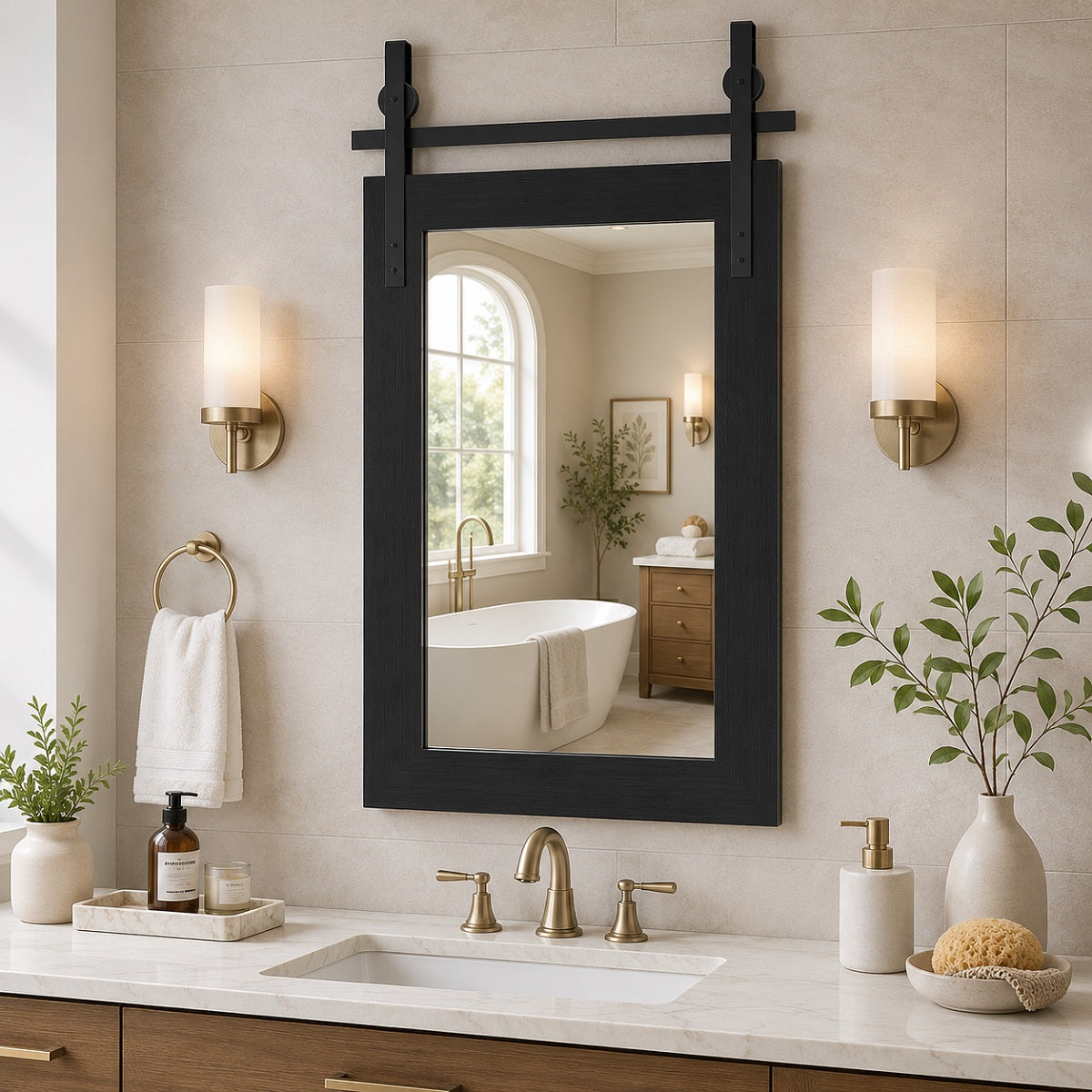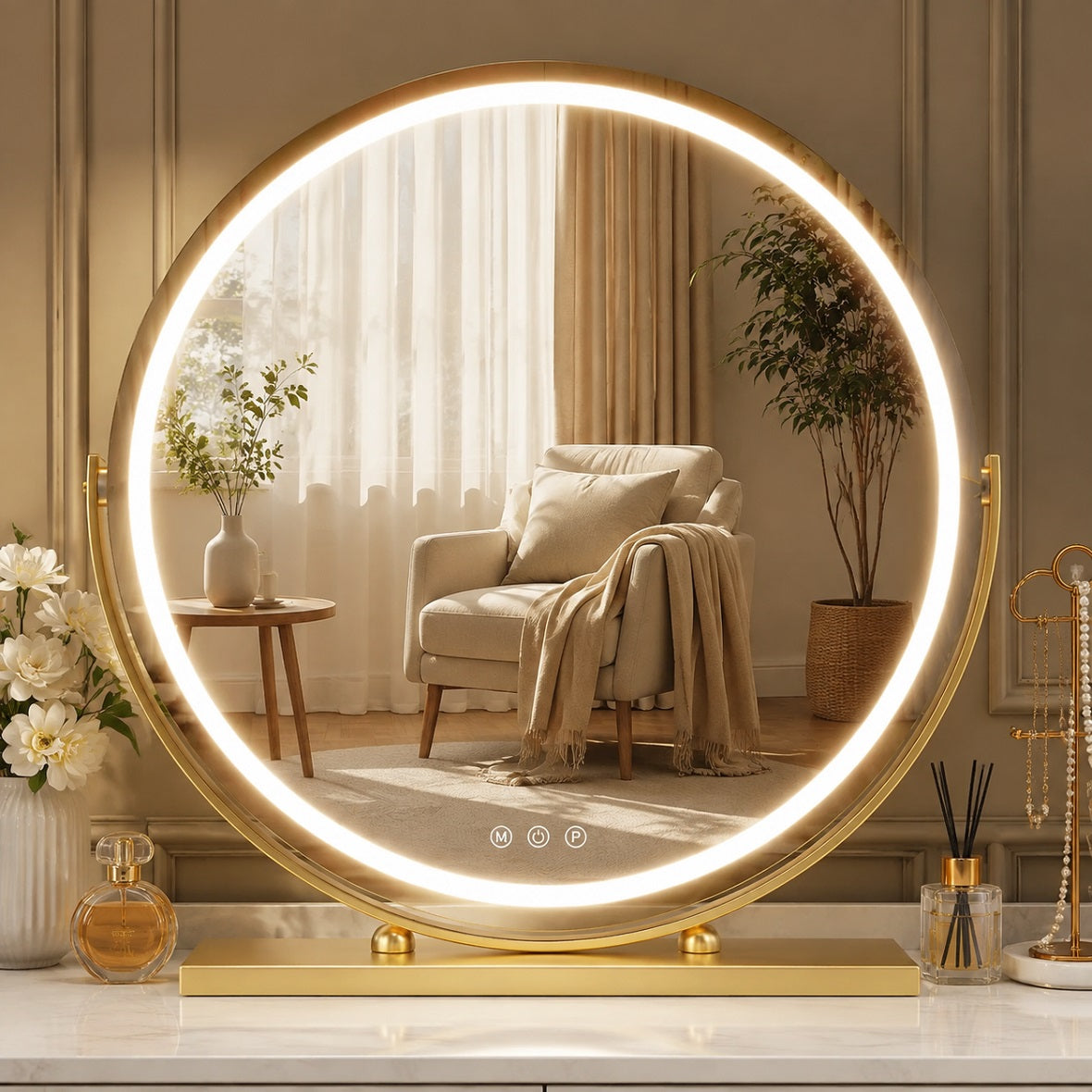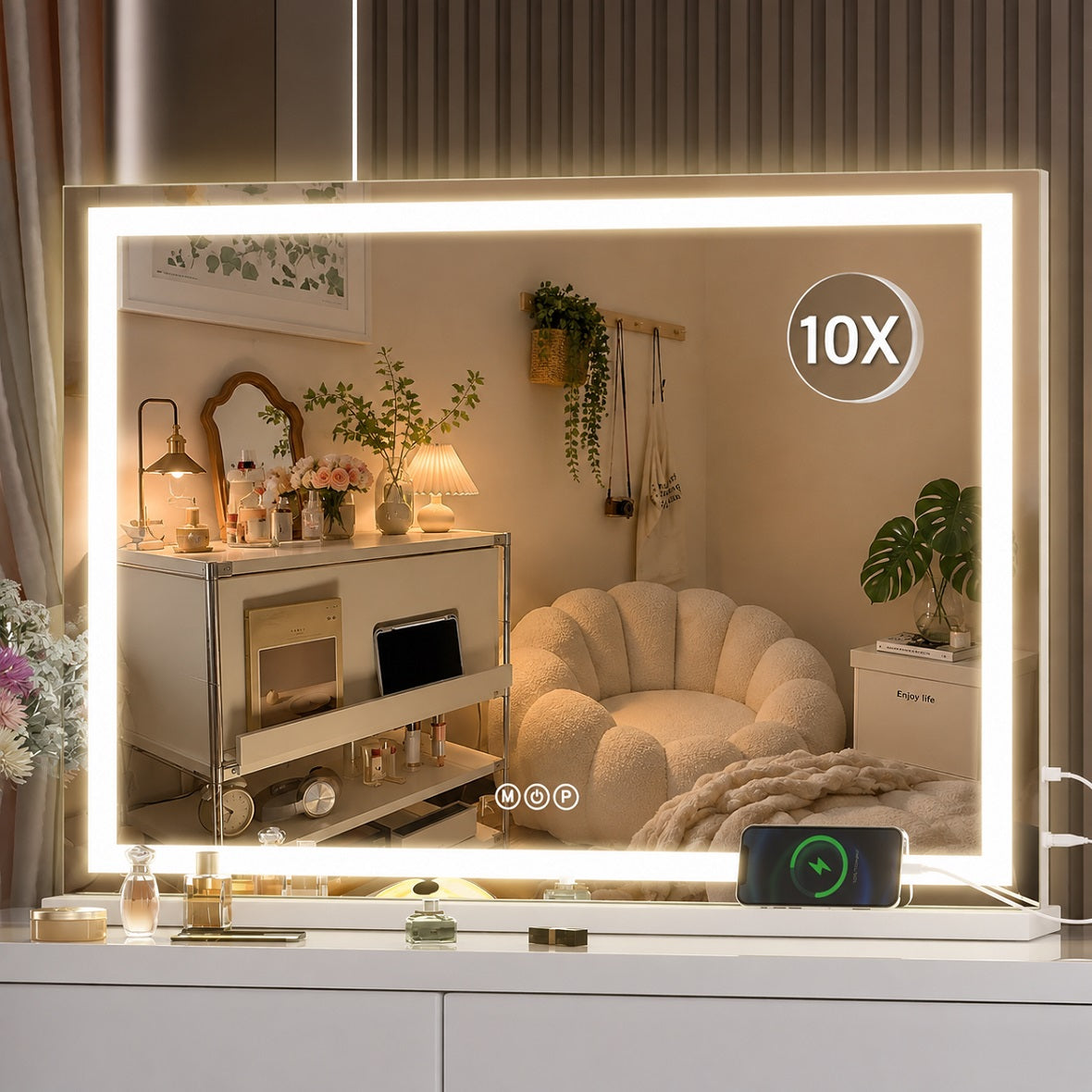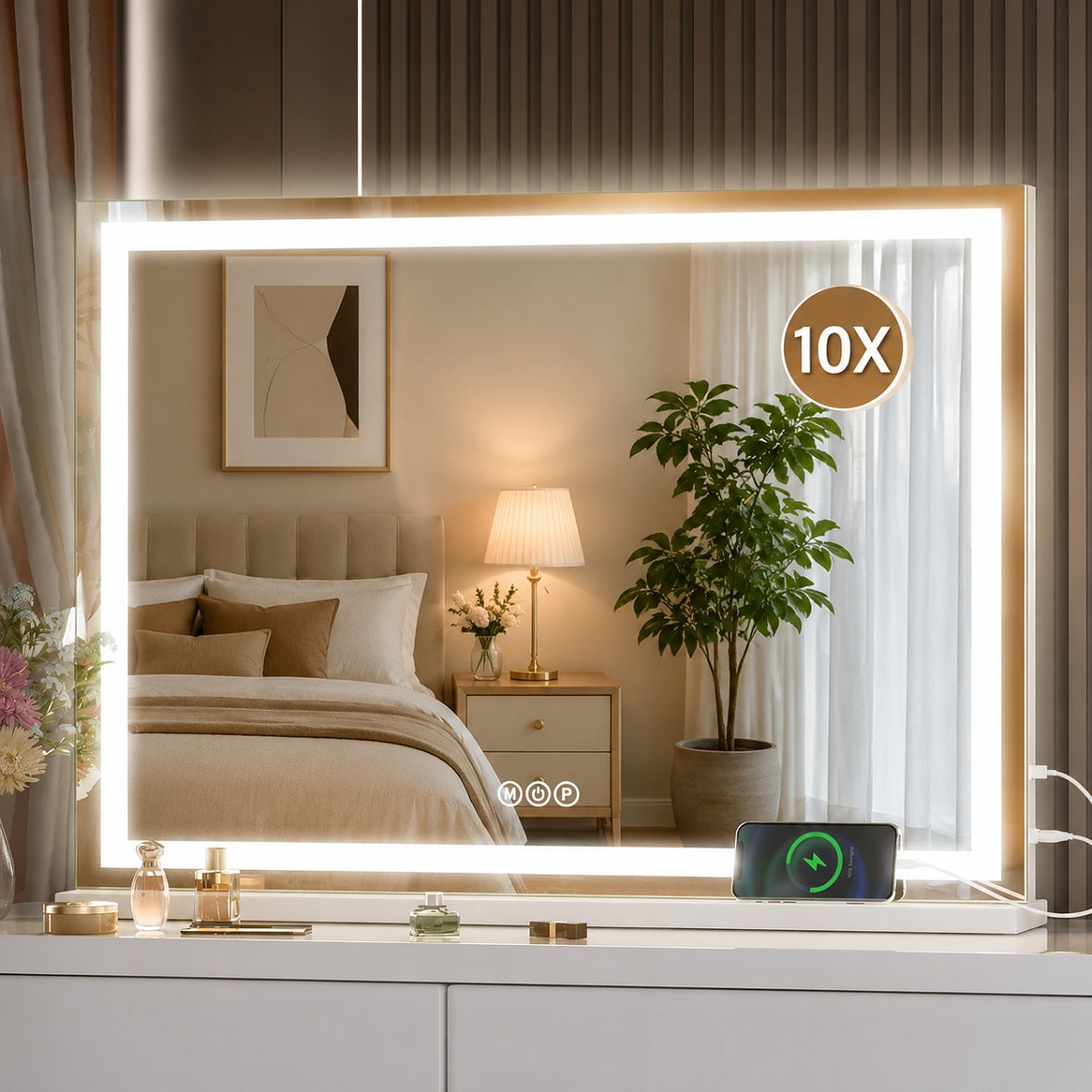



A smart mirror combines a reflective surface with electronic features beyond a basic light switch. Depending on the model, those features may include touch controls, sensors, digital displays, speakers, clocks, connectivity, memory settings, or automated lighting.
Which Features Make a Mirror “Smart”?
There is no single industry feature list that every smart mirror must include. One product may use the term for app-controlled lighting, while another may show time, weather, or other information behind partially reflective glass. Some models add Bluetooth audio, motion activation, USB charging, or anti-fog control.
Because the label covers many different products, buyers should read the specifications rather than assume that a smart mirror includes a screen, voice control, or internet connection.
How Are the Electronics Integrated?
Controls and displays are usually placed behind or within the mirror assembly. A touch sensor can respond through the glass, while a display may remain subtle when switched off. Internal drivers and circuit boards manage lighting and other powered components.
Some functions operate locally and require no account or network connection. Connected features may depend on an app, wireless standard, compatible device, or ongoing software support. If a mirror includes a camera, microphone, or cloud-connected service, its privacy controls and permissions deserve separate review.
What Should You Check Before Buying?
Identify which functions you will actually use, then confirm how they are controlled and powered. Review installation requirements, wall space, software compatibility where relevant, speaker or display placement, and what happens when power is disconnected. For bathroom models, follow the stated location and electrical requirements.
A smart label should not replace clear specifications. The most useful model is the one whose features fit the room and routine without making basic mirror functions harder to use.
Explore Hasipu LED Mirrors