Table of Contents
In feng shui-inspired decorating, mirrors are used to invite good luck by reflecting things associated with abundance, growth, and a welcoming home. A dining table, a healthy plant, or a pleasant outdoor view can become part of that reflection. These associations are symbolic beliefs; a mirror cannot guarantee wealth or change your future.
The useful question is what you want to see more of at home.
Perhaps your entryway feels cramped, or your dining area looks a little bare. Thoughtful feng shui mirror placement can give you a meaningful starting point for decorating those spaces. This Hasipu guide pairs common feng shui ideas with practical ways to choose a spot you'll enjoy every day.
Harnessing Feng Shui Principles with Mirrors
Feng shui considers how your surroundings support daily life. In some schools, mirrors in feng shui represent the water element, which is associated with wisdom and introspection. Their reflective surface offers a way to introduce that symbolism without adding a fountain or another water feature.
Intention also plays a role in these traditions. Before choosing a mirror, think about what you would like the room to support: quieter mornings, a warmer welcome, or more time together. That gives your decorating choices a purpose.
For example, a mirror that brings a garden view into a reading corner can become a reminder to slow down and enjoy the outdoors. Near a gathering space, a reflection of a favorite piece of art might carry a more personal meaning. Choose something you connect with instead of filling the room with objects labeled lucky.
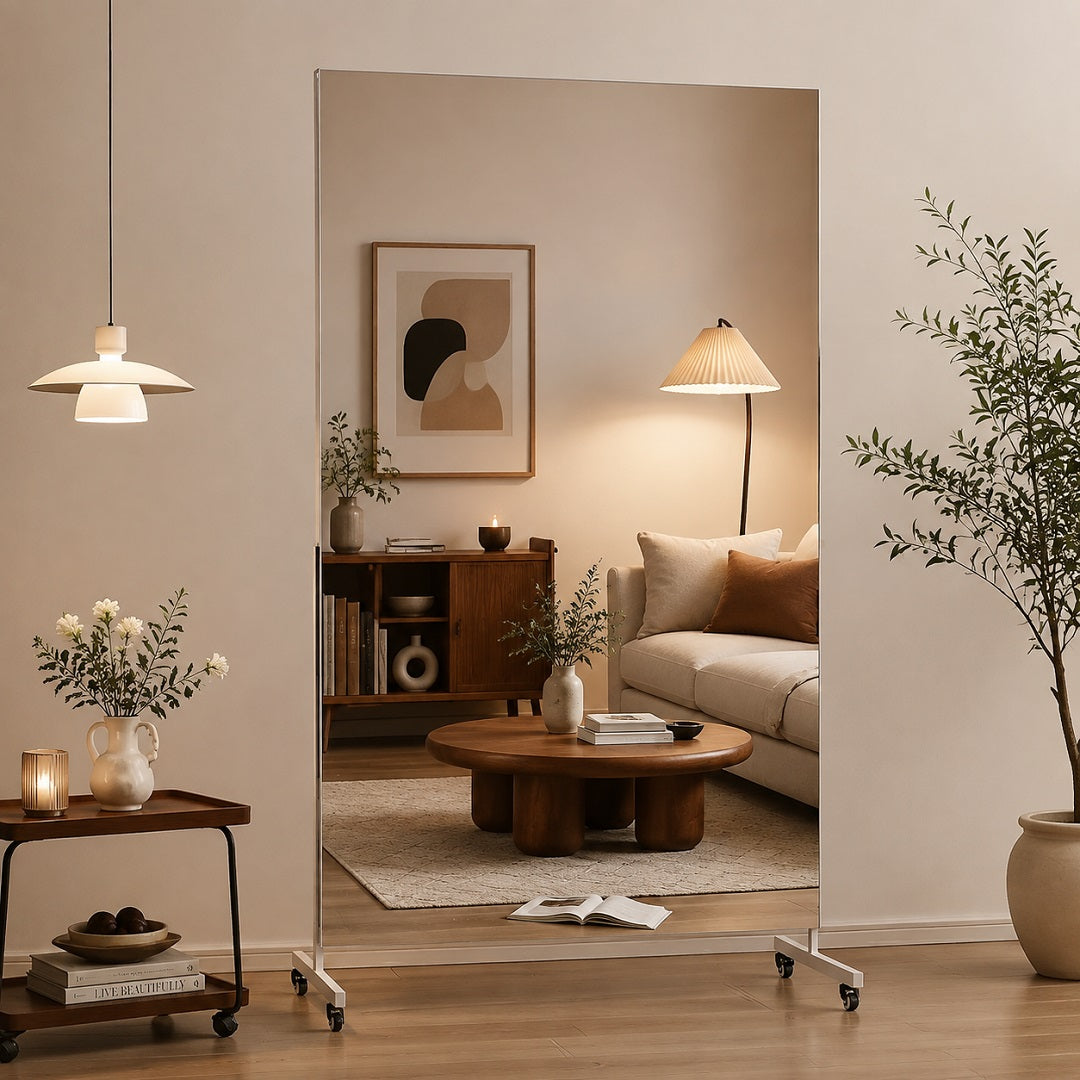
Balance matters in the finished arrangement. Leave enough open wall around the mirror to appreciate its shape, and notice how the reflection sits alongside nearby furnishings. A single thoughtfully chosen mirror may feel more comfortable than several competing reflections.
When choosing a Hasipu mirror, let that intention guide the style and location. The symbolism can be personal; the mirror should still feel at home in your space.

The Application of Mirrors
Mirrors can influence the overall feel of a home and serve a useful purpose in the moments you spend there each day. Both roles help connect feng shui-inspired decorating with the way a room actually works.
The Application of Mirrors in Architecture
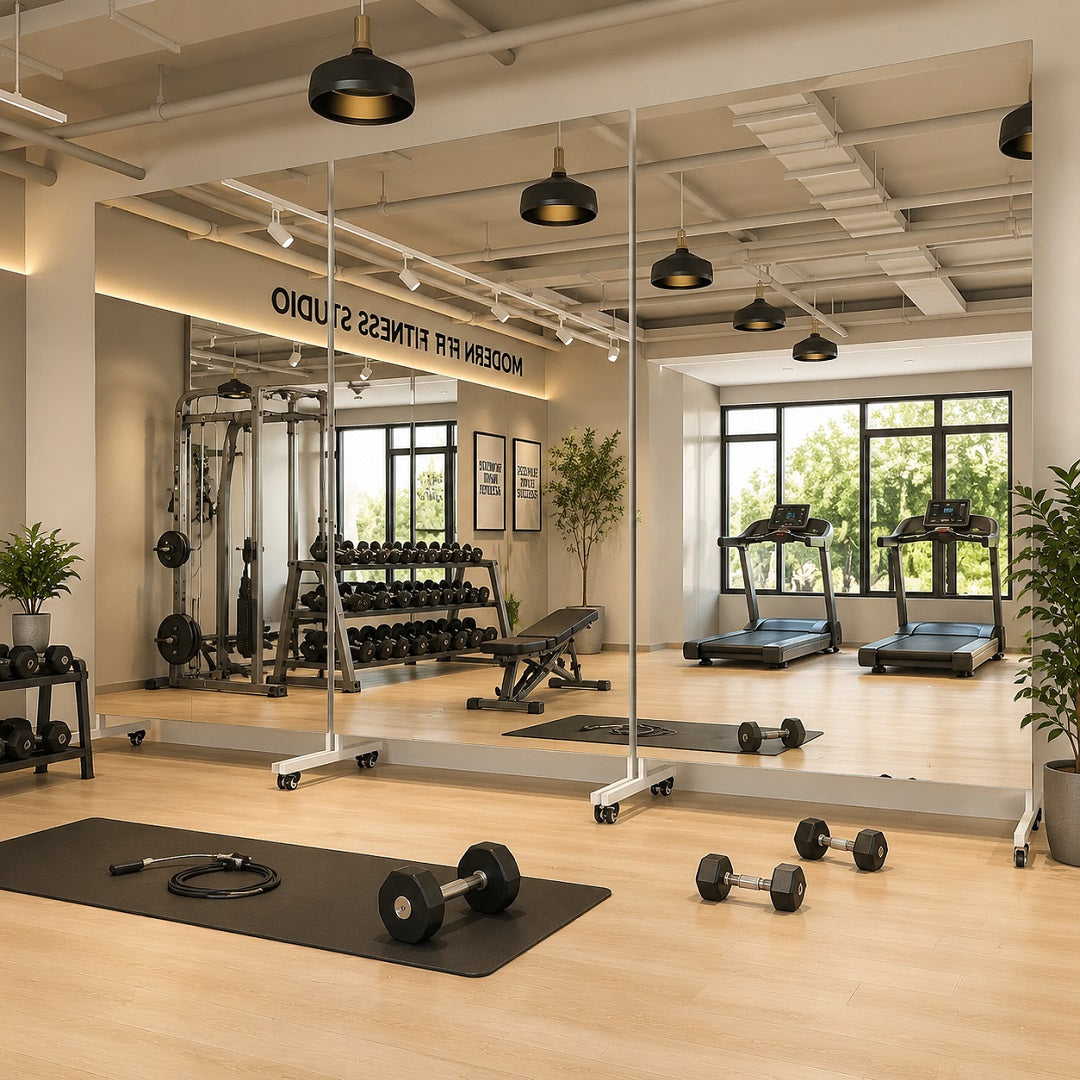
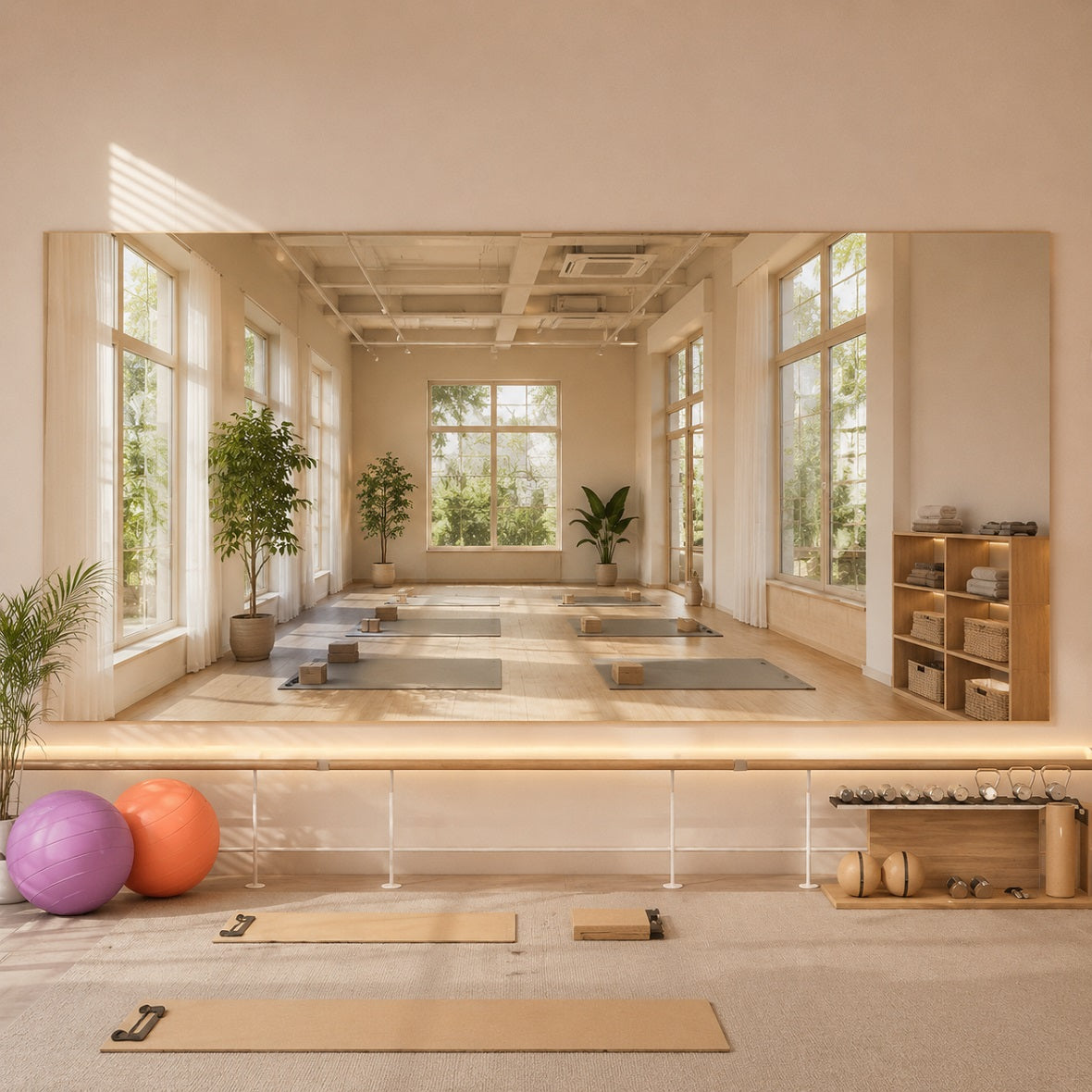
In interior architecture, mirrors can add apparent depth and redistribute available light. A reflective wall can make a compact room seem to extend beyond its physical boundary, although the room's dimensions remain the same.
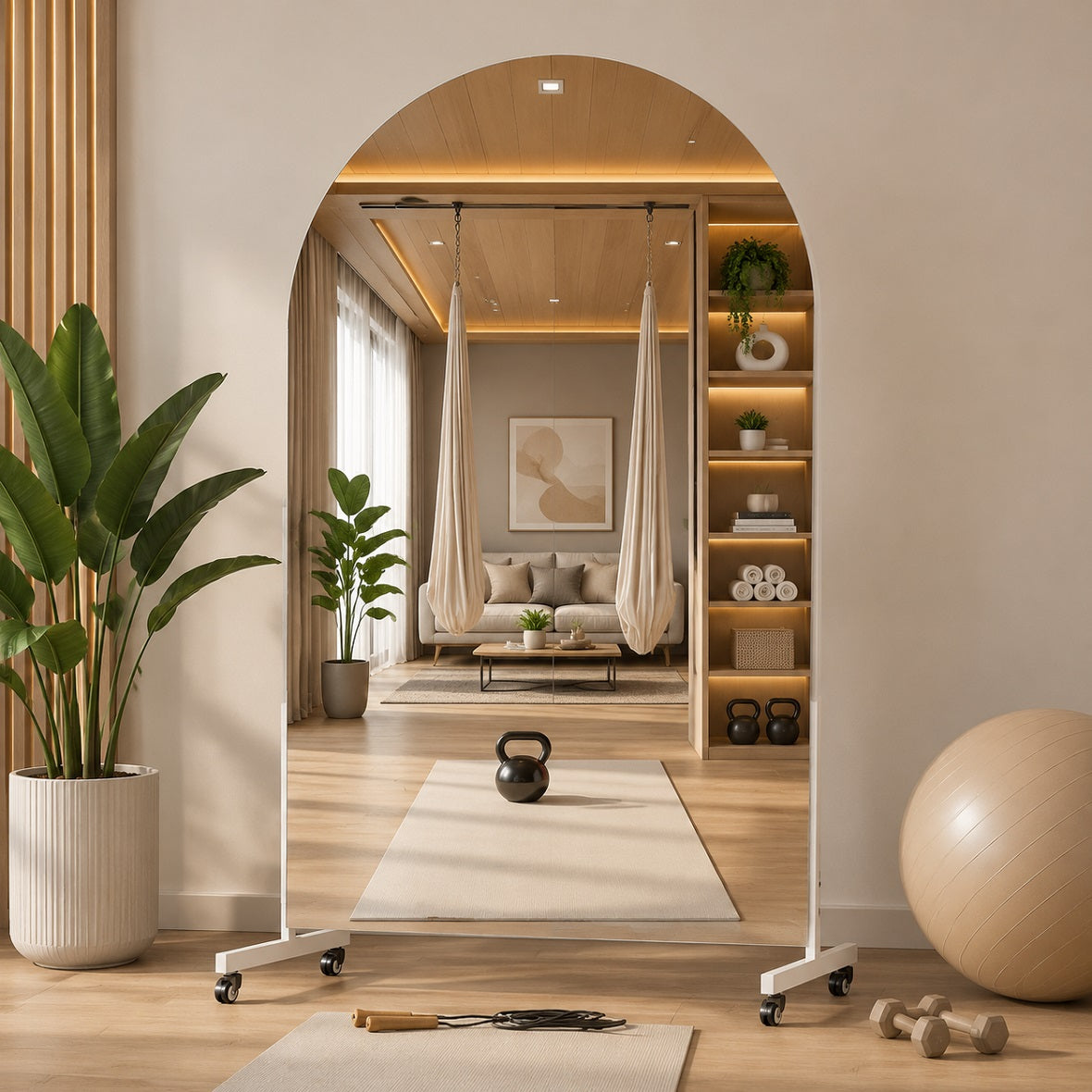
The shape of the mirror can also relate to the building's existing lines. Picture a tall mirror inside a narrow wall recess, or an arched mirror that echoes a curved doorway nearby. Those connections can make the mirror feel like an intentional part of the room's architectural design.
Larger mirrored surfaces need a carefully chosen view. A mirrored closet door might reflect a quiet stretch of wall, a window, or a crowded shelf. Each creates a different impression, even though the mirror itself hasn't changed.
For a feng shui-inspired home, use that visual reach to emphasize a part of the space you enjoy. A modest reflective surface with a pleasant view may suit the room far better than an entire mirrored wall.
The Application of Mirrors in Everyday Practice
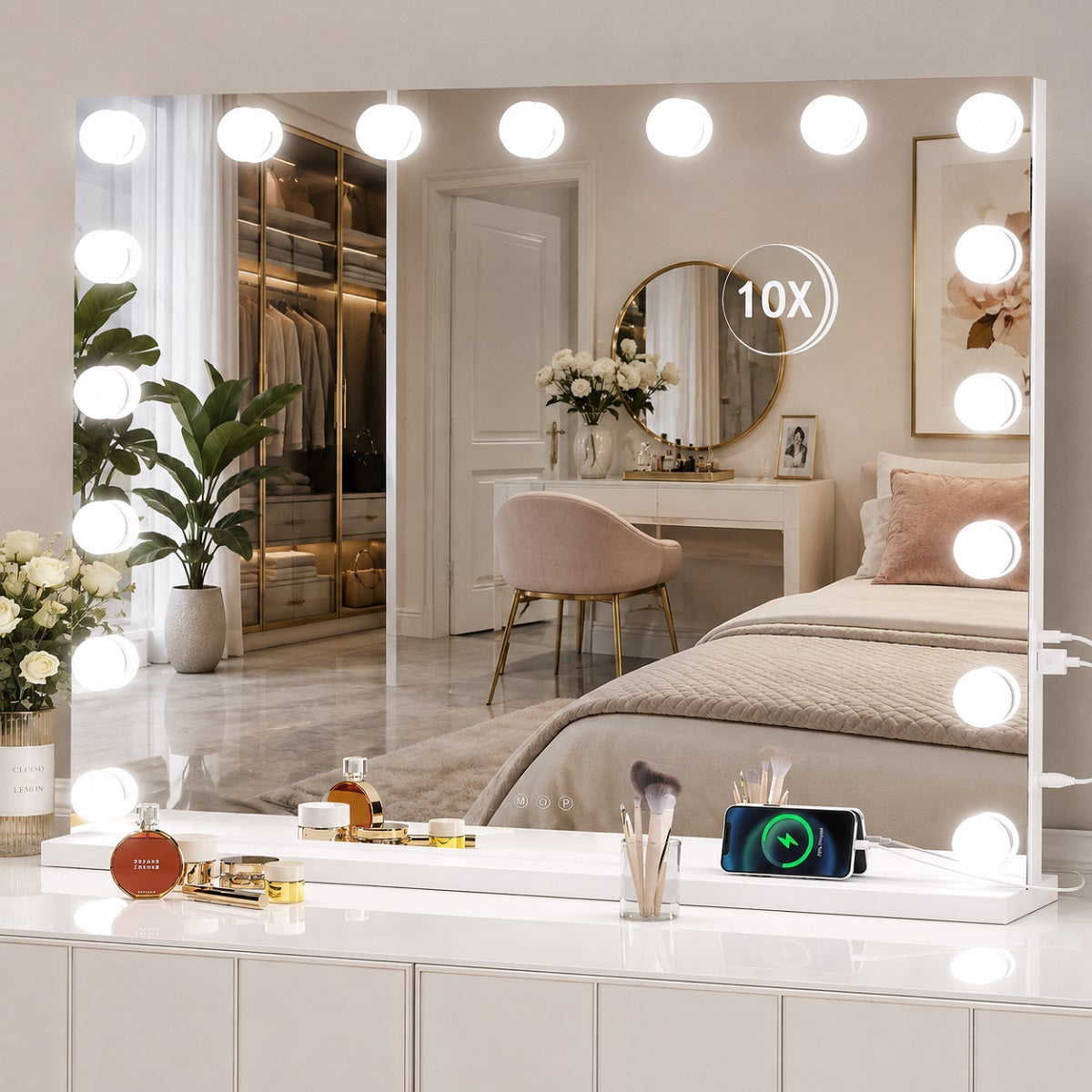
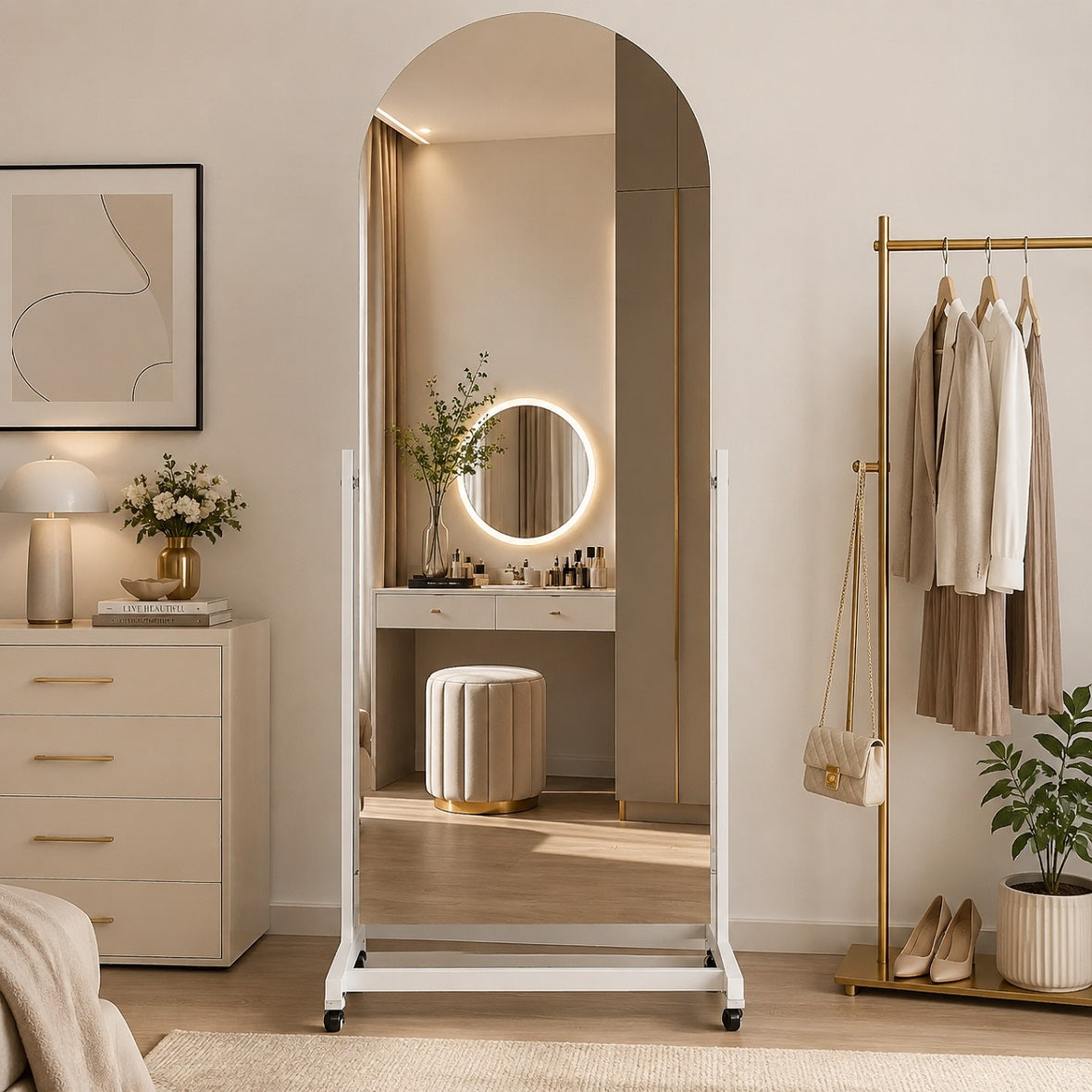
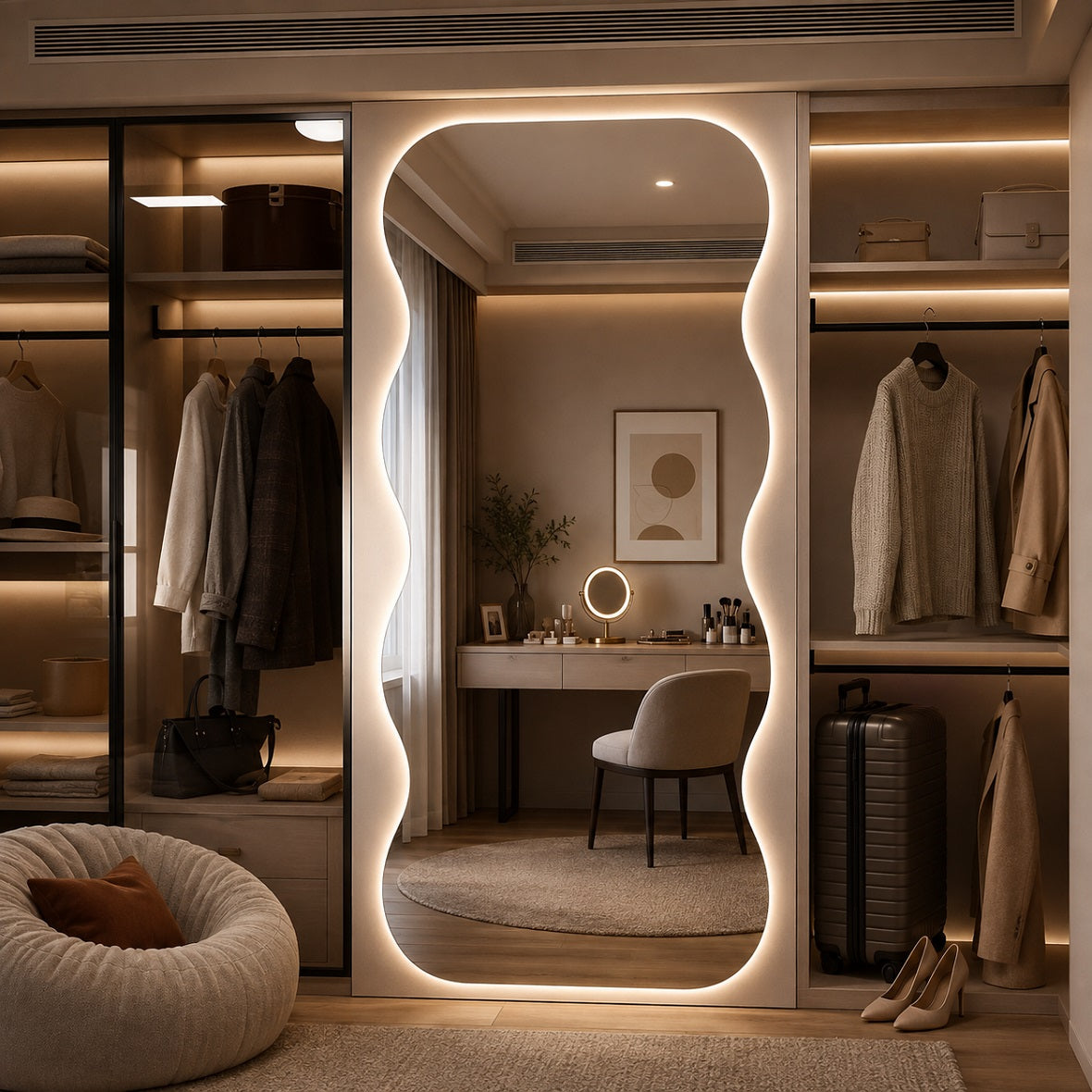
Daily routines give a mirror its most familiar purpose. A full-length mirror helps you check an outfit, while a mirror near the bathroom sink supports shaving and other grooming tasks. At a makeup station, useful lighting and a comfortable viewing position deserve as much attention as the frame.
Mirrors can also help with a limited sightline. In some feng shui practices, a home office mirror is positioned so someone sitting at a desk can see the entrance without turning around. This is used as a "commanding position" adjustment when the desk cannot be placed with a direct view of the door.
Choose Hasipu mirrors around the routines you want to make easier. A mirror near the closet may save trips across the bedroom; one by the entry can give you a convenient final check before leaving. Those small conveniences let the mirror's symbolic meaning sit naturally alongside its everyday use.
Start With What the Mirror Reflects
Before deciding where a mirror belongs, look at the wall across from it.
A mirror above a beautiful console might reflect an overflowing coat rack. Another, on a less obvious wall, could pick up a leafy tree outside. The frame can be lovely in either location, but the reflection changes the whole arrangement.
Try choosing a view that already feels good to you: a favorite painting, a tidy reading corner, or the table where your family gathers. You don't need to buy special objects to create a meaningful reflected view.
For a simple update, imagine a hallway mirror that currently shows shoes scattered by the door. Moving the shoes into a cabinet improves the original view and its reflection at the same time. That small change may do more for the space than adding another decorative piece.
Give the Entryway a Welcoming Reflection
An entryway mirror earns its place when you can check your appearance, open the door fully, and walk inside without squeezing past furniture.
Some feng shui traditions discourage a mirror directly opposite the front door because they interpret it as sending incoming qi, or life energy, back outside. Other schools allow that placement in certain circumstances, so it isn't a universal rule.
For an uncomplicated starting point, try a side wall near the entrance.
Picture a narrow foyer with a console along one side. A wall mirror above it can reflect artwork on the opposite wall while leaving the walking path open. Keep a small dish for keys beneath it, and place incoming mail somewhere outside the reflected view.
Check the entryway mirror placement with the door open as well as closed. A mirror that looks perfectly positioned in a photo may sit behind the swinging door or reflect a coat closet once the family gets home.
The best spot should work during an ordinary Tuesday morning.

Let the Dining Room Suggest Abundance
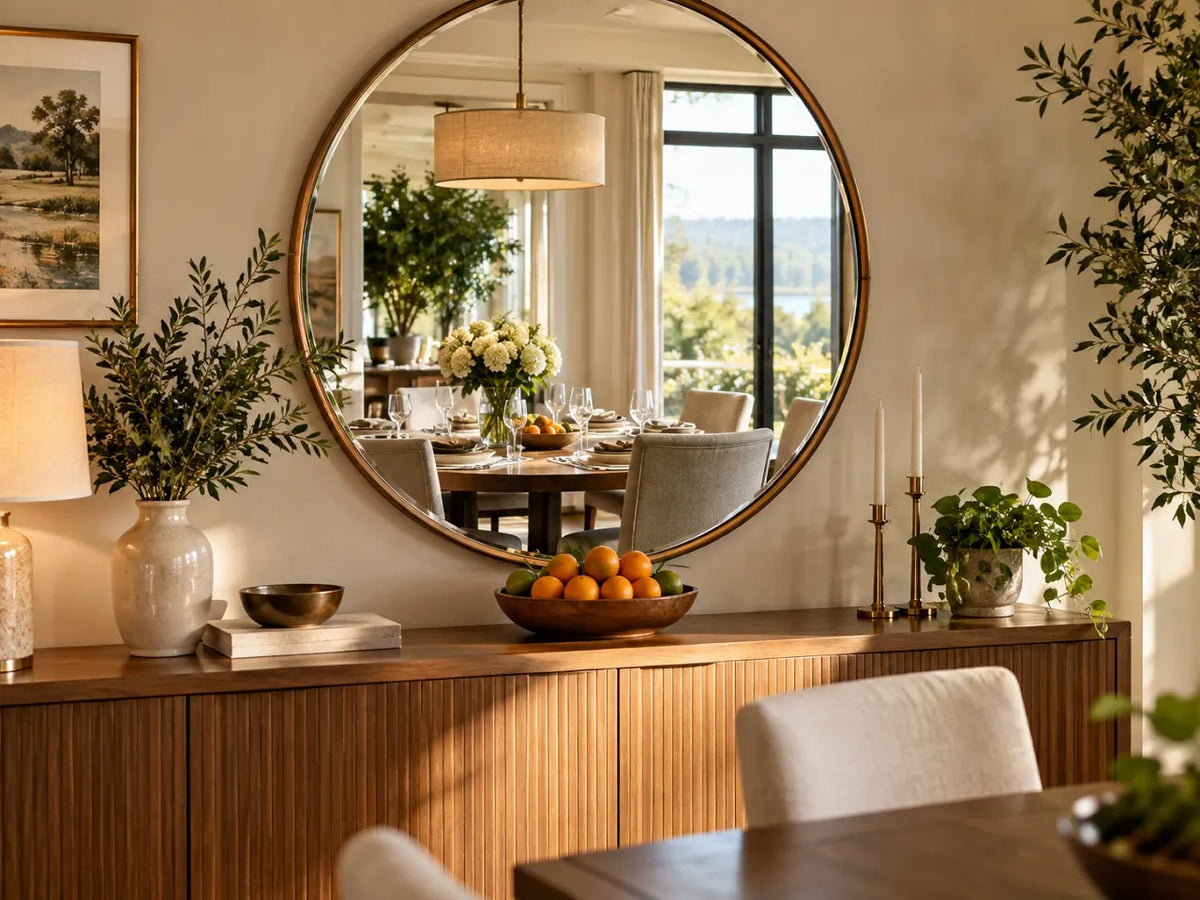
A dining room mirror is often linked with prosperity in popular feng shui decorating advice. The reflection of food and people gathered around a table is interpreted as a symbol of abundance. Practitioners disagree about the significance of this idea, so treat it as an optional symbolic practice.
You can bring that meaning into a casual breakfast nook just as easily as a formal dining room.
Try placing a mirror above a sideboard where it catches part of the dining table. A bowl of fruit or a vase you already love can give the reflection a clear focal point without needing to keep the table set for a dinner party.
Before settling on the height, sit in the dining chairs. Look for a reflection that feels comfortable from those seats—a chandelier's exposed bulbs may look lovely from the doorway, yet become distracting at eye level.
In an open floor plan, check the kitchen view, too. Shift the proposed location along the wall if the reflection catches dishes waiting in the sink. Even a modest change in position can produce a much more appealing dining room mirror view.
Bring a Pleasant Window View Into the Room
Positioning a mirror to catch a window can make greenery or an open view visible from another part of the room. A mirror also redirects available light, which can help a space feel brighter depending on the angles and surrounding surfaces.
For living room mirror placement, check the view from where you actually sit.
A mirror directly across from the window might capture a neighboring wall. A position on the adjacent wall may catch the branches of a tree instead. Try both possibilities before committing to the layout.
Revisit the spot at different times of day. Look for bright reflections on the sofa, television, or desk, especially when the sun is low. Move the mirror's proposed position when that reflected light becomes uncomfortable or creates glare.
A windowless room needs a different approach. A mirror can reflect a lamp and make the room appear more open, but it can't replace the light source itself. Improve the primary lighting first when the space is still too dark.
Keep Bedroom Mirrors Comfortable
Advice about bedroom mirror feng shui varies. Some traditions discourage mirrors facing the bed; BTB practitioners may use a mirror to help someone see the bedroom doorway from bed when the layout otherwise prevents it.
For everyday decorating, begin with the room's main job: giving you a comfortable place to rest and get dressed.
A full-length mirror beside the closet may be more useful than a decorative mirror opposite the pillows. Check that you have enough room to step back, see your outfit, and open nearby drawers.
Look at the reflection from bed with the lights off, too. A hallway light, moving curtains, or your own unexpected reflection might bother you at night. Another position may feel better.
You don't have to remove every mirror from the bedroom to follow a thoughtful approach. Choose a location that suits your routine and feels settled when the room is quiet.
For help comparing the available setups, see Hasipu's guide to leaning, freestanding, and wall-mounted mirrors.
Be Careful With Universal Lucky Directions
Search for where to place mirrors for good luck, and you'll find advice pointing to different walls and corners.
Part of that disagreement comes from different systems. Mindful Design School explains that its BTB practice places the bagua, a map used in feng shui, according to the main entrance rather than compass directions. A rule from an entrance-based map should not automatically be treated as a compass rule.
For a general home decorating project, there's no need to force a mirror into a corner simply because a short online tip calls it lucky.
Start with the space you have. Can the mirror reflect something pleasant? Is there enough room around it? Does its position make the room more useful?
Anyone following a specific feng shui mirror placement school can use that school's guidance consistently. Mixing unrelated rules can turn a straightforward decorating decision into an unnecessary puzzle.
Choose a Mirror That Fits the Wall and Your Routine
Once you've chosen the reflection, consider the shape and size.
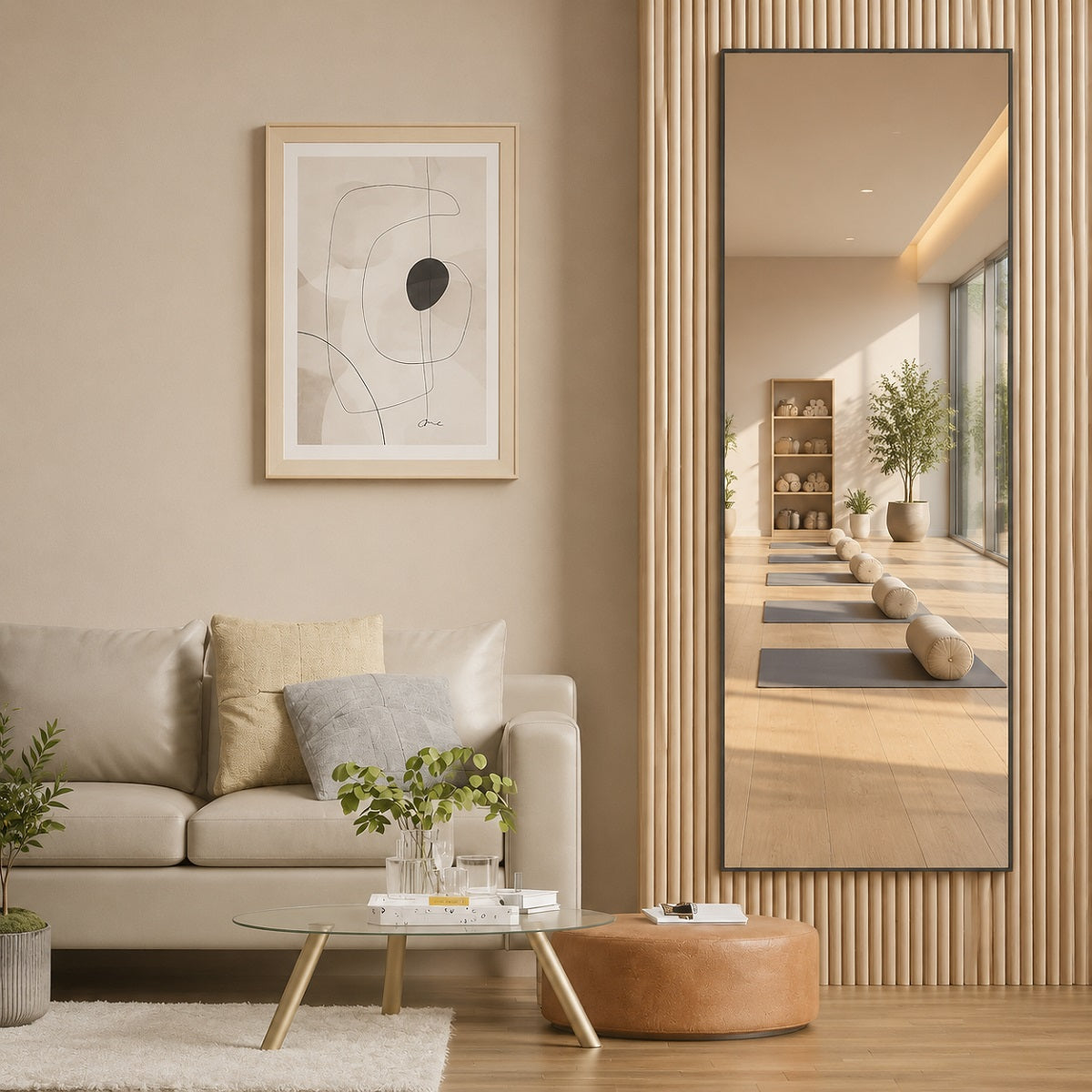
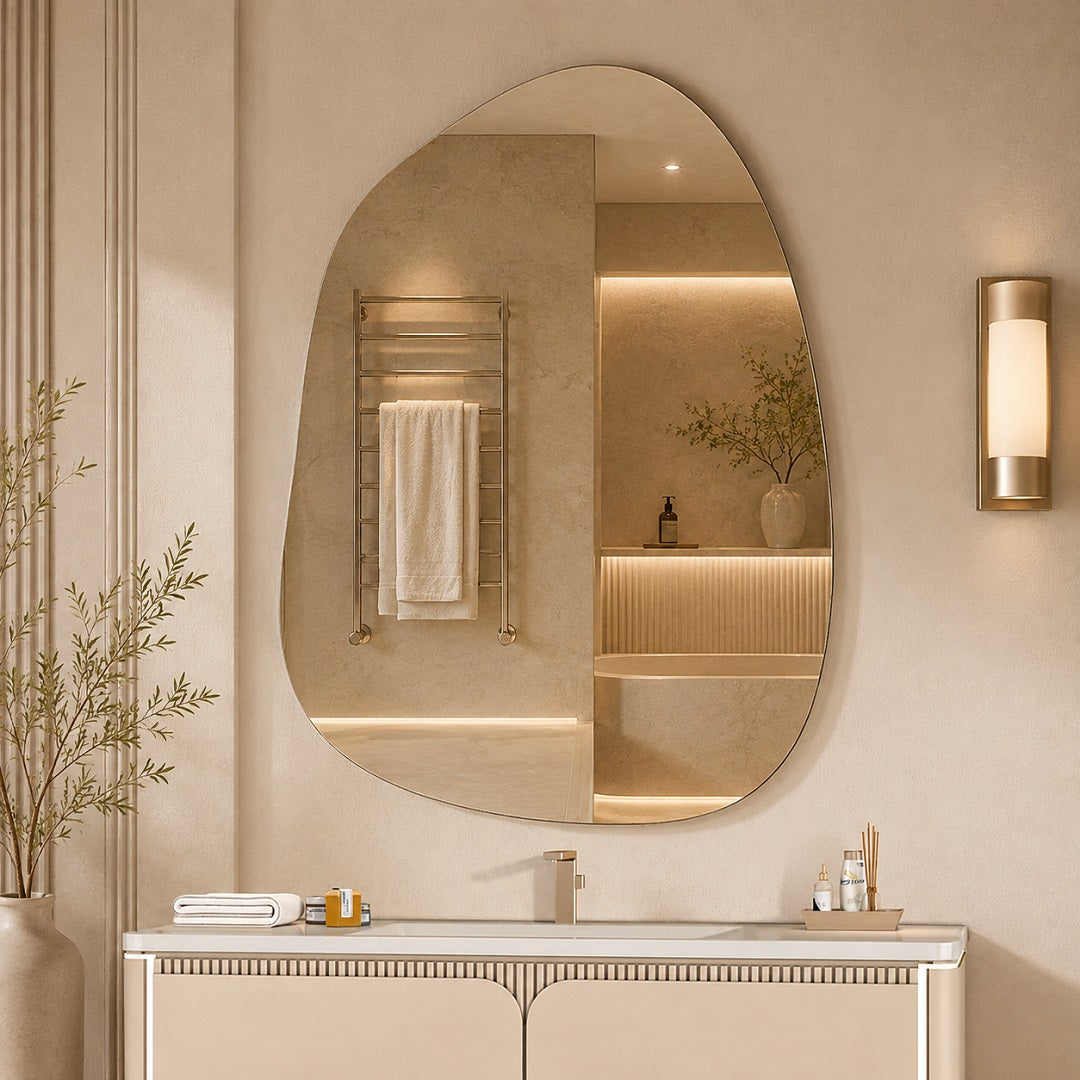
A round mirror brings a curved outline to a room full of rectangular doors, cabinets, and furniture. A tall rectangle offers a useful view for getting dressed. An arched top can introduce a curve while preserving much of that vertical viewing area.
Choose the shape you enjoy looking at. You don't need to assign a promised financial outcome to it.
Hasipu's article on the benefits of round mirrors explores how that shape works in everyday interiors.
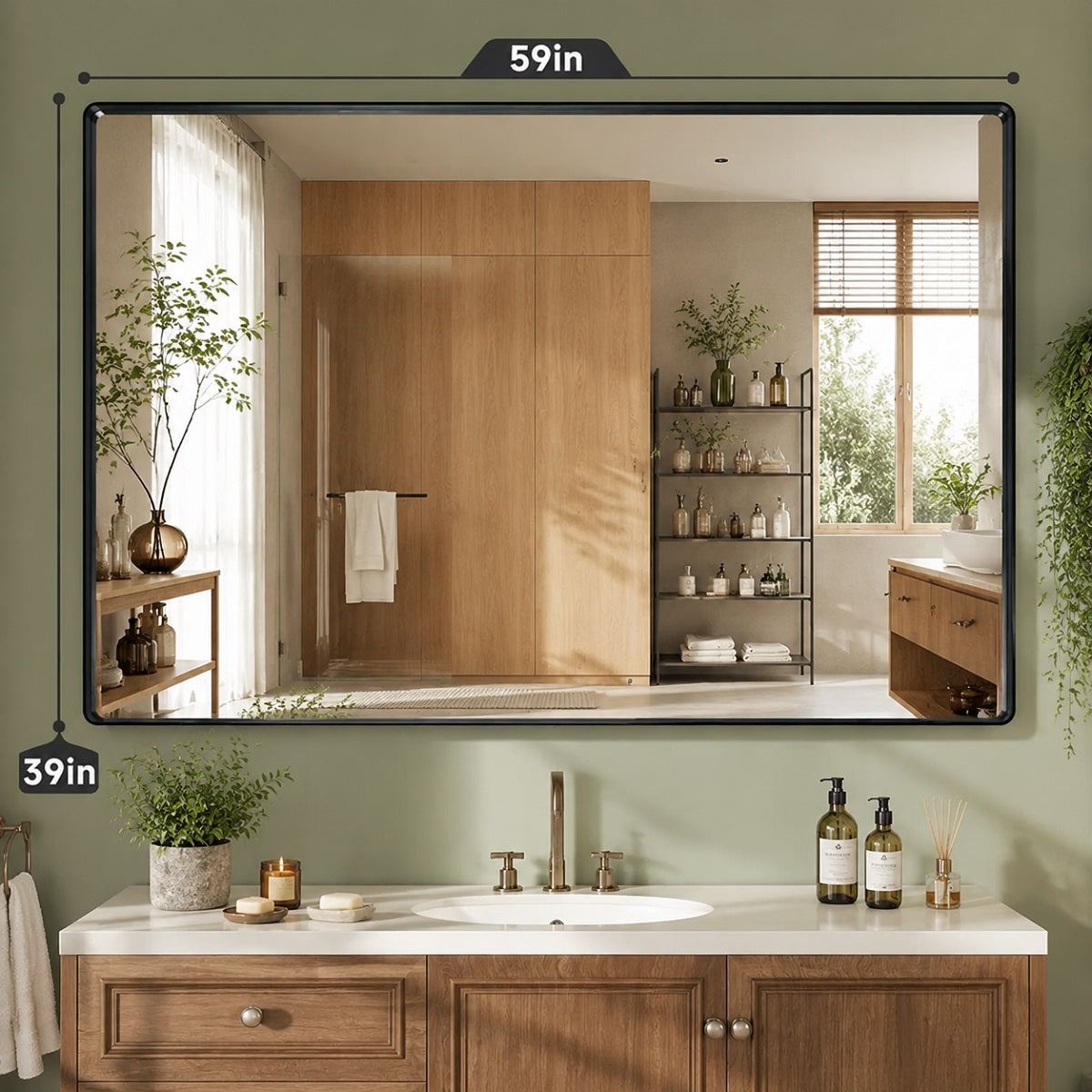
Size deserves a separate check. Mark the proposed dimensions on the wall with removable painter's tape suitable for the surface. Above a console, leave visible space around the outline so the arrangement has room to breathe. For a dressing mirror, think about your standing distance and the usable reflective area as well as the outside dimensions.
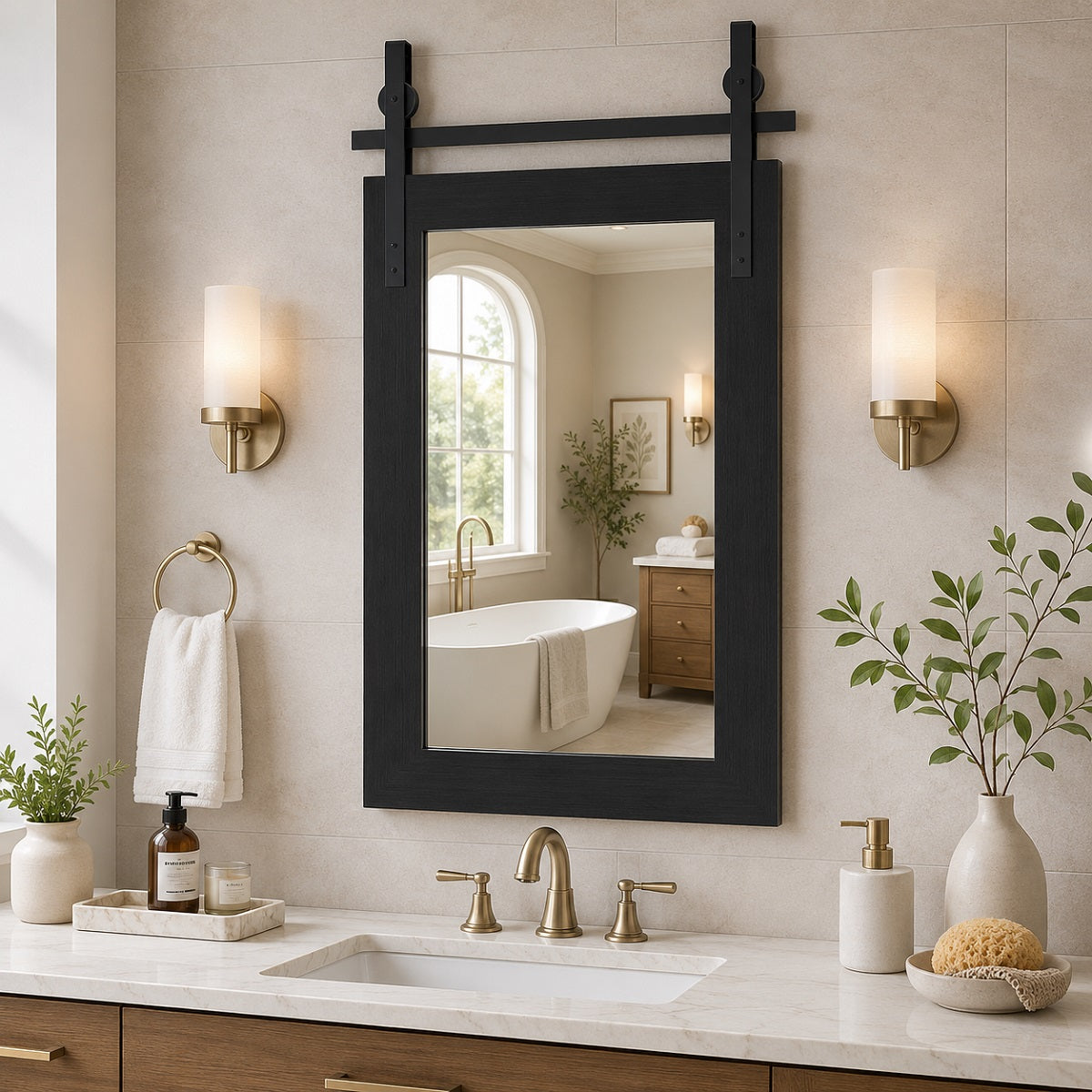
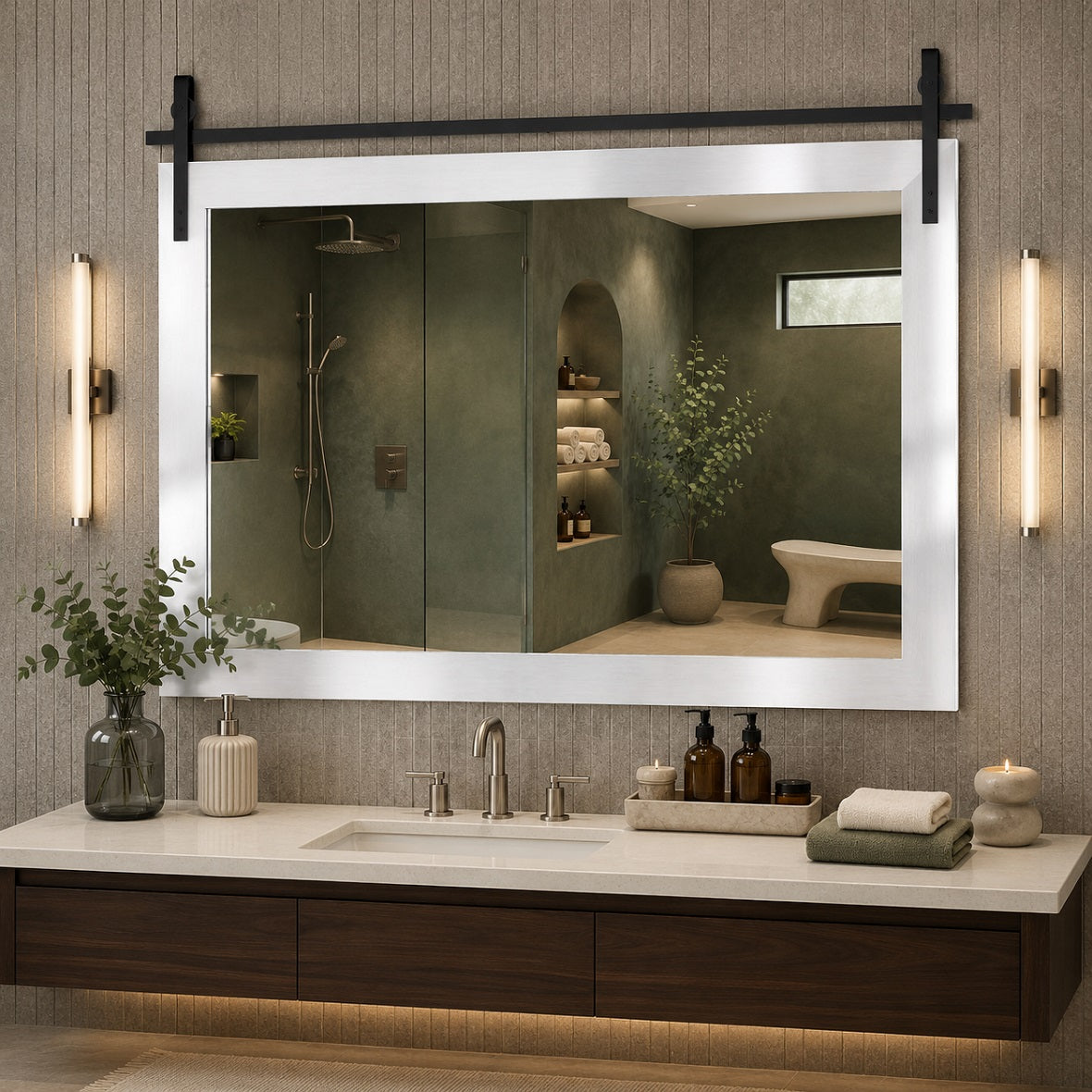
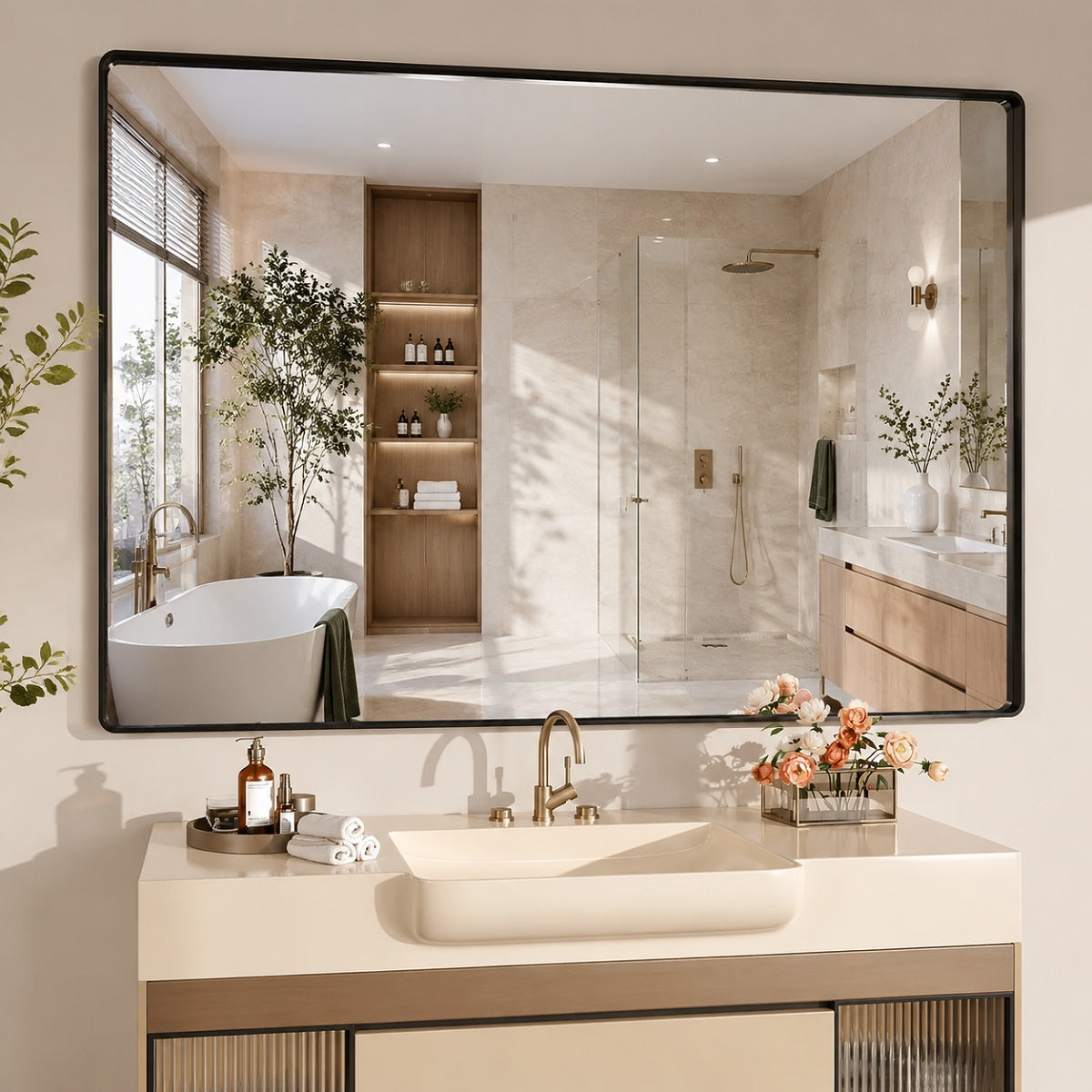
Frame finish is a decorating choice, too. Gold can add a warm accent, black can echo nearby hardware, and a wood finish can relate to surrounding furniture. A gold frame doesn't have to carry the promise of attracting money to be a good fit for your room.
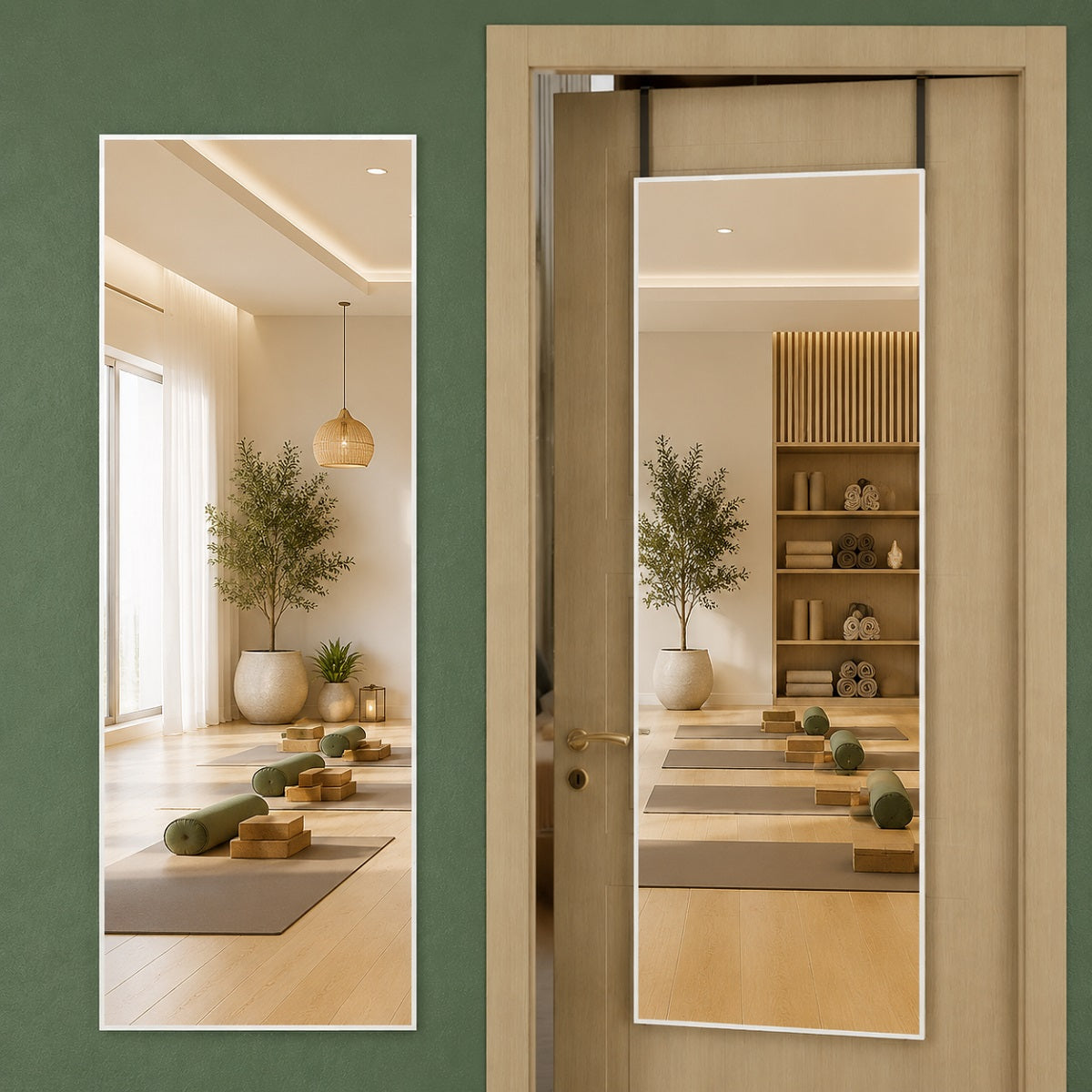
When comparing Hasipu models, check each product's dimensions, supported mounting methods, and included hardware. Choose any lighting features around the task you'll use them for.

Final Thoughts
Start with a room you'd like to enjoy a little more. Give the entryway a clearer view, let the dining area reflect a gathering place, or find a bedroom position that makes getting dressed easier.
Feng shui symbolism can add personal meaning to those choices. The results you can assess are close at hand: the view in the glass, the light from your usual seat, and how comfortably you move through the room.
Explore Hasipu wall mirrors with a particular location in mind. A mirror that fits that spot and reflects something you love has a clear purpose in your home.
Frequently Asked Questions
1. Can a mirror attract money?
Some feng shui decorating practices associate mirrors with abundance, especially when they reflect a dining table. That symbolism doesn't establish that a mirror causes financial gains. Use the idea as a personal decorating intention, and choose a mirror for its practical role in the room.
2. Is a mirror facing a window bad luck?
There isn't a single rule shared by every feng shui approach. For a practical placement decision, examine what the window reveals and where reflected light falls. An appealing outdoor view can work well; glare or an unwanted view gives you a reason to try another wall.
3. Are two mirrors facing each other a problem?
Opposing mirrors can create repeated reflections that look dramatic or visually busy. Decide whether you enjoy that effect in the specific room. In a small hallway or restful bedroom, adjusting the arrangement may make the space feel easier to look at.
4. Can an LED mirror work in a feng shui-inspired home?
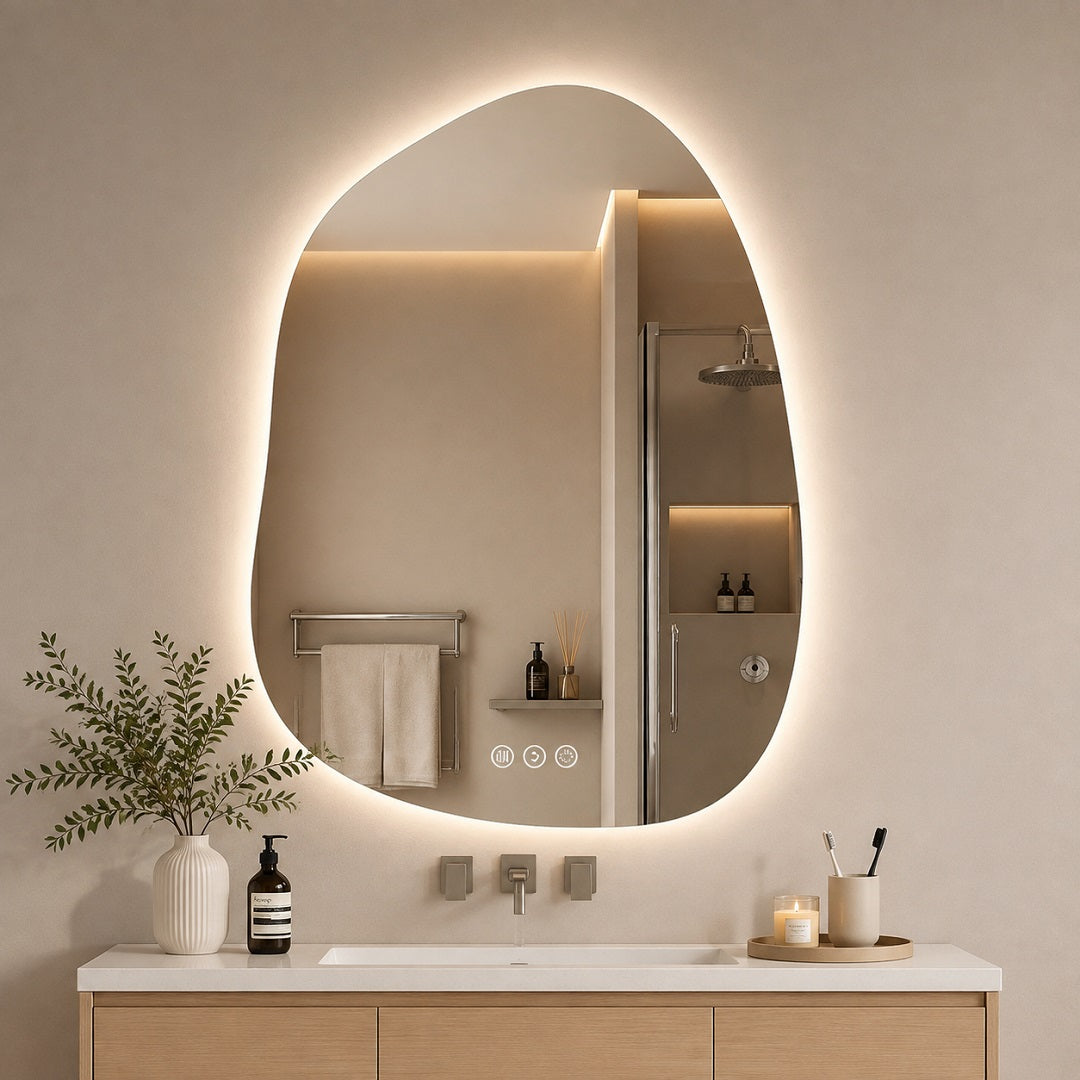
An LED mirror can be chosen for a useful location just like another mirror. Consider what it reflects and how you use its light. Adjustable brightness may be useful for different routines when the model offers it; lighting features don't establish a mirror's ability to bring luck.