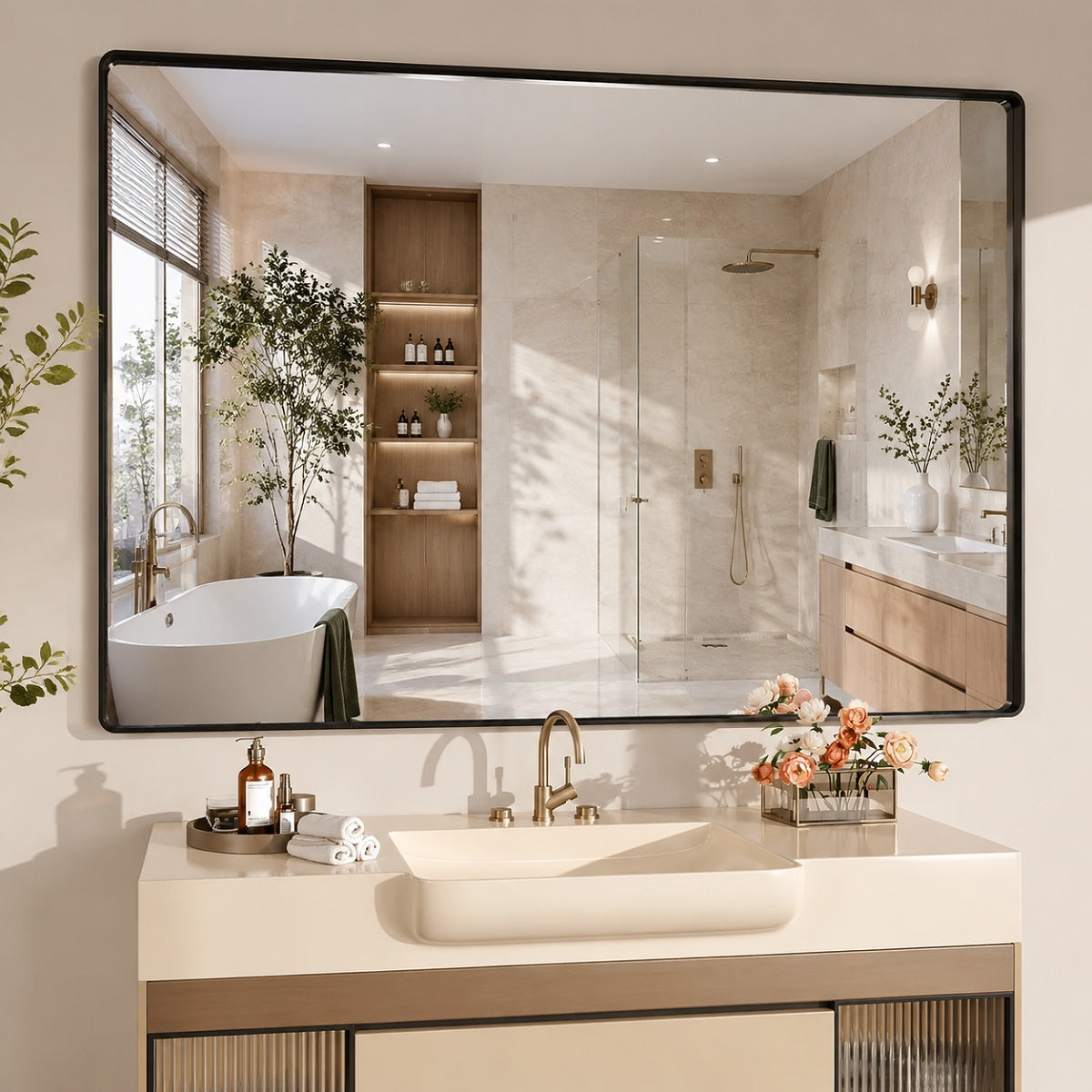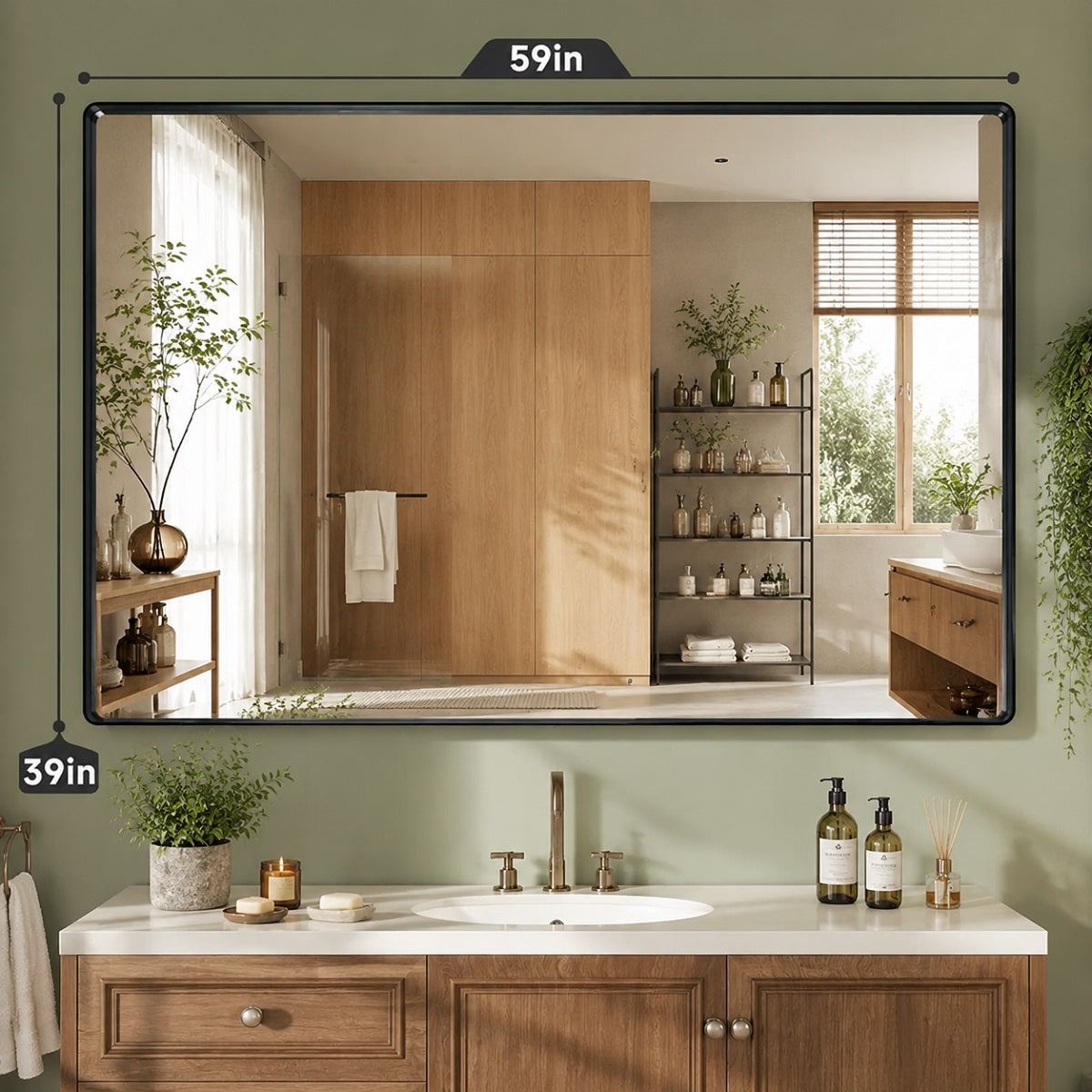
Table of Contents
You open the front door with groceries in one hand and your keys in the other. There's a bare wall nearby, but putting a table against it would leave you squeezing past the corner every day.
That wall can still become a useful, welcoming entryway.
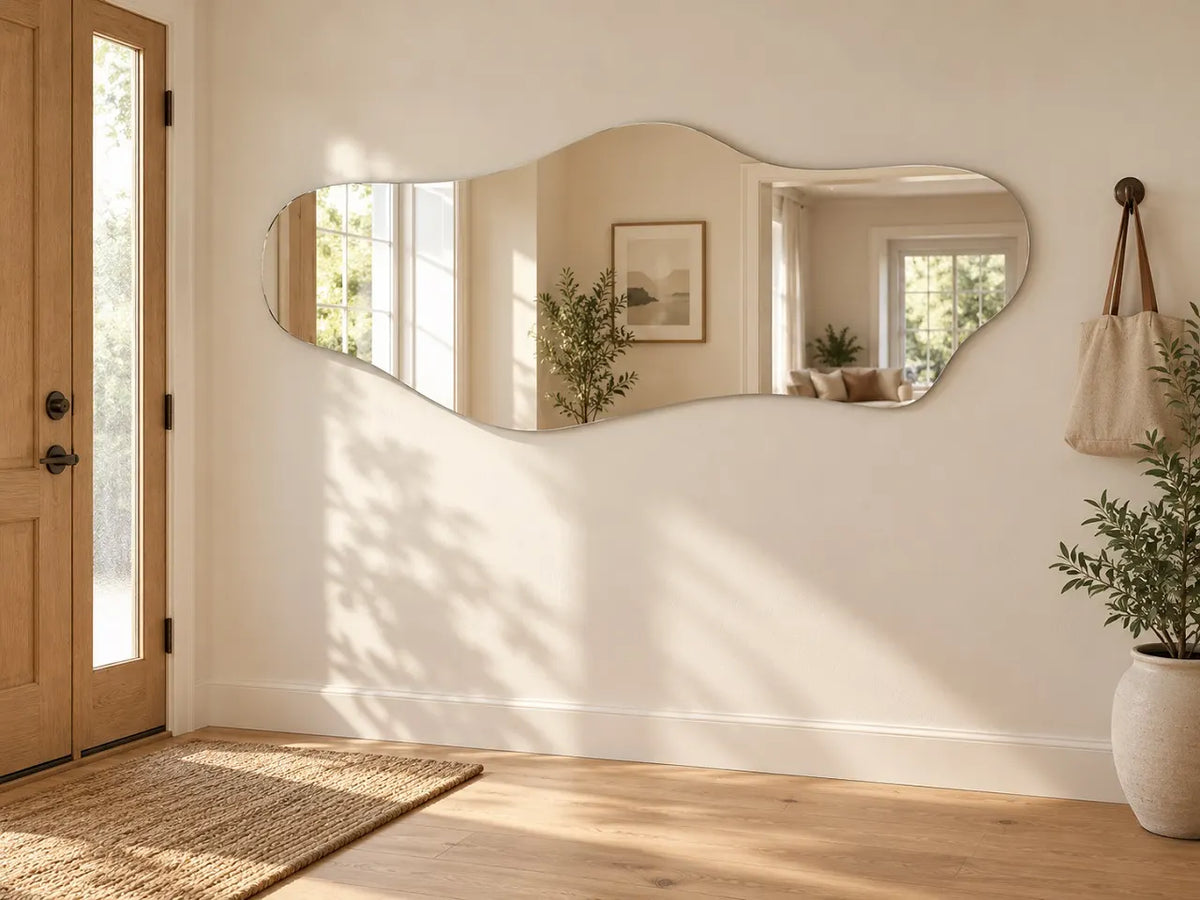
To style an entryway mirror without a console table, hang the mirror where you can comfortably use it, then add only the storage your routine needs. A key hook, shallow ledge, or nearby closet may be enough. Color, lighting, and a well-chosen frame can give the arrangement a finished look while keeping the floor open.
These entryway mirror ideas without a console table cover everything from a single mirror on a narrow wall to a small sitting area for taking off shoes. At Hasipu, we'd start with what happens at your front door each day, then choose the mirror around that routine.
Choose a Setup That Fits Your Entryway
Think about what your console table would have done. Held the keys? Hidden shoes? Filled an awkward blank wall? Each job has a different solution.
| What your entryway needs | Mirror arrangement to try | Space to account for |
|---|---|---|
| A quick check before leaving | Round or oval mirror on its own | Clear wall area and a comfortable place to stand |
| A view of your entire outfit | Tall mirror mounted vertically | Viewing position and clearance from doors |
| A home for keys and a daily bag | Mirror beside a small hook rail | The depth of the bag when the hook is loaded |
| A place to set down glasses | Mirror with a shallow ledge | Shelf projection and reaching room |
| More character on a plain wall | Mirror over a painted panel or within a small gallery | Space around switches and trim |
| Somewhere to put on shoes | Mirror above a compact bench | Bench depth and room for a seated person |
The wall arrangements below keep furniture off the floor. The bench and shoe-cabinet ideas at the end suit entrances with a little more room.

1. Let a Round Mirror Fill the Wall
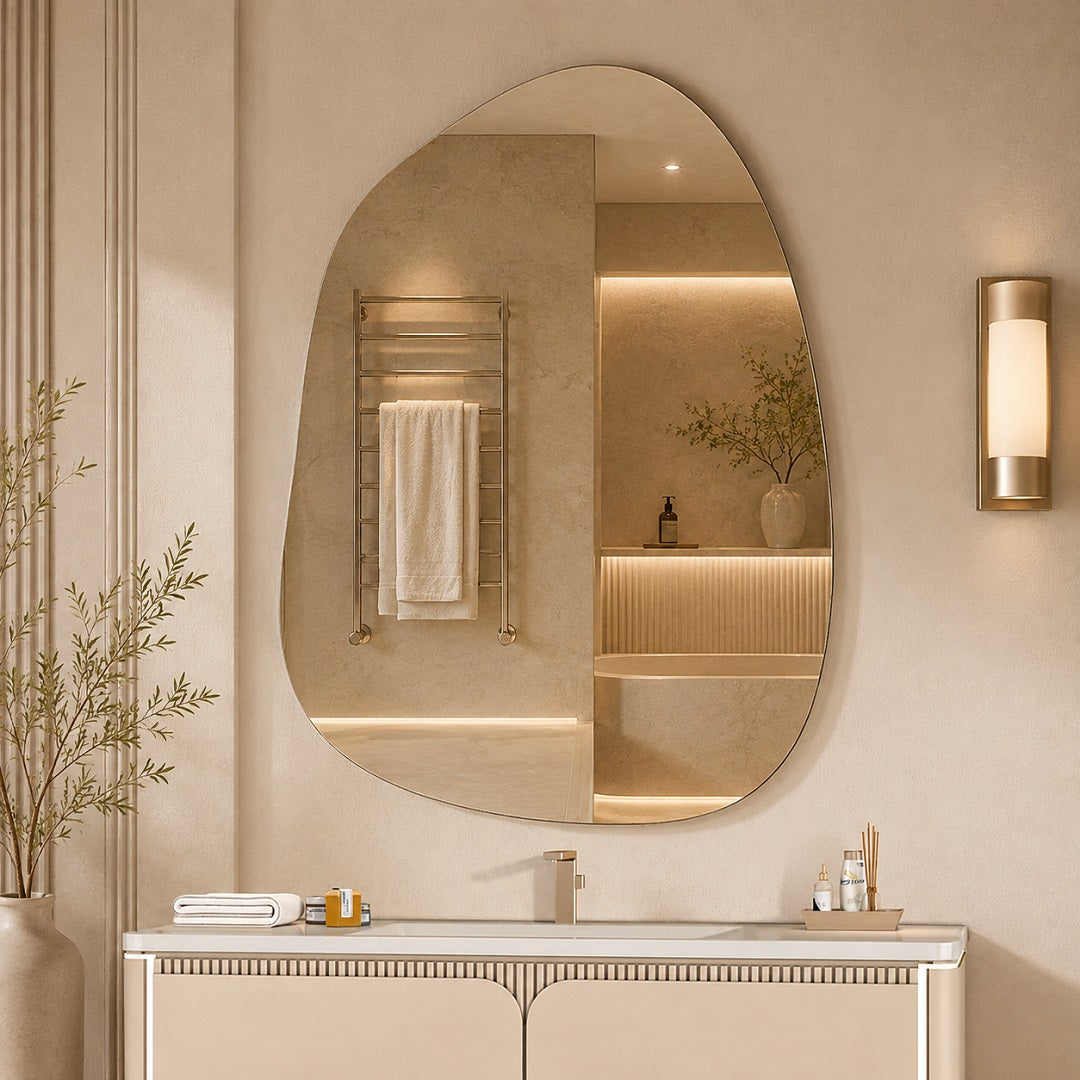
A round entryway mirror can carry a wall by itself. The curve adds a softer outline beside rectangular door trim, and a visible frame gives the arrangement enough detail to feel complete.
Try warm white walls with a wood-toned frame, or a muted green wall with a slim black frame. Repeat the frame's color in something already nearby, such as a door handle or ceiling fixture. You don't need to buy matching accessories for the sake of it.
For a sizing exercise, picture a clear wall section 44 inches wide. A 28-inch round mirror would leave 8 inches on each side. Cut a paper circle to that size and look at it from the doorway before deciding. Those measurements are a layout example, not a universal proportion rule.
Keep the area underneath open. Keys can live on a small hook beside the door or inside the coat closet.
For more on choosing this shape, see Hasipu's guide to the benefits of round mirrors.
2. Use a Tall Wall Mirror for the Last Outfit Check
Some mornings, you need to see the shoes with the pants. A face-height decorative mirror won't help much there.
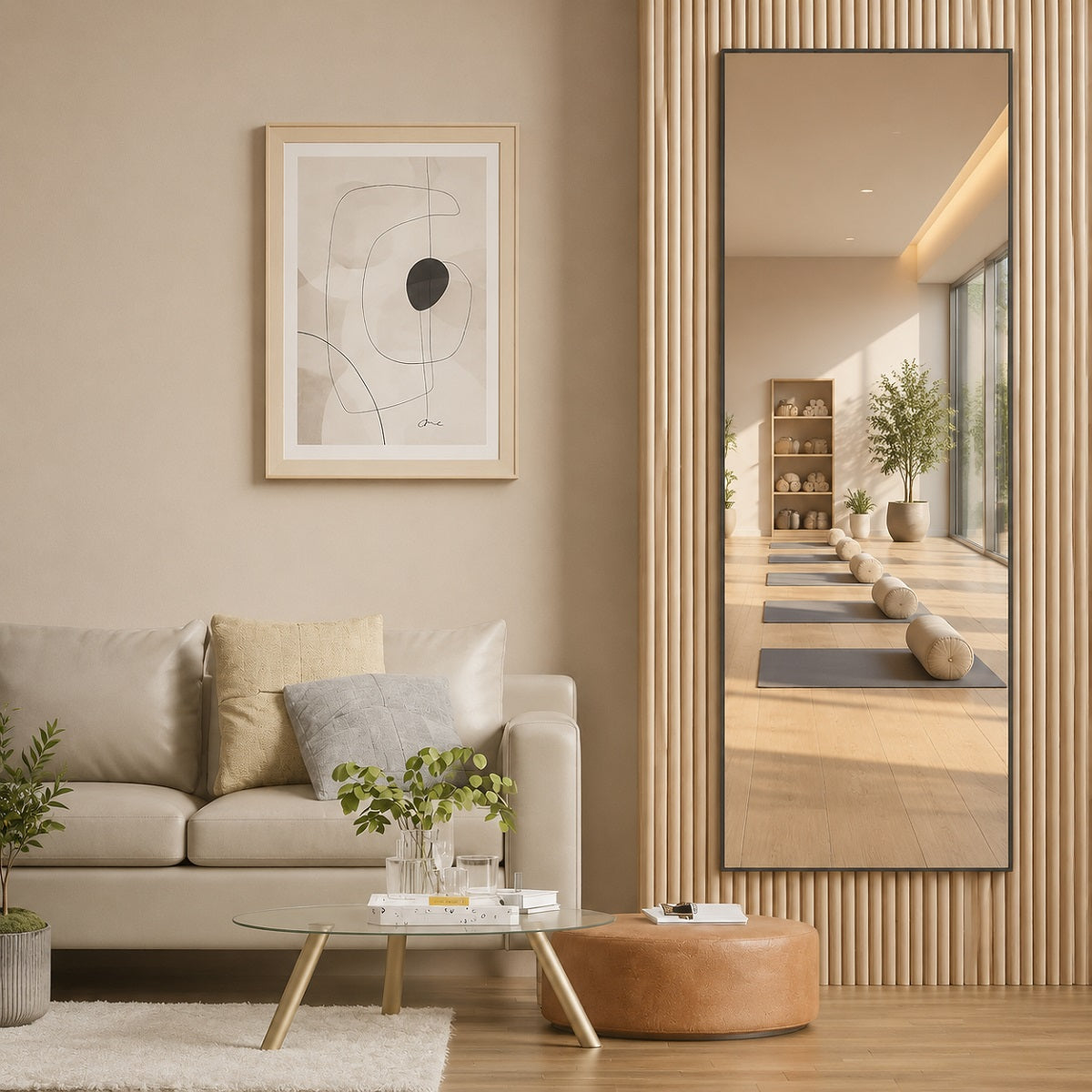
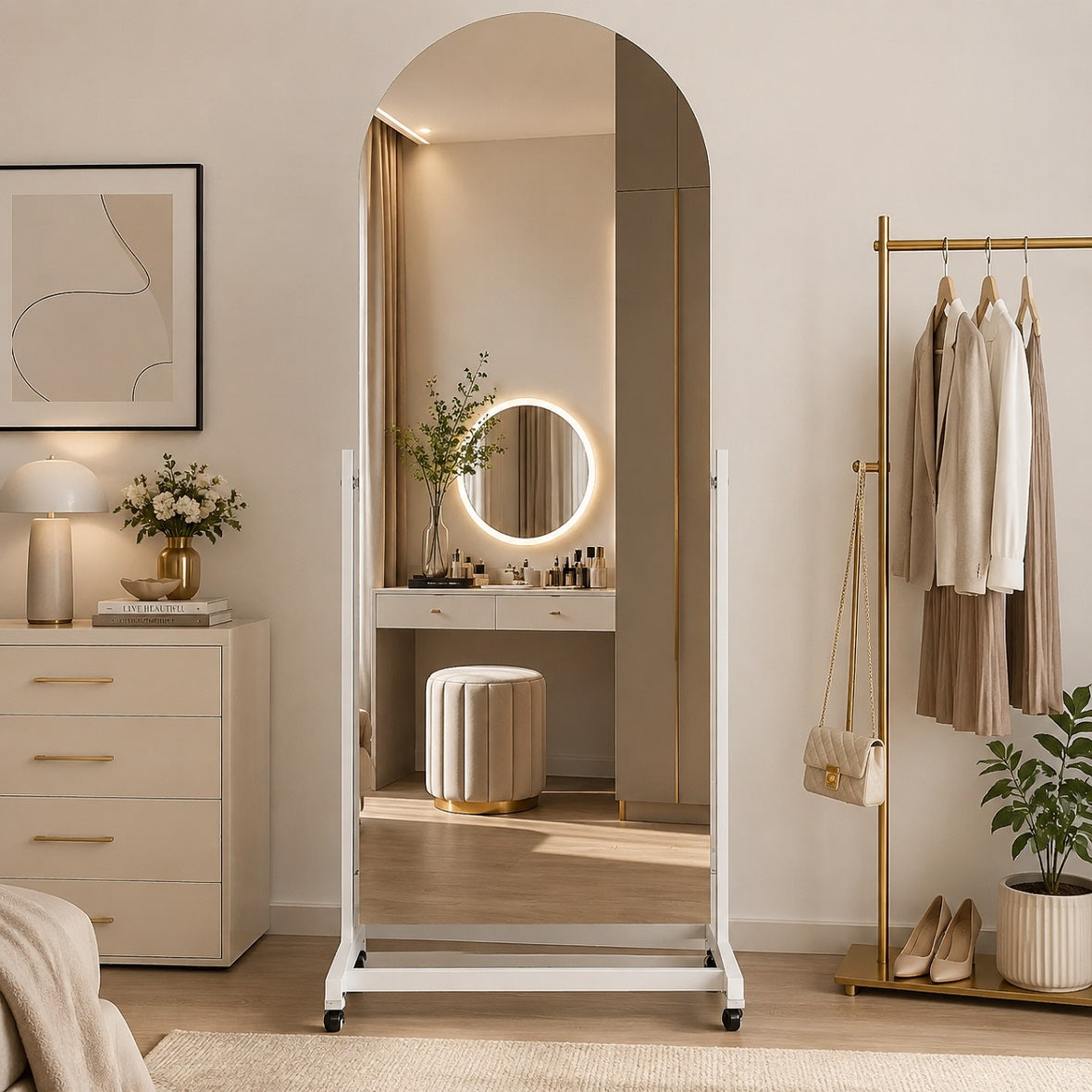
A full-length entryway mirror gives that routine its own spot. Try a tall rectangle beside the coat closet or an arched design on the wall leading into the living room. Keep bags and umbrellas away from the lower portion so the view stays useful.
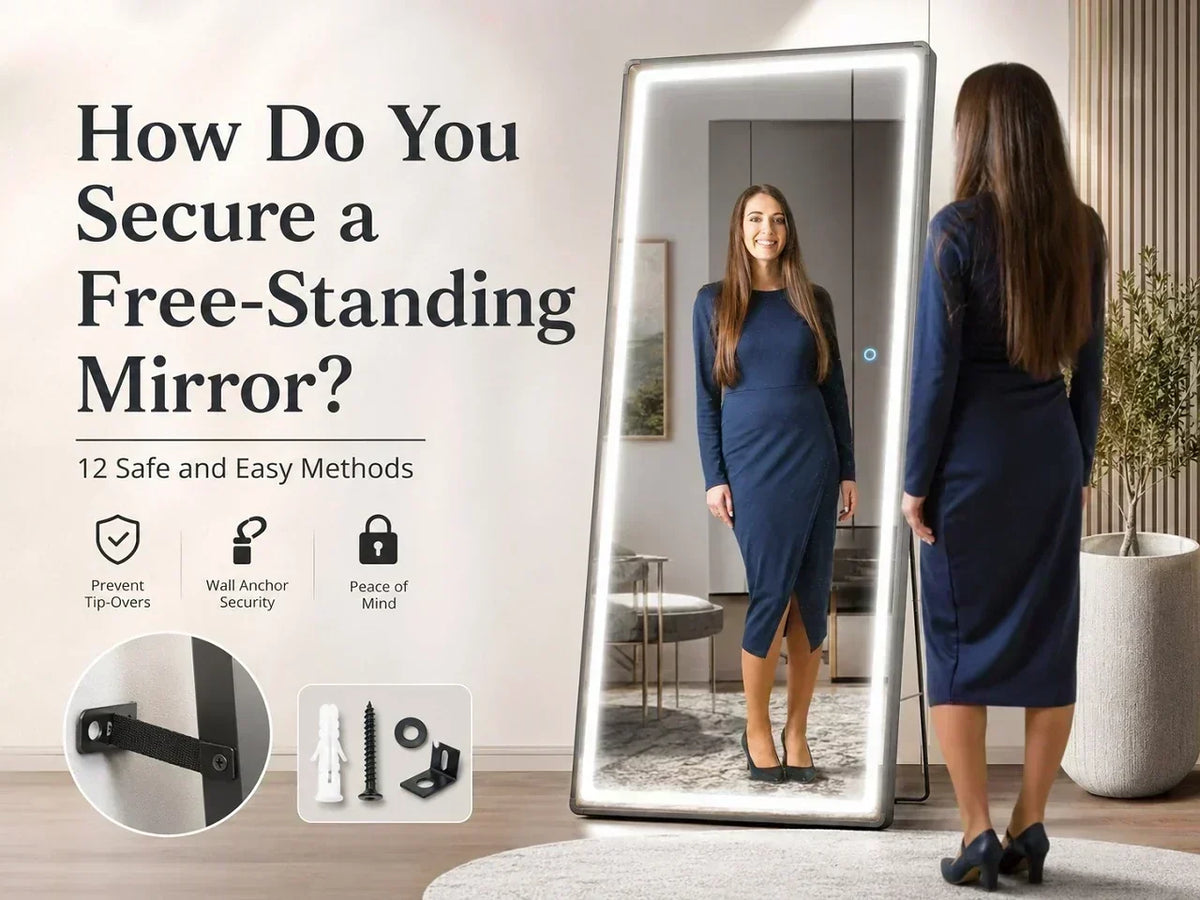
In a busy entrance, wall mounting can preserve the floor space a stand or leaning arrangement would occupy. Choose a model approved for that installation method; a mirror sold with a stand isn't automatically designed to hang.
Mark the proposed top and bottom on the wall, then test the view from the place you would actually stand. Include the tallest and shortest people who will use it. The mounting height matters as much as the mirror's advertised length.
Hasipu's comparison of leaning, freestanding, and wall-mounted mirrors explains the practical differences between these setups.
3. Put Hooks Beside the Mirror
An entryway mirror with hooks can give a small apartment a place to get ready and put things away. Separate pieces offer more freedom to position each part comfortably.
Keep the mirror at a useful viewing height. Place the hooks alongside it, where a jacket or shoulder bag won't cover the glass. Use a small hook for keys and a suitably rated hook for the bag you carry every day.
The part that's easy to miss is the loaded depth. An empty peg barely projects from the wall; a backpack can stick out much farther. Hold the actual bag in position and walk past it before choosing the spot.
For a shared household, assign the available hooks to daily items. Store occasional coats elsewhere so the mirror wall doesn't gradually disappear behind them.
4. Add a Ledge Just Big Enough for the Essentials
A mirror with a floating shelf works well when you want somewhere to put down sunglasses or an access card.
Choose the shelf around those objects. For a paper mockup, try a ledge about 24 inches wide and 4 inches deep beneath a medium-size mirror. Set out the intended tray and glasses to check that they fit. Increase the depth only when the walkway allows it.
A wood shelf can warm up a black-framed mirror. Painting the shelf to match the wall gives a quieter look.
Wall-mounted storage is a useful approach when a traditional foyer is missing, and shallow solutions can help preserve circulation. Still, a floating shelf occupies space at hip or elbow height. Walk through with a laundry basket before committing to its position.
Mount the mirror independently unless the shelf is specifically designed and rated to support it.

5. Give the Mirror a Painted Backdrop
A mirror can look a little lost on a long wall, especially without furniture below it. Paint can define the entry area without adding another object to walk around.
Try a clay-colored rectangle behind an oval mirror, extending the color down to the baseboard. Or place a simple rectangular mirror inside a broad painted arch. Let enough color show around the frame for the backdrop to read clearly.
This is a useful approach for a front door that opens directly into the living room. The painted section marks where the entry begins while keeping the rooms visually connected.
Choose a shade already present in the adjoining space: the green of a cushion, the blue in a print, or a warm neutral from the rug. Tape the outline on the wall and check its relationship to the door trim before painting.
6. Bring the Light Onto the Wall
Without a console, there's no tabletop for a lamp. A wall sconce can fill that role and make the mirror comfortable to use after dark.
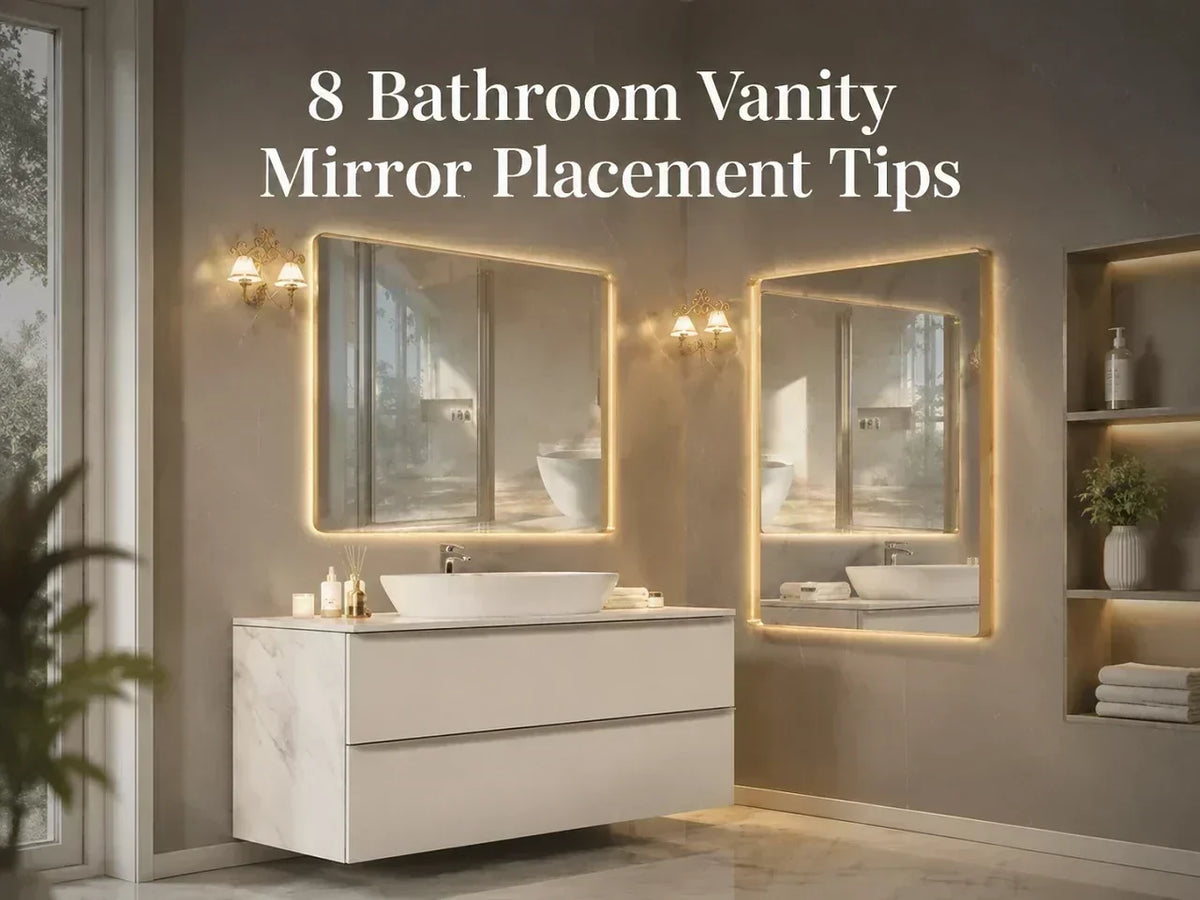
On a broad wall, try a mirror between two compact fixtures. On a smaller section, a single shaded sconce beside an oval mirror can feel more relaxed. Wall sconces and mirrors are both established ways to build an entryway around lighting and a focal point.
Check the reflection from your normal standing position. A bare bulb reflected straight into your eyes can make a pretty arrangement unpleasant to use.
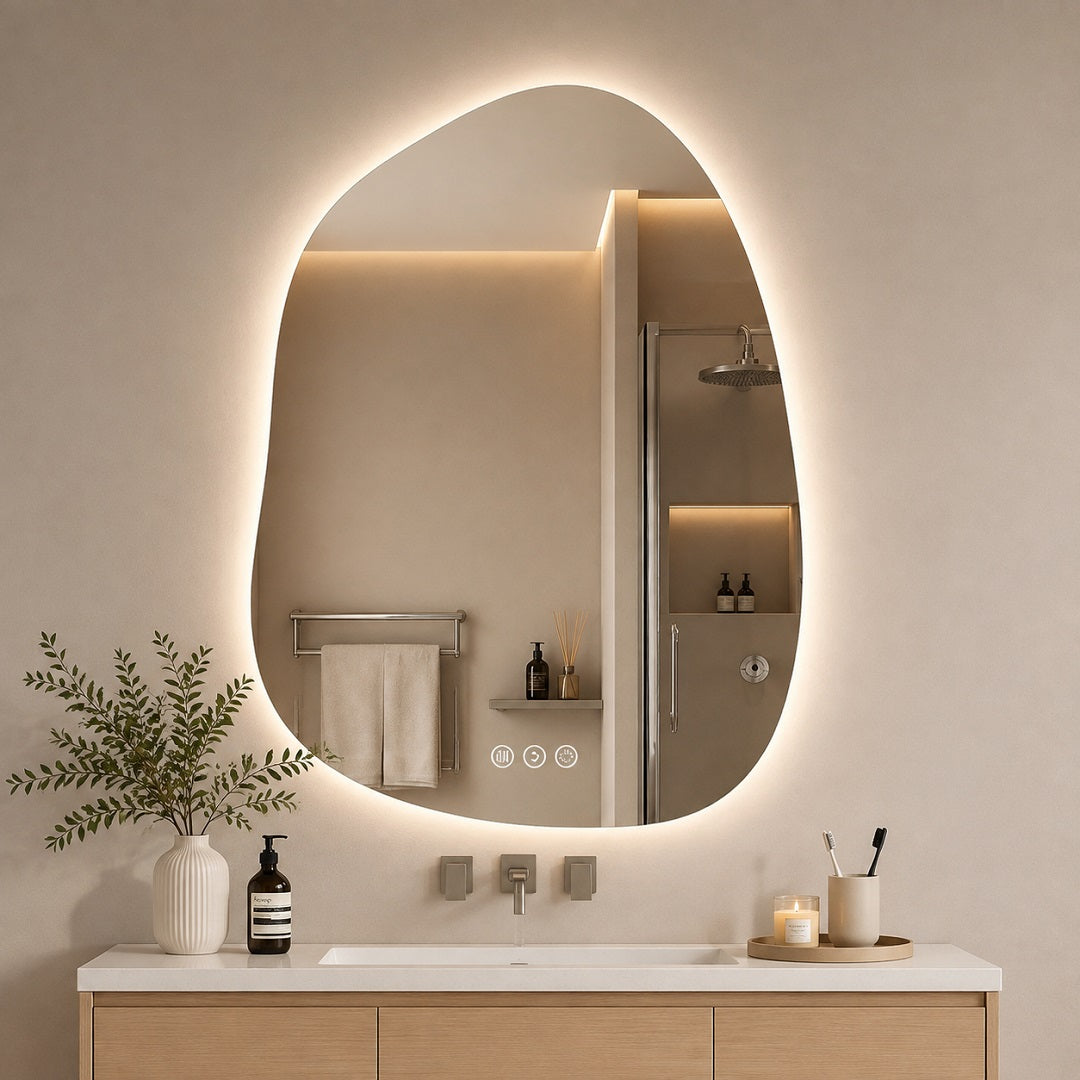
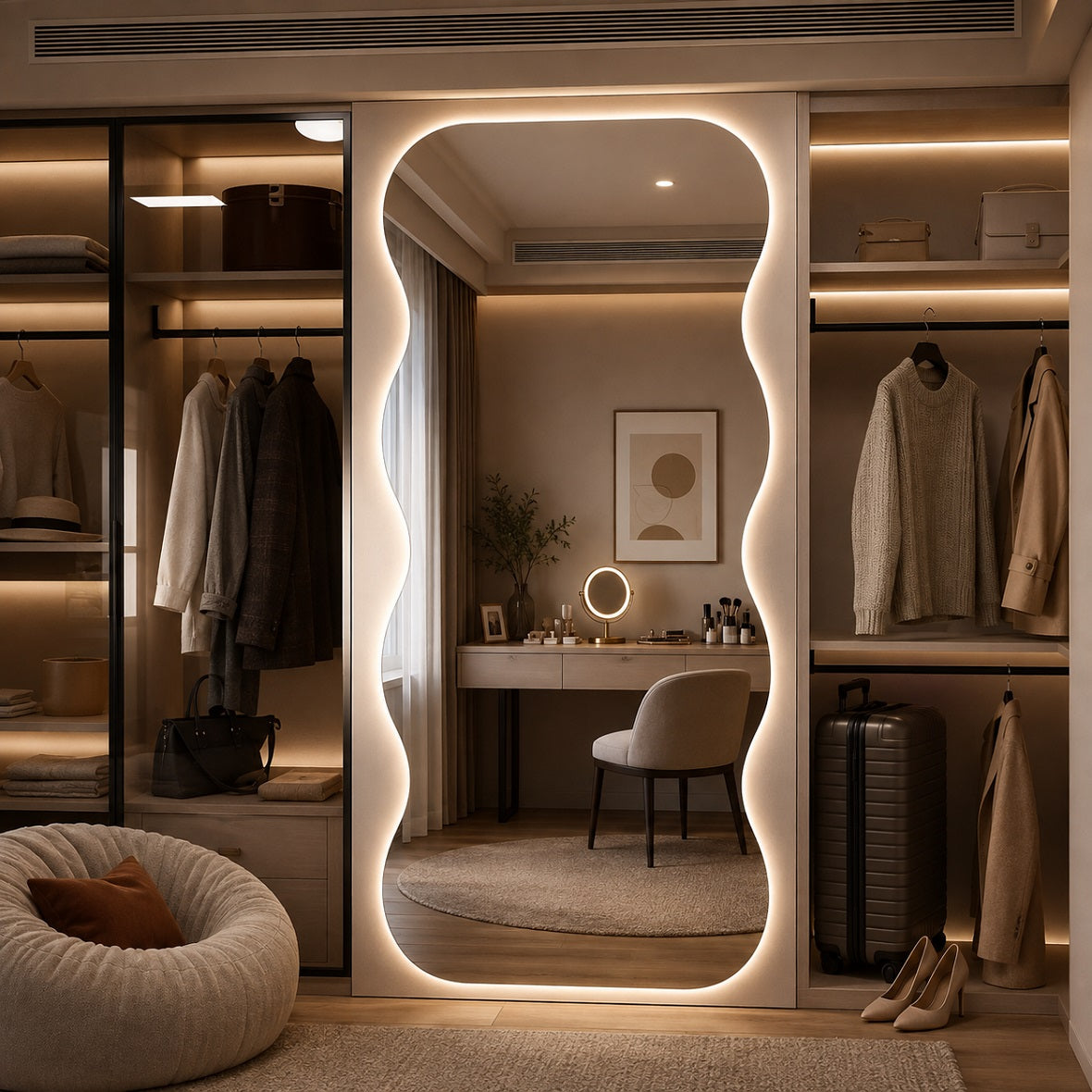
An LED mirror is another possibility when its light output and power requirements suit the location. Look at the individual model's specifications. Decorative backlighting may create a glow without providing enough light for your face or the surrounding hallway.
Plan the power source before purchasing, including a cord route that stays clear of the walking path. Have new hardwired fixtures installed by a qualified electrician.
7. Build a Small Gallery Around the Mirror
A mirror can sit among the things you actually want to see when you come home: a family photograph, a print from a favorite trip, or a drawing your child made.
Begin with the mirror in the position where you'll use it. Arrange the smaller pieces around that point. Shifting the mirror too high to complete a gallery layout defeats its everyday purpose.
Keep some visible wall between the frames. A black mirror frame, a wood photo frame, and a simple cream mat can sit comfortably together without every finish matching.
Try the arrangement on the floor, then transfer paper templates to the wall. View it from the front door and from inside the room. Leave nearby switches easy to find and reach.
8. Make the Coat-Closet Door Useful
When every wall section contains a switch, doorway, or thermostat, the coat closet may offer the most practical mirror location.
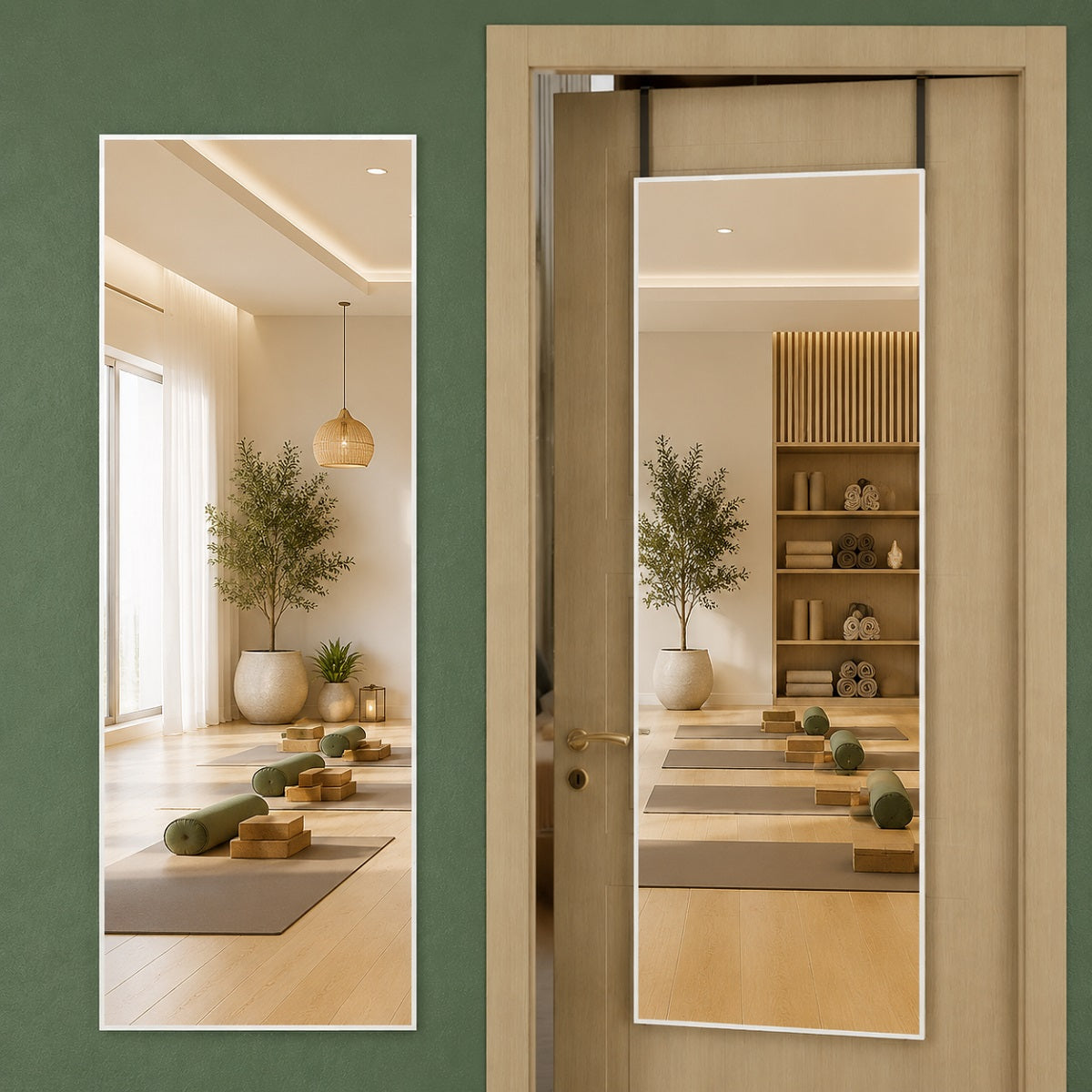
A door-mounted mirror can provide a dressing view near your shoes and outerwear. Positioning it on the inside of the closet door also keeps the reflection out of sight when the closet is closed.
Choose a mirror and mounting system intended for the specific door. Check the door's construction, the mirror's weight, and any clearance needed above or around the door. An over-door bracket must allow it to close and latch properly.
Test the entire swing. The mirror should clear shelves, hanging clothes, handles, and adjacent walls. A sliding or bifold door needs a compatible solution rather than hardware intended for a standard hinged door.
This arrangement is especially useful when the entry opens into a living area and you prefer to keep its visible walls simple.

9. Pair the Mirror With a Bench You Will Use
A bench earns its footprint when people sit down to take off muddy shoes or help a child with boots. It can replace the console's visual presence while serving a different daily need.
Try a plain wood bench with an oval mirror, or an upholstered seat beneath a restrained rectangular frame. Keep the seat available instead of filling it with decorative pillows.
Above a bench, a shallow mirror profile helps reduce the chance of someone bumping the frame while sitting or standing. Check the arrangement with a person using the seat, and secure the mirror according to its installation instructions.
Measure the occupied space, too. A bench that fits against the wall may still leave too little passing room once someone's knees and shoes extend in front of it.
10. Put the Mirror Above Closed Shoe Storage
For a household where shoes keep collecting by the door, a compact shoe cabinet may solve more than another decorative piece would.
Hang a mirror above the cabinet and keep its top mostly clear. A small dish can hold pocket items; mail needs a separate routine before it takes over the surface.
Check the cabinet with its doors or compartments fully open. A slim closed depth doesn't tell you how much room it needs in use. Follow the cabinet manufacturer's anchoring instructions as well as the mirror's mounting guidance.
This is a no-console entryway with furniture, so it suits a wider entrance. In a passage already short on clearance, put shoe storage in a nearby closet and let the mirror wall stay open.
Getting the Size and Placement Right
Measure the usable wall
Record the clear width between trim, switches, corners, and other obstacles. Use the mirror's outside dimensions, including its frame. For an oval or arch, check how much usable glass remains toward the top.
With no console beneath it, there's no table width to guide the proportions. Compare paper templates directly against the wall. Include outlines for any shelf or hooks so you're judging the whole arrangement.
Set the height around the people using it
Eye-level placement is a helpful starting point for a decorative hallway mirror. Adjust it until the intended users can see comfortably from their normal position. A shared mirror may need a taller reflective area to accommodate different heights or seated use.
For a full-length design, check the head-to-toe reflection before fixing the hardware. Hanging every mirror at the same center height can leave the lower view in the wrong place.
Look at what will appear in the glass
Stand at the front door and then where you'll check your appearance. A window, artwork, or an open view into the next room may make a pleasant reflection. An overflowing coat rack will become more noticeable.
Check again with the evening lights on. Light direction changes how useful the placement feels. An ordinary mirror reflects existing light; a dark entryway still needs a suitable light source.
Try the arrangement during a normal arrival
Before drilling, carry in a bag, open the closet, reach for the light switch, and move through the proposed layout. Allow for door handles as well as door panels.
Use the mounting method specified for the mirror and hardware suited to its weight and wall construction. Generic picture-hanging advice isn't a substitute for the product's instructions.

Final Thoughts
Start with the task your entryway needs to handle. Give keys a reachable hook, choose a tall mirror for outfit checks, or leave the wall arrangement simple when the closet already handles storage.
For a starting layout, try the 28-inch round mirror on a 44-inch clear wall described above, with a key hook nearby and the floor left open. Need a dressing view instead? Compare Hasipu's full-length mirrors, checking each model's dimensions and approved mounting options against your space.
The right arrangement should feel just as comfortable when you come home carrying groceries as it looks when the hallway is tidy.
Frequently Asked Questions
1. Can an entryway mirror look finished with nothing underneath?
Yes. A mirror with a suitable scale, a frame that relates to the room, and a comfortable viewing height can stand alone. A painted backdrop can help define a broad wall. Storage can sit elsewhere, including inside a nearby closet.
2. What can I put under an entryway mirror instead of a table?
A shallow ledge, compact bench, or shoe cabinet can work when space permits. Hooks may fit better beside the mirror, where hanging items won't block the reflection. In a narrow passage, leaving the area below empty is a practical choice.
3. Is a round or rectangular mirror better for a narrow entryway?
A round mirror suits a quick appearance check and adds a curved shape to the wall. A tall rectangular mirror is more useful for checking an outfit. Compare the actual dimensions, frame depth, and usable reflection rather than choosing by shape alone.
4. Should the mirror face the front door?
It can, provided the reflected view and light feel comfortable. Check it with the door open and closed, and from the place where people pause after entering. A side wall may work better when it provides a more convenient viewing position or less glare.