Table of Contents
Every wall has a job in a small walk-in closet. Shirts take one side, shoes take another, and the last clear section disappears behind the door. Finding room for a mirror can feel like giving up storage you already need.
The best place for a full-length mirror in a walk-in closet with limited wall space is usually on a compatible closet door, on an end wall facing a clear aisle, or just outside the closet entrance. An exposed cabinet side can also work when it provides a suitable mounting surface and an unobstructed view. The deciding detail is where you can comfortably stand to check your outfit.
Find Your Standing Spot Before Choosing a Wall
A mirror can fit beautifully between two shelving units and still be awkward to use. A laundry hamper blocks your shoes. Hanging sleeves crowd your shoulders. An open drawer occupies the exact place you need to stand.
Walk through your usual getting-ready routine before picking a location. Reach for a shirt, open the drawer where you keep socks, and set down the shoes you plan to wear. Then look for a spot where you can pause and see your whole outfit without moving anything.
Check that spot with the closet fully stocked. Empty shelves and bare clothing rods give a misleading impression of available space.
Use this table to narrow down the options:
| Available space | Mirror placement to consider | What to check |
|---|---|---|
| A compatible hinged closet door | Over-the-door or approved door-mounted mirror | Door thickness, bracket clearance, and the full door swing |
| A short wall at the end of an aisle | Wall-mounted mirror facing down the aisle | Clear view of your outfit and access to nearby storage |
| An exposed cabinet end panel | Mirror mounted on the cabinet side | Panel strength, approved mounting method, and viewing angle |
| A clear wall behind the entry door | Wall-mounted mirror used with the door closed | Clearance from the handle and the ability to close the door comfortably |
| Built-ins with no exposed wall | Purpose-built pull-out or pivoting closet mirror | Cabinet dimensions and space needed when the mirror extends |
| No usable standing area inside | Mirror beside the closet entrance | Bedroom walking path, lighting, and privacy |
Put a Mirror on a Door That Still Works Normally
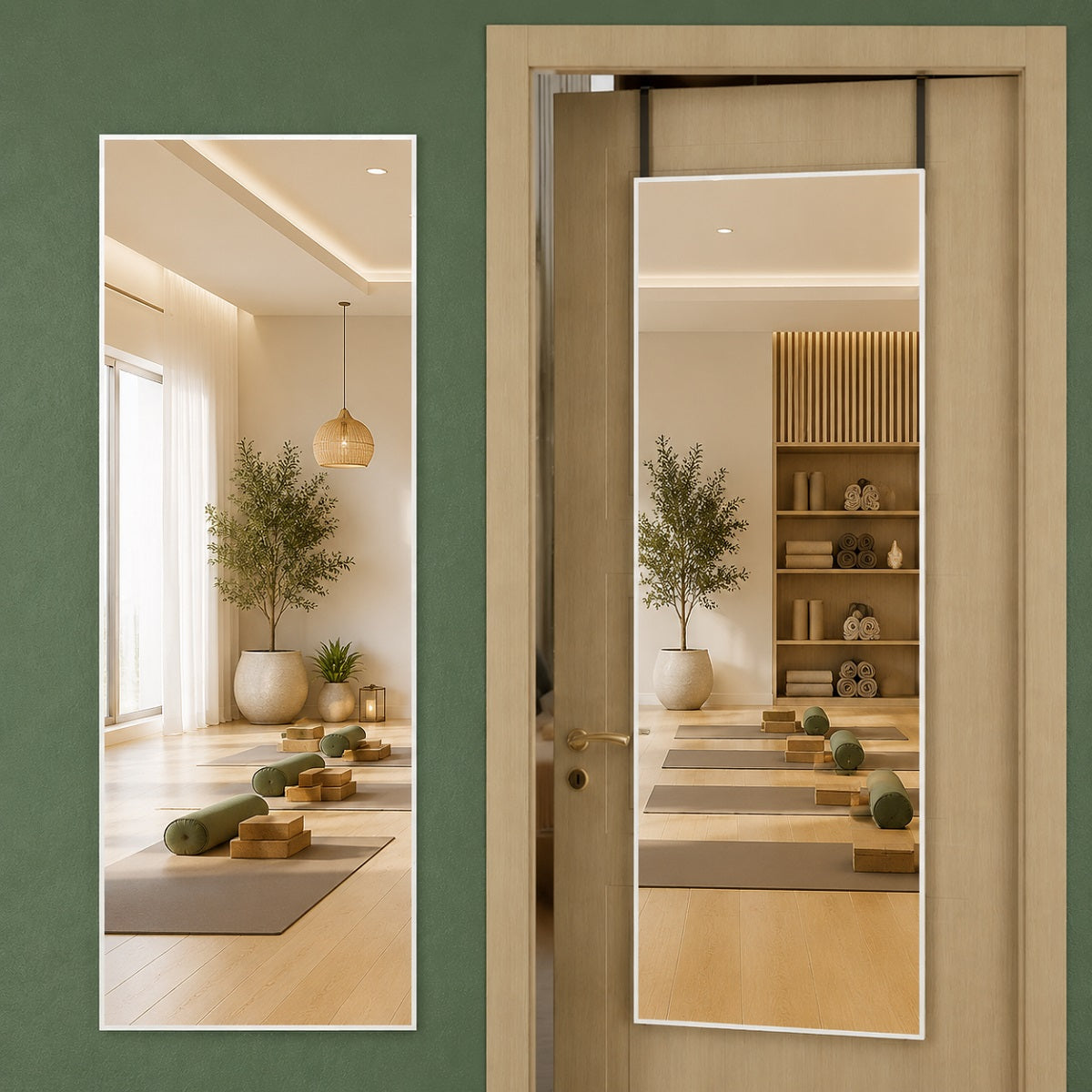
An over-the-door full-length mirror is worth considering when storage covers nearly every wall. It uses an existing vertical surface and keeps a mirror stand out of the aisle.
Decide which side of the door serves your routine. A mirror on the inside lets you check an outfit in the closet with the door closed. A mirror on the bedroom side gives you access to the bedroom's floor space. That can be more comfortable in a closet where there is barely room to turn around.
The Hasipu GM006 over-the-door mirror is listed at 51 x 16 inches and supports over-the-door hanging and wall mounting. Compare those dimensions with your door and the available viewing space, then confirm the hardware requirements for the version you choose.
Measure more than the door's width. Check its thickness, the gap above it, and the space behind it when fully open. The mirror and brackets need to let the door close and latch properly. The frame should also clear nearby shelves, handles, and hanging clothes throughout the swing.
Door construction matters, too. Use a mirror and mounting system approved for the door rather than assuming an ordinary wall mirror can be attached to it. Pocket, sliding, and bifold doors need their own compatibility checks.
For a shared closet, think about interruptions. A mirror attached to a moving door may be inconvenient when someone else needs to come in while you are checking a hem or tying a scarf.

Face the Mirror Down the Longest Clear Aisle
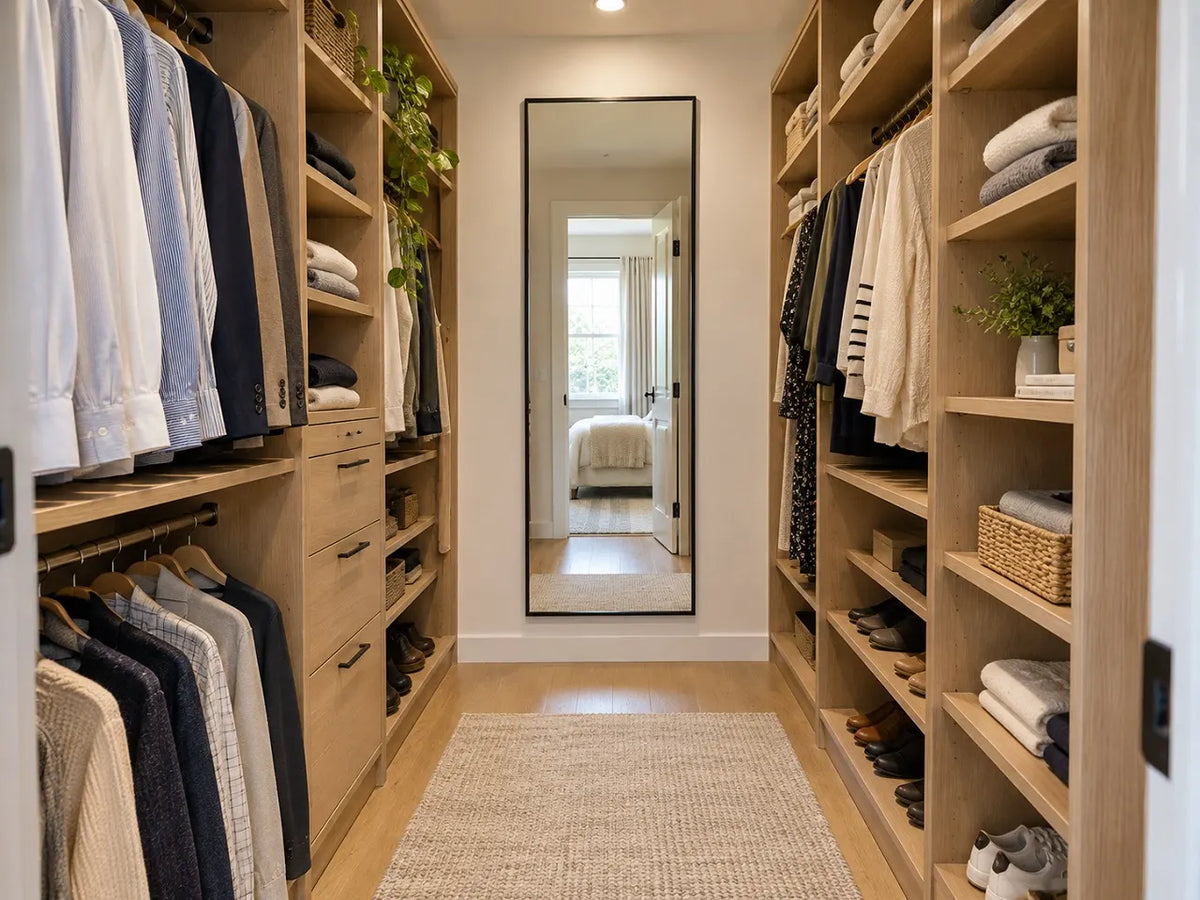
In a narrow closet with storage along both sides, the short end wall may offer the most useful view. A wall-mounted full-length mirror there lets you look along the length of the aisle rather than trying to stand across its narrow width.
Picture two rows of hanging clothes with a small blank wall between them at the far end. A slim mirror on that wall can use the existing aisle for outfit checks while leaving both clothing rods available.
The aisle needs to stay clear enough to use. A stool, basket, or shoe rack placed in front of the mirror can interrupt the lower part of the reflection. Long coats that extend into the aisle may create another obstacle.
Start by facing the mirror straight down the open path. Centering it on the room may look tidy, but a slight shift can be more practical when one side has deeper shelves or bulkier clothing. Check the actual view before deciding where the frame belongs.
Borrow a Surface From the Closet Cabinets
A tall cabinet near the entrance may have an exposed side panel that faces open floor space. That surface can be a useful place for a narrow mirror, especially when the adjacent walls are already occupied.
Check the angle from your standing spot. A cabinet side that faces a nearby clothing rod may offer very little room for viewing. One that faces the doorway or the length of the closet is more promising.
Have the cabinet manufacturer or installer confirm that the panel and mounting method can support the mirror. A thin decorative panel should not be treated as a structural wall.
For a closet renovation, a mirror-front cabinet door can combine storage access with an outfit check. The door and hinges must be designed for the added weight, and the reflective area needs to extend low enough for a useful view of your shoes.
A pull-out closet mirror is another option for built-ins. A purpose-built unit slides out from its stored position and pivots into view. It needs space inside the cabinet and clearance when extended, so include it in the layout plan before filling every bay with shelves. Have the installer check the selected system's requirements.
Use the Wall Behind the Door When the Swing Allows It
Sometimes the only bare wall is hidden behind the closet's entry door. A mirror there can work with the door closed, provided you can enter, close the door, and stand in front of it comfortably.
Check the door's entire movement. The handle, door edge, or an attached organizer must clear the glass and frame. A door stop may help control the opening, but the mirror still needs a location that works with the door's normal travel.
This spot deserves a practical test: close the door, pick up a pair of shoes, and move through an outfit check. A cramped shuffle around the door is a good reason to try another location.
Give the Mirror a Place Just Outside the Closet
A mirror beside the closet entrance can be easier to use than one squeezed between shelves. It stays close to your clothing while allowing you to check your outfit in the bedroom's available space.
Look for an adjacent wall that faces a clear standing area. Keep the doorway accessible and check the bedroom door swing, nearby drawers, and the route around the bed.
This arrangement can suit a U-shaped closet where storage occupies all three interior walls. Clothes remain inside; the outfit check happens a step or two beyond the entrance.
A narrow wall-mounted mirror keeps the floor open. A freestanding mirror needs enough room for its base or rear support as well as the person using it. Measure that footprint before choosing a style.
Consider privacy when the bedroom door is open. The mirror should be convenient during your routine without creating an unwanted view from the hallway.
Measure the Full Frame and the Moving Parts
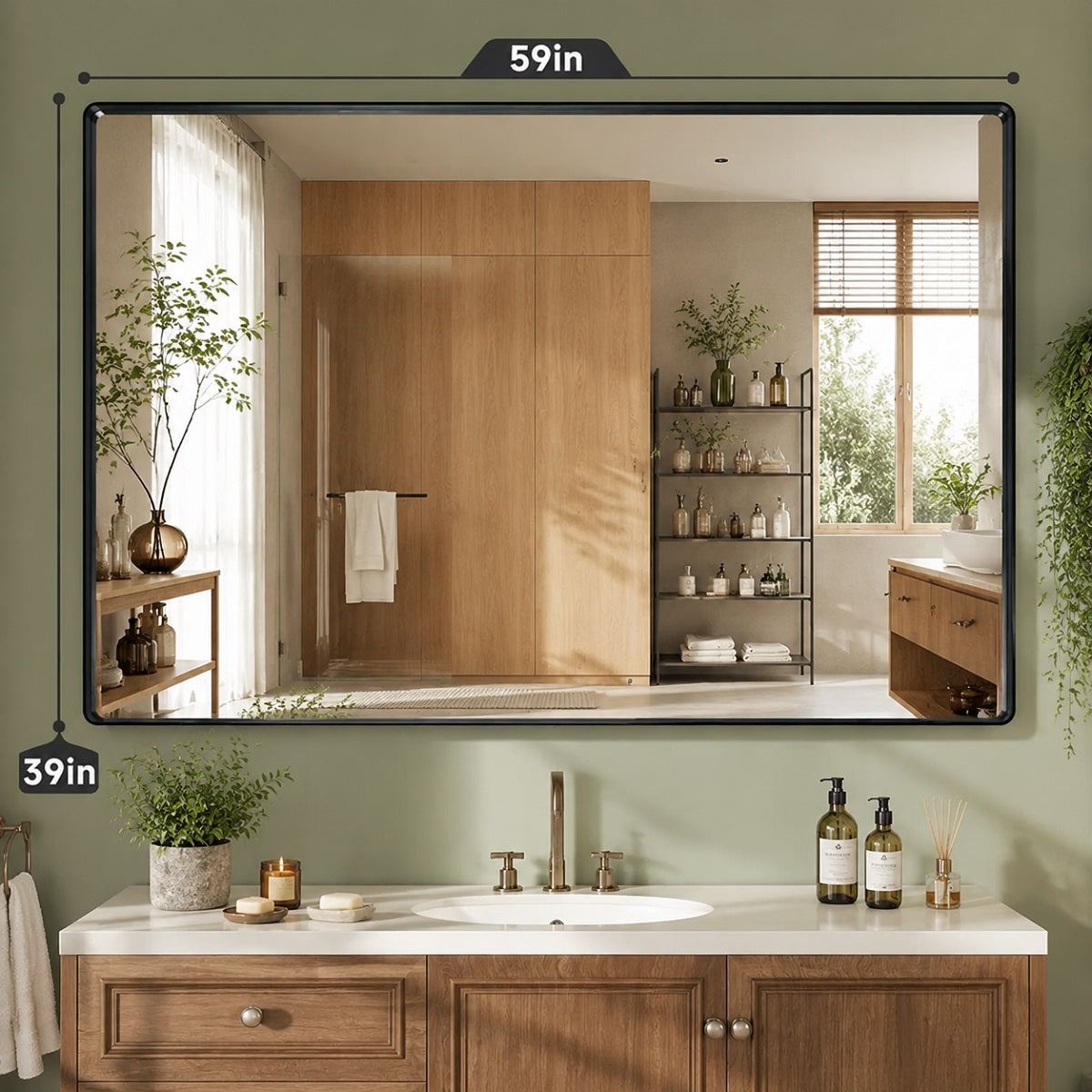
Product photos make it easy to underestimate the space a mirror needs. Use the full outer dimensions, including the frame, when comparing it with a door, wall strip, or cabinet panel. Check the separate clearance requirements for brackets and supports.
Before ordering, measure:
- The mounting surface: its usable width and height, excluding trim, switches, and hardware.
- The standing area: where your feet will go and what sits between that spot and the mirror.
- Door and drawer movement: the space occupied when nearby storage is fully open.
- The mirror's projection: frame depth, mounting hardware, and any stand or base extending into the aisle.
Outline the proposed mirror with painter's tape that is suitable for the surface. Open nearby doors and drawers, then stand where you plan to use it. The outline helps you judge fit and access; check the actual reflection with the mirror safely supported before final installation.
Test the mounting height for everyone who uses the closet. A mirror positioned for a taller adult may miss another person's shoes. Standing farther back alone will not fix every problem caused by an unsuitable mirror height or position.

Check the Light Where You Will Stand
A mirror at the darkest end of the closet may show your outfit poorly even when it fits the layout. Look at the light falling on your face and clothes from the proposed standing position.
Try the spot at the time you normally get dressed. Daylight from the bedroom may be useful in the afternoon but unavailable during an early morning routine. A bright window directly behind you can also make your reflection harder to read.
Pay attention to everyday details: Can you distinguish dark navy pants from black ones? Can you see the drape of a jacket and the length of a skirt? A single overhead fixture may leave parts of your outfit in shadow.
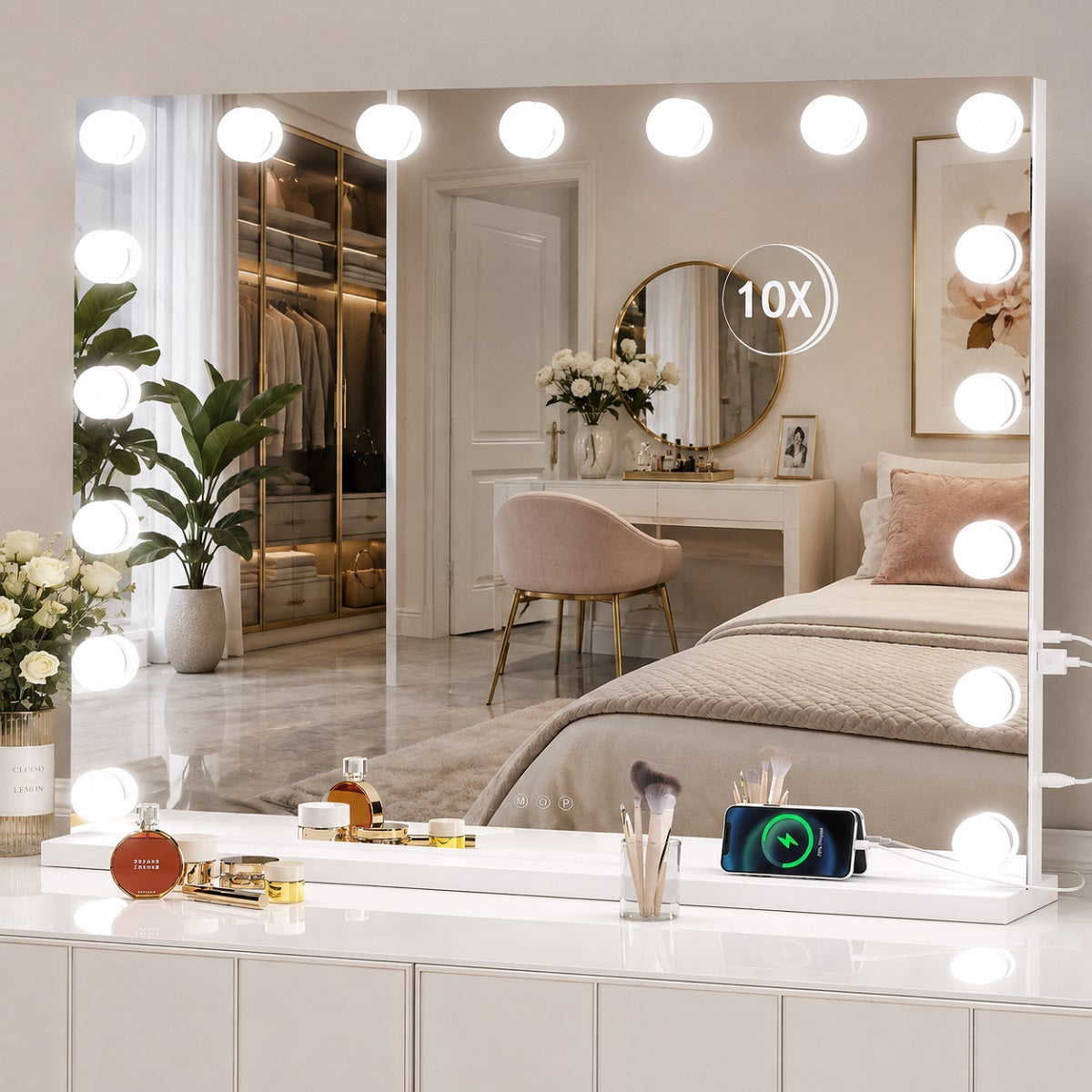
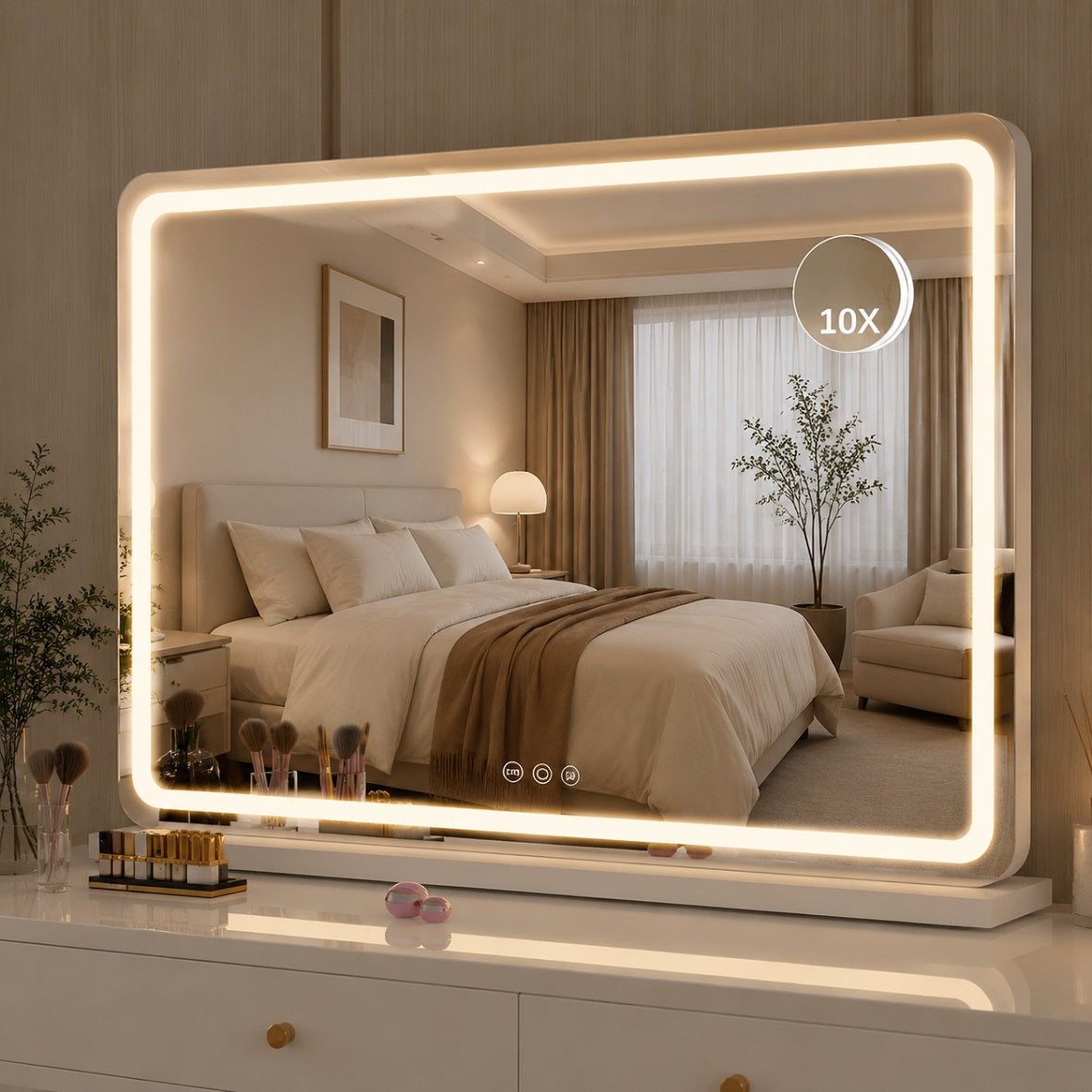
An illuminated mirror can add light, but check how the selected model lights you at your viewing position. Plan access to an outlet before installation and keep cords clear of doors, drawers, and walkways.
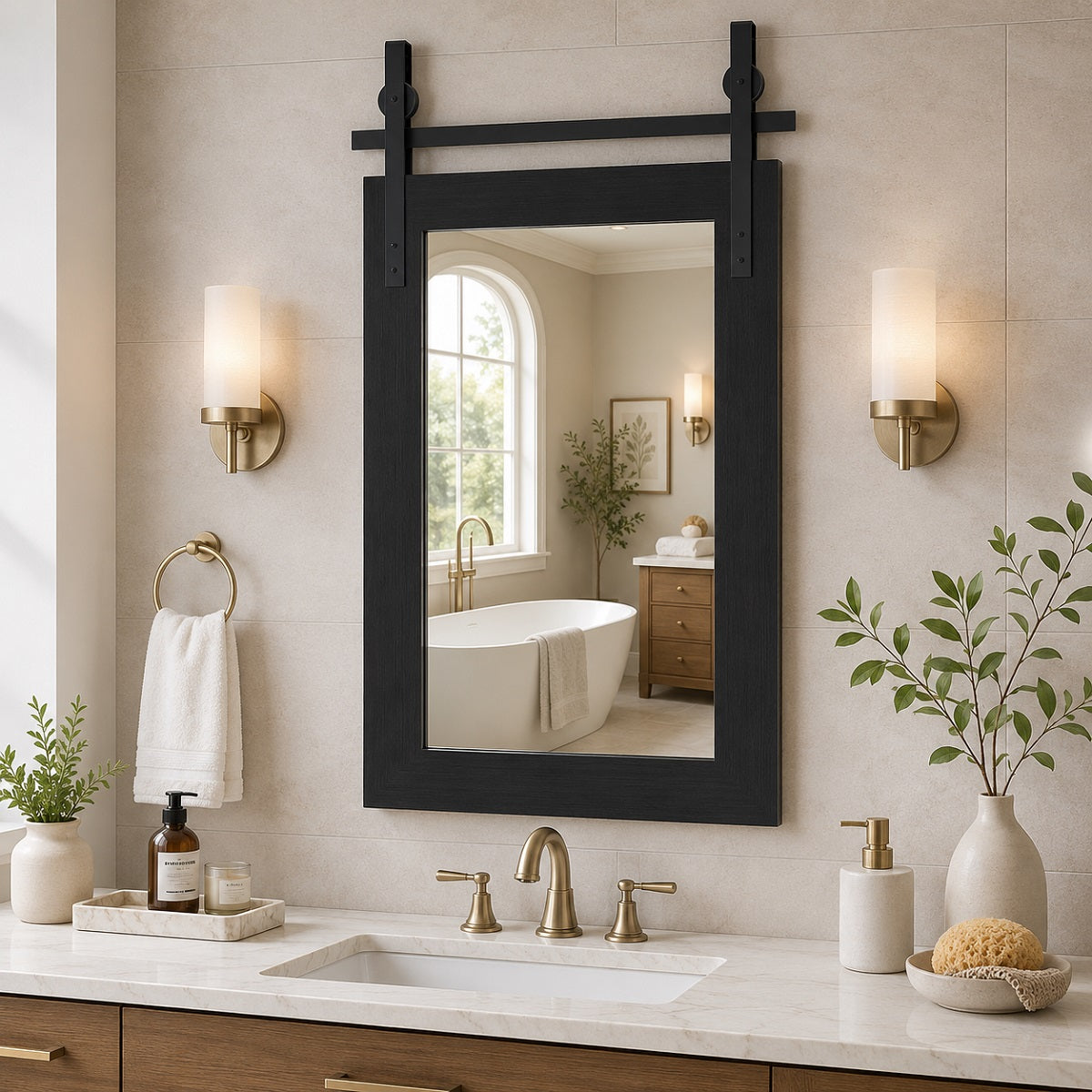
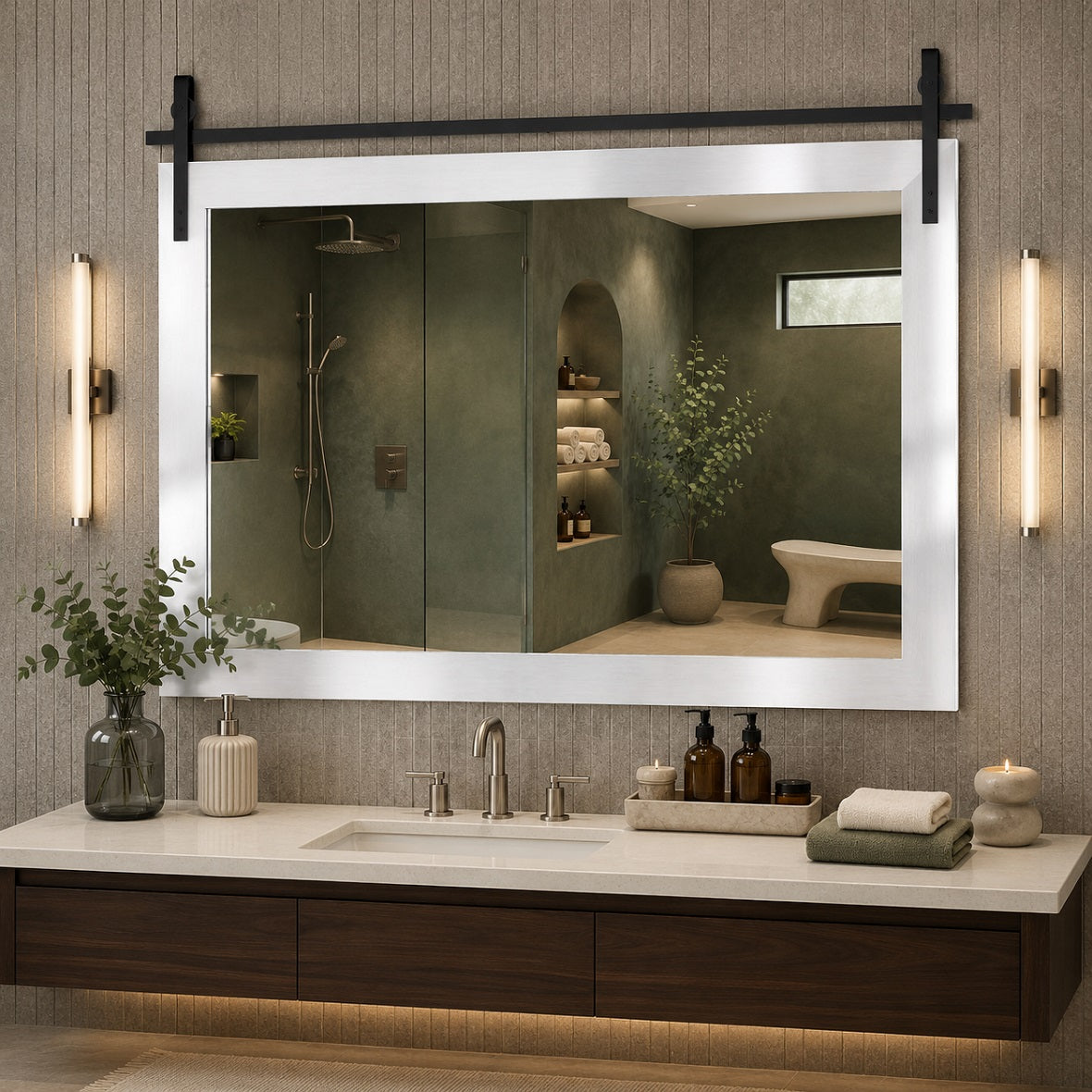
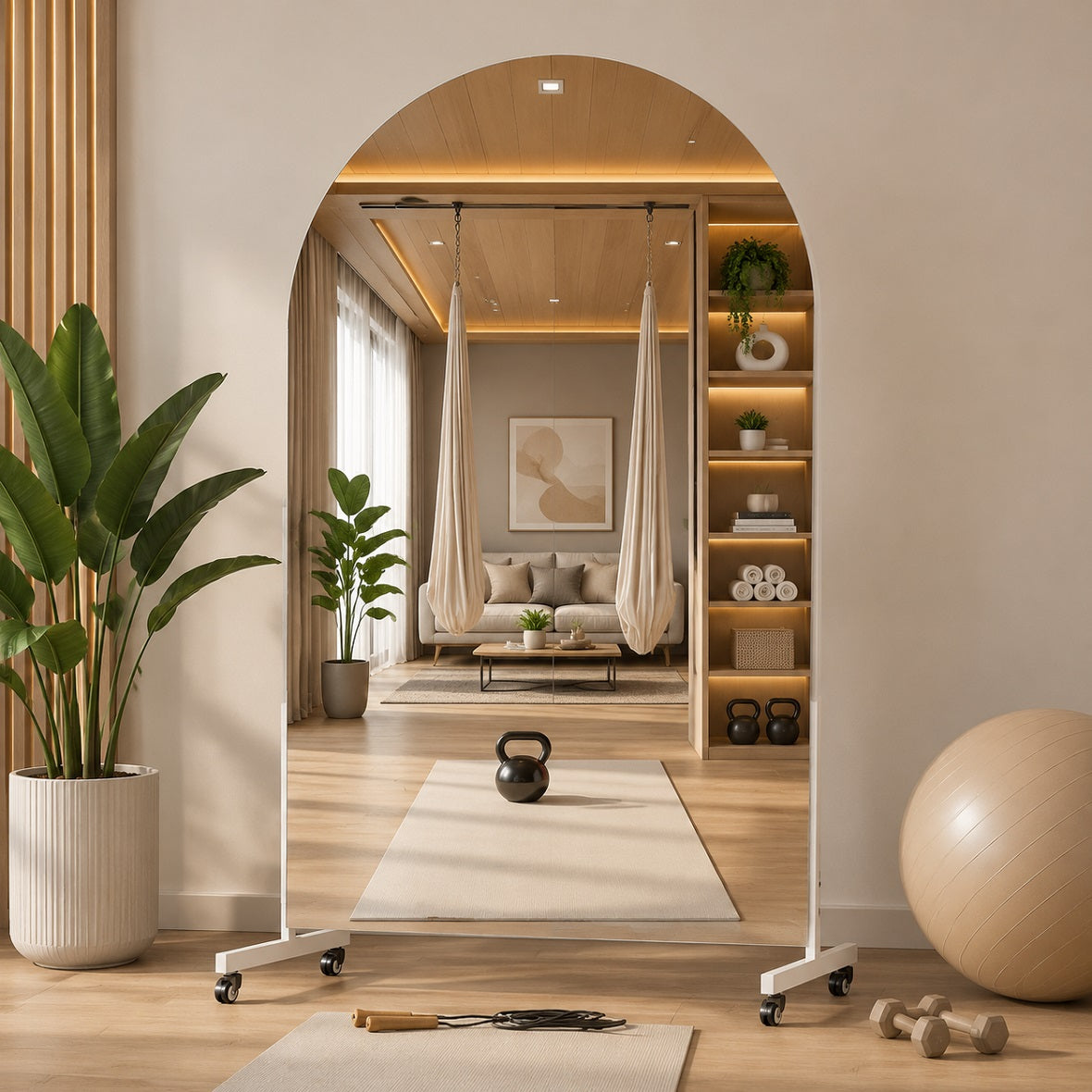
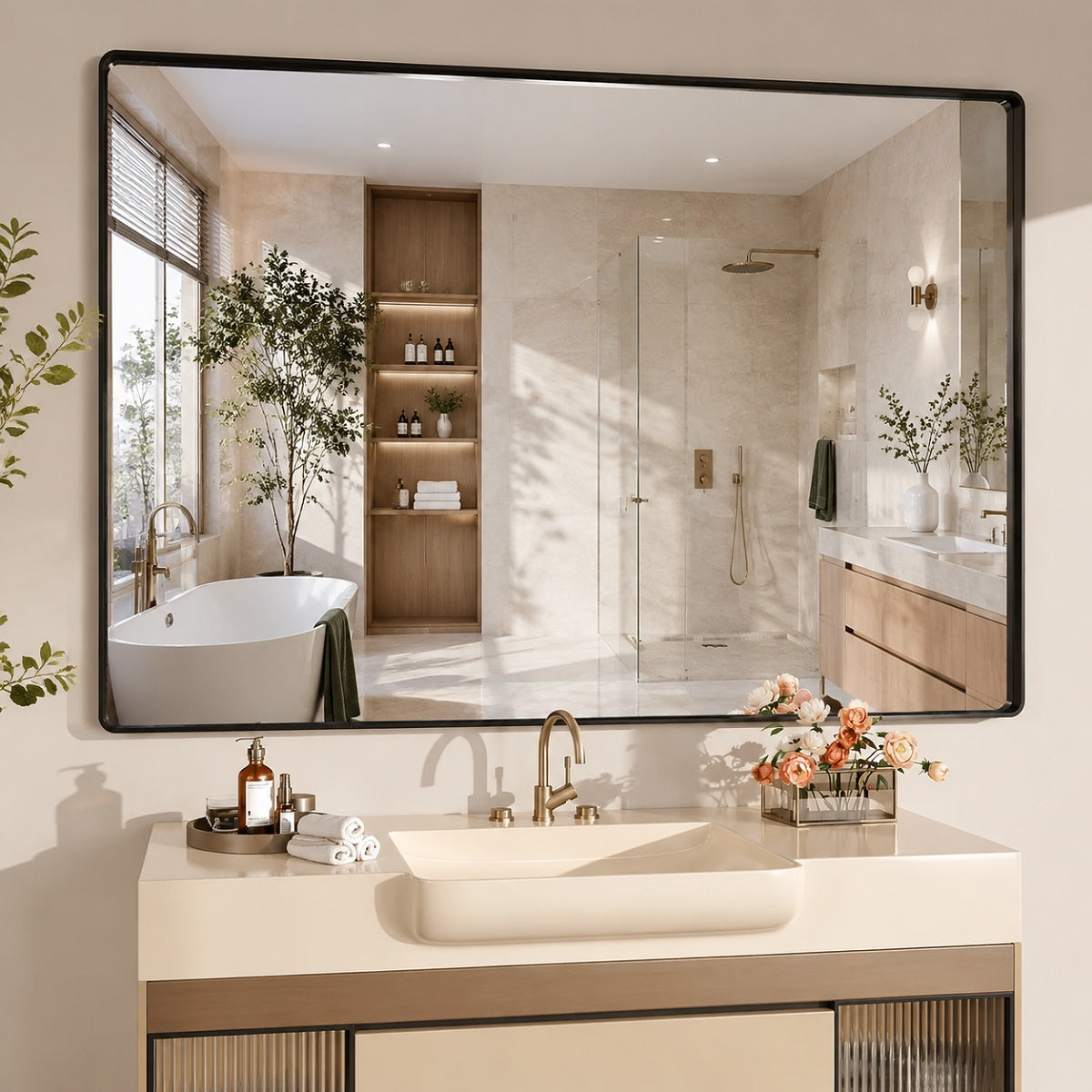
Once the location and mounting method are settled, compare the dimensions and styles in the Hasipu full-length mirror collection. Choose the frame that fits your available space, then coordinate its finish with the closet hardware or nearby furniture.
Frequently Asked Questions
1. Can a full-length mirror go on the back of a closet door?
Yes, when the mirror, hardware, and door are compatible. Check door thickness, construction, top clearance, and the full swing. The door should close normally, and the mirror should clear surrounding storage.
2. How much room do you need in front of a closet mirror?
There is no single distance that suits every mirror and closet. You need a comfortable standing position and a clear view of your whole outfit. Test the reflective area and mounting height as well as the distance. In a narrow closet, facing the mirror down the aisle may give you more room to work with.
3. Should a closet mirror reach the floor?
It does not have to touch the floor to show your shoes. You should be able to see your head and feet from your normal standing position. Test that view before fixing the mounting height.
4. Is a leaning mirror a good choice for a small walk-in closet?
A leaning mirror can suit an unused corner when the model is designed for that setup and secured as instructed. Measure the space occupied by its angle and base. In a busy, narrow aisle, a compatible door-hung or wall-mounted mirror will usually leave more floor space available.