Table of Contents
Mirrors can brighten a dark room, make a narrow hallway feel more open, and turn an empty wall into a useful focal point. Those benefits depend heavily on placement. A mirror in the wrong spot may reflect clutter, create uncomfortable glare, interrupt sleep, expose private areas, or become a safety concern.
The best location is not always the brightest wall or the nearest open space. Before hanging a mirror, stand where people normally sit, walk, sleep, or enter the room. Look at the wall and picture exactly what the glass will reflect during the day and after dark.
This guide explains where not to place mirrors in your house, which locations present practical problems, and which common mirror rules come from comfort, decorating preferences, or feng shui beliefs.
Mirror Placements to Avoid
| Location | Possible Problem | Better Approach |
|---|---|---|
| In strong direct sunlight | Glare, concentrated reflected light, and possible fire risk from certain reflective objects | Reflect soft, indirect daylight |
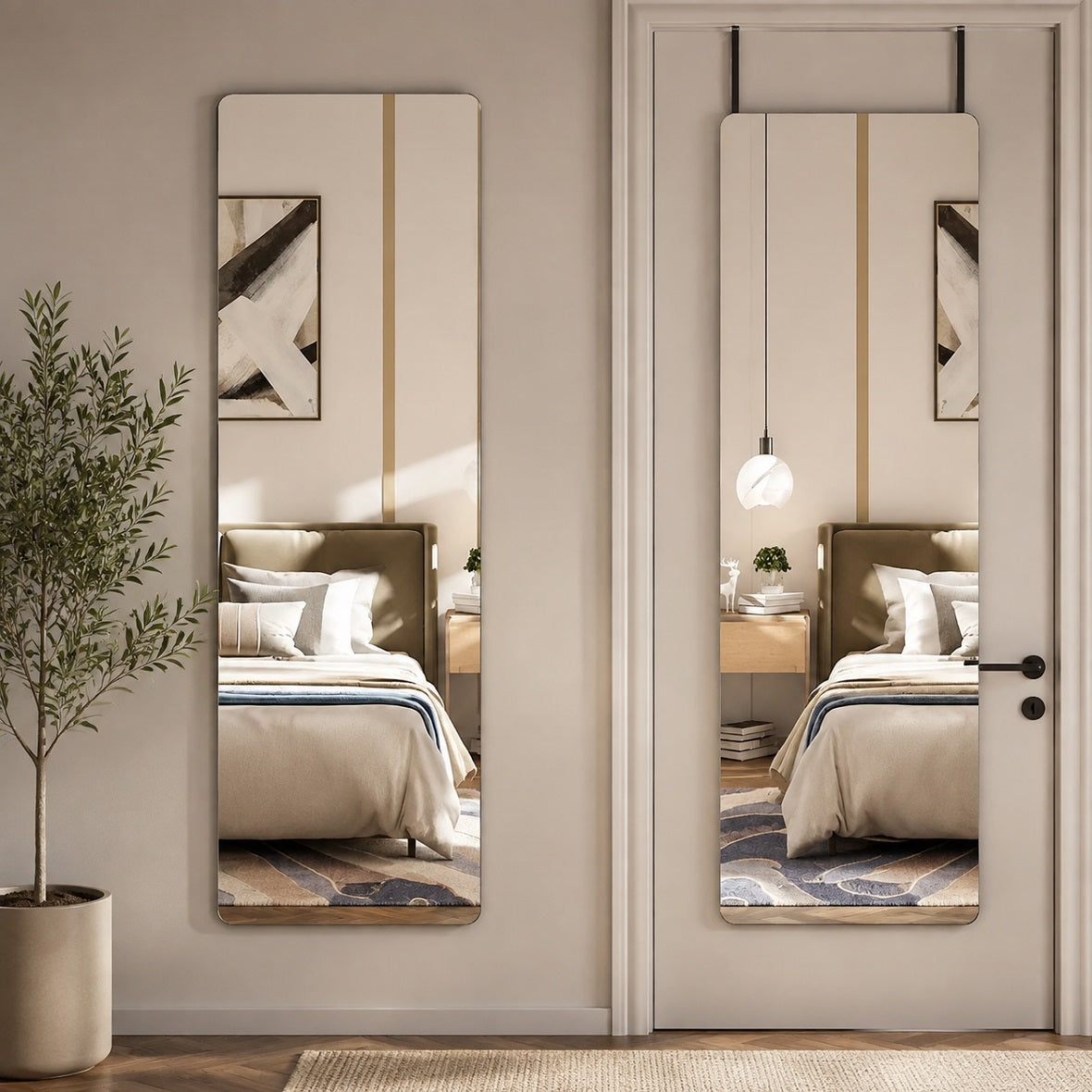
| Directly facing the bed | Nighttime light and movement may feel distracting | Place the mirror beside the bed or near the closet |
| Above the bed without secure support | A heavy mirror could loosen or fall | Use properly rated mounting or another wall |
| Opposite a cluttered area | Repeats the appearance of visual mess | Reflect artwork, plants, or open space |
| Facing a television | Doubles screen light and movement | Use a wall perpendicular to the screen |
| Where a door can strike it | Impact may damage the frame or glass | Check the complete door swing |
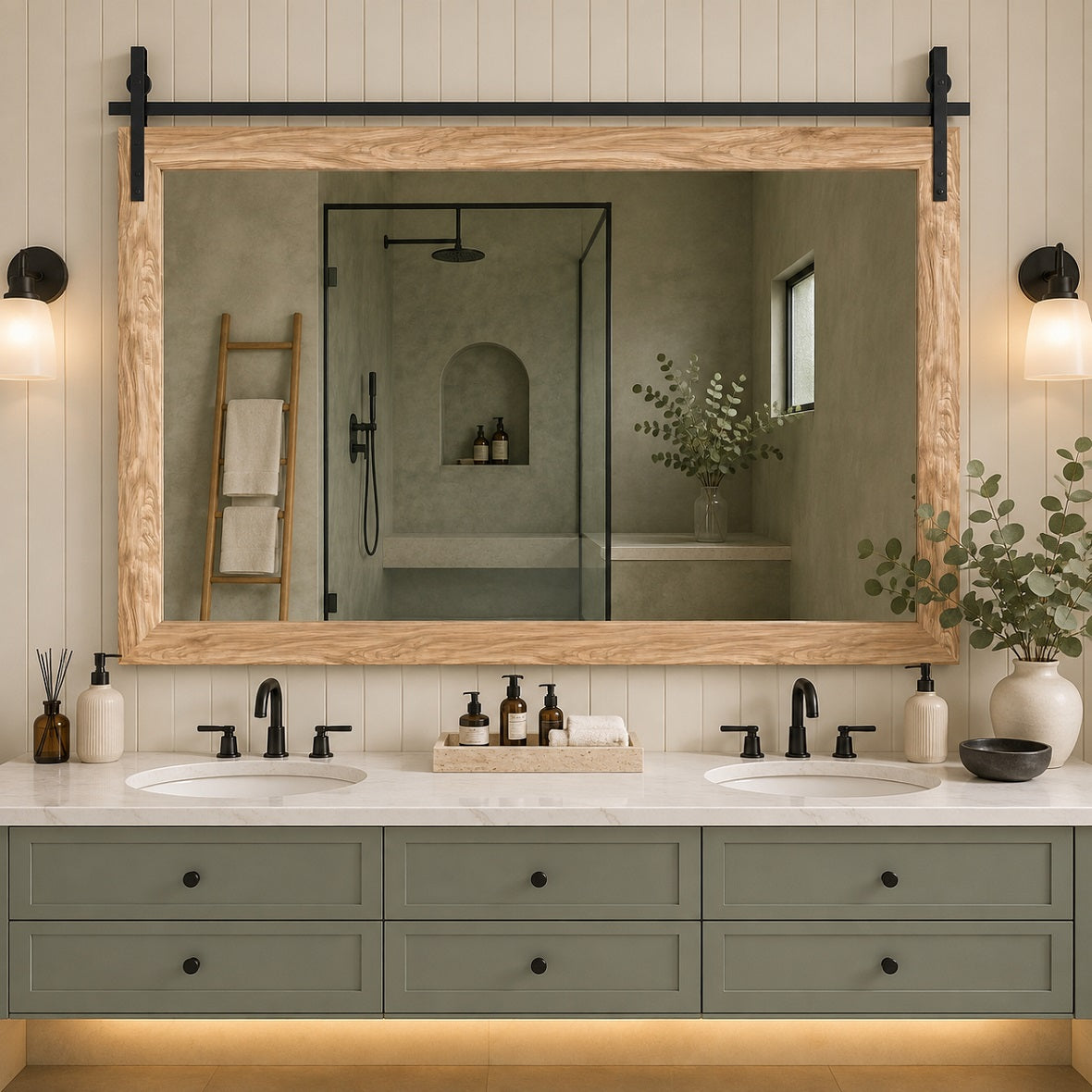
| Beside a shower or bathtub | Fogging, water spots, and frame damage | Use a bathroom-suitable mirror above the vanity |
| Opposite another large mirror | Creates repeated reflections | Angle or relocate one mirror |
| Across from a toilet | Produces an awkward reflected view | Center the mirror above the sink |
| At an unusable height | Poor visibility and uncomfortable viewing | Position it around natural sightlines |
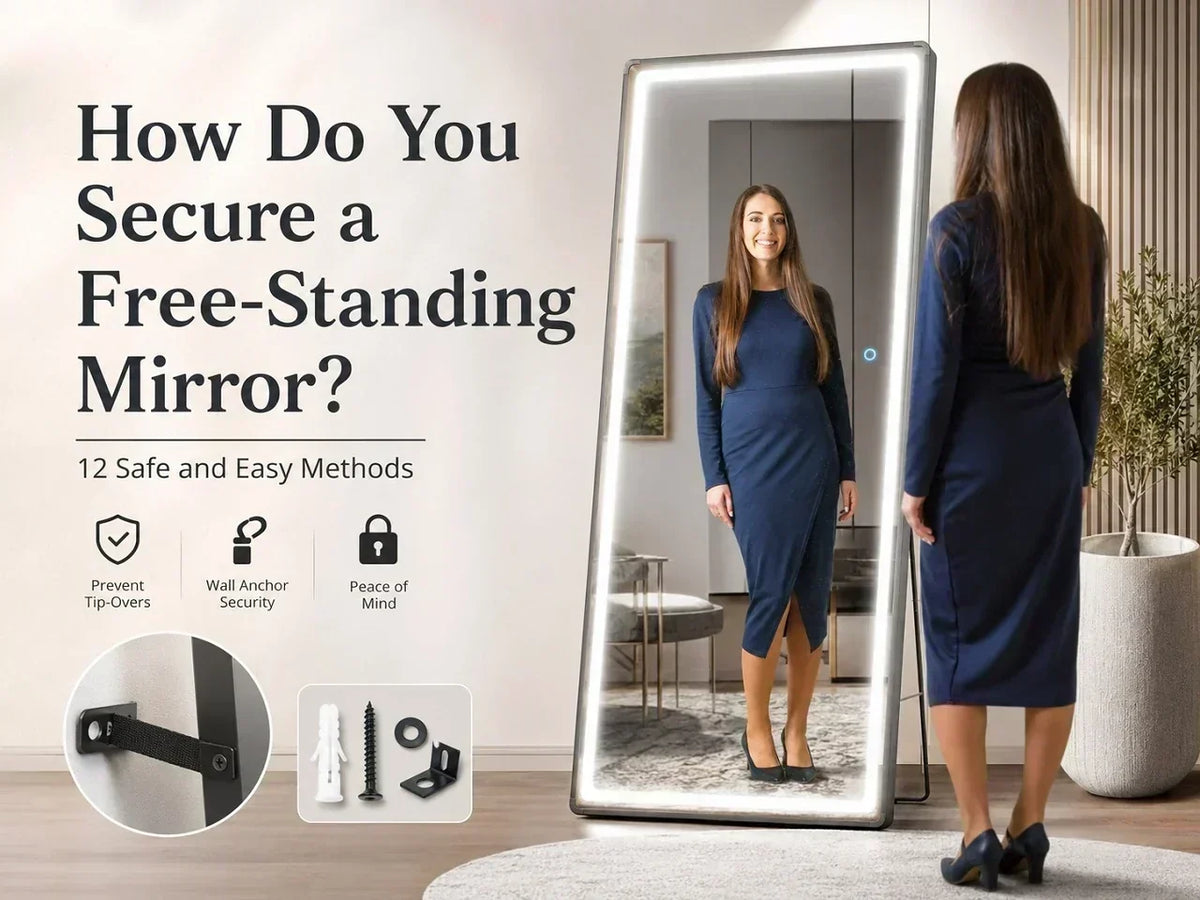
| Unsecured in a busy walkway | Sliding, tipping, and collision risk | Anchor the mirror or move it to a quieter area |
1. Avoid Strong, Direct Sunlight
Mirrors are often placed near windows to distribute daylight through a room. This can work beautifully when the light is soft. Strong sunlight hitting a reflective surface may produce intense glare across furniture, television screens, artwork, or seating areas.
Small magnifying makeup and shaving mirrors need extra care. Their curved glass can concentrate sunlight into a small, hot point. Keep these mirrors away from sunny windowsills, curtains, bedding, paper, and other combustible materials.
This concern is supported by documented incidents. The London Fire Brigade has reported residential fires believed to have been caused by sunlight reflecting from makeup mirrors and other glass objects. Its guidance recommends keeping mirrors and reflective items away from direct sunlight and flammable materials. A 2024 residential fire report identified a makeup mirror as the suspected source.
A large flat wall mirror does not focus light in exactly the same way as a concave magnifying mirror. It can still send harsh glare into the room. Observe the proposed location in the morning, afternoon, and early evening before installing the mirror.
A safer placement catches daylight from the side and reflects it gently into the room.

2. Think Carefully About a Mirror Facing the Bed
There is no universal rule banning mirrors from bedrooms. The concern is usually comfort rather than safety.
A mirror facing the bed may reflect headlights, phone screens, hallway light, ceiling fans, or movement outside a window. Waking during the night and seeing an unexpected reflection can also feel unsettling.
Feng shui traditions often discourage this placement because mirrors are believed to create active energy in a room intended for rest. That belief is personal and cultural rather than a construction or safety standard.
Bedrooms with limited wall space can use several other mirror placements:
- On a side wall beside the bed
- Near the closet
- Inside a wardrobe door
- Above a dresser angled away from the bed
- In a separate dressing corner
- On the wall beside the bedroom entrance
Test the location after dark. Lie in bed with the lights off and look for reflected windows, moving shadows, electronics, or hallway light. The nighttime view gives a clearer answer than the room’s appearance during the day.
3. Avoid Hanging a Heavy Mirror Above the Bed
The wall above a headboard often looks empty, making a large decorative mirror seem appealing. This location carries more risk than a mirror above a dresser or console.
A mirror above the bed hangs directly over people for several hours each night. Weak anchors, damaged hanging wire, unsuitable brackets, or poor wall construction may allow it to loosen.
Lightweight decorative mirrors can work when the manufacturer permits the placement and the mounting system is rated for the full weight. Large, heavy, antique, or loosely framed mirrors belong on a safer wall.
Possible alternatives include framed artwork, a fabric wall hanging, lightweight wall panels, wallpaper, or a painted feature wall.
A mirror installed above a bed should use hardware suited to both its weight and the wall material. Heavy pieces may require attachment to wall studs, a French cleat, or professional installation. Adhesive strips are not suitable for every mirror.
Homes in earthquake-prone regions require added care. Local safety guidance and professional recommendations should guide the installation.
4. Do Not Reflect Clutter or Unattractive Views
A mirror does not hide a messy corner. It repeats it.
Placing one across from open storage, a crowded countertop, laundry, tangled cords, a litter box, or an unmade bed can make the room appear busier. The frame may look attractive, but the reflection becomes the part people notice.
Designers frequently identify this as a common placement mistake. The Spruce recommends checking the reflected scene and avoiding locations that reproduce clutter or unattractive areas. Its guide to mirror decorating mistakes also emphasizes scale and purposeful placement.
Before drilling, hold the mirror against the wall or mark its outline with painter’s tape. View the location from the doorway, sofa, dining table, and nearby hallway.
Better subjects for a mirror include artwork, plants, a tidy seating area, an attractive light fixture, or a window with a pleasant view. The reflected scene does not need to be dramatic. It should simply look intentional.
5. Avoid Placing a Mirror Opposite a Television
A mirror facing a television can repeat screen light, movement, and subtitles across the room. This becomes especially distracting at night.
The same issue can occur with desktop monitors and large digital displays. During video calls, a mirror may reveal areas meant to remain outside the camera frame.
A side wall usually works better. Positioning the mirror perpendicular to the screen can preserve reflected light without duplicating the television image. A small adjustment in height or angle may solve the problem without moving the mirror to another room.
Mirrored furniture and glossy cabinet doors can create similar reflections. Check the view from the sofa after dark, when screen glare becomes easier to notice.

6. Do Not Install a Mirror Where a Door Can Hit It
The wall behind an open door may look like unused space. Once the door swings fully, its handle or edge can strike the mirror.
This problem commonly appears near bedroom doors, closet doors, cabinets, laundry rooms, and glass shower doors. Hooks and objects hanging from the door add even more reach.
Open every nearby door to its widest position before choosing the mirror location. Check the handles, hinges, towel bars, and any items attached to the door.
A doorstop may add protection, but it should not be the only barrier between a moving door and a large glass surface. Leave enough clearance to prevent contact.
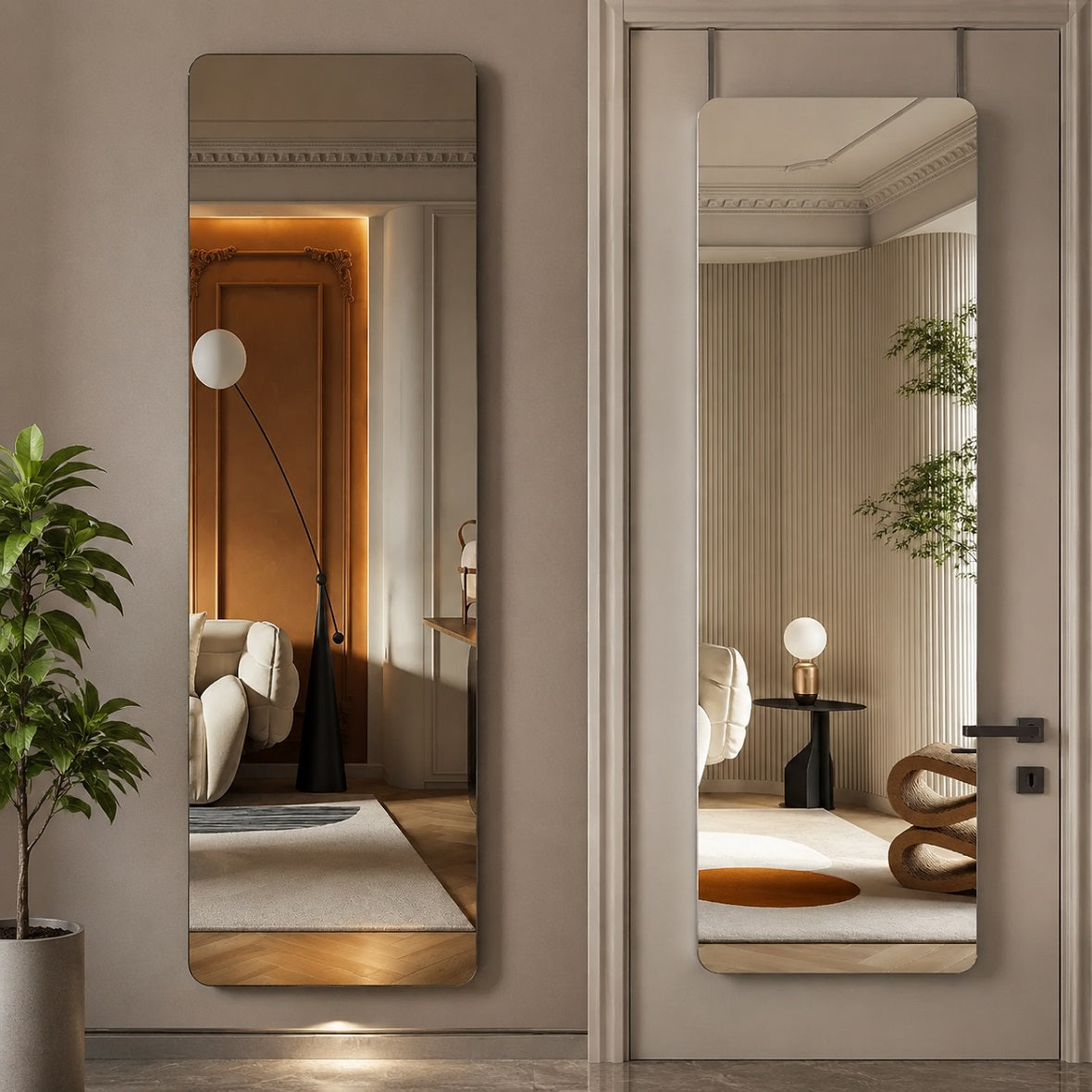
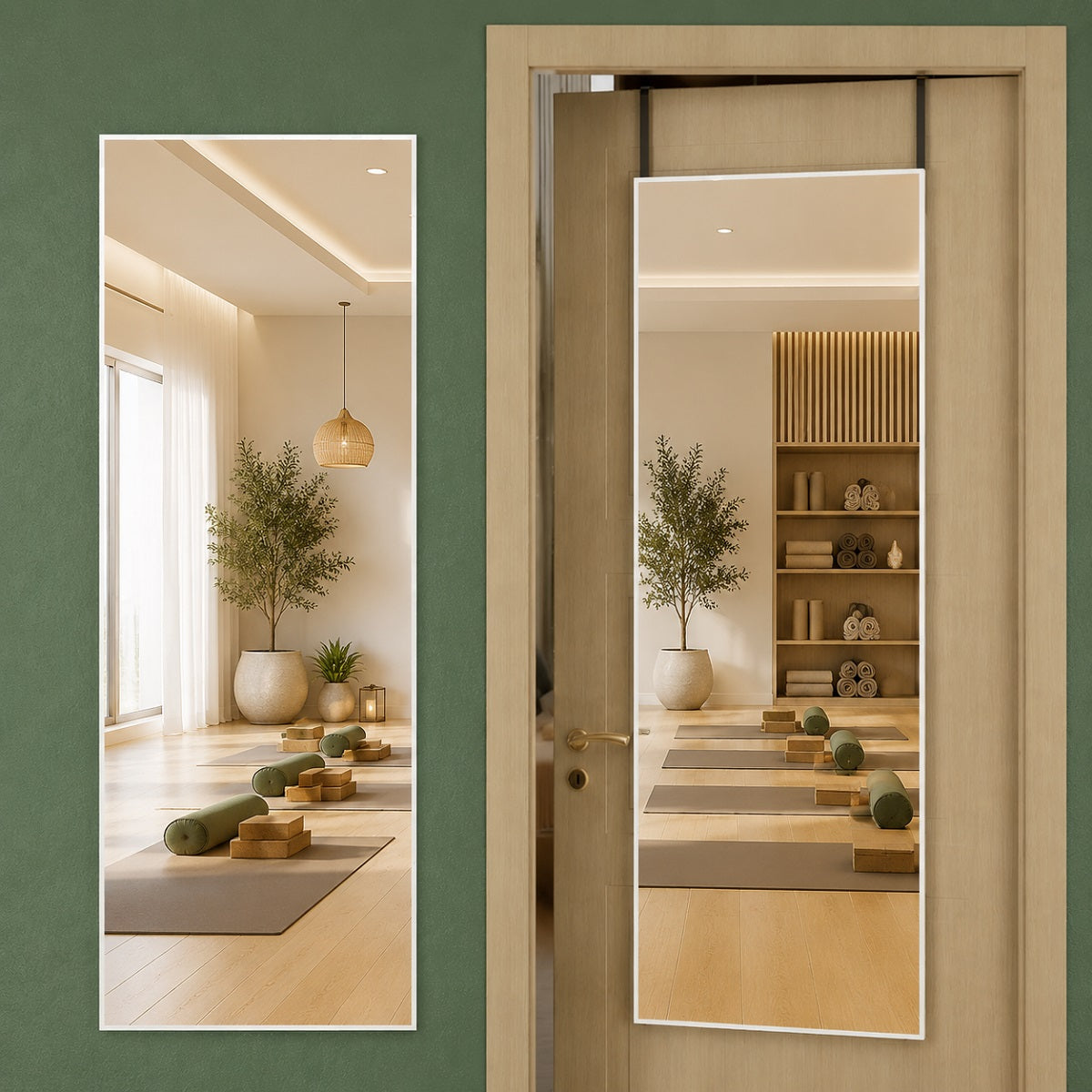
An over-the-door mirror is designed for a different installation method. It should remain firmly secured so it does not swing, rattle, or interfere with the handle and hinges.
7. Avoid Using the Wrong Mirror Near a Shower or Bathtub
Bathrooms are natural places for mirrors, but not every frame and backing can tolerate repeated humidity and water exposure.
An unfinished wood frame or MDF backing placed beside a shower may swell, peel, or discolor. Unprotected metal can corrode. Regular splashing may also damage the mirror edges and leave persistent water spots.
A mirror beside the shower usually fogs more quickly and needs frequent cleaning. Poor bathroom ventilation makes the problem worse.
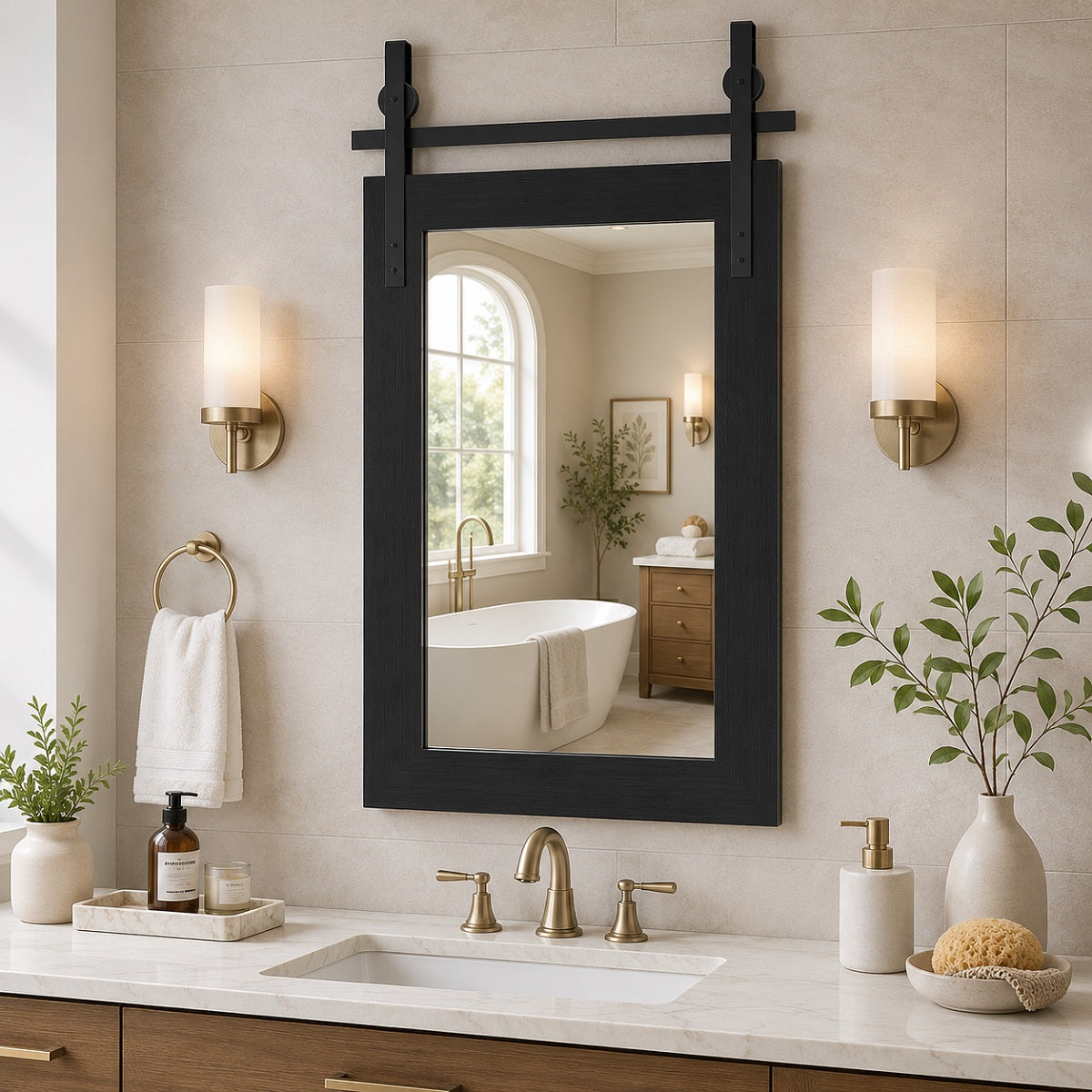
The space above the vanity is usually more practical. Choose a bathroom mirror made with materials suited to humid interiors and maintain airflow with an exhaust fan.
Review these details for mirrors installed near water:
- Frame material
- Mirror backing
- Edge sealing
- Moisture resistance
- Mounting hardware
- Electrical rating for LED models
- Distance from the shower or bathtub
Electrical installation near water needs to comply with local codes. A qualified electrician should handle hardwired LED mirrors where required.
8. Avoid Placing a Large Mirror Directly Across from the Toilet
This placement is not dangerous, but it rarely creates the most attractive or comfortable view.
A mirror facing the toilet makes it visible from several angles and may reflect it into the hallway when the bathroom door is open. The mirror also uses valuable wall space without helping with grooming.
A bathroom vanity mirror works best where it provides a clear face and upper-body view, usually above the sink. A second decorative mirror can reflect tile, artwork, a window, or another intentional feature.
Small bathrooms sometimes offer very few usable walls. A narrow vertical mirror, angled design, or mirrored medicine cabinet can provide a practical alternative.
9. Be Careful with Mirrors Facing Each Other
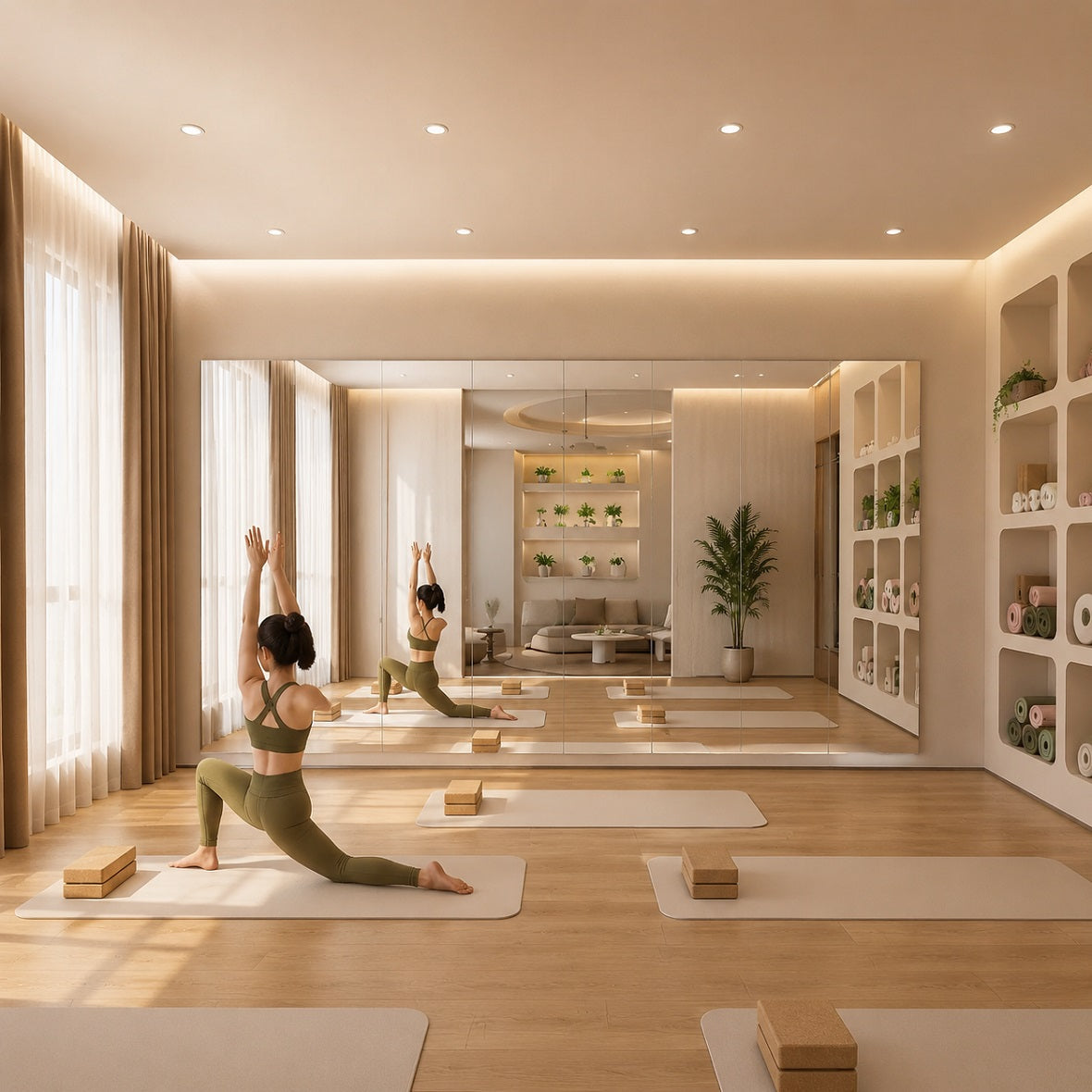
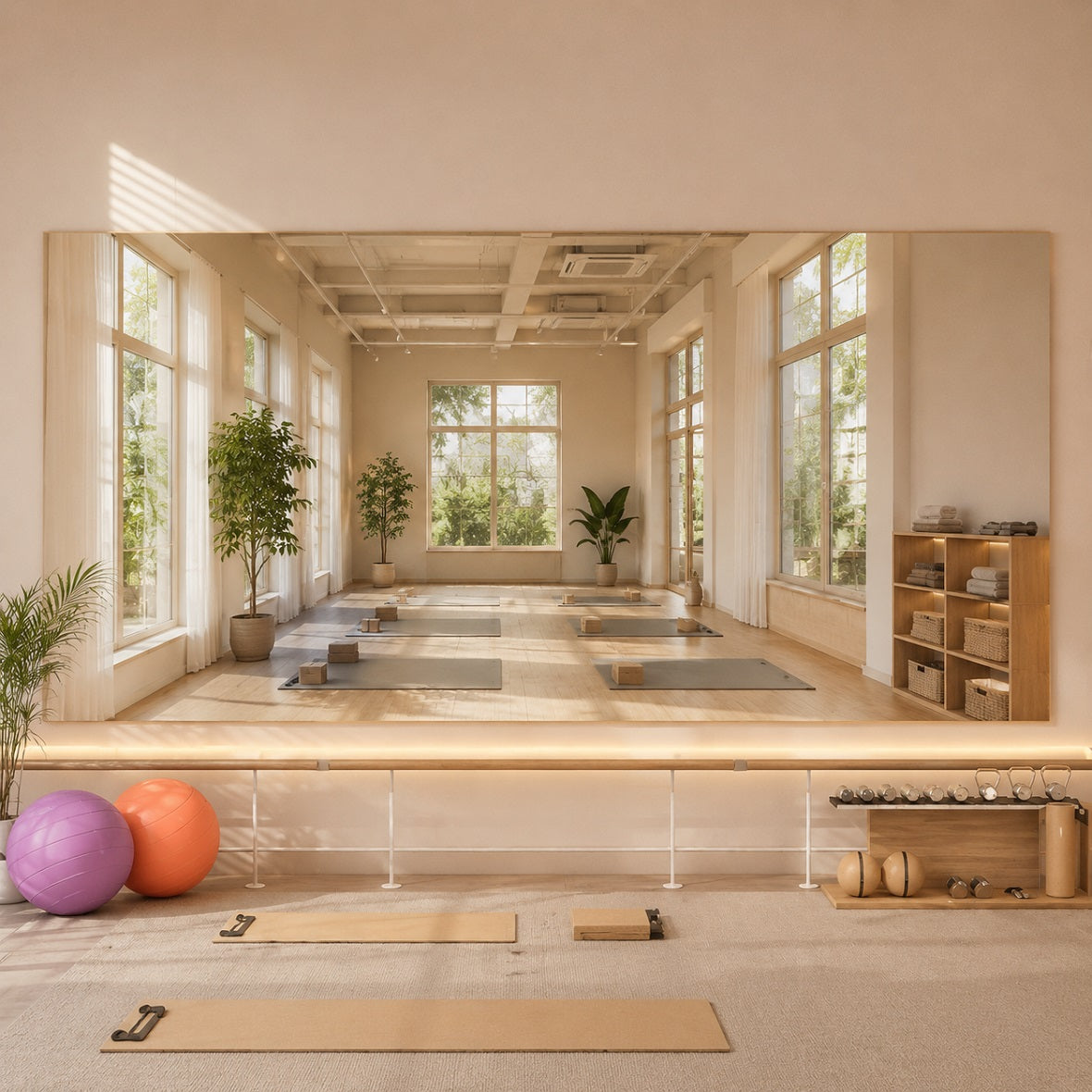
Two large mirrors placed directly opposite one another create an endless tunnel of repeated reflections. The effect may suit a salon, fitting room, dance studio, or artistic interior. Inside an ordinary home, it can feel visually busy.
Facing mirrors also multiply lamps, doors, windows, people, and movement. In a narrow hallway, this may make the room feel confusing rather than open.
There is no safety rule against this arrangement. The main concern is visual comfort. Moving one mirror slightly or changing its angle can stop the repeated tunnel effect.
Mirrors on opposite walls do not always need to be removed. Small changes in position often produce a calmer result.
10. Avoid Mirror Positions That Reduce Privacy
A mirror can reveal much more than the person standing in front of it. It may reflect a bedroom, bathroom, computer screen, front door, or private area from another room.
Privacy problems commonly occur in:
- Entryways facing bedroom doors
- Bathrooms visible from hallways
- Home offices with screens behind the chair
- Bedrooms visible from living areas
- Apartments with street-facing windows
- Shared dressing rooms
- Guest bedrooms
Check the mirror from nearby doors, windows, seating areas, and hallways. Walk through the room rather than judging the view from a single position.
Nighttime changes the situation. Interior lighting can make rooms more visible through windows after dark. A mirror facing a window may extend the sightline into another area of the home.
Curtains, window shades, frosted film, or a small change in mirror angle can improve privacy.
11. Do Not Lean an Unsecured Mirror in a Busy Walkway
Leaning mirrors create a relaxed appearance and avoid permanent wall installation. Their stability depends on the floor, frame weight, angle, and surrounding activity.
A mirror placed in a busy path may be bumped by people, pets, vacuum cleaners, laundry baskets, or furniture. Its lower edge may also slide forward on hardwood, laminate, vinyl, and tile.
Avoid leaning mirrors behind doors, beside stairs, in narrow hallways, near play areas, or next to frequently moved furniture.
Floor-safe rubber pads can reduce movement, but a large leaning full-length mirror should also use manufacturer-approved anti-tip hardware. A wall-mounted mirror or properly supported freestanding mirror is more suitable for a high-traffic location.

12. Avoid Hanging Mirrors Too High or Too Low
A mirror can be securely installed and still feel wrong because its height does not match the people using it.
An entryway mirror placed above everyone’s eye line loses much of its function. A bathroom mirror mounted too low may cut off taller users, while one placed too high may be uncomfortable for children or shorter adults.
There is no fixed height that works for every room. User sightlines, mirror dimensions, furniture height, and ceiling proportions all affect the result.
A mirror above furniture should relate to the width of the piece beneath it. A small mirror floating above a long console looks disconnected. A wide mirror extending far beyond a narrow vanity may feel top-heavy.
Use painter’s tape to mark the complete dimensions on the wall. View the outline from the room entrance and from the position where the mirror will be used.
Final Thoughts
The best mirror placement begins with what appears in the reflection, not with the nearest empty wall. A well-positioned mirror can reflect soft daylight, artwork, plants, or an open part of the room while remaining useful for grooming, dressing, and everyday checks.
A mirror facing the front door is not automatically a poor choice. The placement becomes less comfortable when it creates glare, reflects hallway clutter, exposes a private room, or surprises someone entering the house. Mounting the mirror beside or perpendicular to the door often provides a more natural entryway view.
Knowing where not to place mirrors in your house comes down to safety, comfort, and daily use. Avoid strong direct sunlight, weak mounting, door impact, excess moisture, busy walkways, and reflections of clutter, screens, toilets, or private areas. Check the proposed location during daylight and after dark, since lamps, headlights, screens, and window views can change the reflection.
Hasipu mirrors are designed for bathrooms, bedrooms, entryways, dressing areas, living rooms, and other everyday spaces. The right size and style matter, but thoughtful placement is what allows a mirror to brighten the room, support daily routines, and feel natural in the space.
Frequently Asked Questions
1. Is It Bad to Put a Mirror Opposite a Window?
No. A mirror opposite a window can spread daylight through a room. Direct glare and concentrated sunlight are reasons to adjust its angle or choose another wall. Keep small magnifying mirrors away from direct sun.
2. Should a Mirror Face the Bed?
This depends on comfort and personal beliefs. Reflected light and movement may feel distracting at night. A side wall, closet area, or dressing corner can create a calmer arrangement.
3. Is It Safe to Hang a Mirror Above a Bed?
Safety depends on the mirror’s weight, frame, wall construction, and mounting system. Large or heavy mirrors need properly rated hardware. Another wall is safer when secure installation cannot be confirmed.
4. Can a Mirror Face the Front Door?
Yes. The placement may still create an abrupt reflection, expose another room, or conflict with feng shui preferences. A mirror beside the entrance offers similar function.
5. Can Two Mirrors Face Each Other?
They can, but the repeated reflections may feel busy or disorienting. This arrangement is more common in salons, studios, dressing rooms, and commercial spaces.
6. Where Should a Mirror Go in a Small Living Room?
Choose a location that reflects indirect daylight, artwork, plants, or an open section of the room. Avoid reflecting the television, clutter, or harsh lighting.