Table of Contents
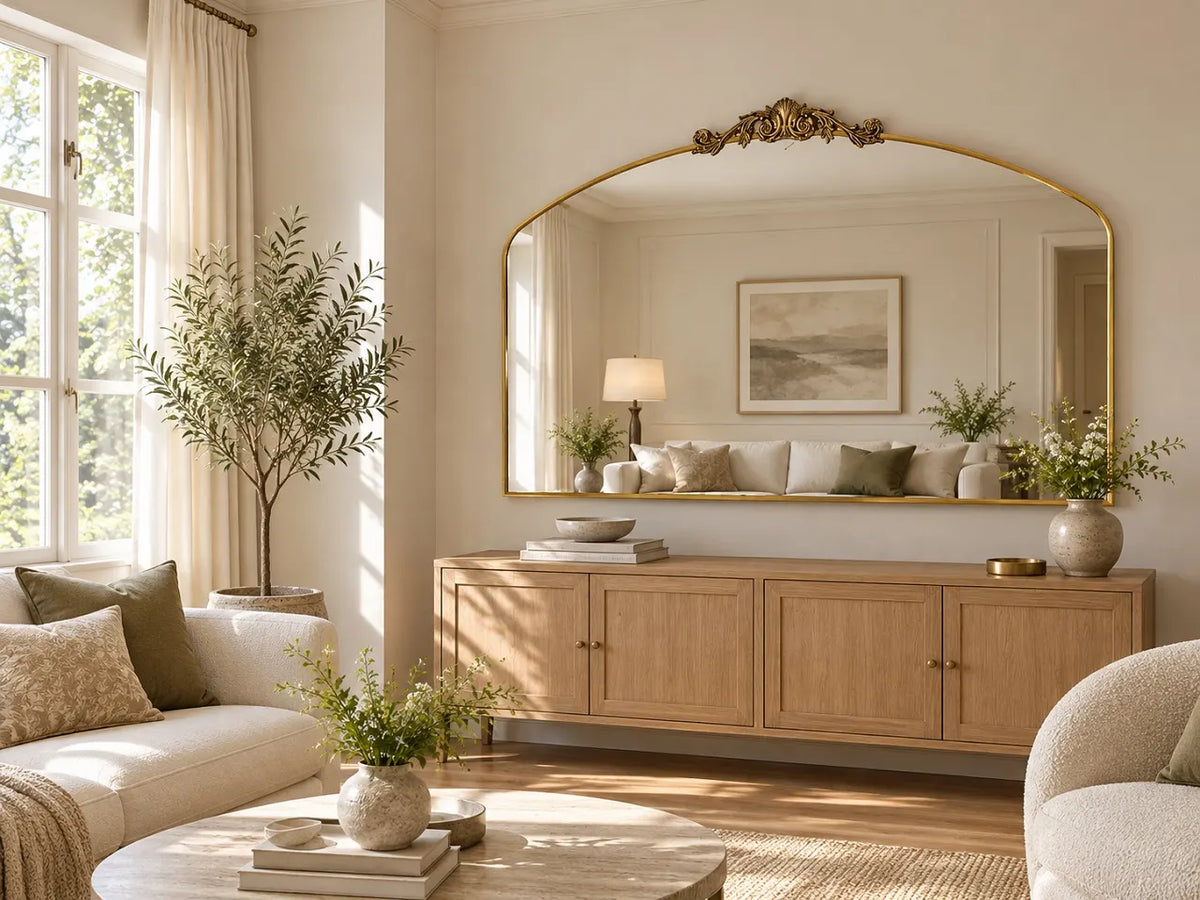
A mirror can look just right above a console until afternoon sunlight reaches it. Then the chair across the room becomes uncomfortable, or a bright reflection appears beside the TV. The arrangement still looks good from the doorway. Sitting down tells a different story.
To reduce mirror glare from a window, test the reflection from the spot where it bothers you. Try shifting the mirror along the wall, moving it to a side wall, or rotating a freestanding model within its approved setup. For a mirror that needs to stay put, adjust the window covering during the troublesome hours.
The most useful starting point is your usual seat.
Why Is Your Mirror Reflecting Window Glare?
Two different problems can make a mirror uncomfortable to look toward:
- A reflection of direct sunlight. Sunlight reaches the glass and reflects toward your eyes, a screen, or another surface. You might notice a bright patch traveling across the room as the day goes on.
- A bright window reflected in the mirror. The whole window can appear as a glaring rectangle against a dimmer room, even without a direct sunbeam. This can happen on an overcast day, too.
Those situations need slightly different fixes. Moving a mirror out of a sunbeam may solve the first. For the second, you may need to remove the window from the reflection you see while seated, or reduce its brightness with a shade.
When the problem appears, sit where you normally read, work, or watch TV. Note the time, the window involved, and where the glare shows up. Avoid looking directly at the sun or its reflection while checking.
A quick comparison can help confirm the source: close the covering on the suspected window and see what changes. For screen glare, also check whether the window itself is reflected in the screen. Moving the mirror will not remove that separate reflection.
Which Window Is Causing the Reflection?
In a room with two windows or a sliding glass door, take a moment to identify which opening is involved before moving the mirror. A curtain adjustment that makes the whole room darker does not necessarily tell you which window is producing the troublesome reflection.
- Sit in the problem spot with the window coverings in their usual positions.
- Adjust the covering on one window while leaving the others alone. Watch what happens to the specific bright area that bothers you.
- Return that covering to its starting position, then repeat with the next window.
- Write down which change helped, along with the time and your seat.
More than one window may contribute. Test a proposed mirror position with all the coverings back in their usual arrangement, so you do not solve one reflection while overlooking another.

Should You Move, Rotate, or Raise the Mirror?
Choose the adjustment that fits both the reflection and the mirror's installation. Moving a mirror changes its location; rotating it changes the direction it faces. Raising it changes the reflective area available from your viewing position. None guarantees a comfortable result without checking from your usual seat.
| Adjustment | When to try it | Main limitation |
|---|---|---|
| Move it sideways | There is usable space on the same wall. | A small shift may leave the bright window in view. |
| Rotate the supported unit | A freestanding model permits repositioning within its approved setup. | The base, support, and required restraints must remain correctly installed. |
| Raise or lower it | The problem differs between seated and standing views. | The new height must still suit everyday use. |
| Choose another wall | The current wall offers no comfortable position. | The new location needs its own reflection and clearance checks. |
| Adjust the window covering | The mirror needs to remain above a sink or other fixed feature. | You may need different coverage at different times. |
For a mounted mirror, test the simpler window-covering adjustments before committing to a new installation location.
Move the Mirror Left or Right Along the Wall
Before choosing a different wall, consider a position farther to the left or right. A modest sideways move may take the bright window out of your seated view or move a reflected patch away from a chair.
There is no reliable “move it six inches” rule. The result depends on the mirror's size, the window, and where you sit. A wide mirror may still reflect the same bright area after a small shift.
For a wall-mounted mirror, plan and test the new position before making more holes. Have another adult help handle a large or heavy piece, and use the mounting method specified for the product and wall.
Painter's tape is useful for marking the proposed outline. It shows whether the size fits above the furniture, but it cannot show what the glass will reflect. Check the actual reflection before settling on the location.
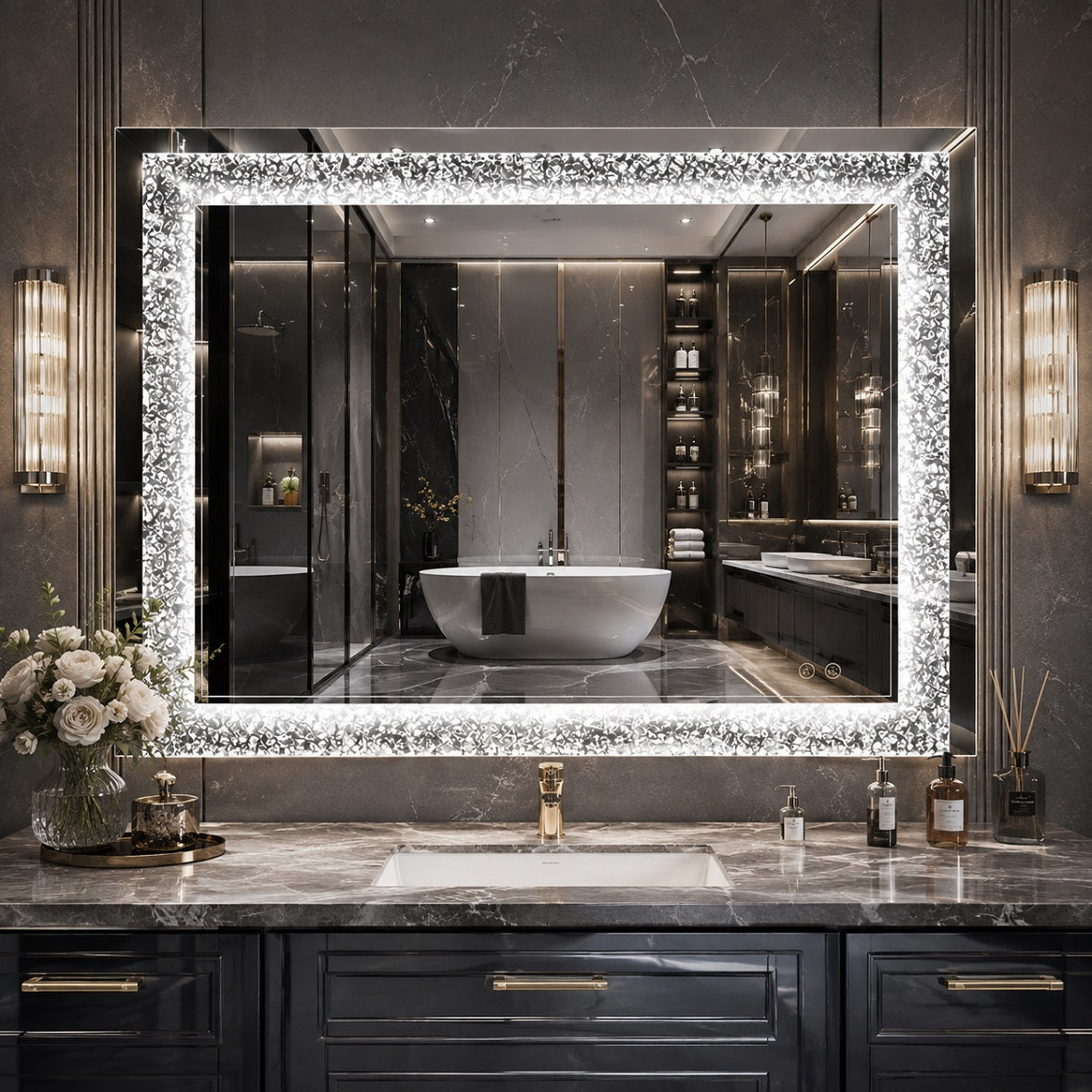
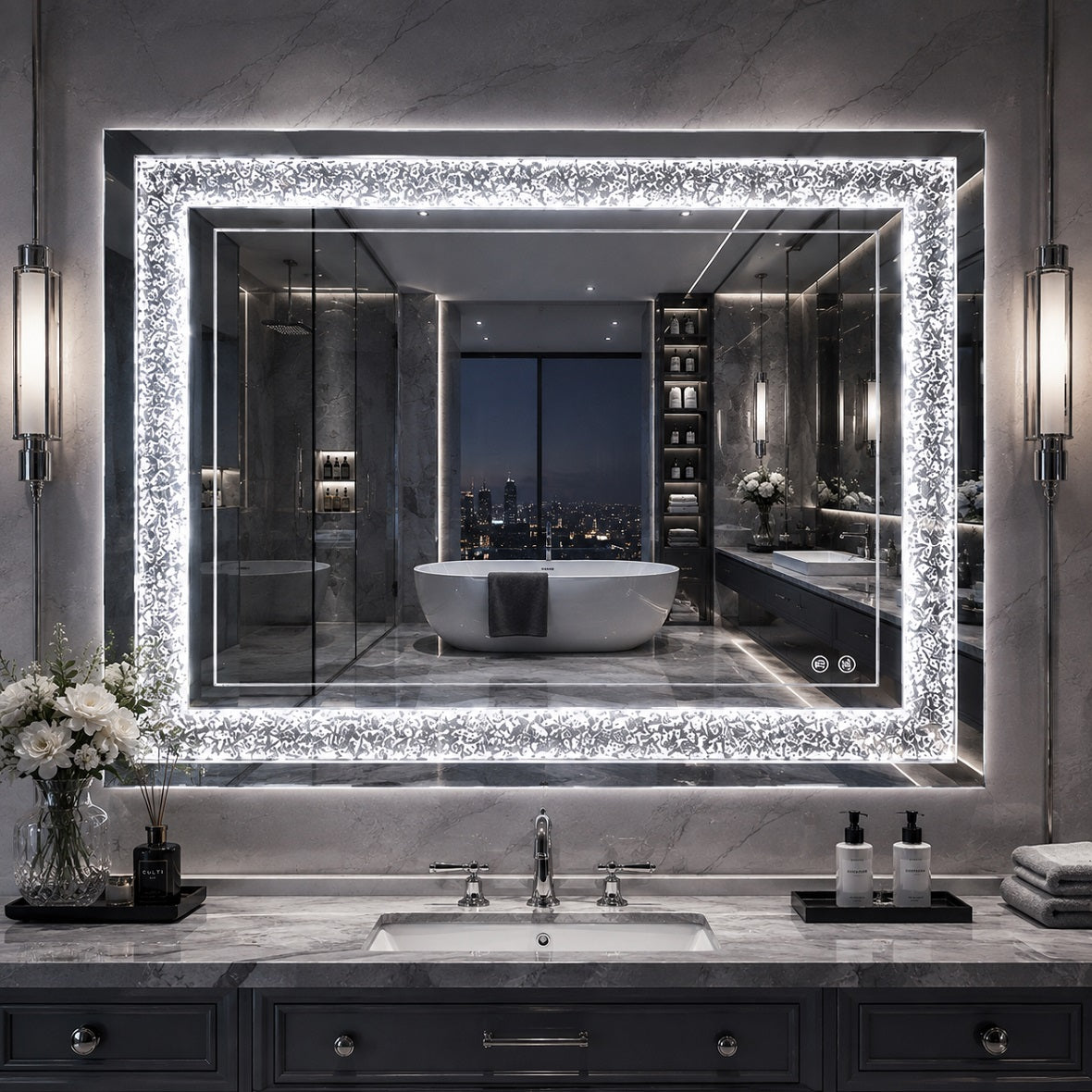
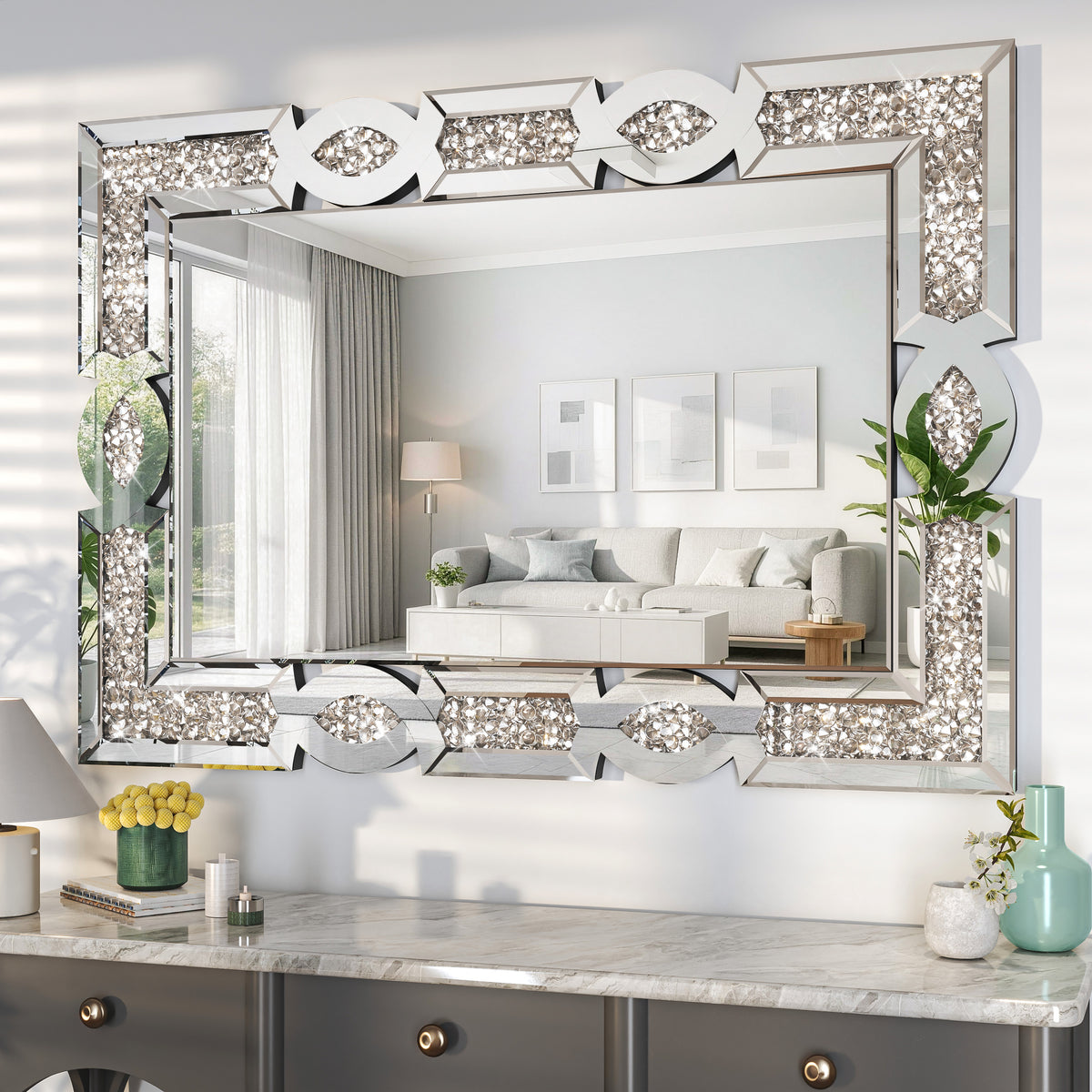
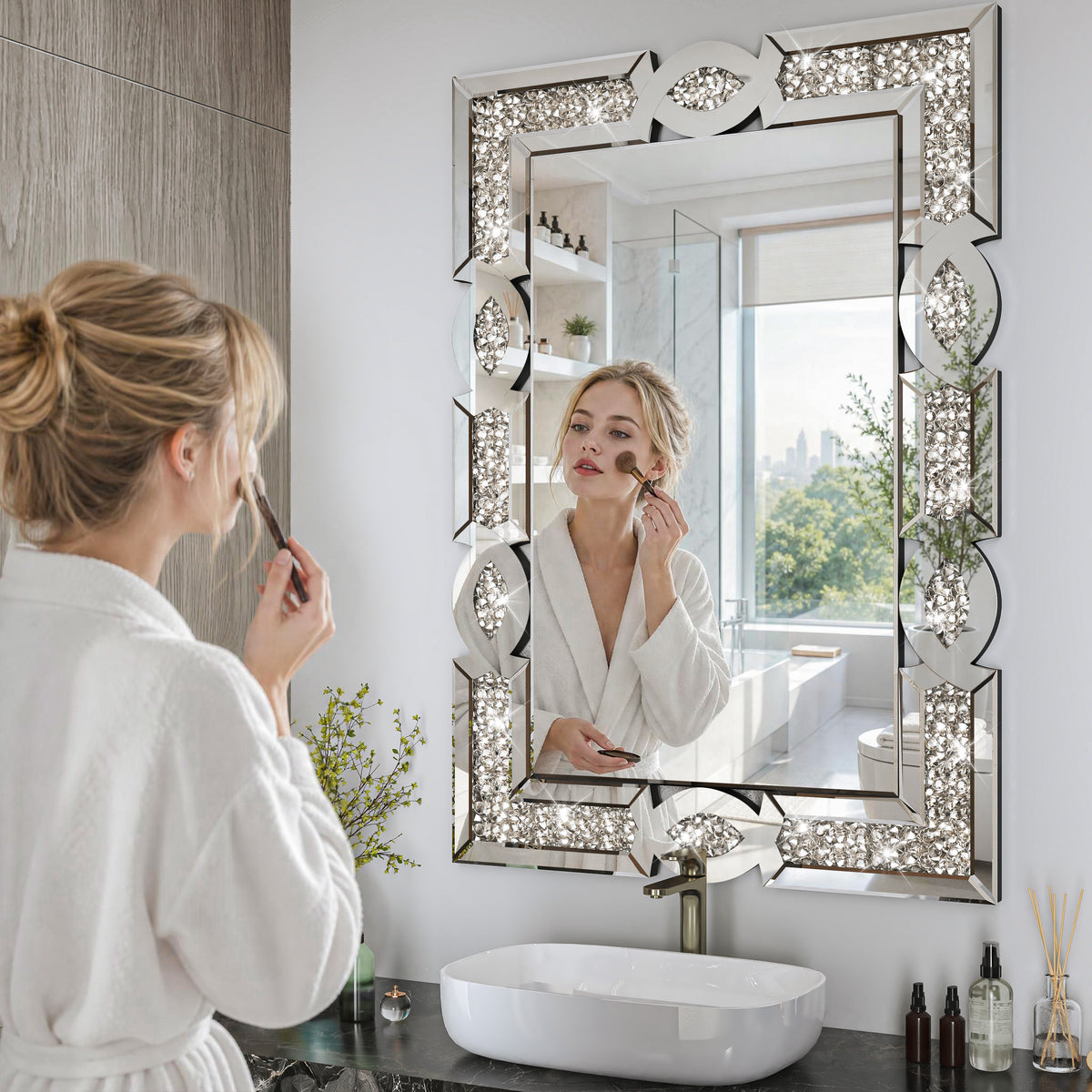
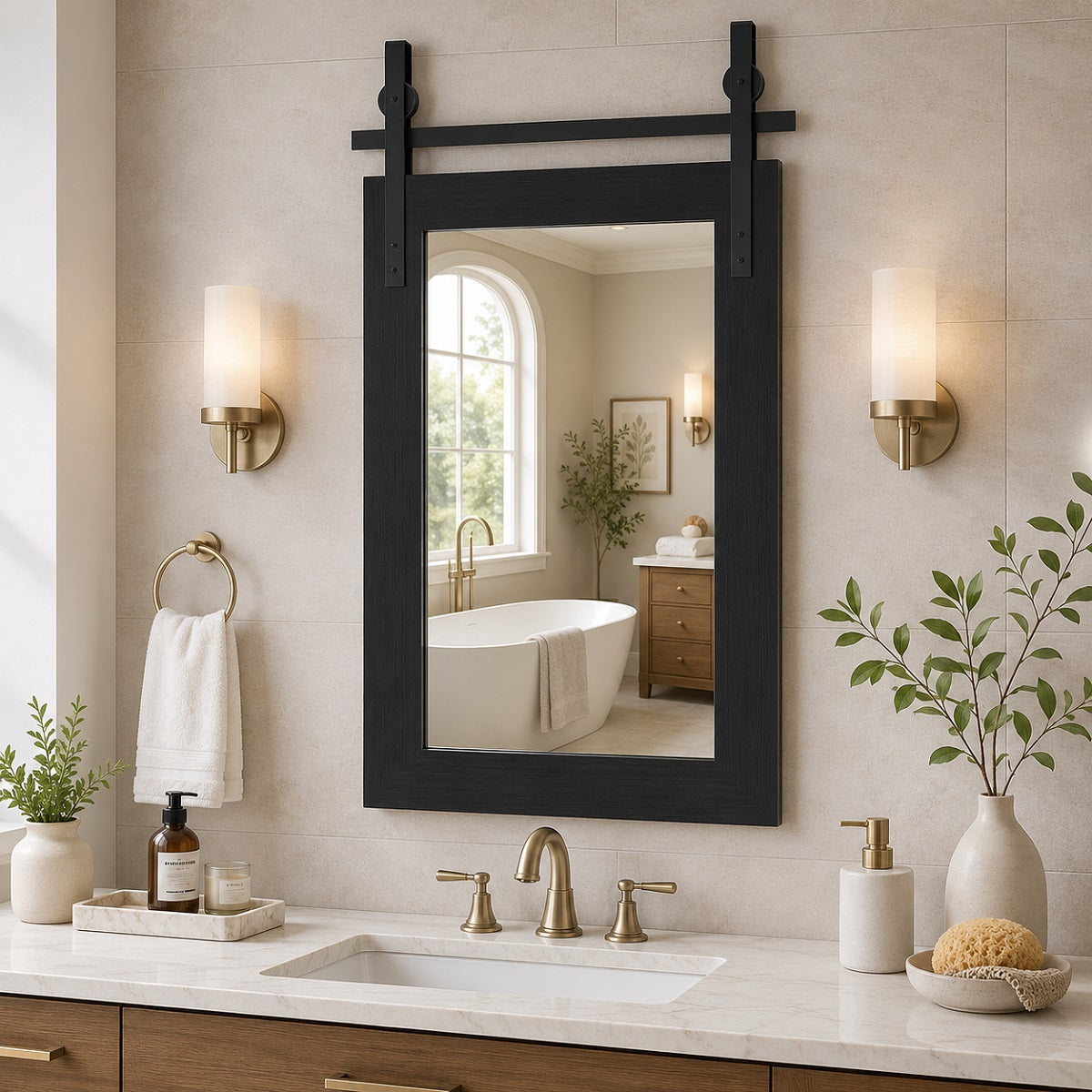
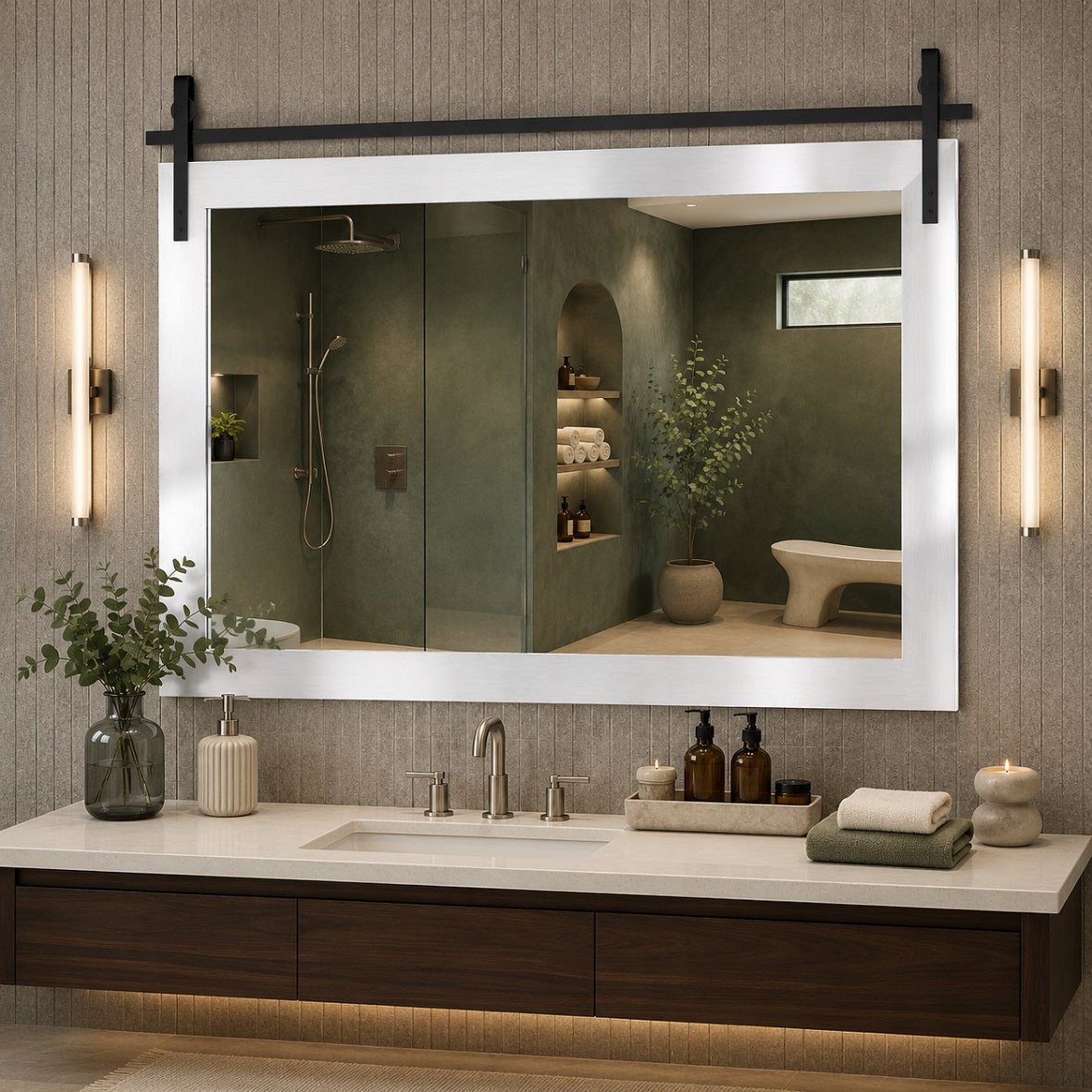
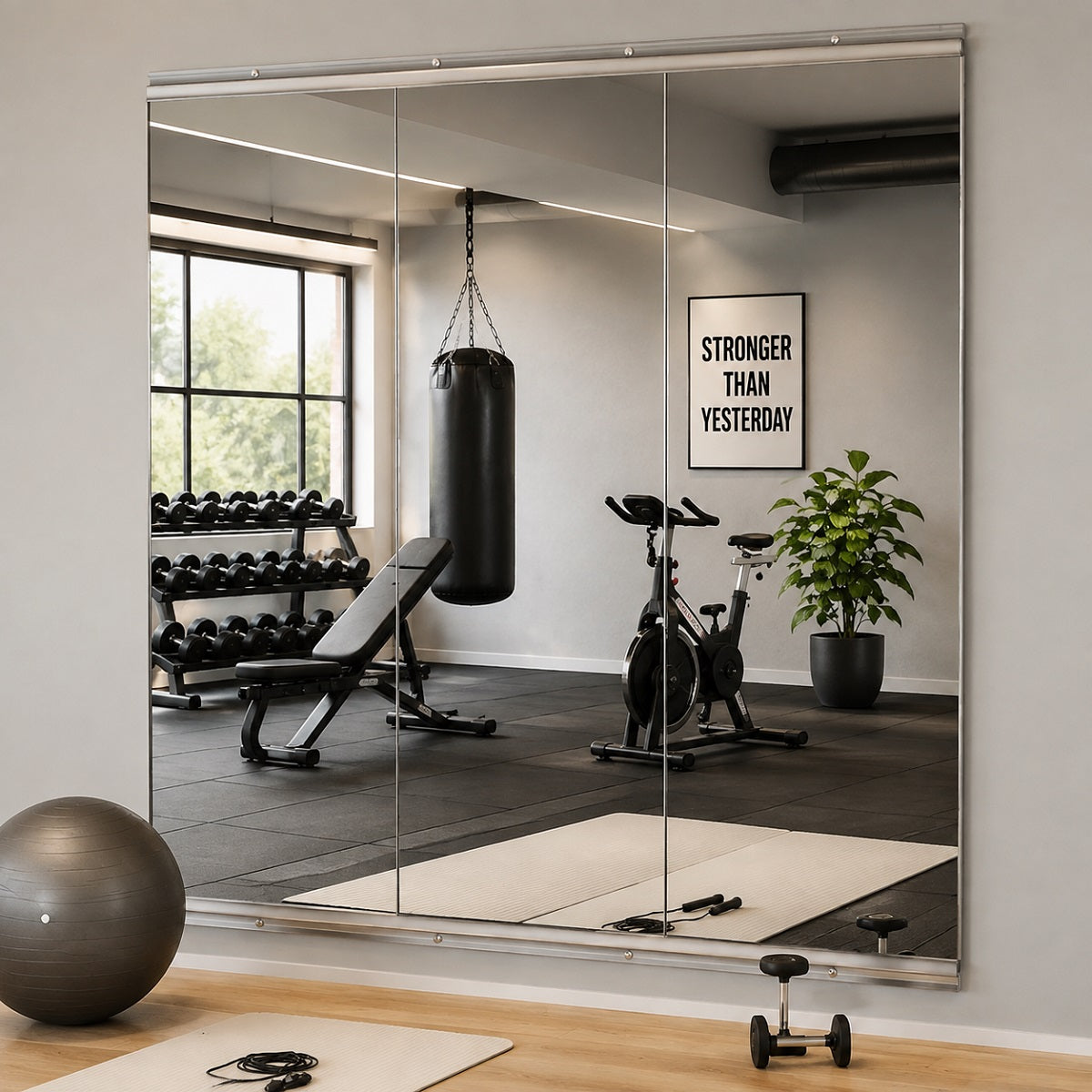
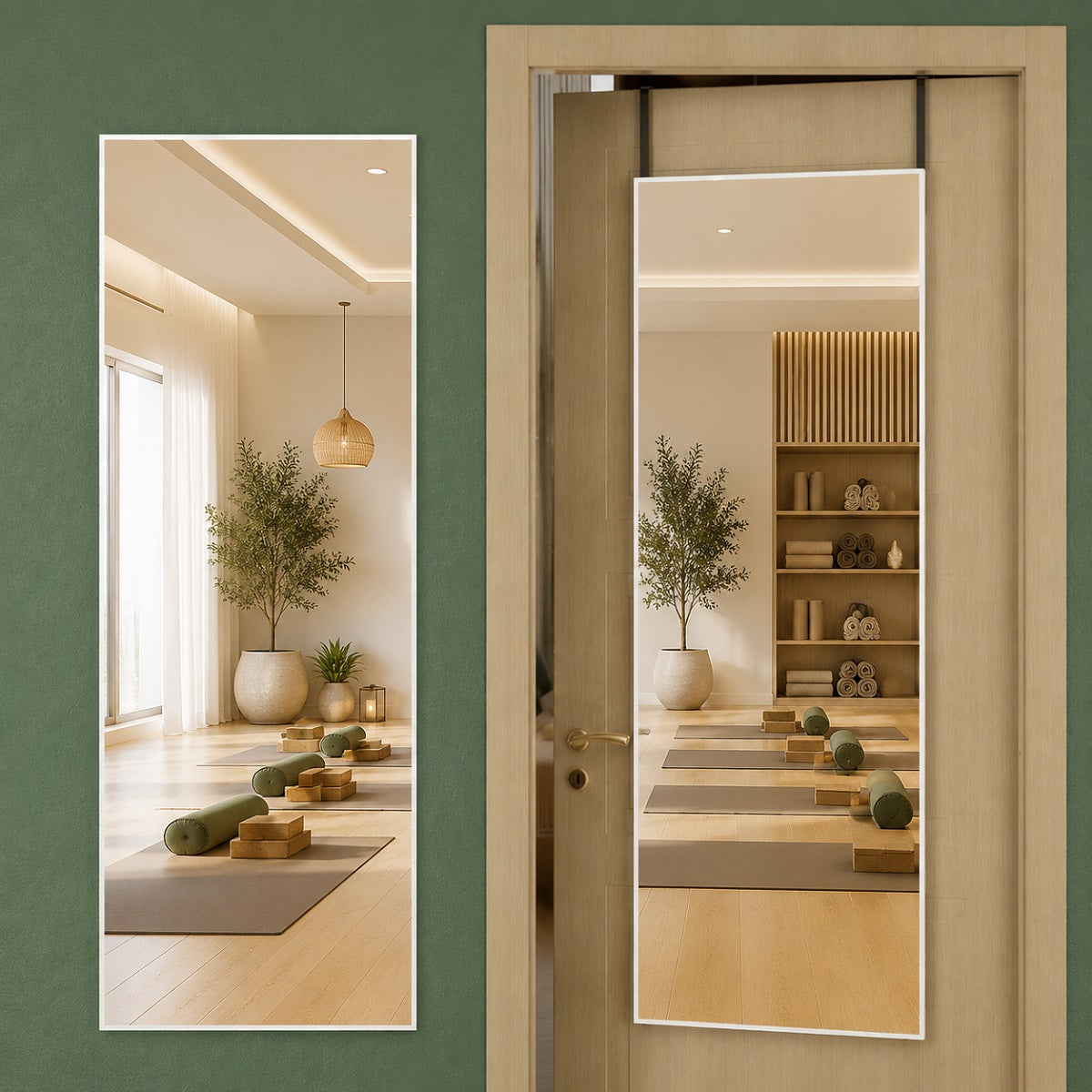
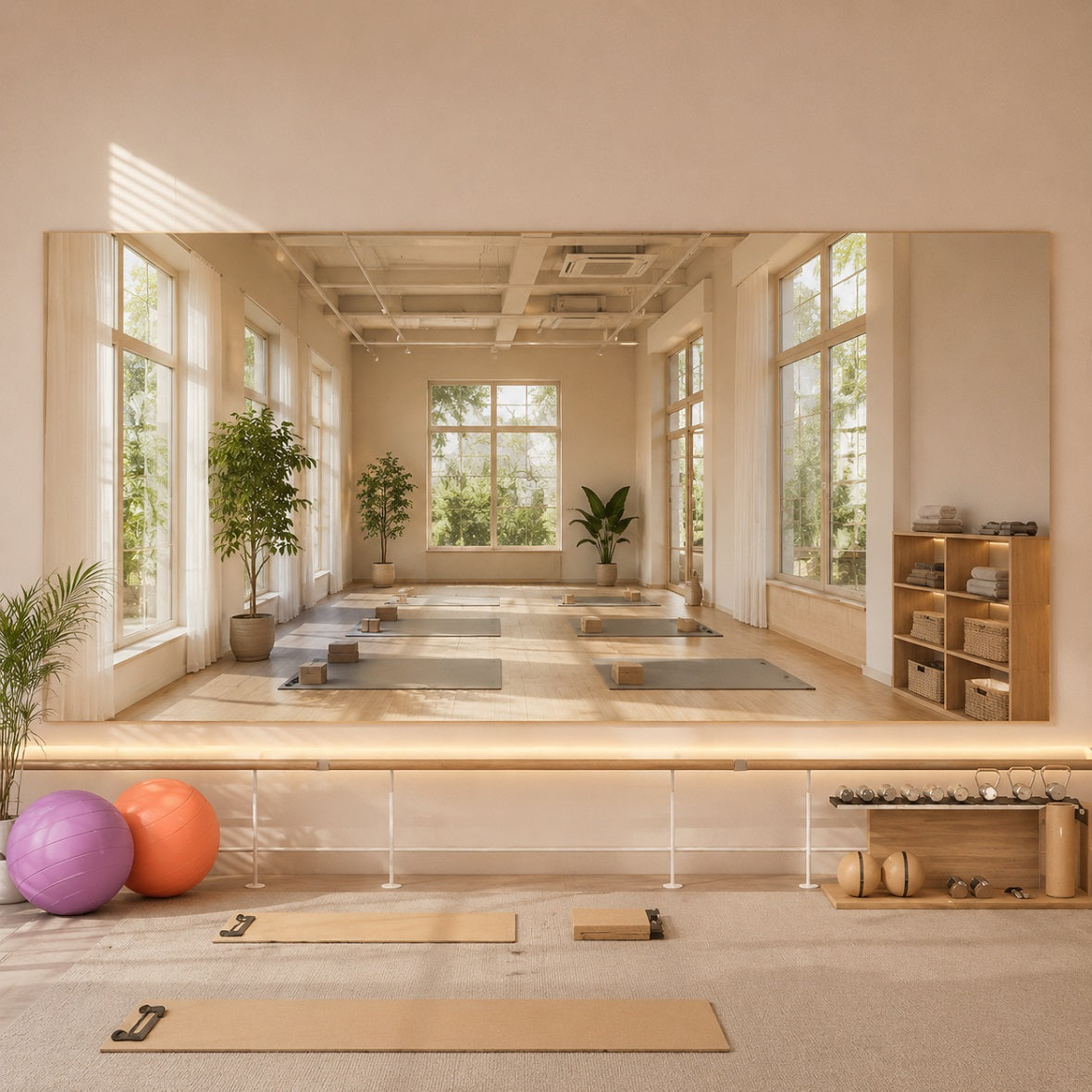
When comparing Hasipu wall mirrors, measure the usable wall area and consider how much room you have to adjust the placement.
Try a Side Wall Instead of Facing the Window
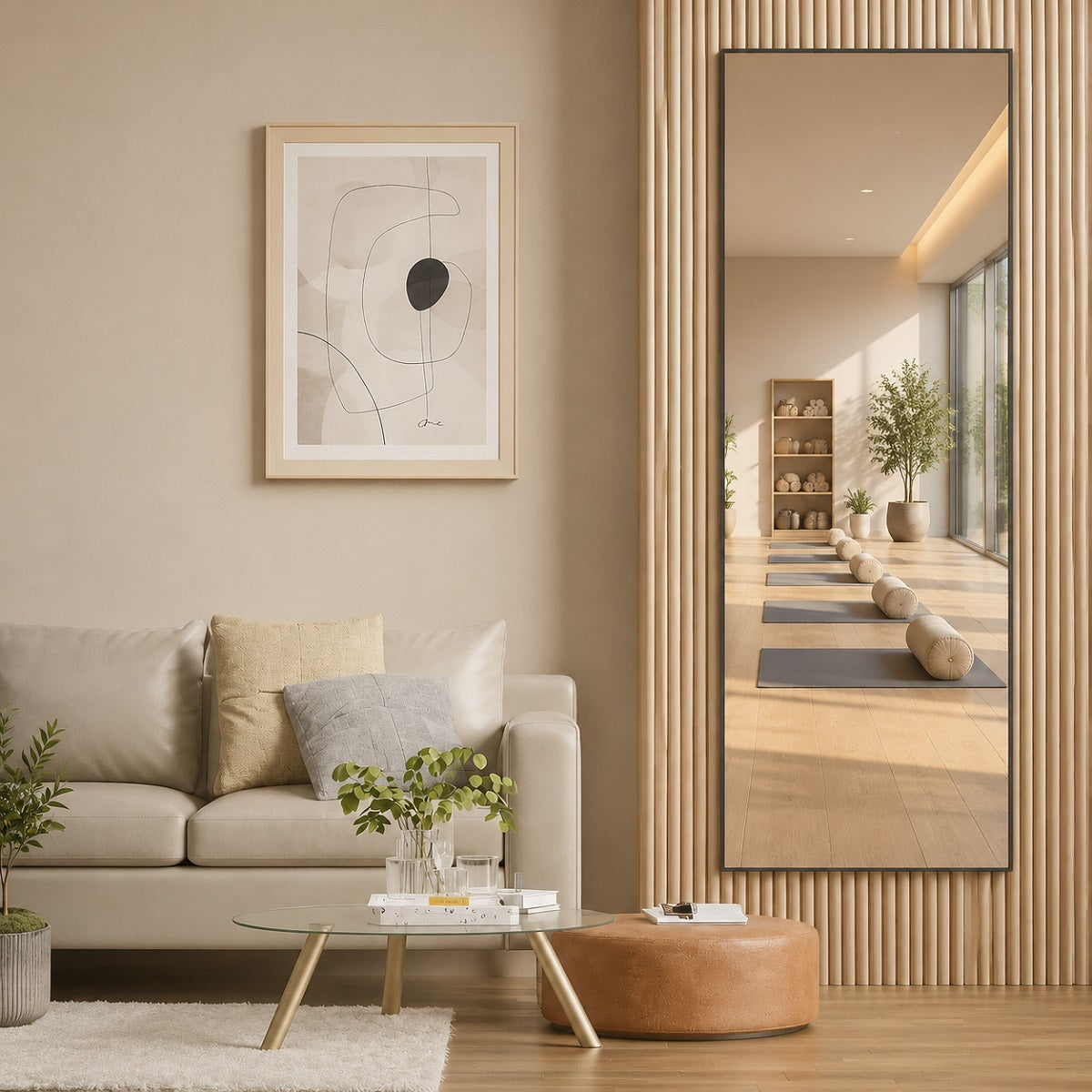
A mirror opposite a window can reflect a pleasant outdoor view. It can also place a bright image of that window directly in front of someone on the sofa.
An adjacent wall is worth testing. Changing walls changes the mirror's orientation, so a different part of the room may appear in the reflection. You might keep a glimpse of the outdoors while bringing more of an interior wall, bookcase, or doorway into view.
A side wall is not automatically free of glare. Check it at the hour that causes trouble, especially when sunlight enters at a low angle.
For example, picture a living room with a window behind the sofa and a mirror across from it. From the sofa, the mirror may show a large, bright window straight ahead. A mirror on the adjoining wall may give you a more comfortable view. The test is what you see from the cushions, not how symmetrical the room looks from the hall.
Adjust a Freestanding Mirror Without Changing Its Support
A freestanding mirror gives you another adjustment to try: turning the entire supported unit slightly left or right. That changes the direction of the reflection.
Make a small change, return to the problem spot, and check again. Look at nearby seats as well. Glare that disappears from your reading chair may have moved toward the dining table.
Keep the stand in its intended position and follow the manufacturer's anchoring requirements. Do not improvise a steeper lean, prop up one side, or alter wall brackets to chase a better angle.
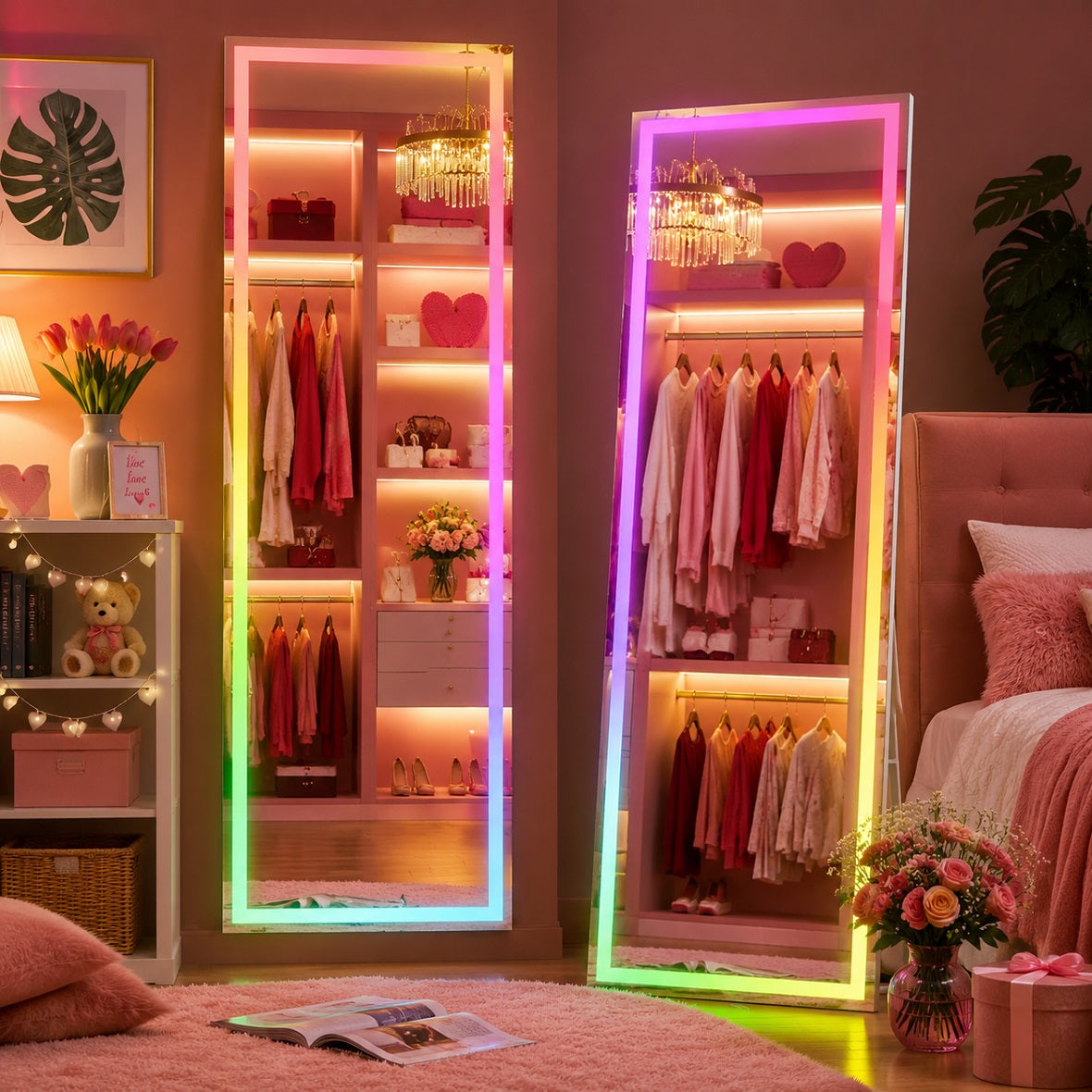
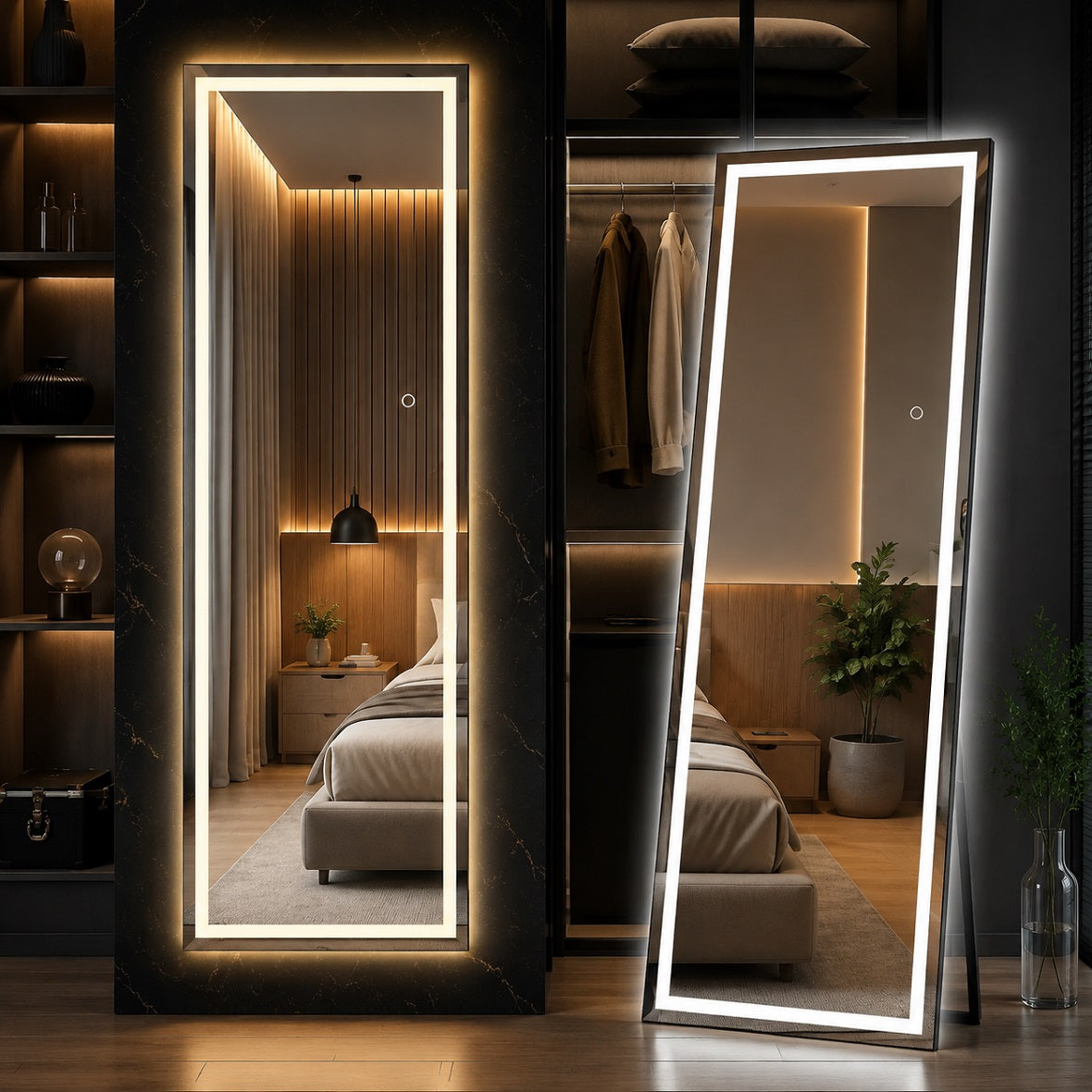
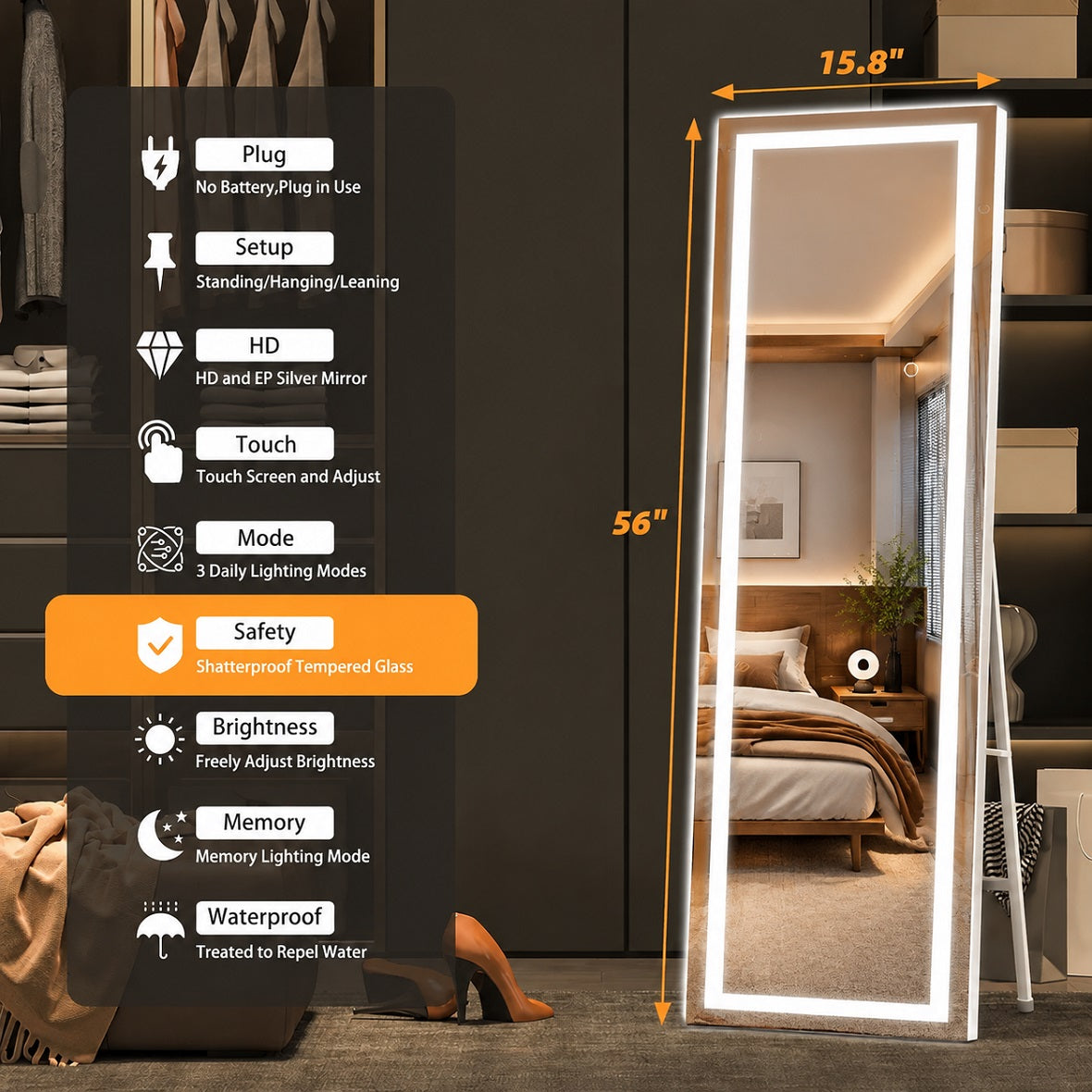
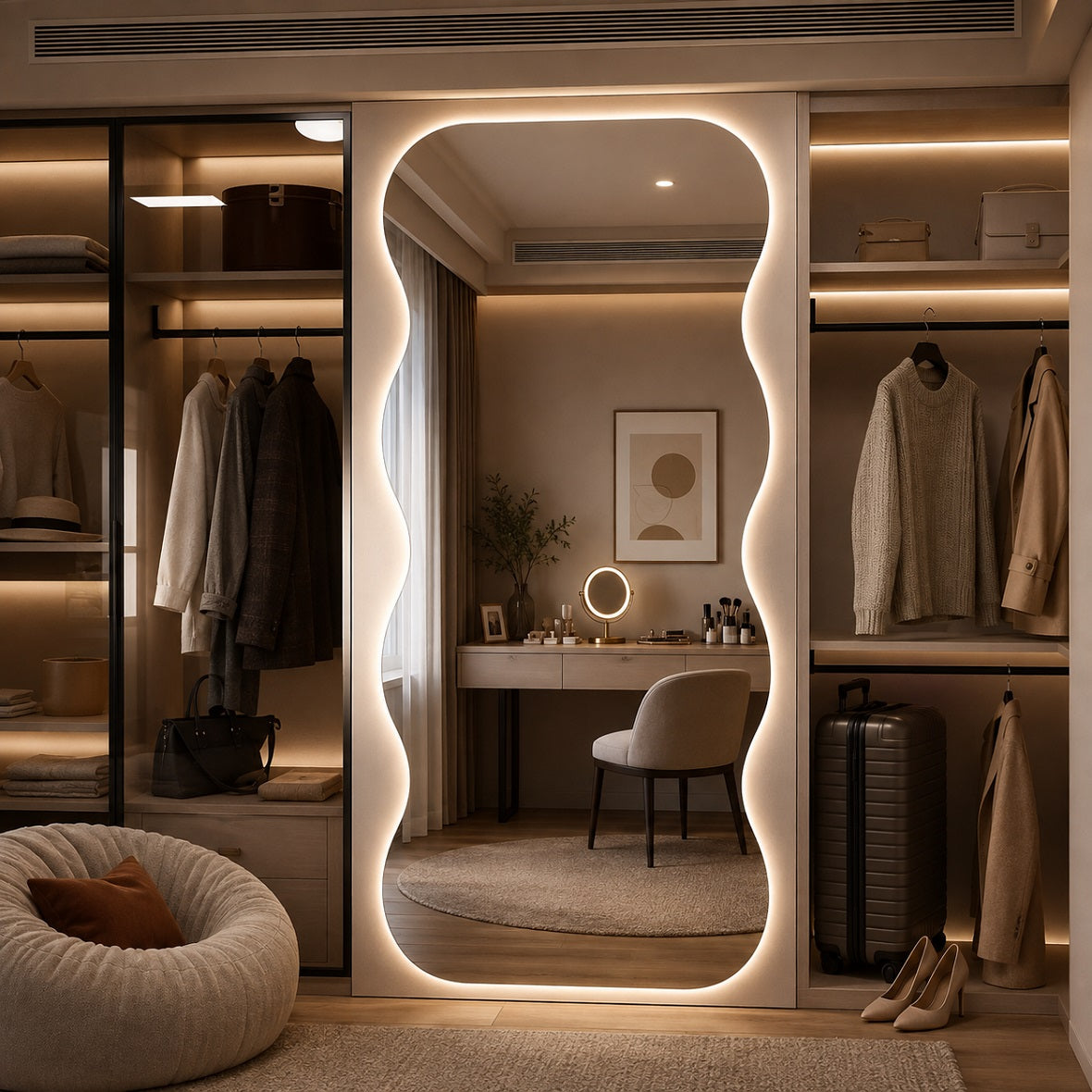
Before selecting from Hasipu full-length mirrors, check the exact model's supported installation options. Leave enough floor space for its base and for the distance you need to see your outfit comfortably.
Check Mirror Height From Your Bed or Chair
A mirror that feels comfortable at standing height can reflect a window straight toward you when you sit down.
This is easy to overlook in a bedroom. You check the mirror while getting dressed, then discover the bright reflection while reading in bed. Assess both positions before deciding where it belongs.
Raising or lowering a mirror changes which part of the room is visible through its reflective area. It may remove the bright window from a particular viewpoint, but it can also make the mirror awkward to use. Do not sacrifice your everyday view just to make the wall arrangement work.
For bedroom mirror placement, mark where you stand to get dressed and where your head rests when you sit up in bed. A location should be comfortable from both. When those needs conflict, a different wall or a window shade may be the better fix.

Control Window Light When the Mirror Has to Stay
A bathroom mirror above a sink or a large mirror installed over a mantel may have little room to move. Treating the incoming light is often more practical in those situations.
Start with the coverings already in the room. Turn blind slats, lower a shade, or draw a curtain across the section admitting the troublesome sunlight. Check the result from your normal position.
Sheer curtains can soften incoming light, but a thin sheer may still look very bright in the mirror. When that happens, try a denser light-filtering fabric or an adjustable shade. The right amount of coverage is the amount that makes the reflection comfortable during the hours you use the room.
Keep the pattern of use in mind. A dining room that becomes uncomfortable briefly before sunset may only need a shade adjustment at dinner. A home office with a bright window reflection throughout the workday may benefit more from a permanent layout change.
Mirror Placement Fixes for Different Rooms
| Where you notice glare | Placement change to test | What to check afterward |
|---|---|---|
| On the sofa | Shift the mirror sideways or try an adjacent wall. | Check every regularly used seat. |
| At a desk | Move the mirror out of your forward view; adjust the screen separately if needed. | Look for both the real window and its mirrored image in the screen. |
| While sitting in bed | Test another wall or a different mounting height. | Make sure the mirror still works for dressing. |
| At a bathroom sink | Keep a useful viewing position and adjust the window covering. | Check at the time you normally get ready. |
Change one thing at a time. Moving the mirror, chair, and curtains together makes it harder to tell which adjustment helped.
Will a Smaller Mirror or Different Frame Reduce Glare?
A smaller mirror may remove the section reflecting the troublesome window. It does not automatically make the remaining reflection less bright. Check the proposed size from your normal viewing position before replacing the mirror.
Frame color is a separate decision. A matte frame may avoid reflections from the frame itself, but it does not change the way the main mirror surface reflects the window.
For a mirror used to check clothing, hair, or makeup, preserve a clear view. Avoid applying a generic matte film to the glass as a quick fix; a treatment that scatters light may also blur the reflection. Confirm compatibility and the expected visual result before modifying the surface.
Recheck Mirror Glare Throughout the Day
Once a change seems to work, revisit the room in the morning, around midday, and later in the afternoon. Pay particular attention to the hours when someone actually uses the space.
Check the TV with a dark scene on screen, sit in your usual reading position, and look from both ends of the sofa. A quick glance from the doorway will miss some problems.
Recheck when the seasons change, too. Sunlight can reach different parts of the room over the year. A successful mirror position may still need occasional help from a blind or curtain.
Frequently Asked Questions
1. Should a mirror always face a window?
No. Facing a window can work well when the reflected view is comfortable from the places you use. Bright sunlight, a large expanse of sky, or seating directly in front of the reflection can make another wall more suitable.
2. What is the best angle to stop mirror glare?
There is no single angle that works in every room. The incoming light and your viewing position determine where the reflection appears. Test small changes only within the mirror's approved installation setup.
3. Why is the mirror still glaring after I move it?
It may still show the same bright window, particularly when the mirror is large. You may also be seeing glare from the window itself or another shiny surface. Recheck the source before making another placement change.