

Table of Contents
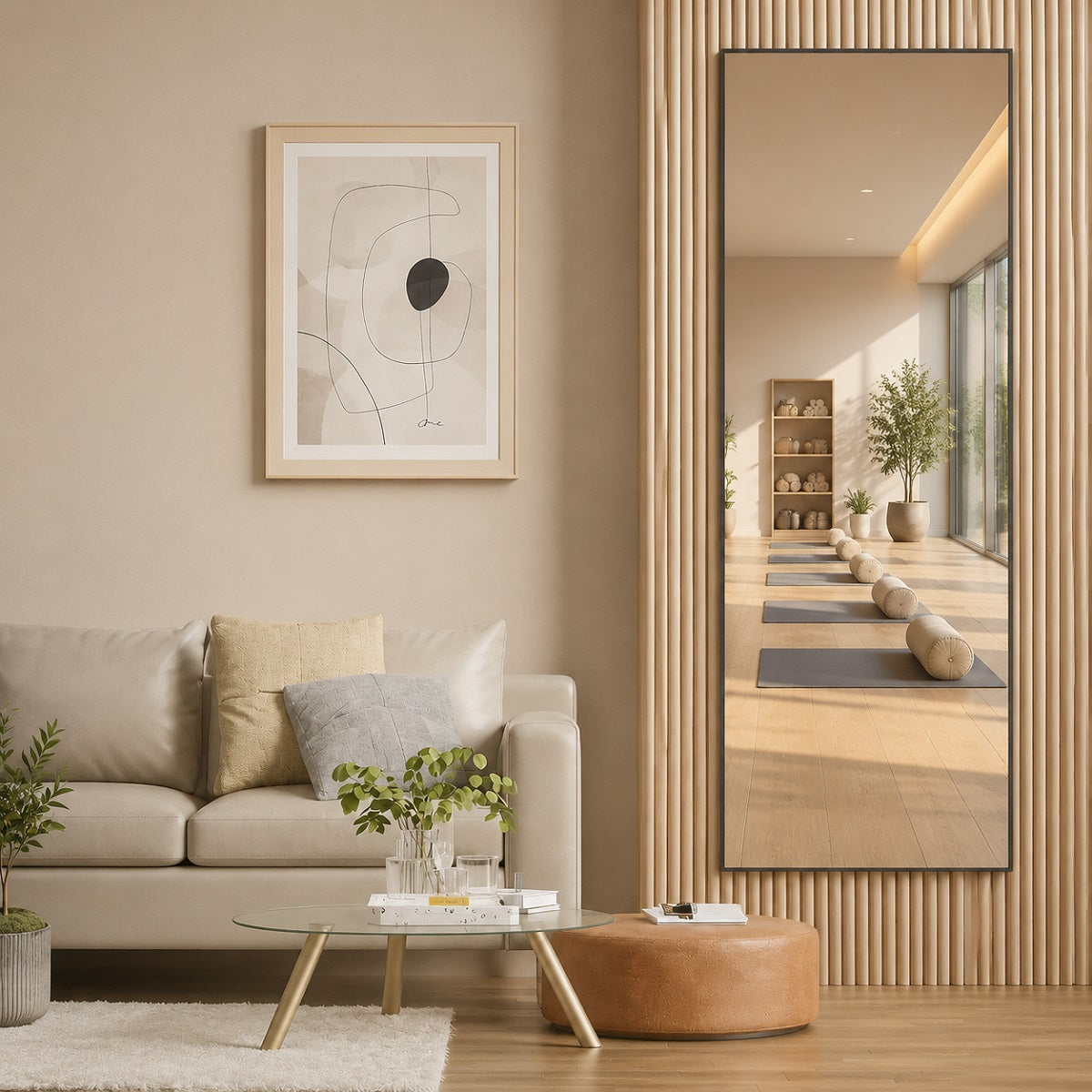
A leaning mirror may look stable when it is first placed against the wall. After a few days, the bottom can begin creeping forward. The change may be small, but it affects the angle of the reflection and puts extra pressure on the frame.
Smooth floors are usually where the problem starts. Hardwood, laminate, vinyl, and tile do not provide much grip, especially beneath a painted metal or polished wood frame. Dust and floor-cleaning residue can make the surface even more slippery.
Pushing the mirror back every few days is not much of a solution. The better approach is to improve the grip at the bottom and limit movement near the top.
Here is how to keep a full-length mirror from sliding without damaging the mirror or making the room look unfinished.
1. Why Does a Leaning Mirror Keep Sliding?
A leaning mirror rests at an angle. Its weight pushes down toward the floor, but part of that force also pushes the base away from the wall. The steeper the angle, the more likely the bottom is to move.
Floor texture affects how quickly that happens. Tile and polished hardwood offer less friction than unfinished concrete or a firm rug. The material on the bottom of the frame matters too. Felt, smooth plastic, glossy metal, and sealed wood can all slide across a clean floor.
Movement may also come from the room itself. A door can tap the frame each time it opens. A robot vacuum may nudge the bottom edge. Pets, children, exercise equipment, or routine cleaning can slowly move a mirror from its original position.
A slightly uneven floor creates another problem. The mirror may drift sideways instead of moving straight forward.

2. Check the Mirror and Floor Before Fixing It
Move the mirror away from the wall and look at the back, base, corners, and mounting points. A loose frame or bent support should be repaired before anti-slip products are added.
Place the mirror upright on a flat surface. Both bottom corners should touch the floor evenly. Rocking from side to side may point to an uneven frame, missing foot, loose stand, or warped base.
Check for:
- Loose frame joints
- Bent metal edges
- Missing rubber feet
- Cracked backing
- Loose hanging brackets
- Damaged stand hinges
- Uneven casters
- Worn locking mechanisms
Do not attach screws, straps, or adhesive directly to the glass. The connection should be made through a suitable part of the frame or a manufacturer-approved mounting point.
Dust acts like a fine layer of powder beneath the mirror. Floor polish, wax, and oily cleaning products can make sliding worse.
Clean the floor with a product approved for that surface. Wipe the bottom of the frame as well, then let both areas dry completely.
Look at the wall where the upper frame rests. Heavy wall texture, uneven trim, or a slick painted surface may allow the top to shift sideways. Baseboards can also push the bottom of the mirror farther into the room, creating a steeper angle than expected.
3. Add Grip Under the Bottom Edge
Rubber Grippers
Dense rubber pads add friction between the mirror frame and the floor. They are useful on hardwood, laminate, tile, sealed concrete, and vinyl surfaces. Place a pad beneath each bottom corner. A wide mirror may need another piece near the center to keep the frame evenly supported. Choose thin, firm rubber. Soft foam tends to compress under a heavy mirror and may tear after repeated movement. The pads should remain hidden behind the front edge of the frame. Check the flooring manufacturer’s care instructions before leaving rubber in place for a long period. Some rubber compounds can discolor vinyl or react with delicate wood finishes. Testing a hidden area reduces the chance of an unwanted mark.
Skip the Felt Pads
Felt furniture pads protect floors by helping furniture glide more easily. That is the opposite of what a leaning mirror needs. A frame with felt on the bottom can travel across hardwood with very little resistance. Replace felt with a floor-safe rubber material when sliding is the main concern.
Non-Slip Shelf Liner
Rubberized shelf liner is a low-cost option for mirrors with a long, flat bottom edge. Cut a narrow strip slightly shorter than the frame and place it beneath the base. The liner spreads the mirror’s weight across a wider area than small corner pads. It can be removed without changing the frame, which makes it useful in rental homes. Choose a firm liner that lies flat. Soft mesh styles can fold or bunch beneath a heavy mirror. Thick material may raise the front edge and make the frame less stable. A thin non-slip rug pad can be cut in the same way. Keep the material dry and inspect it occasionally for dust, compression, or marks on the floor. Shelf liner reduces slow movement. It does not prevent a tall mirror from tipping after a strong bump.
Mirror Stoppers
A mirror stopper sits in front of the mirror’s bottom edge and blocks forward movement. This can be more reliable than friction alone on very smooth tile or sealed hardwood. Clear silicone stoppers are less visible. Metal brackets and low-profile floor tracks create a stronger hold but may require screws. Some products use removable adhesive. Check the weight rating before buying. A small cabinet bumper may look similar to a mirror stopper but may not support the pressure from a large floor mirror. A stopper should sit against the frame, not the glass.
4. Adjust and Secure the Upper Frame
A large gap between the bottom of the mirror and the wall increases outward pressure on the base. Bringing the bottom slightly closer can make the mirror easier to stabilize.
Look at the reflection after adjusting the angle. A mirror leaning too far back may distort proportions and reflect more ceiling than room. A more upright position usually gives a more natural head-to-toe view.
Some full-length mirrors are designed specifically for wall mounting or use with an included stand. Unsupported leaning may not be approved for every model, so check the installation guide before changing the setup.
The upper edge can shift sideways even when the base stays in place. Adding small rubber or silicone bumpers to the back of the upper frame increases grip and protects painted walls from scuffs and scratches.
Wall bumpers work best when paired with rubber pads under the base. These dual contact points prevent the frame from rotating or slowly altering its angle.
Keep in mind that bumpers are not structural anchors. They reduce minor movement but are not designed to hold a heavy mirror after a direct impact.
5. Anchor or Mount a Large Mirror
Floor pads solve friction problems. They do not provide full anti-tip protection.
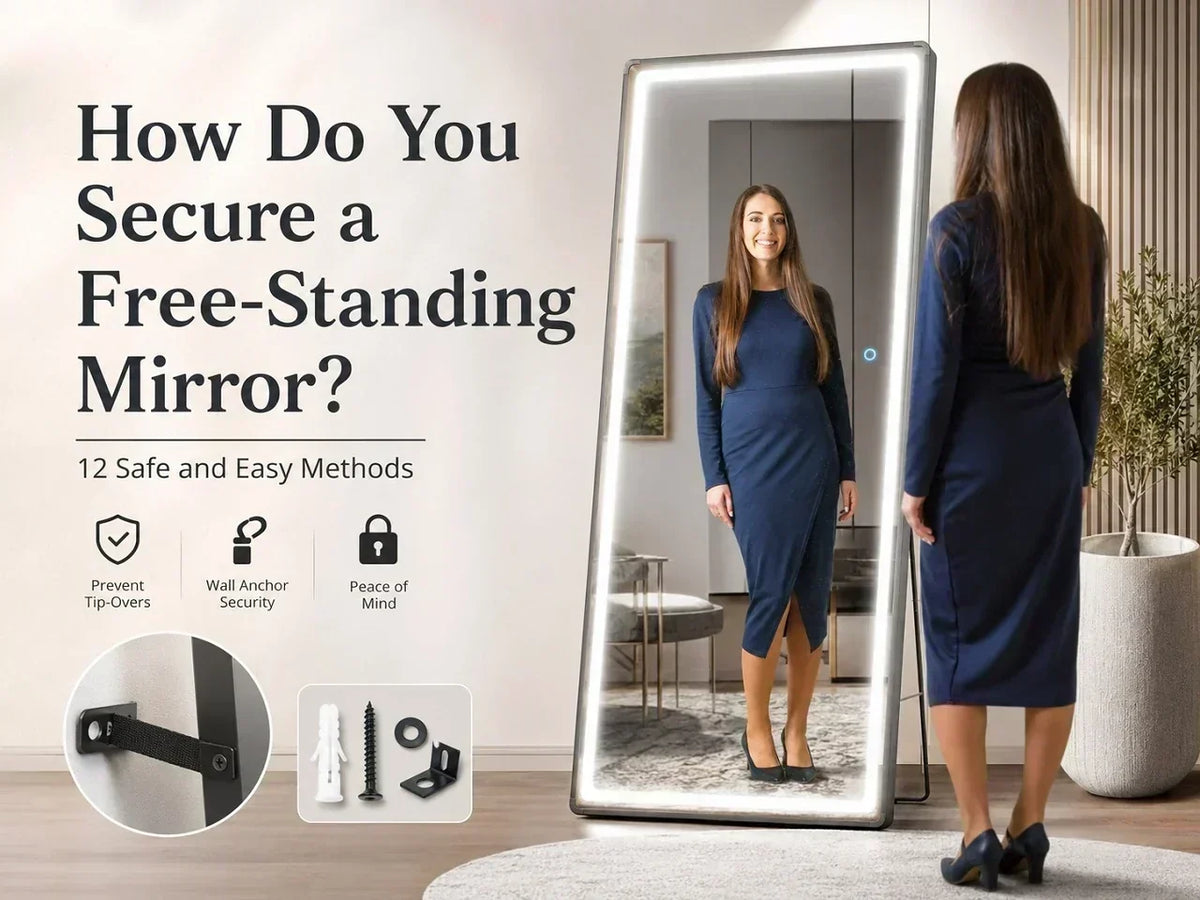
For an oversized or heavy mirror, anti-tip straps for mirrors can connect the upper frame to the wall while preserving the leaning appearance. The strap stays behind the mirror and is usually hidden from view.
Use attachment points intended to support the frame. Thin backing board, decorative trim, and glass edges are not safe places for screws.
The wall side should connect to a stud when required by the hardware instructions. Where a stud is unavailable, the wall anchor must be rated for the wall material and expected load. Drywall, plaster, masonry, and wood paneling require different fasteners.
A wide mirror may need two straps to keep it from twisting. Tighten them enough to limit forward movement without pulling the frame out of shape.
Wall restraint makes sense around:
- Children and active pets
- Bedroom and hallway traffic
- Exercise equipment
- Doors that open near the mirror
- Frequent furniture movement
- Homes in earthquake-prone areas
FEMA guidance advises securing large household items, including mirrors, with suitable restraints. Earthquake Country Alliance recommends secure wall hardware and professional help for mirrors weighing more than 50 pounds. FEMA home safety guidance Earthquake Country Alliance
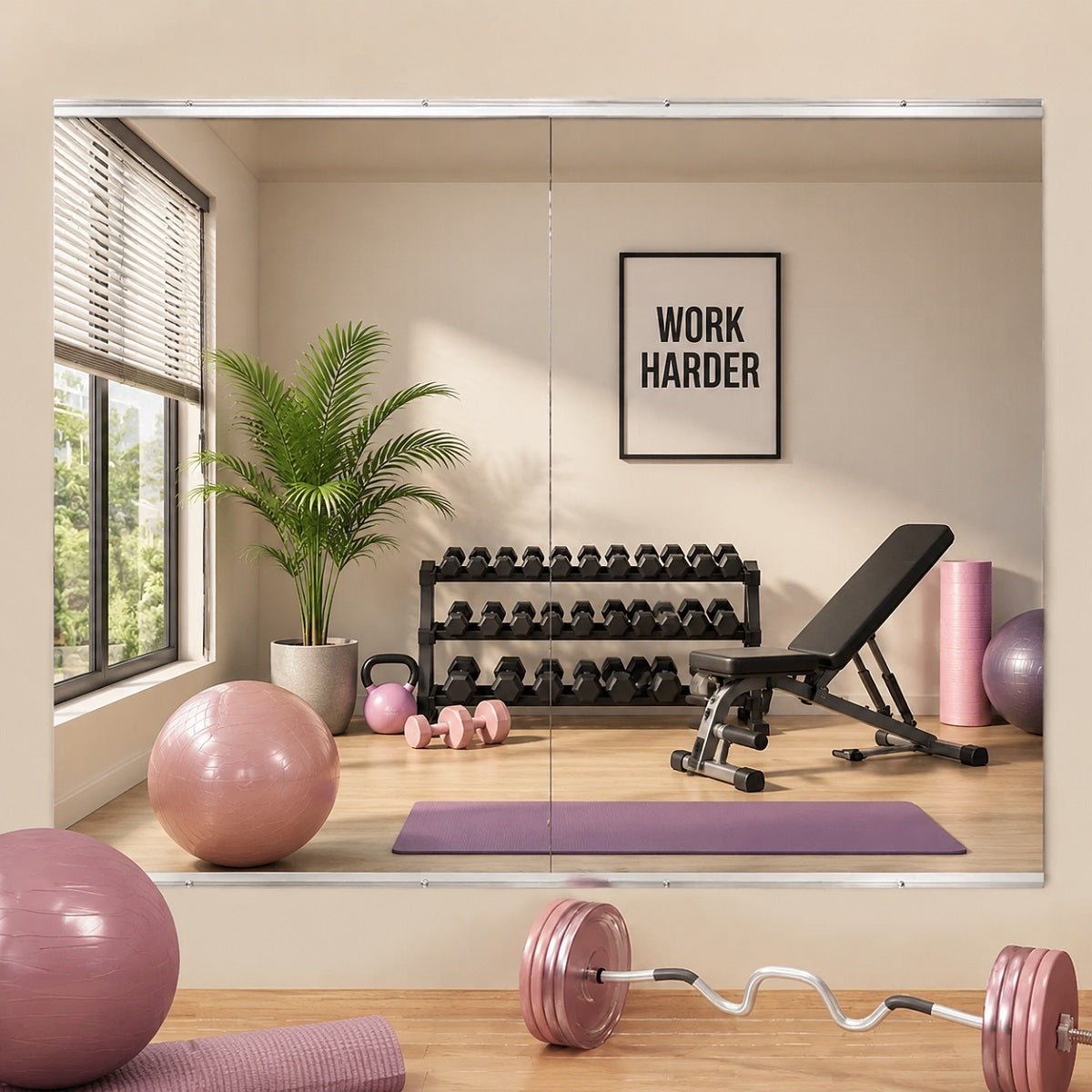
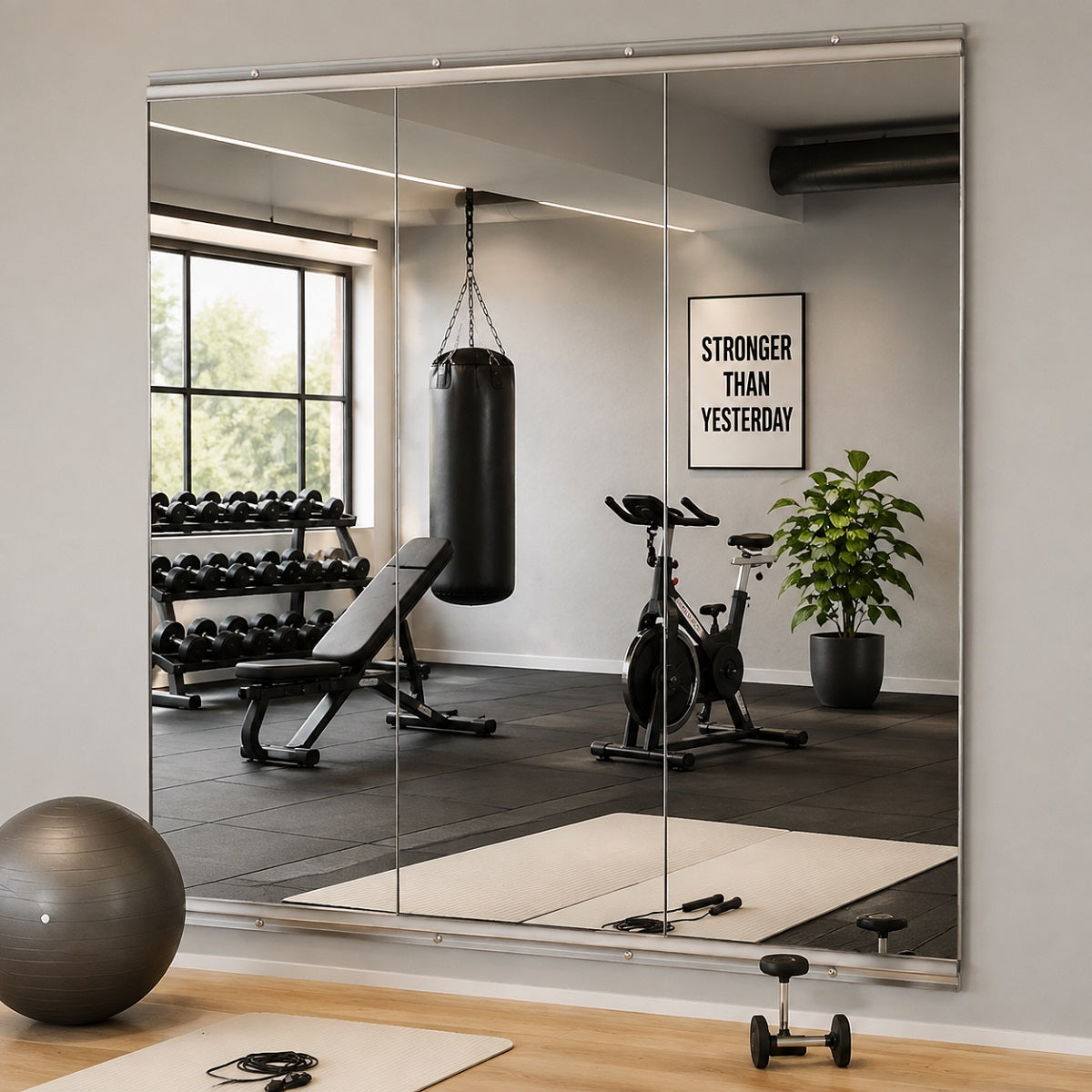
A wall-mounted full-length mirror does not depend on floor friction. It also leaves more open floor space, which can help in bedrooms, closets, entryways, and narrow hallways.
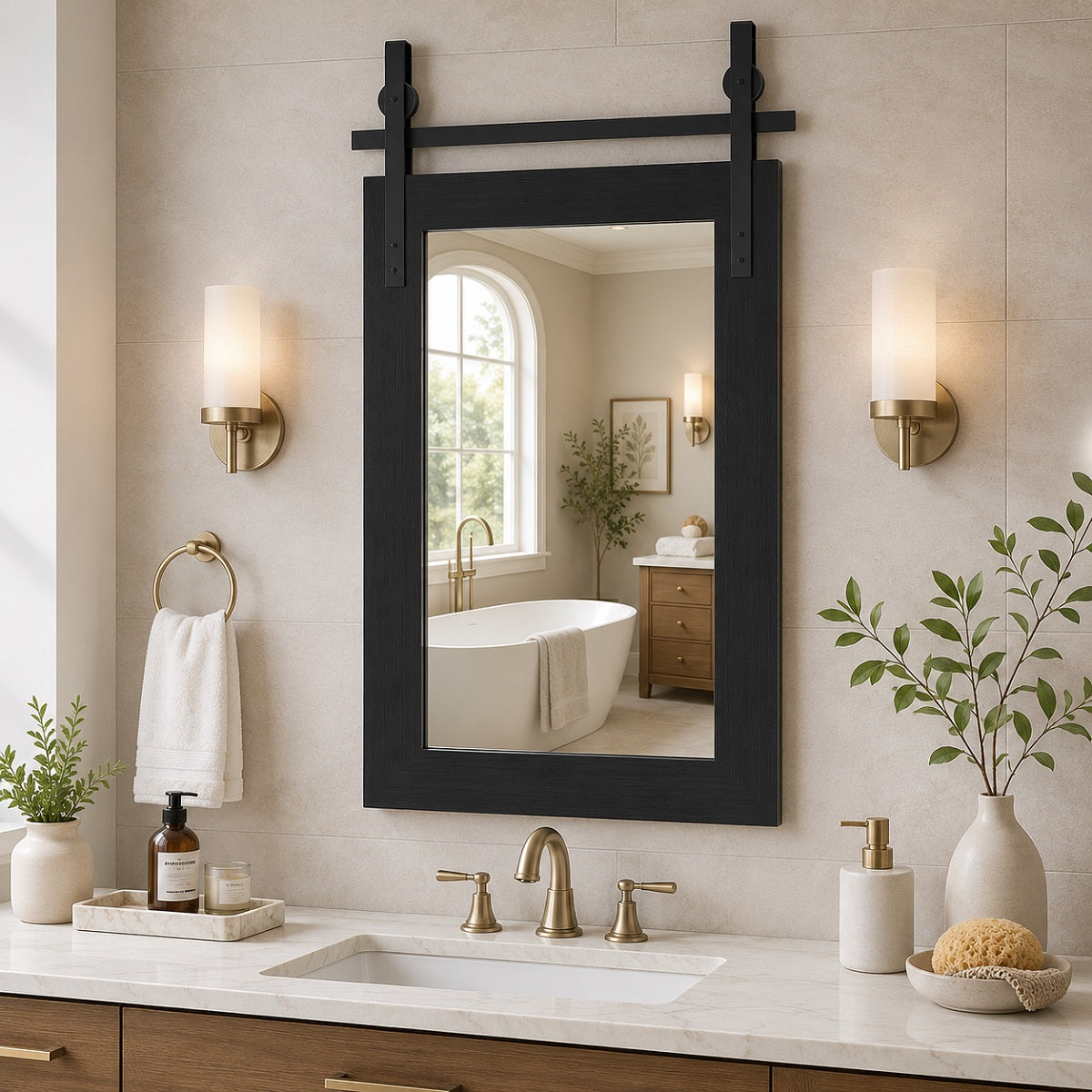
Confirm that the mirror is designed for wall mounting. Some frames include vertical and horizontal hanging points. Other models are made only for standing or leaning.
The hardware must support the full product weight. Use every mounting point named in the instructions rather than hanging a heavy mirror from a single general-purpose hook.
Check the connection between the glass, frame, hanging bracket, and wall. A strong wall anchor cannot correct a weak bracket attached to the mirror. CPSC recalls have documented mirrors falling after attachment parts failed, showing why every connection deserves attention. U.S. Consumer Product Safety Commission
Professional installation is sensible for very heavy mirrors, damaged walls, unusual frame designs, or mounting locations above furniture.

6. Choose a Method for Your Floor
Hardwood
Hardwood floors usually respond well to thin rubber grippers or floor-safe silicone pads. A strip of non-slip liner can work beneath a wide wood or metal frame.
Avoid leaving damp material under the mirror. Trapped moisture can mark or damage some finishes.
Floor polish may reduce grip. Clean the area thoroughly before positioning the mirror, but do not use harsh chemicals that could damage the frame or floor.
Tile
Smooth tile offers little friction, especially after mopping. Dense rubber pads or a purpose-built stopper usually work better than felt or fabric.
Place both corners on the same level. A frame resting partly inside a grout line can tilt or rock. Moving it an inch to either side may create a flatter base.
Bathroom and dressing-area tile can become damp. A leaning mirror should not sit where water regularly reaches the floor.
Vinyl
Some rubber compounds can discolor vinyl after extended contact. Choose pads labeled as safe for vinyl flooring and inspect the area from time to time.
A wall strap reduces the amount of force resting against the pads. This can be a better setup than relying on a large piece of rubber beneath the entire frame.
Avoid strong adhesive directly on vinyl unless the flooring manufacturer approves it.
Carpet
Shelf liner and rubber grippers do little on thick carpet. The mirror can sink unevenly or move when the carpet compresses beneath it.
A broad, rigid base provides better support. Freestanding mirrors with wide stands often feel more stable on carpet than narrow leaning frames.
Secure the upper frame to the wall when the mirror is tall or heavy. On plush carpet, wall restraint matters more than adding another layer beneath the base.
7. Stabilize Freestanding and Rolling Mirrors
A freestanding full-length mirror may move because the stand is loose rather than because the floor is slippery.
Open the support fully and engage its locking hinge. Make sure every foot touches the floor. Tighten loose fasteners only according to the product instructions.
Matching rubber feet can improve grip when the original feet are worn or missing. Uneven replacement pads may cause the mirror to rock.
Do not hang bags, clothes, or heavy accessories from the top of the frame unless the product includes storage features. Extra weight changes the mirror’s balance and may pull the stand forward.
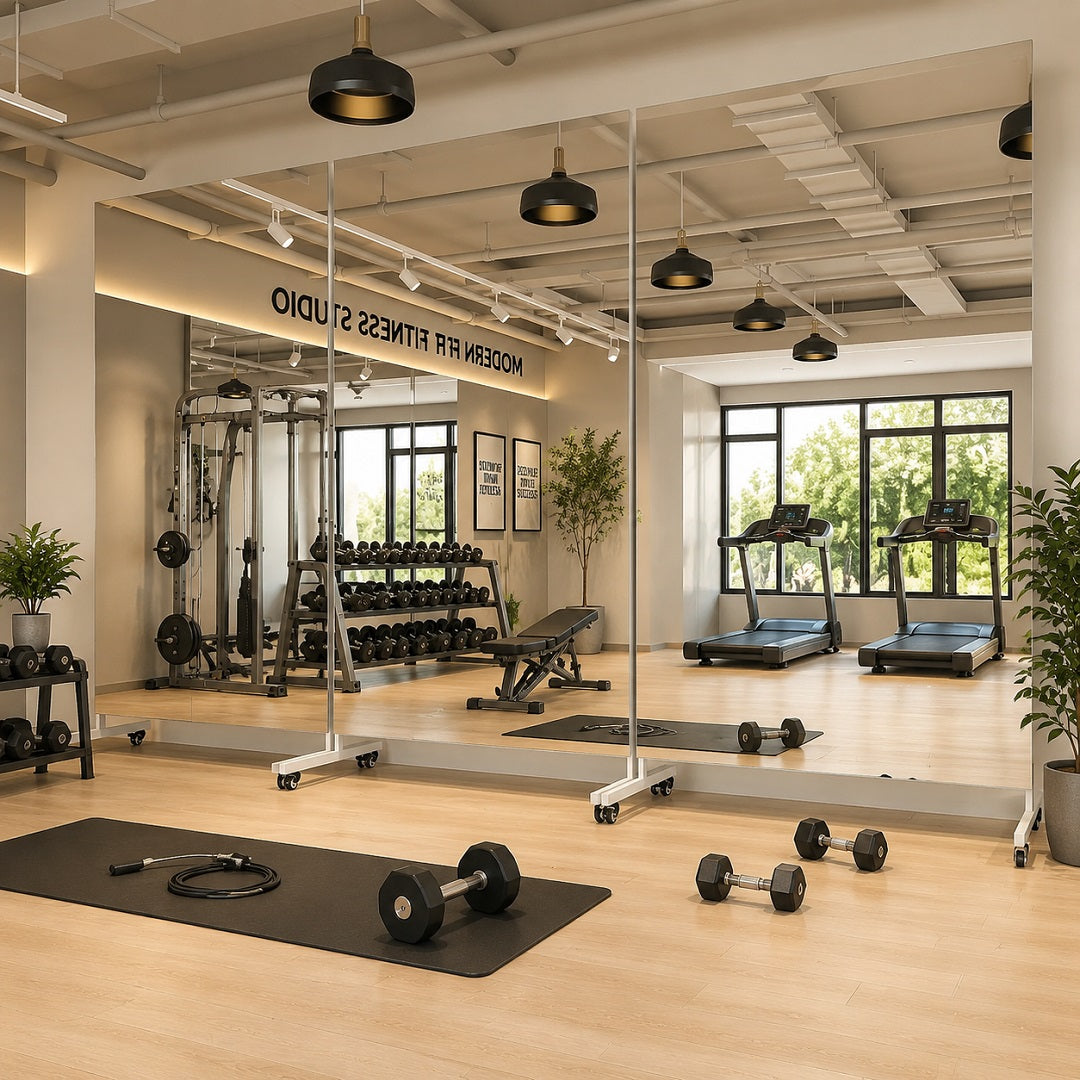
A mobile full-length mirror can drift when only some of its casters are locked. Press every brake fully after moving the mirror into position.
Hair, thread, and dust can collect around the wheels and stop the brake from closing properly. Clean the casters and check that each wheel remains securely attached to the base.
Unlock the wheels before moving the mirror. Dragging locked casters can scratch the floor and loosen the frame.
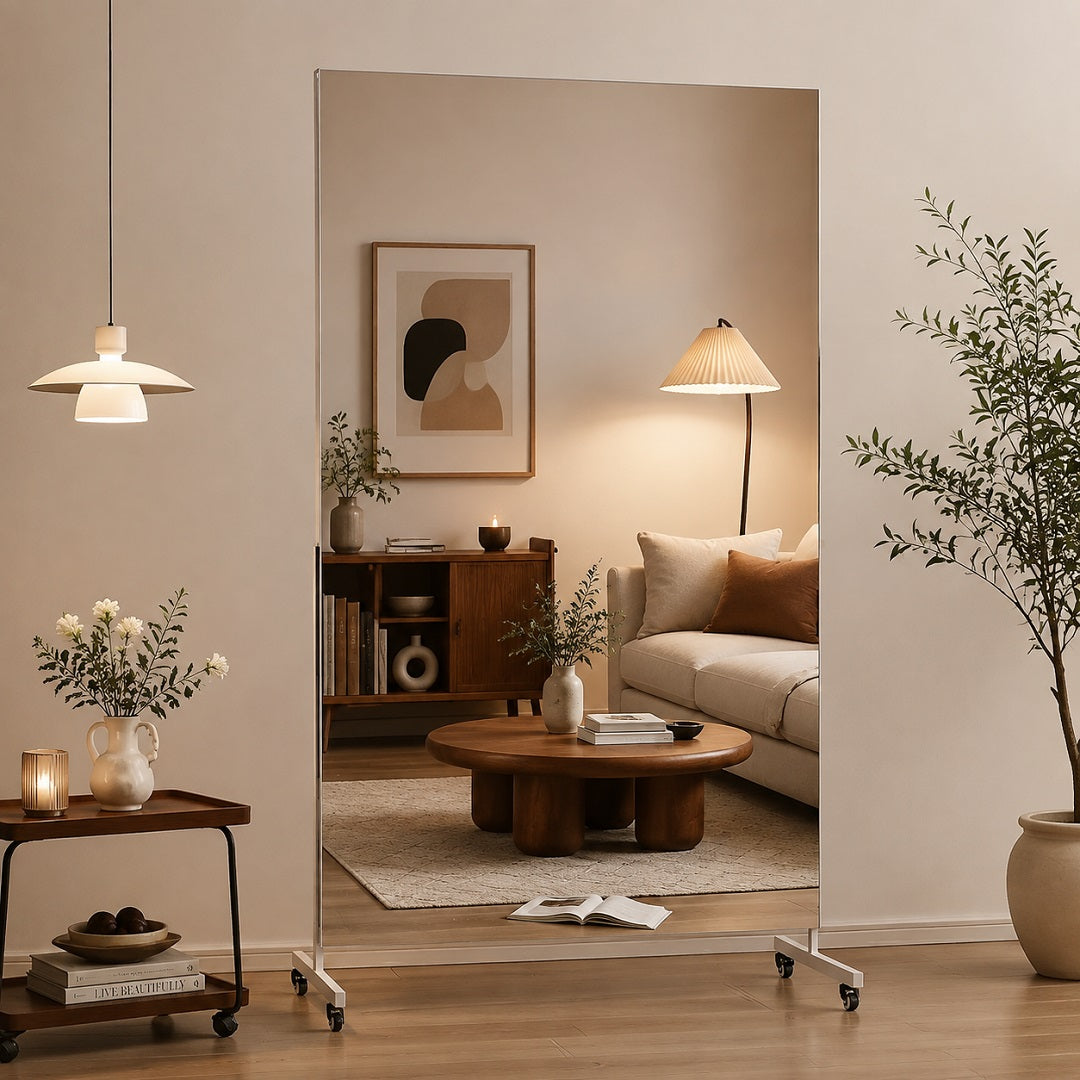
Move the unit by its frame or intended handle rather than pulling on the glass. Hasipu mobile mirrors may support floor use and wall mounting, but the installation options vary by model. Follow the manual supplied with the product.
8. Rental-Friendly Methods Have Limits
Rubber pads, non-slip liner, wall bumpers, and removable stoppers can reduce movement without drilling. They are useful for lightweight mirrors and small shifts.
Heavy glass should not depend on decorative mounting tape. Adhesive strength changes with wall texture, paint condition, heat, humidity, and surface preparation.
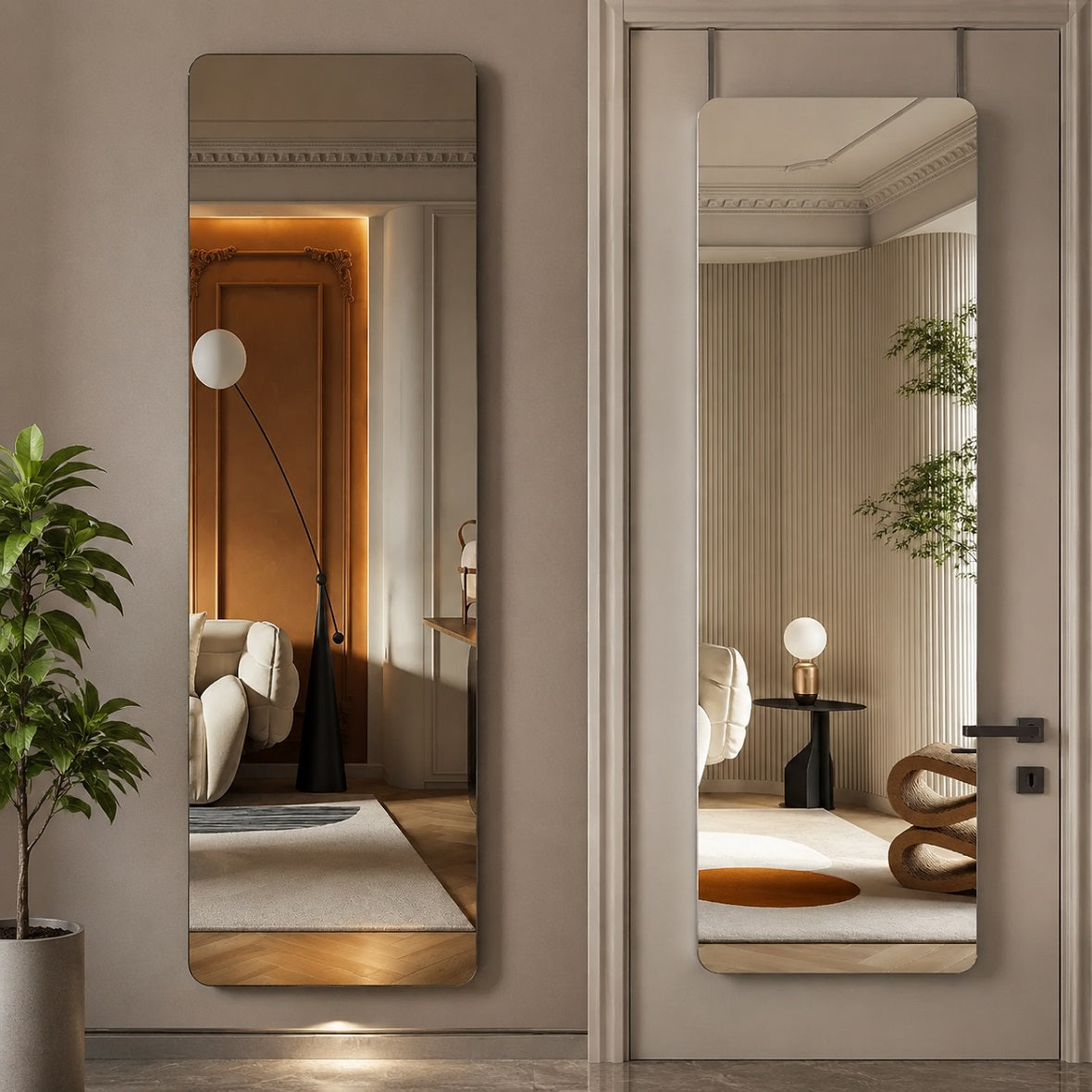
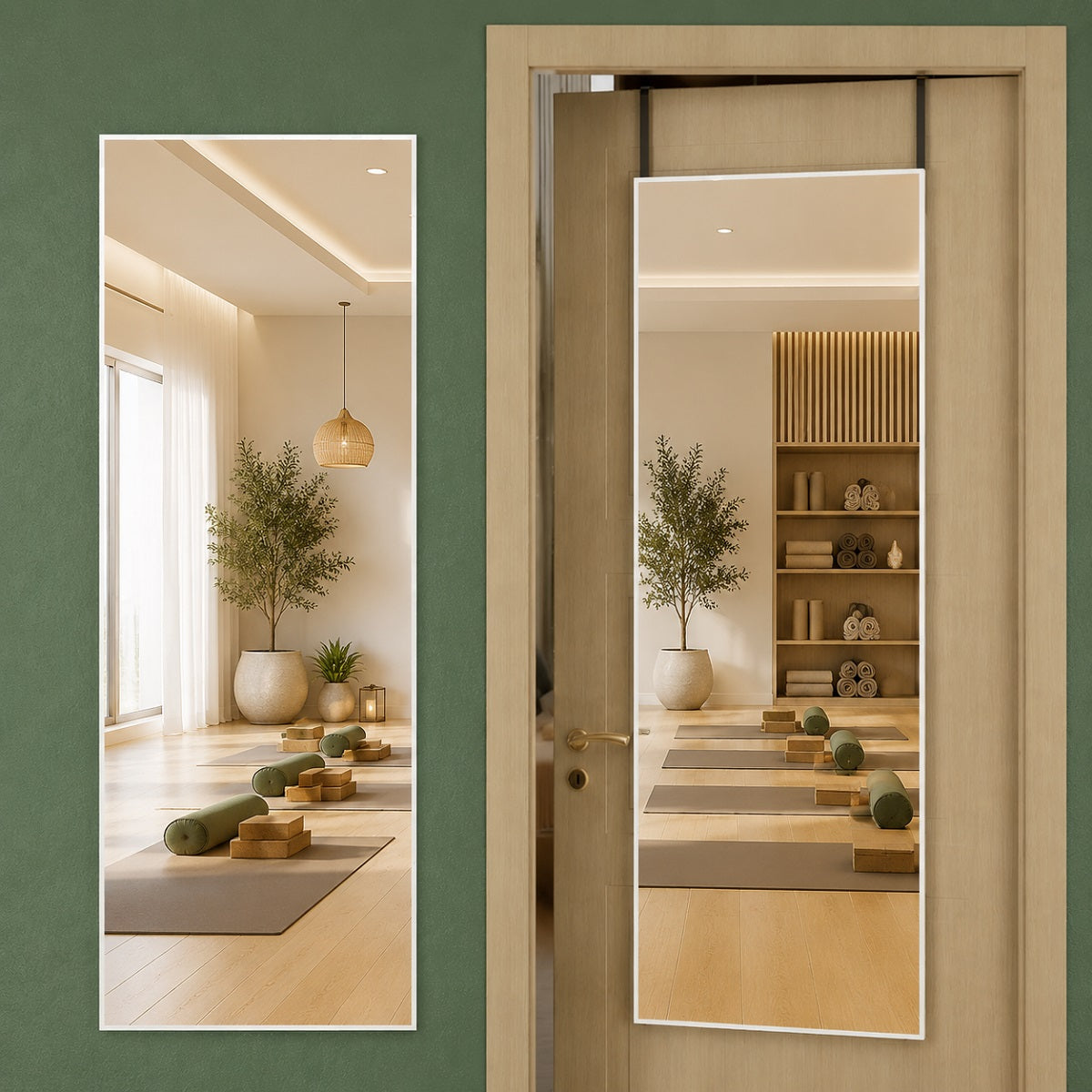
A freestanding mirror with a wide locking stand may be more practical for a rental than a large unsupported leaner. Over-the-door mirrors also save floor space without resting at an angle.
Homes with children or pets need a stronger solution. Asking the property owner for permission to install a small wall restraint is safer than expecting light-duty adhesive to hold a heavy mirror.
9. Placement Mistakes and Fixes to Avoid
A stable setup can still fail after repeated bumps. Keep an unsecured leaning mirror away from doors, narrow walkways, play areas, and exercise equipment.
Robot vacuums may tap the same bottom corner each day. A stopper can protect the base, but moving the mirror out of the vacuum’s route is simpler.
Do not place a heavy leaning mirror on top of a loose rug. Avoid floor vents that create an uneven base. Leave enough room around the frame for cleaning without having to move it every week.
Mirrors should also stay away from locations where water collects or a door handle can strike the glass.
Double-sided tape may hold the upper frame for a while, but the paint can separate from the wall. Once the painted surface fails, the tape is no longer holding anything solid.
Felt pads make furniture easier to move and may cause a mirror to slide faster.
A loose doorstop can be kicked out of position during cleaning. A fixed stopper is more dependable.
Placing a box, plant, or heavy object in front of the frame may block the mirror from sliding, but it also creates a trip hazard.
A folded towel or thick piece of fabric compresses unevenly. It may also collect moisture and dust beneath the mirror.
Several weak fixes used together are not equal to proper anchoring.
10. Which Method Should You Use?
| Mirror situation | Recommended approach |
|---|---|
| Lightweight mirror sliding on hardwood | Floor-safe rubber pads and wall bumpers |
| Mirror moving on smooth tile | Dense rubber liner or fixed mirror stoppers |
| Wide leaning mirror | Non-slip base with two upper restraints |
| Tall mirror on thick carpet | Firm support base and wall restraint |
| Mirror in a rental apartment | Stable stand or removable grip products |
| Mirror near children or pets | Rated anti-tip hardware or wall mounting |
| Mobile mirror with casters | Level base with every wheel locked |
| Mirror weighing more than 50 pounds | Approved hardware and professional installation when needed |
The bottom edge and upper frame perform different jobs. Grip beneath the mirror controls slow sliding, while a secure connection near the top limits tipping and forward movement.
For many leaning mirrors, combining both methods creates a cleaner and more dependable setup than relying on floor friction alone.
11. Inspect the Setup From Time to Time
Pads compress, straps loosen, and floors change after cleaning. Look at the mirror every few weeks, particularly during the first few months after installation.
Signs of movement include:
- A growing gap between the wall and frame
- Rubber pads showing beyond the front edge
- Scratches or faint tracks on the floor
- Loose straps or brackets
- A stand that no longer holds its angle
- Casters moving while locked
- New rocking or side-to-side movement
- Cracks near the frame joints
Check the setup again after moving furniture, replacing flooring, or repositioning the mirror. The new location may have a different slope, floor finish, or wall surface.

12. Keep the Mirror Secure Without Spoiling the Look
Anti-slip products can remain almost invisible when they are sized and placed carefully. Cut shelf liner slightly shorter than the frame. Position rubber pads behind the front edge. Keep straps and brackets on the back.
The finished setup should look like the mirror naturally belongs in the room. It should not need constant readjustment or a piece of furniture placed in front to hold it still.
Hasipu full-length mirrors are designed for dressing, room styling, home workouts, and flexible placement. A secure installation helps protect the mirror while keeping the space comfortable to use.
Final Thoughts
A sliding full-length mirror is usually caused by a smooth floor, an unstable angle, or a lack of support near the top. Rubber pads and non-slip liners can control small movements, while anti-tip straps or wall mounting provide stronger protection for larger mirrors.
The safest setup supports both the bottom edge and upper frame. Match the method to the mirror’s weight, floor material, and installation style, then check the hardware occasionally for movement or wear. With the right support, a Hasipu full-length mirror can remain stable without taking away from the clean look of the room.
Frequently Asked Questions
1. How do I stop a full-length mirror from sliding on hardwood?
Clean the floor and frame, then place floor-safe rubber grippers beneath the bottom corners. A thin strip of non-slip shelf liner can support a wider frame. Secure large mirrors near the top with approved anti-tip hardware.
2. What should I put under a leaning mirror?
Dense rubber pads, silicone grippers, thin shelf liner, or a purpose-built mirror stopper can add traction. Check that the material is safe for the flooring and strong enough for the mirror’s weight.
3. Can a full-length mirror lean safely against a wall?
A mirror approved for leaning can be displayed this way when the base is stable and the top is secured as directed by the manufacturer. Large mirrors should not rest loosely against the wall in active areas.
4. Do anti-slip pads prevent a mirror from tipping?
Anti-slip pads reduce movement at the bottom. They do not secure the upper frame. Anti-tip straps or proper wall mounting provide stronger protection against forward tipping.
5. How do I keep a leaning mirror stable on carpet?
Use a broad, firm support beneath the frame and secure the top to the wall. Thick carpet can compress unevenly, so rubber pads alone usually do not solve the problem.
6. Why does my freestanding mirror keep moving?
The support may not be fully open, the hinge may be loose, or the feet may sit unevenly. Rolling mirrors may also move when some casters remain unlocked.