
Table of Contents
An entryway mirror earns its place during the small moments: straightening a collar, checking your hair, taking one last look before grabbing your keys. Choosing one gets easier when you think about those moments alongside the wall you want to fill.
To choose an entryway mirror, decide how much of your reflection view you need, measure the available wall and any furniture below it, and check the view it will reflect. Then compare shapes, frames, lighting, and wall mounting requirements. Above a console, a mirror roughly two-thirds to three-quarters of the table’s width is a useful starting point—not a fixed rule.
Here’s how to turn those decisions into an entryway mirror setup that works in your home.
What Are the Benefits of an Entryway Mirror?
An entryway mirror serves several practical and decorative purposes, even in a home with a small entrance.
A Quick Check Before You Head Out
Having a mirror near the front door gives you a place to straighten your jacket, check your hair, or adjust a scarf without returning to the bedroom. Guests can use it for a quick check when they arrive, too.
A Brighter-Looking Entrance
A mirror can reflect daylight from a nearby window or light from a lamp, helping the entryway feel brighter. Placement matters: a mirror reflects available light, so a dark, windowless hallway still needs a suitable light source.
More Visual Depth in a Small Entryway
The reflected view adds visual depth, which can make a compact foyer or narrow entrance feel less enclosed. Keep the reflected area reasonably tidy; a mirror facing a crowded coat rack can make the space look busier.
A Focal Point for Your Entryway Decor
A mirror gives the eye somewhere to land above a console or shoe cabinet. Its frame can repeat a finish from the lighting or furniture. In an open-plan home, a mirror and slim console can also help define an entrance area.

Which Type of Entryway Mirror Fits Your Daily Routine?
A quick hair check and a head-to-toe outfit check call for different mirrors.
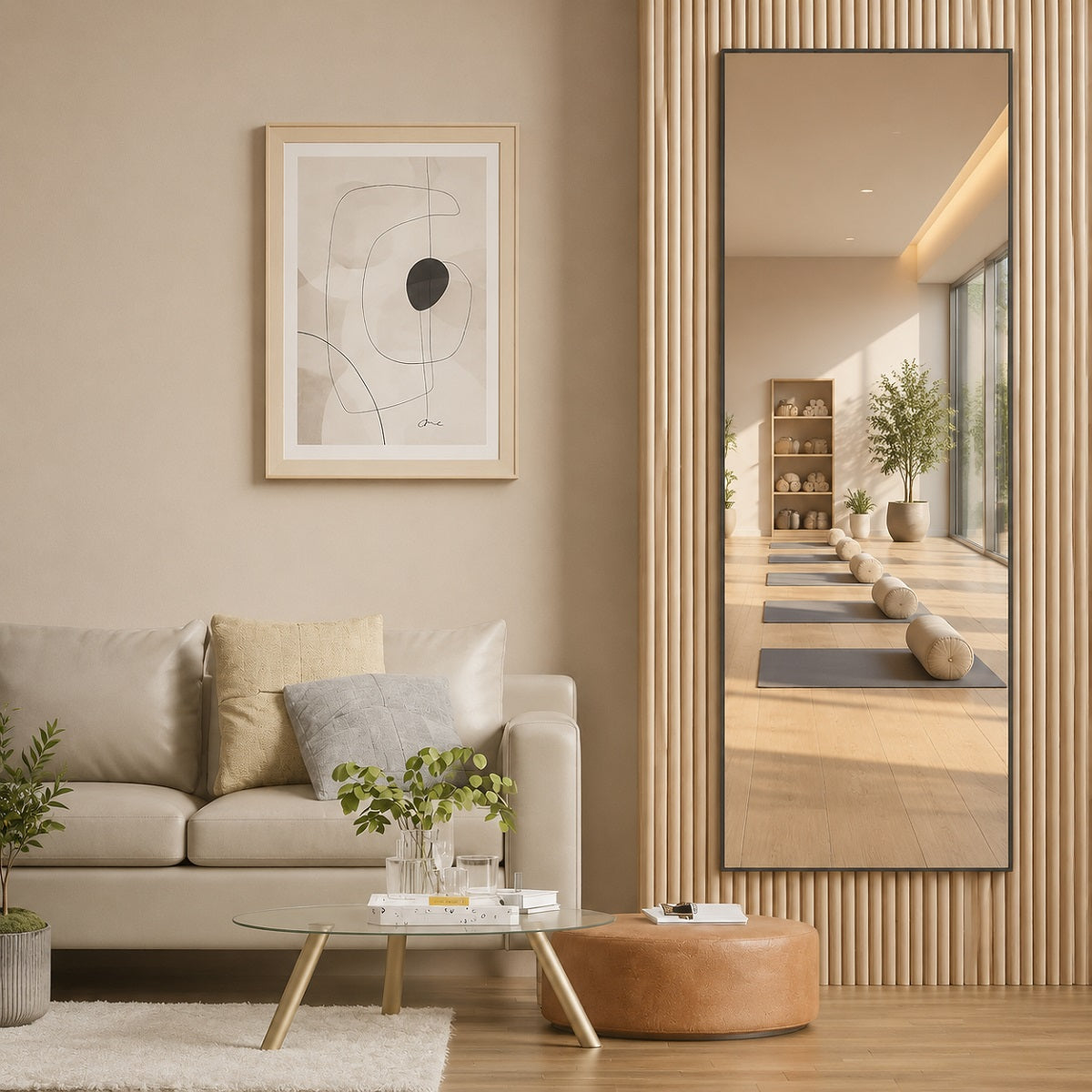
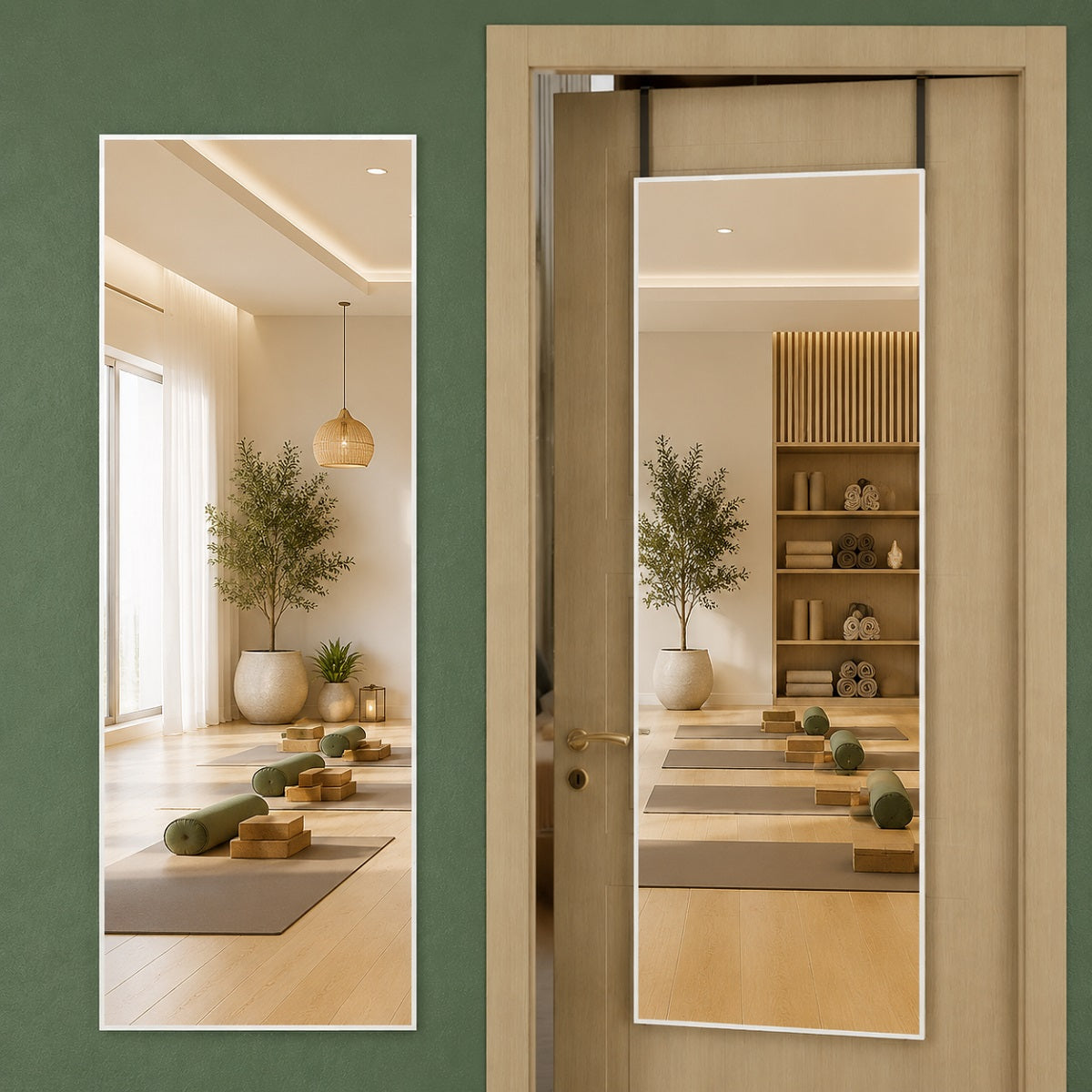
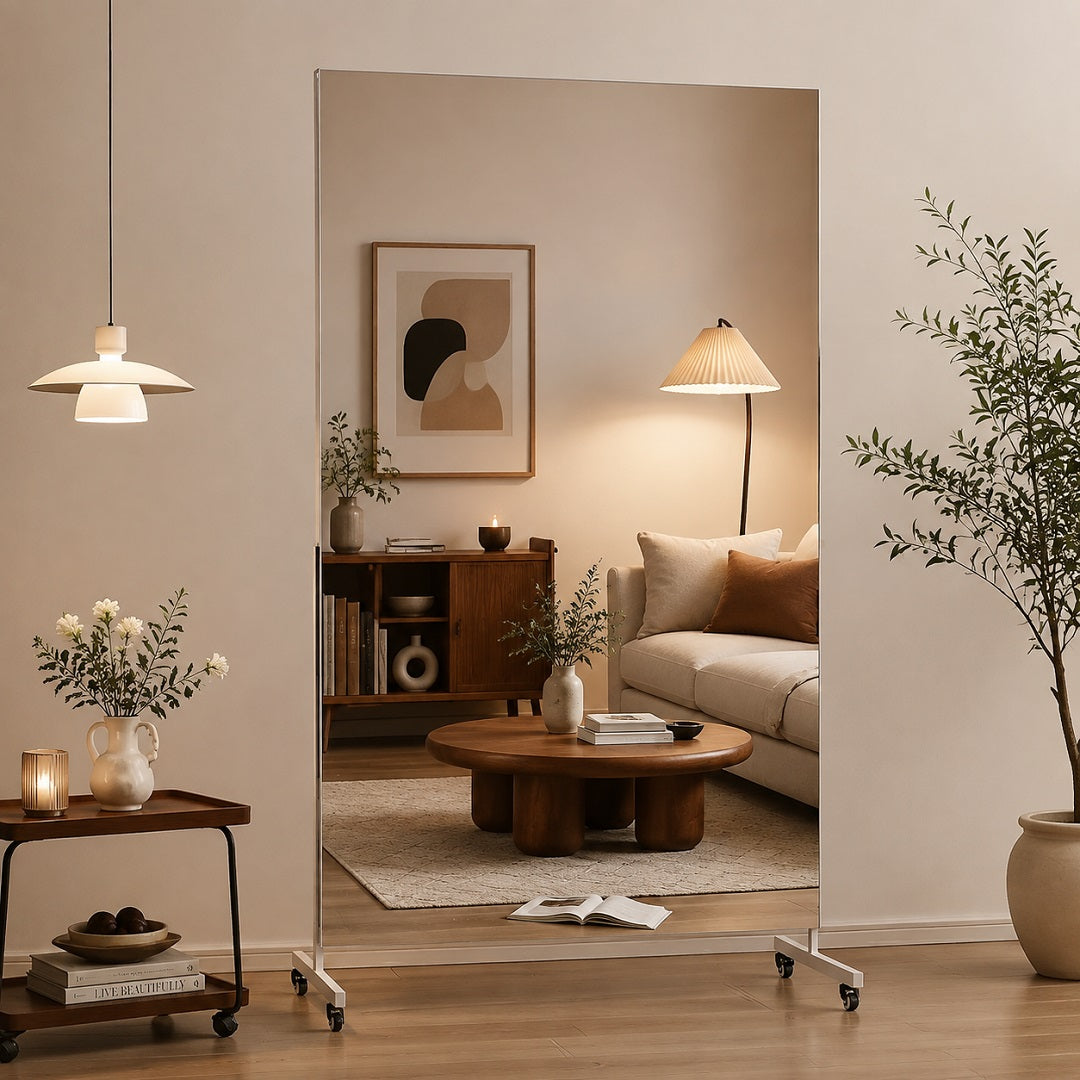
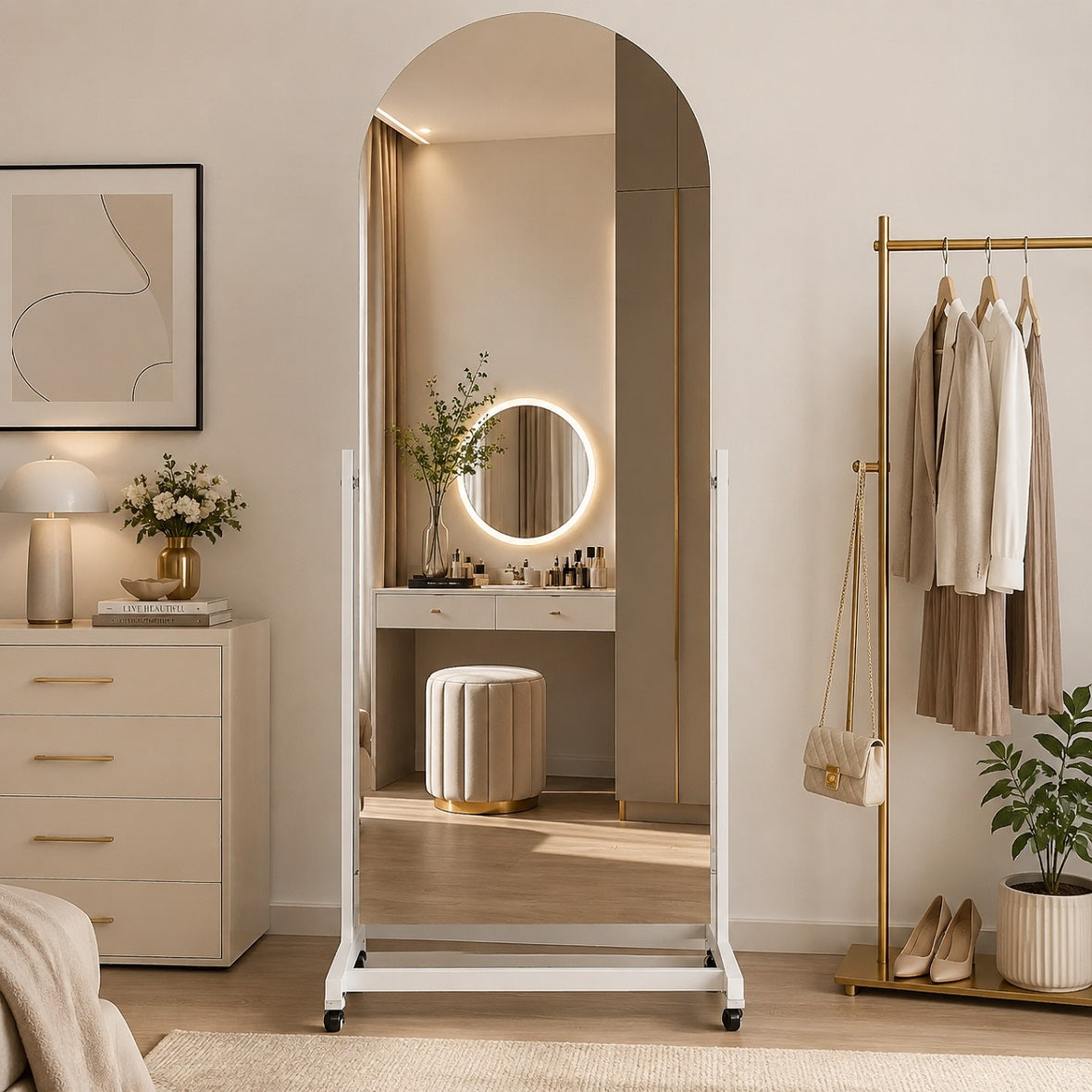
A wall mirror above a console gives you a convenient place to check your face while keeping keys and mail within reach. A full-length entryway mirror makes more sense when you want to see your coat, pants, and shoes together. Keep furniture out of the lower portion of that reflection.
Think about who will use it, too. A small mirror positioned for the tallest adult may be frustrating for everyone else. A taller reflective area gives you more flexibility when choosing a useful mounting height.
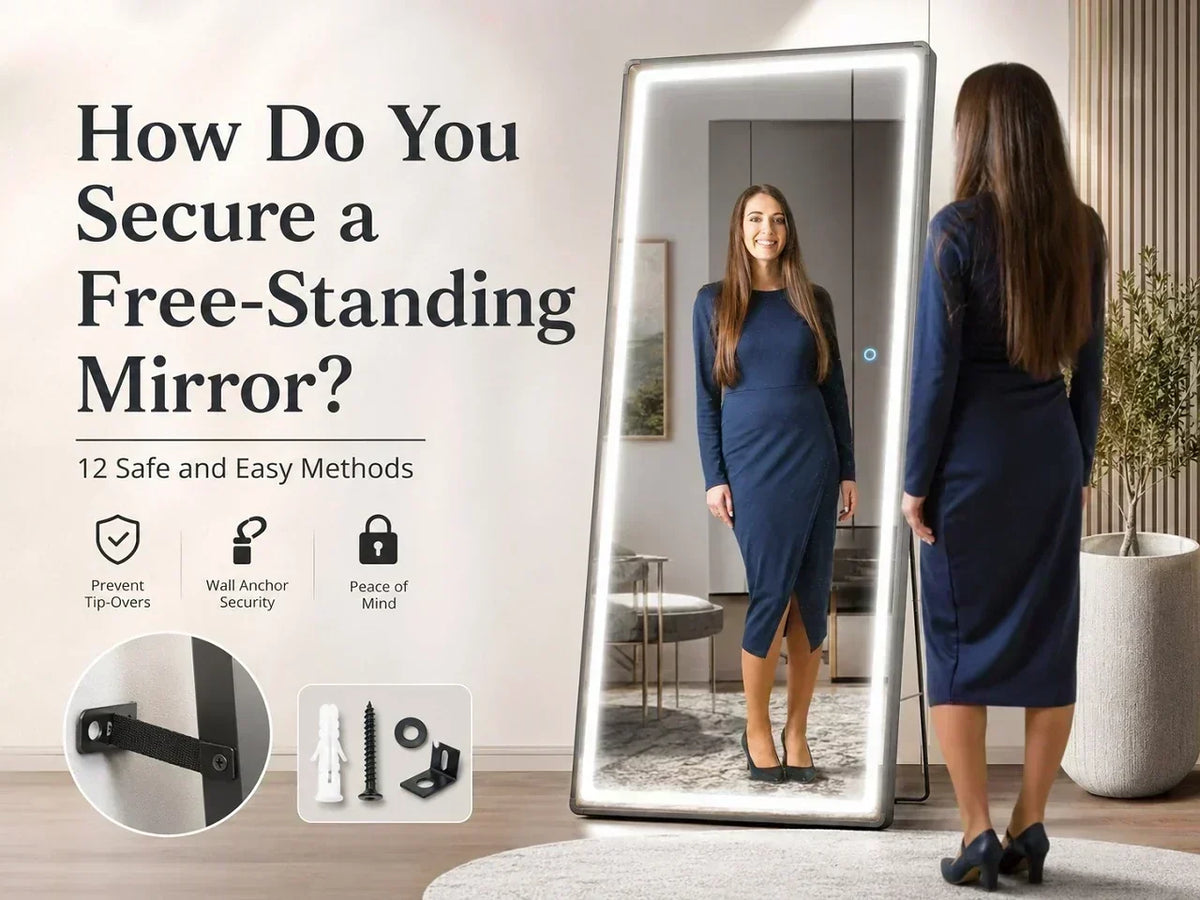
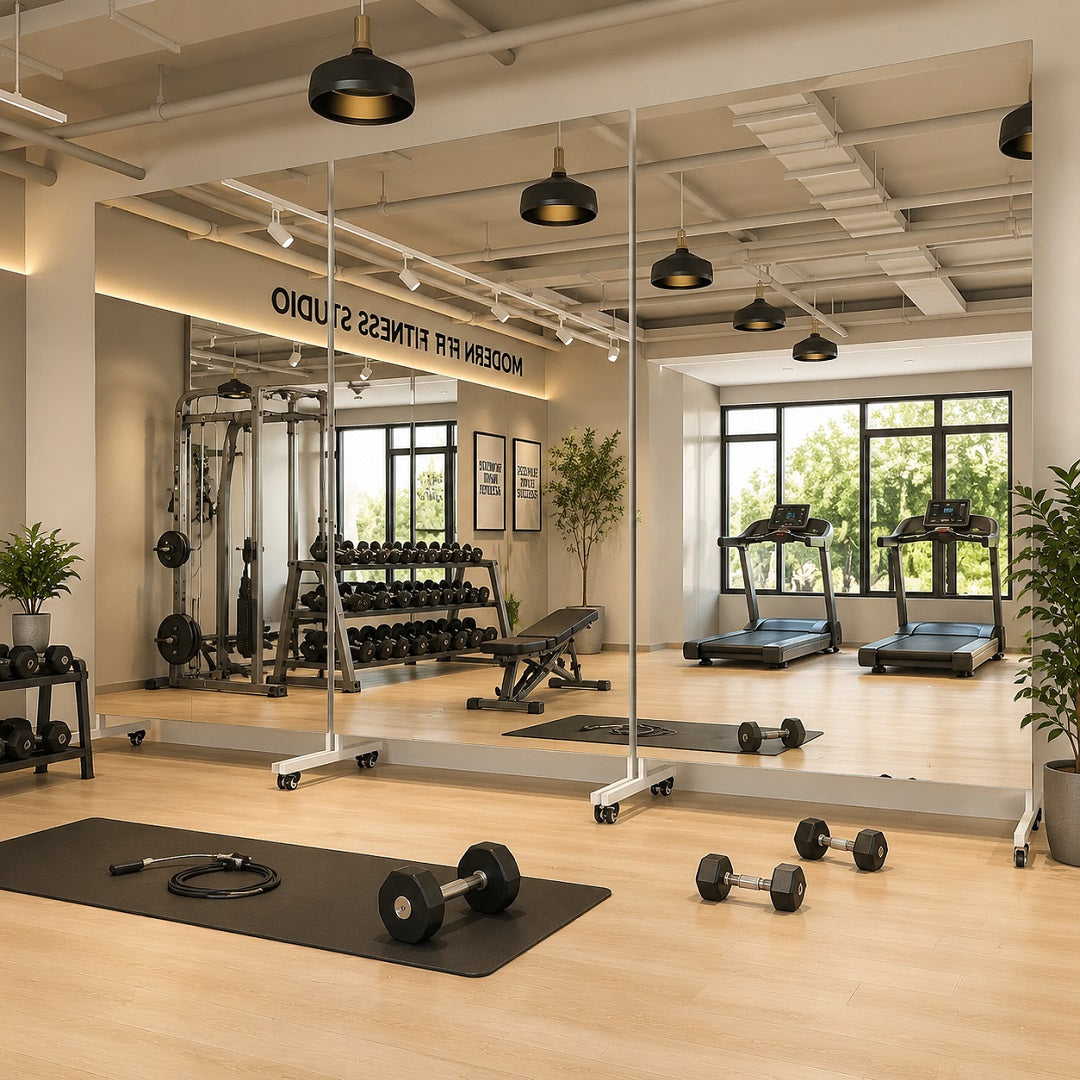
For outfit checks, browse Hasipu full-length mirrors with your wall measurements nearby. Check the installation options on the individual model before deciding where it will go.
How to Match an Entryway Mirror to Your Layout
Your entryway layout determines where a mirror will be useful and how much room you can give it. Start with the door swing, walking route, and furniture you use every day.
Narrow Hallways: Keep the Walking Path Clear
In a narrow entryway, a wall-mounted mirror keeps the floor available for people, bags, and shoes. A slim vertical mirror can fit a short wall section; a wider mirror along a side wall gives you a broader reflected view when the wall allows it.
Check where you can comfortably pause to use it. Avoid placing a projecting frame where the front door, closet door, or passing bags could hit it. A mirror reflects the space you have; bulky furniture will still restrict the walkway.
Open-Plan Entrances Need a Defined Arrival Area
When the front door opens directly into the living room, an entryway mirror above a shallow console or shoe cabinet can help identify the entrance as its own area. Position the grouping near the route into the home, with enough room to set down keys and remove shoes.
A round or arched mirror can soften the outline of the cabinet. Choose a frame that also works with the living room, since both spaces are visible together. Before hanging it, check whether the reflected view will show a pleasant part of the room or draw attention to everyday clutter.
Spacious Foyers Can Accommodate a Larger Arrangement
A large entryway mirror can give a broad wall a clear focal point. Above a substantial console, compare the mirror with the furniture’s width and the wall around it. A small mirror may look disconnected when the surrounding wall is mostly empty.
You could also place a full-length mirror on a separate wall for outfit checks, leaving the console free for a lamp or artwork. Keep the mirror accessible rather than putting a bench or decorative objects directly in front of the viewing area.
Entryways Beside Stairs Have Uneven Wall Space
A staircase entryway may leave you with a tall wall section near the bottom step or a lower area beneath the slope. A vertical rectangular or arched mirror can suit the taller section. A smaller round mirror or horizontal style may sit more comfortably above a low cabinet beneath the stairs.
Measure the entire outline against the slope, trim, and handrail. Keep the mirror within the entrance area where you can stop on level flooring without blocking access to the stairs.
Entryway Mirror Size: Getting the Proportions Right
The right entryway mirror size depends on the usable wall, the furniture underneath, and the amount of visible glass you need.
Above a console table
Start by comparing the mirror’s outside width, including its frame, with the console’s width. The two-thirds to three-quarters guideline gives you these reference ranges:
| Console table width | Mirror width to try |
|---|---|
| 36 inches | 24–27 inches |
| 48 inches | 32–36 inches |
| 60 inches | 40–45 inches |
| 72 inches | 48–54 inches |
For a round mirror, use the outside diameter. These ranges are calculated starting points for a centered arrangement, not required sizes.
Try two paper outlines before ordering. On a 48-inch console, compare a 32-inch circle with a 36-inch circle. Put your existing lamp and key tray in place, then look at both options from the front door. The larger circle may feel right on an open wall; the smaller one may leave more room beside a tall lamp.
On a wall without furniture
Measure the clear space between door trim, switches, corners, and other fixed features. Check the mirror’s depth as well as its height and width, especially behind a door.
Leave some visible wall around the frame. A mirror can physically fit between two doorways and still look squeezed into the gap.
Product dimensions don’t always tell you how much reflection you’ll get. A wide decorative frame takes up part of the overall size. Check the usable glass dimensions when they’re available, particularly for smaller mirrors.

How Different Mirror Shapes Change the Feel of Your Entryway
The shape of an entryway mirror influences where your eye travels and how the surrounding furniture looks. Curves can soften a room full of straight lines, while a long horizontal or vertical shape emphasizes a different direction. The effect also depends on the mirror’s size, frame, and reflection.
Round Mirrors Soften Angular Entryways
A round entryway mirror breaks up the straight edges of doorframes, console tables, and shoe cabinets. That contrast can make a boxy entrance feel a little more relaxed. Above a rectangular console, the circle creates a clear focal point without repeating the furniture’s shape.
This pairing works especially well when the entrance already has strong lines, such as wall paneling or a dark stair railing.
Oval Mirrors Add a Gentle Vertical Accent
A vertically hung oval entryway mirror draws attention upward while keeping a curved outline. It can give a slim wall section a more graceful look, particularly beside a doorway or above a narrow cabinet.
Compared with a circle of the same height, an oval leaves more wall visible on either side. That extra breathing room can help a compact arrangement feel less crowded.
Arched Mirrors Bring an Architectural Detail
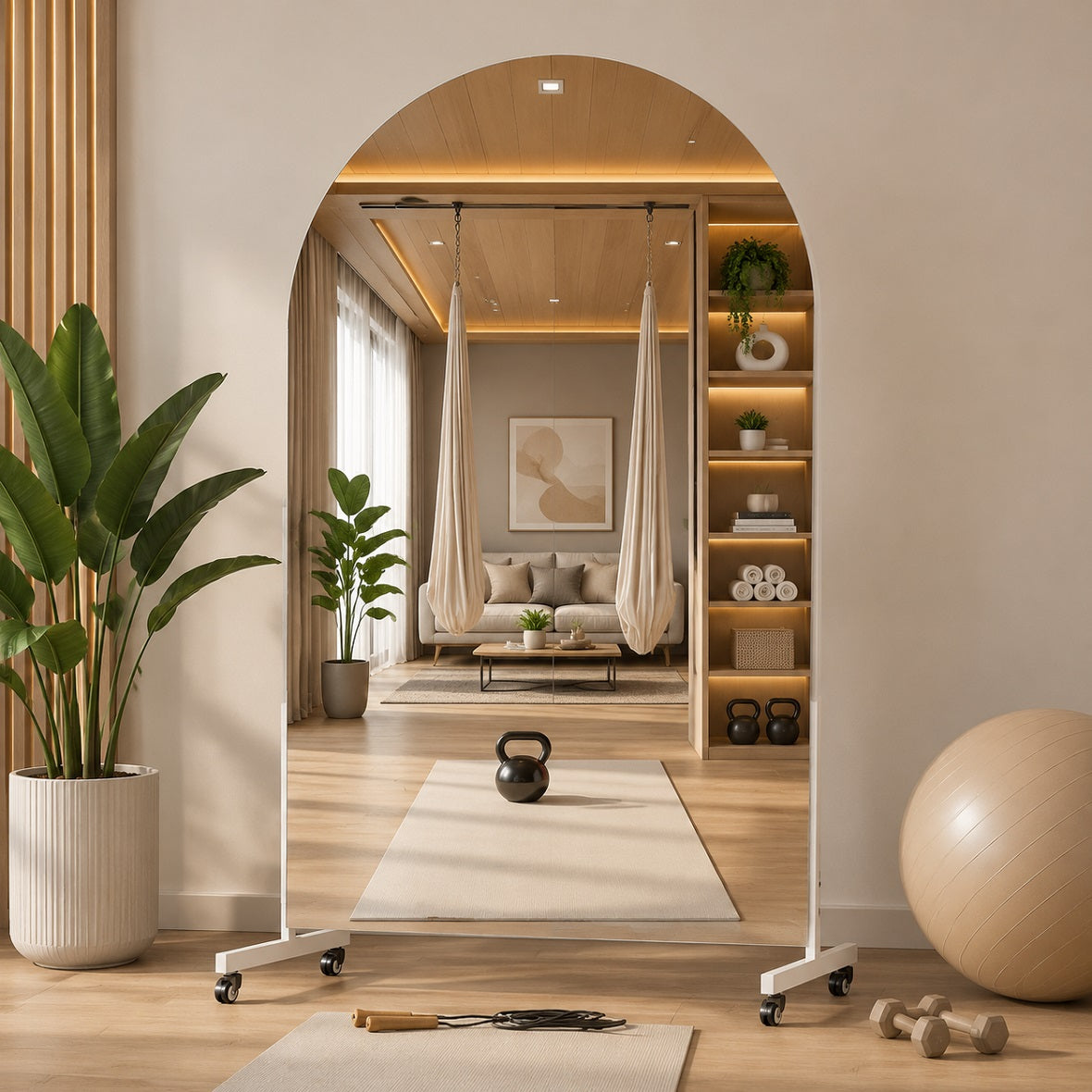
An arched entryway mirror suggests the outline of an arched window or doorway. On a plain wall, it can introduce an architectural detail without changing the room itself. The curved top draws the eye upward, while the straight sides give the arrangement structure.
A slim frame keeps the effect understated; a substantial wood or decorative frame makes it more prominent. Explore Hasipu arched mirrors for a shape that connects with your entryway’s existing lines.
Rectangular Mirrors Emphasize Height or Width
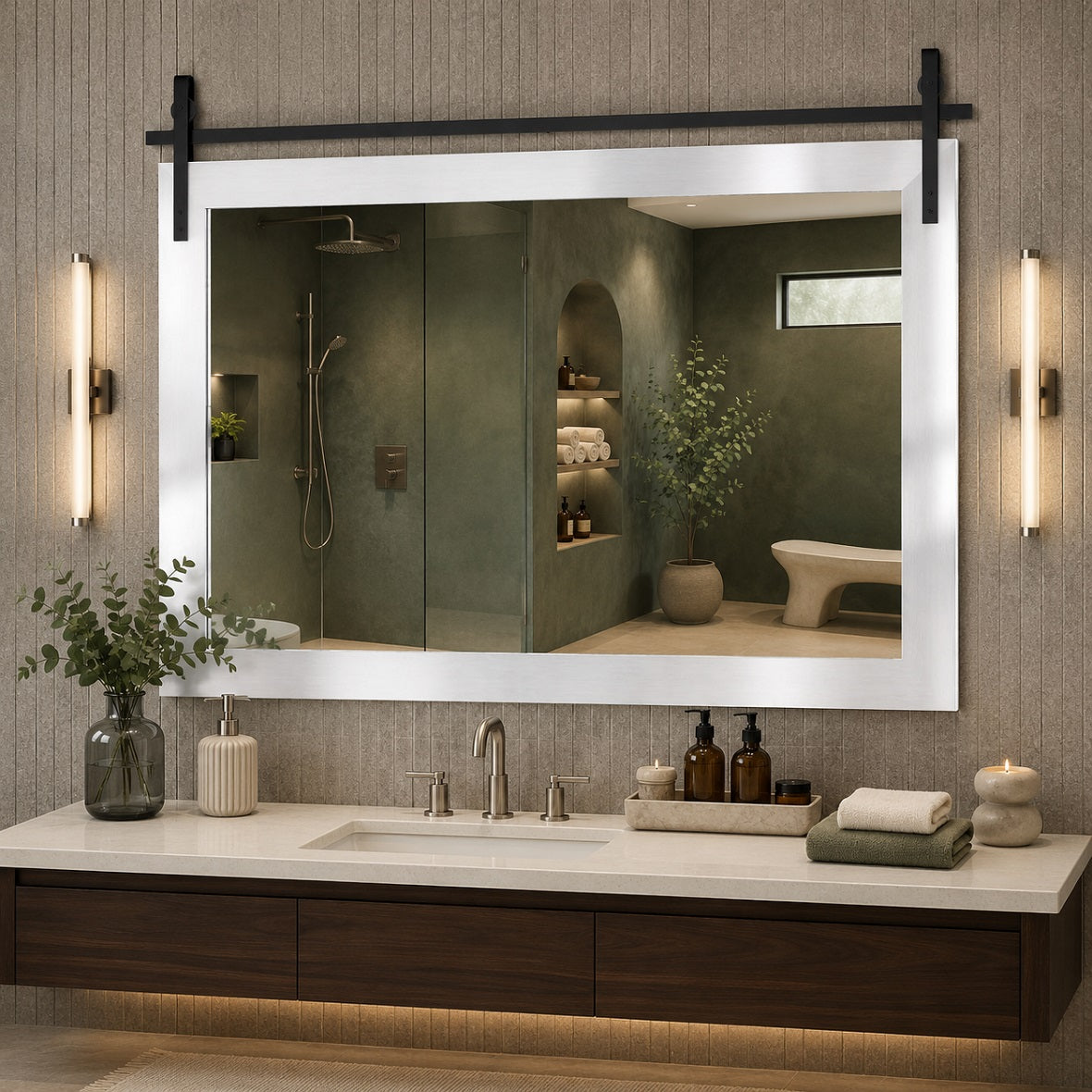
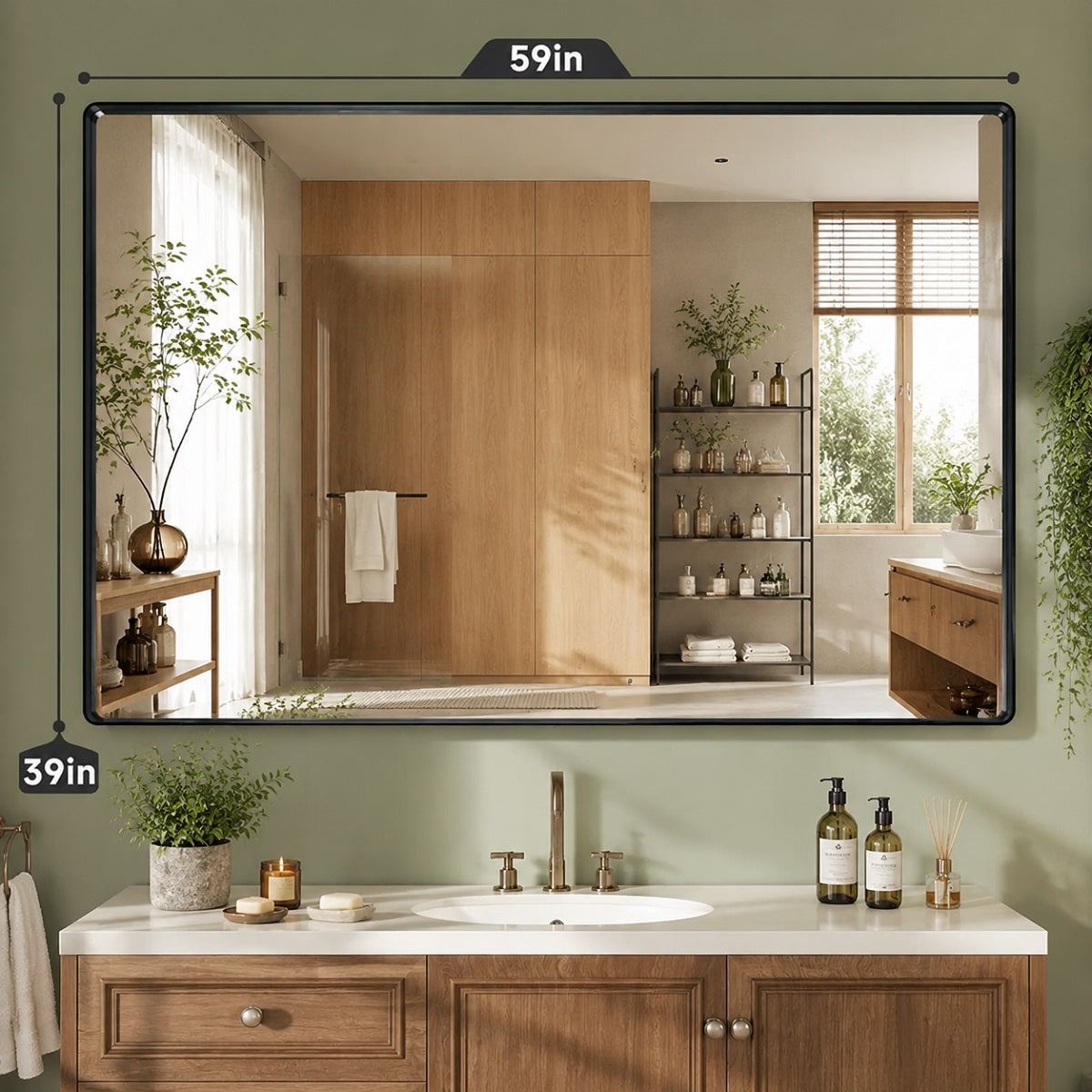
A vertical rectangular entryway mirror emphasizes the upward lines of the wall. A horizontal rectangle carries the eye across the space and can visually connect a long console with the wall above it.
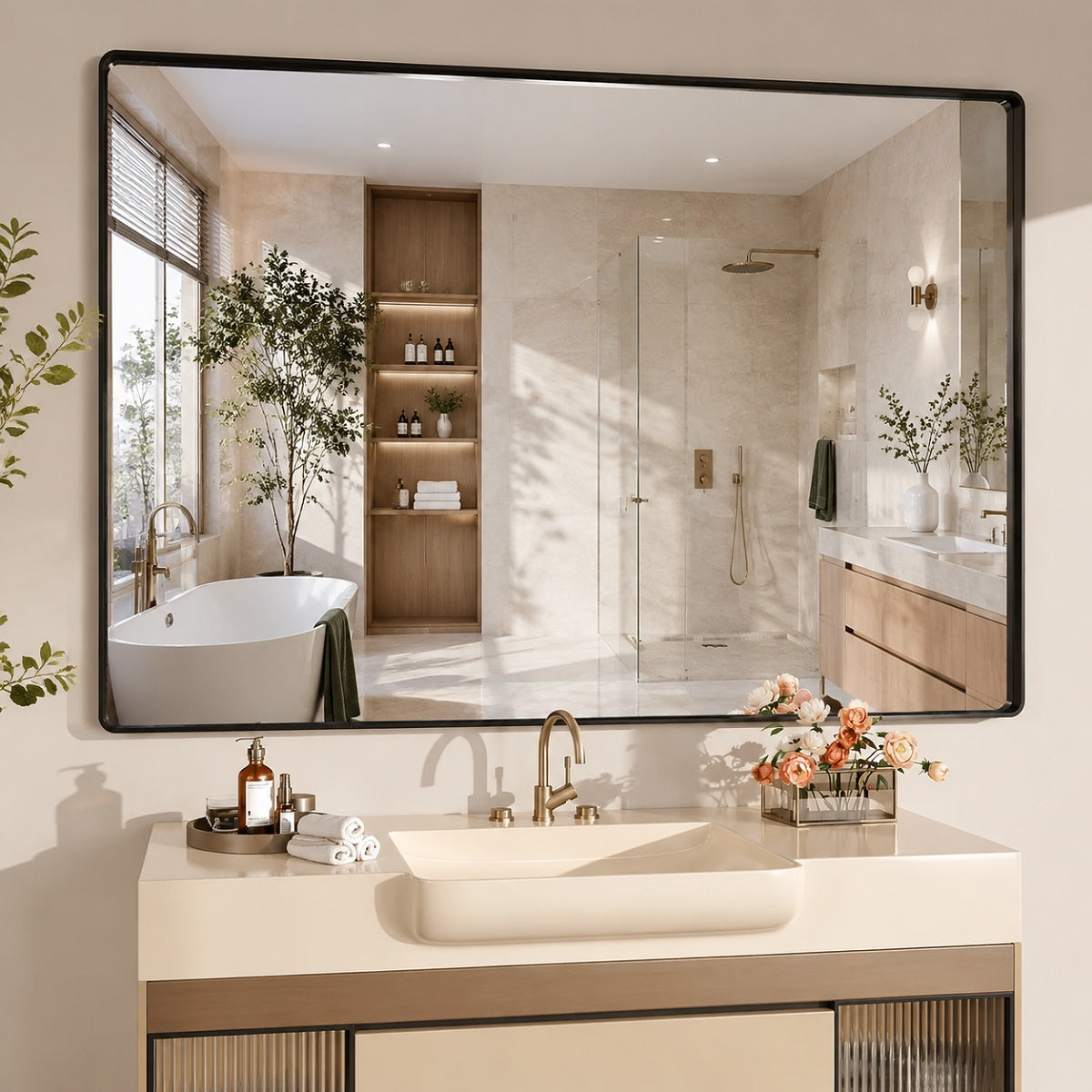
Its straight edges create an orderly, structured look, especially when aligned with nearby furniture. Rounded corners can soften that effect while keeping the overall rectangular shape.
Irregular Mirrors Give a Simple Entrance More Personality
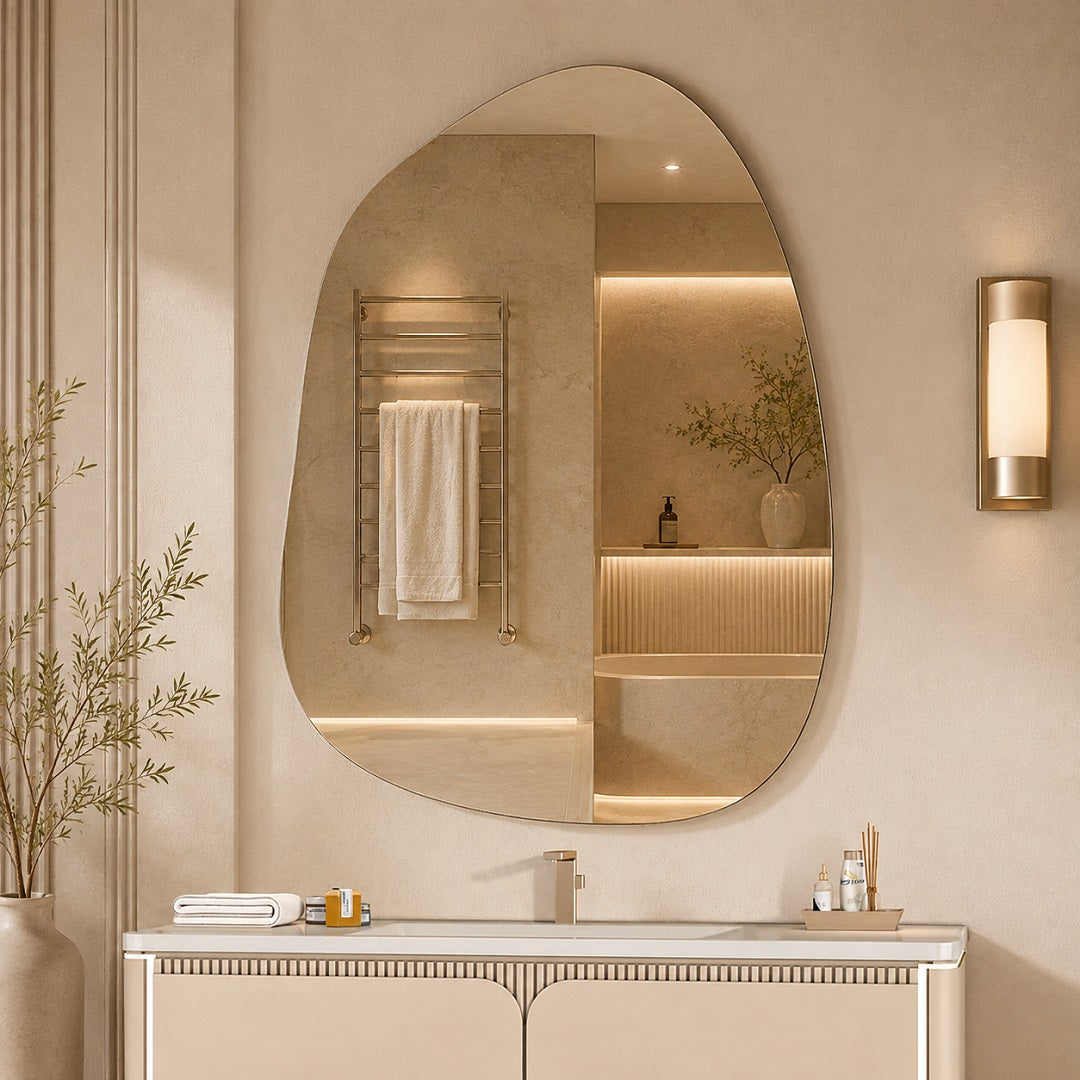
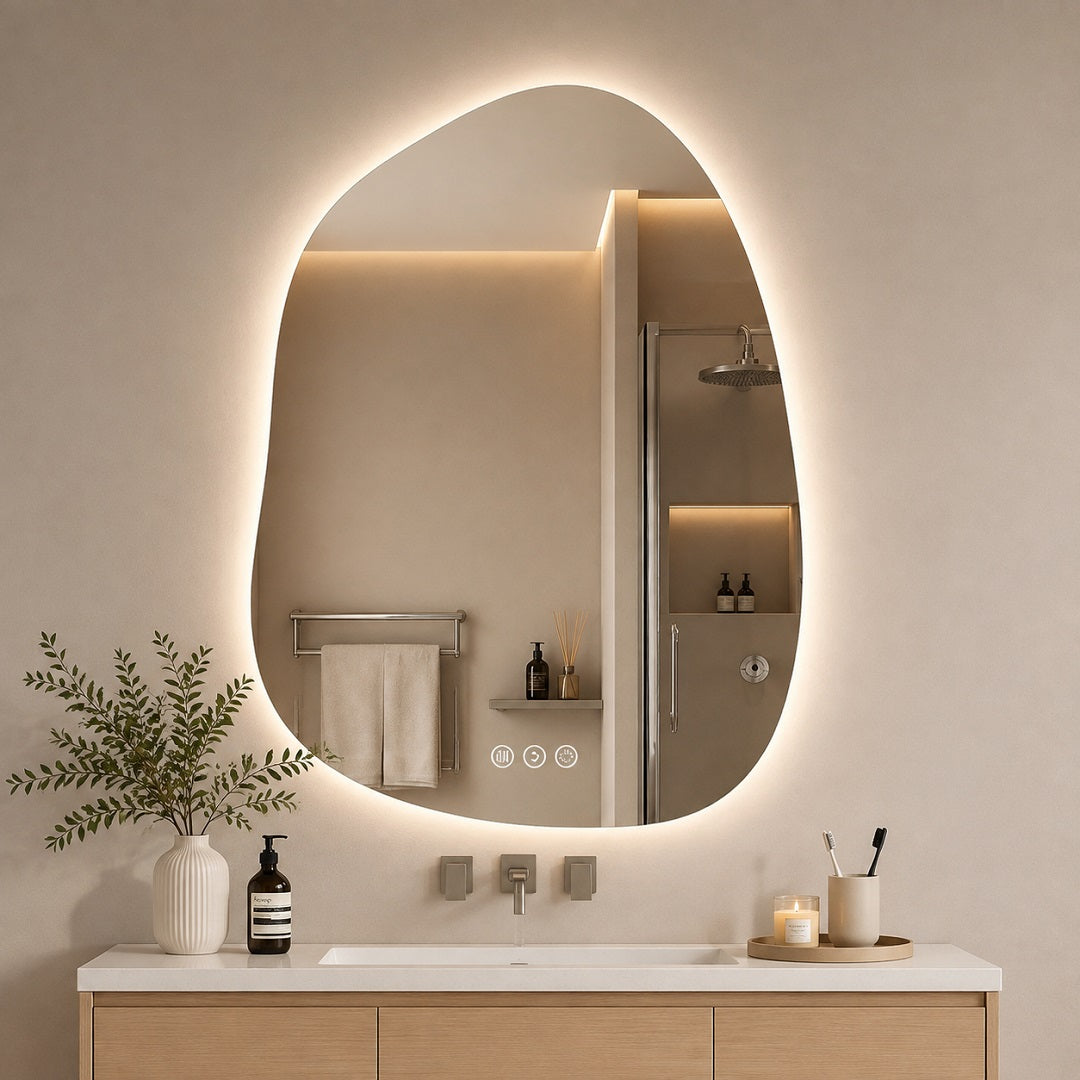
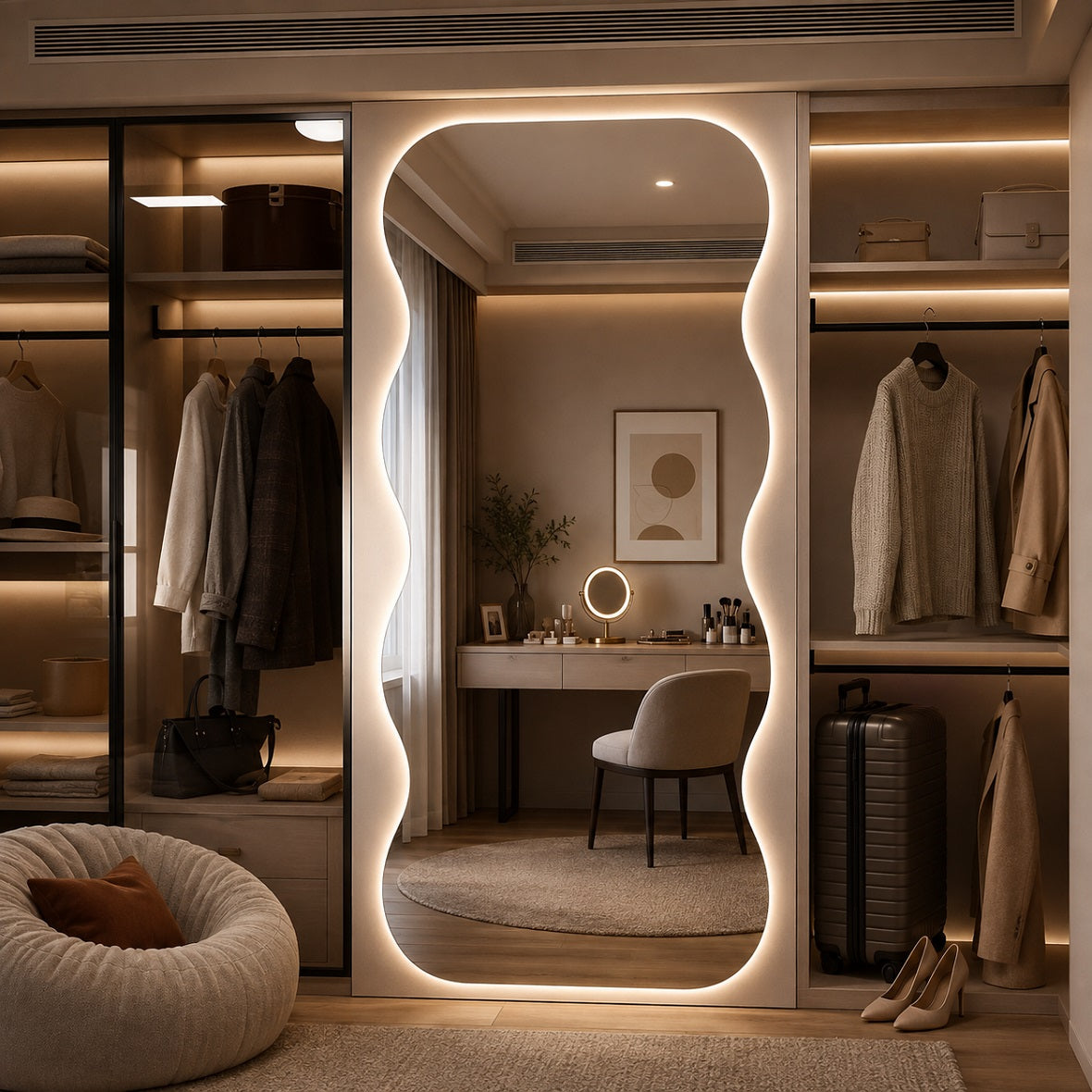
An irregular entryway mirror introduces an unexpected outline that naturally attracts attention. A gently curved, asymmetrical shape can feel sculptural, while a pronounced wavy edge adds a more playful detail.
On a plain wall above a simple cabinet, the mirror can become the main decorative feature. Patterned wallpaper, ornate furniture, and a bold mirror all compete for attention, so consider which piece you want people to notice first.
Entryway Mirror Placement and Styling Tips
Where to Place an Entryway Mirror
The mirror adds a second view to your entryway. Decide what you want that view to include.
A window, a favorite print, or an uncluttered corner may be worth reflecting. An open coat closet or a crowded shoe rack may draw more attention than you intended.
Walk through the entrance along your normal route. Look toward the proposed mirror position from the doorway, the console, and the adjoining room. A small handheld mirror held flat against the wall can give you a rough preview of the reflected direction, although it won’t show the full view of a larger mirror.
For a small entryway mirror, consider a side wall where you can stop comfortably without blocking the door. The wall directly opposite the entrance isn’t automatically the most useful location.
Check the light at the times you usually leave and return. A bright window or exposed bulb may produce an uncomfortable reflected glare from one angle. Leave room to adjust your mirror placement before drilling.

How High Should You Hang an Entryway Mirror?
Above a console, 6–8 inches between the tabletop and the bottom of the mirror is a common decorating starting point. Adjust the gap to suit the table height, mirror shape, and people using it.
Here’s a simple layout to picture: a 32-inch-high console, a 6-inch gap, and a 32-inch-tall mirror. The mirror would run from 38 to 70 inches above the floor. That calculation tells you where the frame sits; you still need to check that everyone can see comfortably.
Mark the proposed top and bottom edges on the wall. Ask the people who use the entrance to stand where they would normally check their reflection. Their faces should sit comfortably within the glass, with room above their heads for a clear reflection height.
A mirror on an open wall doesn’t need to follow the console gap. Position it around the view you need. For an entryway full-length mirror, test the planned mirror placement for both your head and shoes rather than relying on a decorative center-height rule.
Mirror Frames and Finishes That Match Your Entryway
Look at the entrance with the front door open. You may see the hallway light, stair railing, console, and part of the living room at once. The mirror frame should make sense in that wider view.
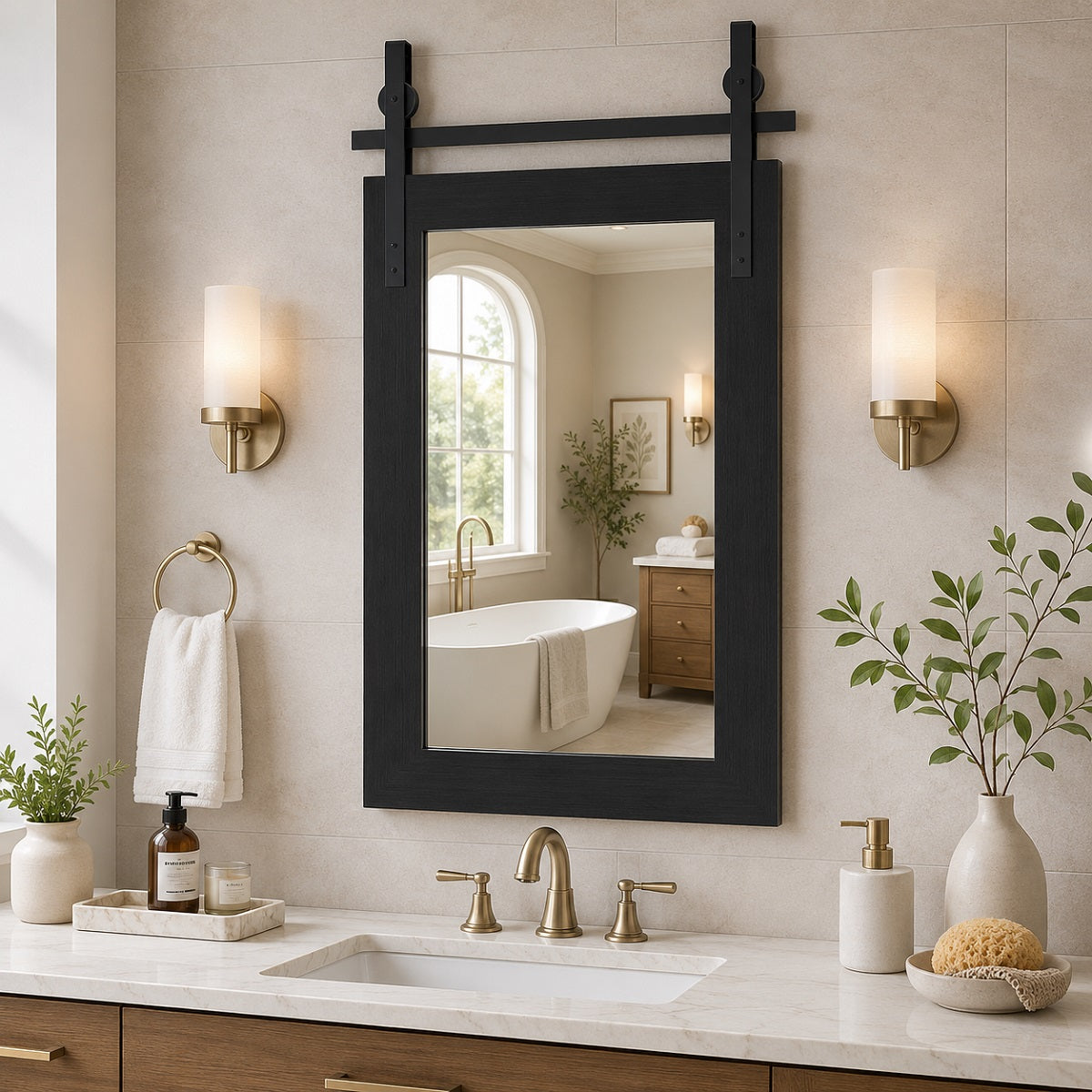
A slim black frame can repeat a dark railing or light fixture. A warm metal finish can pick up a nearby lamp or cabinet pull. Wood introduces another opportunity to connect with the floor or furniture without requiring an exact color match.
Pay attention to the finish itself. Polished gold and aged brass can read quite differently, even though both are warm metals. Compare close-up product photos with the hardware finishes you already own.
Frame width matters just as much as color. On patterned wallpaper, a restrained border keeps the arrangement from getting crowded. On a plain wall, a thicker frame provides key entryway accent details.
The Hasipu wall mirror collection is a place to compare silhouettes. Shortlist the shapes you like, then return to dimensions, weight, and mounting details before choosing.
Lighted vs. Non-Lighted Entryway Mirrors
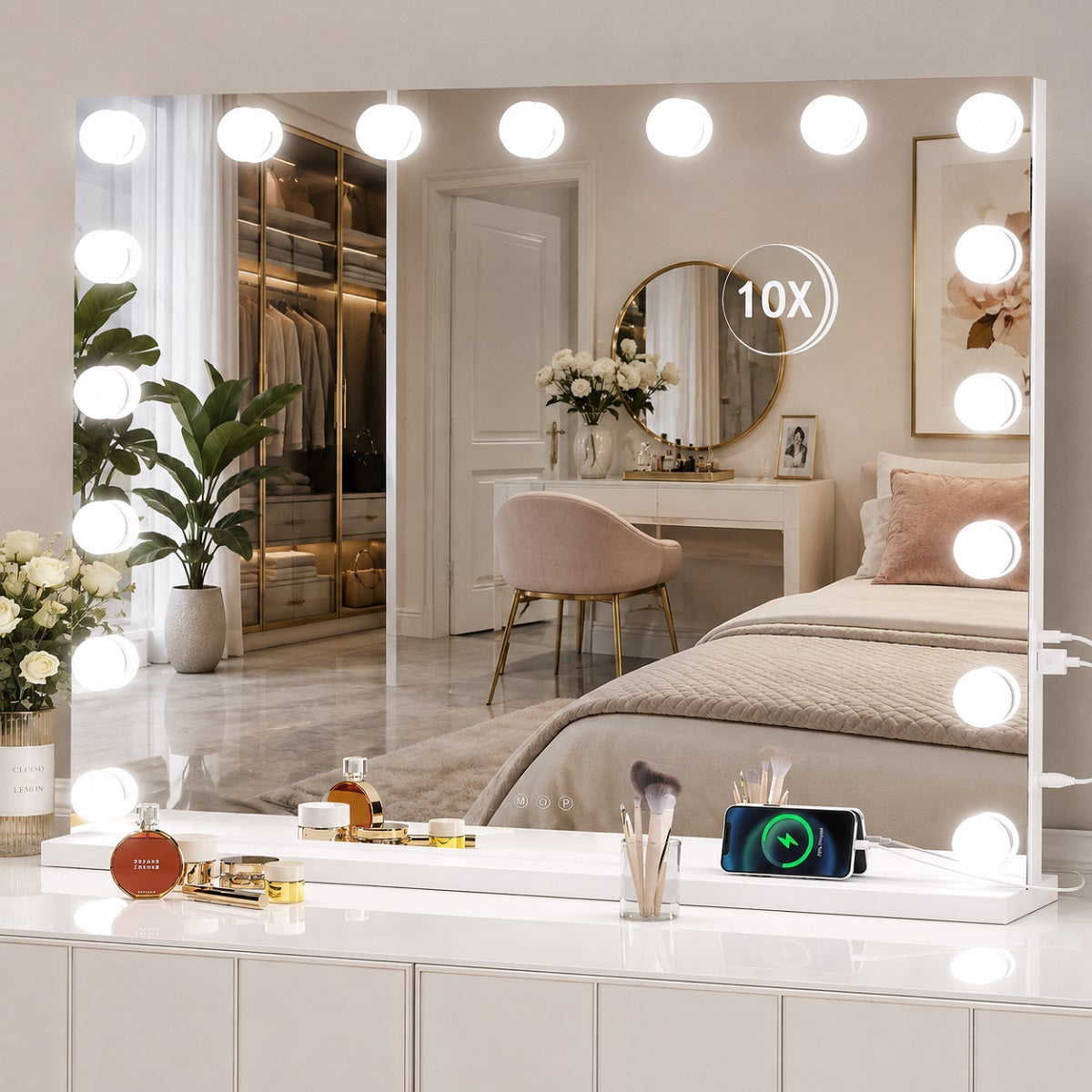
A lighted entryway mirror is worth considering when you regularly use the mirror in a dim part of the home. A conventional mirror may be enough when a nearby lamp or fixture already lights your face comfortably.
Look at where the light comes from. A glowing edge can create an appealing outline, but product photos alone won’t tell you how well it illuminates your reflection. Check the model’s lighting description and available brightness controls.
Plan the power connection before buying. For a plug-in model, the cord needs a route that stays clear of the doorway and walking path. A hardwired model requires a suitable electrical connection and installation.
Also ask a practical question: will you use the built-in lighting every morning, or mainly enjoy it as ambient light when you walk past? That answer helps you decide how much of your budget to put toward the feature.
Choosing the Right Shape for Your Entryway
Start with the furniture and architectural details you plan to keep. Above a compact shoe cabinet, compare a round entryway mirror with a vertical oval. Over a long console, try a horizontal rectangle or a generously sized round mirror. A tall, open wall gives you room to consider an arched mirror or a full-length rectangle.
Look at how those shapes relate to the room. A curved mirror can soften a square cabinet and straight door trim. A rectangular mirror can repeat the clean lines of wall paneling. In an entrance with simple furniture and plain walls, an irregular mirror shape can supply the decorative detail.
Narrow your shortlist to two shapes, then make paper outlines using their actual dimensions. View each outline from the front door and the adjoining room, with your usual furniture and accessories in place. Choose the mirror shape that gives you the reflection you need and feels comfortable within the whole arrangement.
Styling Mirrors with Furniture and Decor
A mirror looks more at home when it connects with the pieces around it. Build your entryway decor around the furniture you use daily, then add a few details that make the entrance feel personal.
Create a Balanced Console and Mirror Arrangement
Center the mirror over the console as a starting point. Place a lamp or vase toward one end and a lower tray or bowl toward the other. Varying the heights keeps the tabletop arrangement interesting while leaving part of the console open for keys, mail, and a bag.
Pair Mirrors with Benches and Shoe Cabinets
Above a shoe cabinet, a wall mirror brings storage and a quick appearance check into the same area. Keep the cabinet top simple so it remains useful.
For a mirror above a bench, check that people can sit down and stand up without touching the frame. A full-length mirror often works better beside the bench, where the seat won’t interrupt the lower reflection.
Make Room for Lamps, Artwork, and Greenery
A table lamp beside the mirror adds another shape to the arrangement, while a small plant can bring in color. Keep taller objects toward the sides so they don’t cover the part of the glass you use.
Look at their reflections in the mirror as you arrange them. A vase with spreading branches may appear much busier in the mirror than it does on its own. Smaller artwork can sit nearby when there’s enough wall space for each piece to stand out.

Connect the Frame with Nearby Colors and Materials
Repeat a few details already visible in the entrance: a black frame with a dark lamp base, a warm metal finish with cabinet hardware, or a wood mirror frame with a woven basket below.
The pieces don’t need to match exactly. A shared color or texture can help them feel related, leaving room for personal touches such as a favorite ceramic bowl or a framed photo.
Final Thoughts
Choose the place you’ll use the mirror, measure it, and test the outline before getting attached to a particular design. Those few steps make decisions about shape and finish much easier.
As you compare Hasipu mirrors, keep your measurements and everyday routine in view. The right mirror gives you a comfortable reflection, fits the furniture around it, and lets the entrance work smoothly when everyone is heading out the door.
Frequently Asked Questions
1. Can a mirror face the front door?
Yes, it can work as a decorating choice. Check the reflected view, glare, privacy, and the space available to stop in front of it. Feng shui preferences are a separate consideration and may lead you to choose a side wall.
2. Is a round or rectangular mirror better for a small entryway?
Use the available wall as your guide. A round mirror works above a compact console when there’s enough width. A narrow vertical rectangle can provide more height on a slim wall section. Compare outlines at their actual dimensions.
3. Can I use a full-length mirror in a narrow hallway?
Yes, when the mirror fits the wall and leaves doors and the walking path clear. A model approved for wall mounting can help preserve floor space. Check frame depth and mounting requirements before ordering.
4. Should the mirror match the console table?
An exact match isn’t necessary. Repeat a color, material, or shape already visible in the entrance, then judge the pieces together. A simple console also gives you room to choose a more decorative mirror frame.