Table of Contents
Mirrors are the simplest and most effective way to transform the look and atmosphere of a home. A well-placed mirror can bring more light into a dark corner, make a small room feel larger, and add a finished touch to your interior design.
The best places to put mirrors at home are opposite windows, in entryways, bedrooms, bathrooms, and narrow spaces where they can reflect light and create a more open feeling.
Whether you are decorating a new home, updating a single room, or looking for practical mirror placement ideas, the right position can help your space feel brighter, more balanced, and more comfortable. In this guide, Hasipu Home shares simple tips on where to place mirrors, how to choose the right location, and creative ways to use mirrors throughout your home.
1. Position Mirrors Opposite Windows to Maximize Natural Light
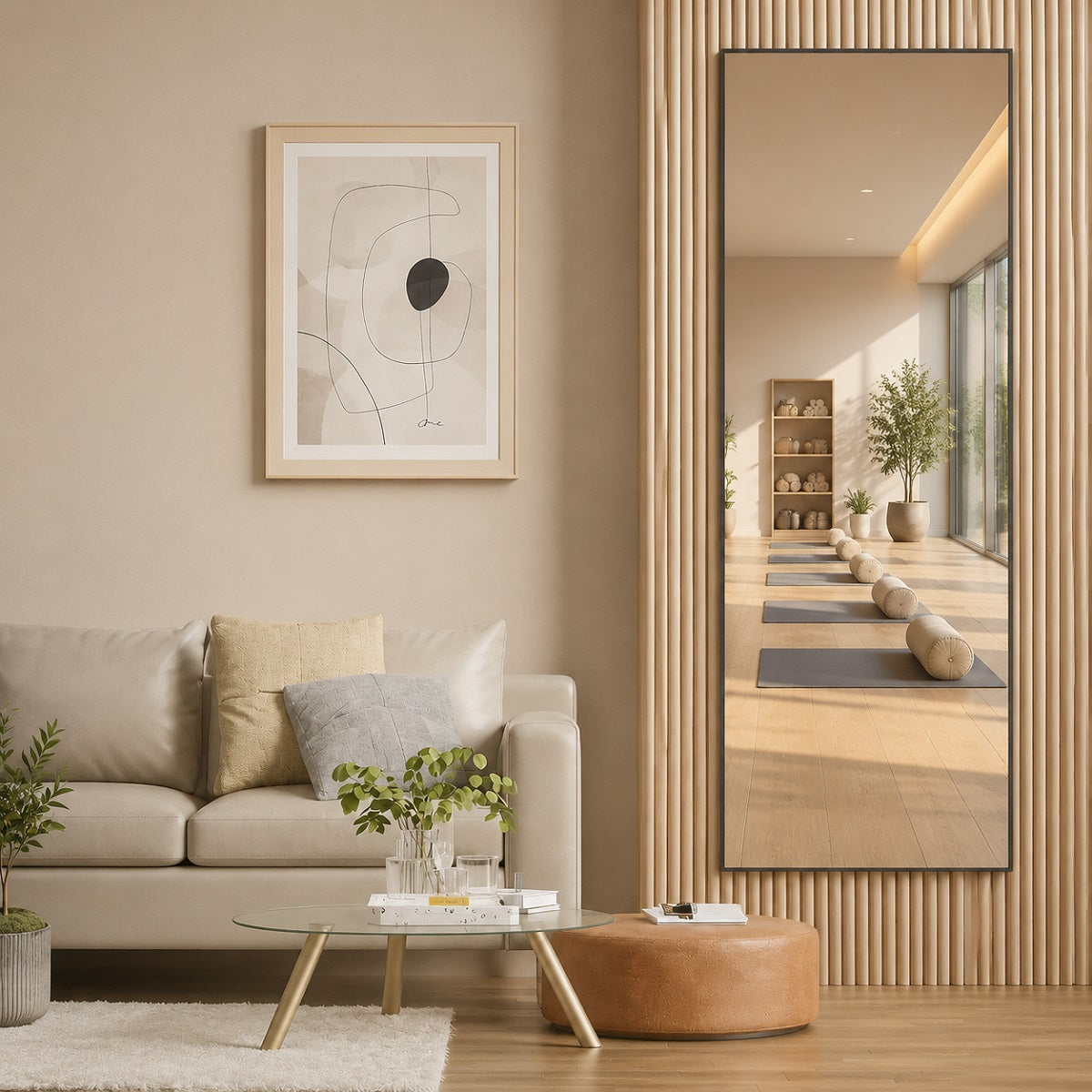
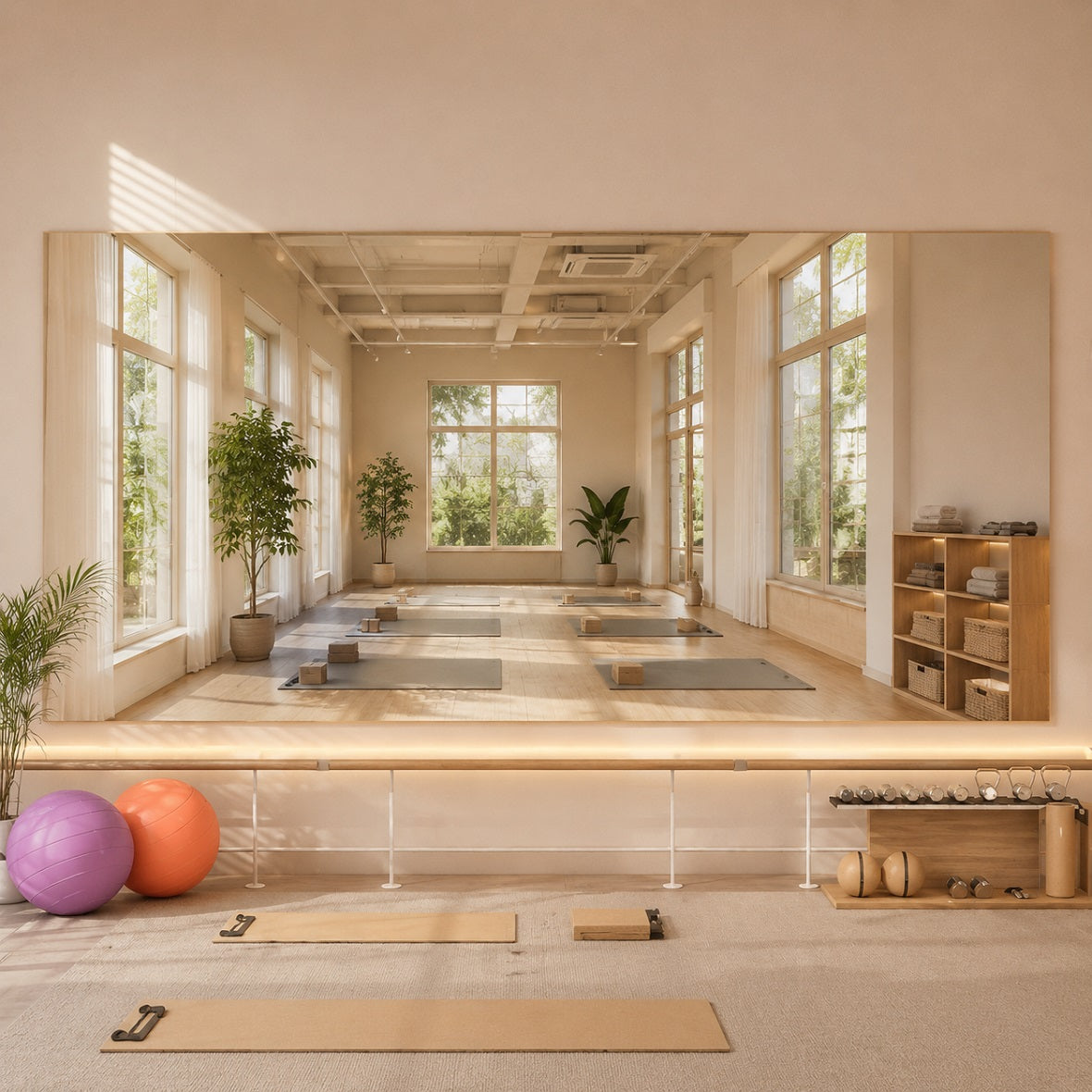
One of the most popular mirror placement ideas is placing a mirror across from or beside a window.
Natural light can completely change the atmosphere of a room, but not every home has large windows or bright sunlight throughout the day. A mirror helps capture available light and reflect it back into the room.
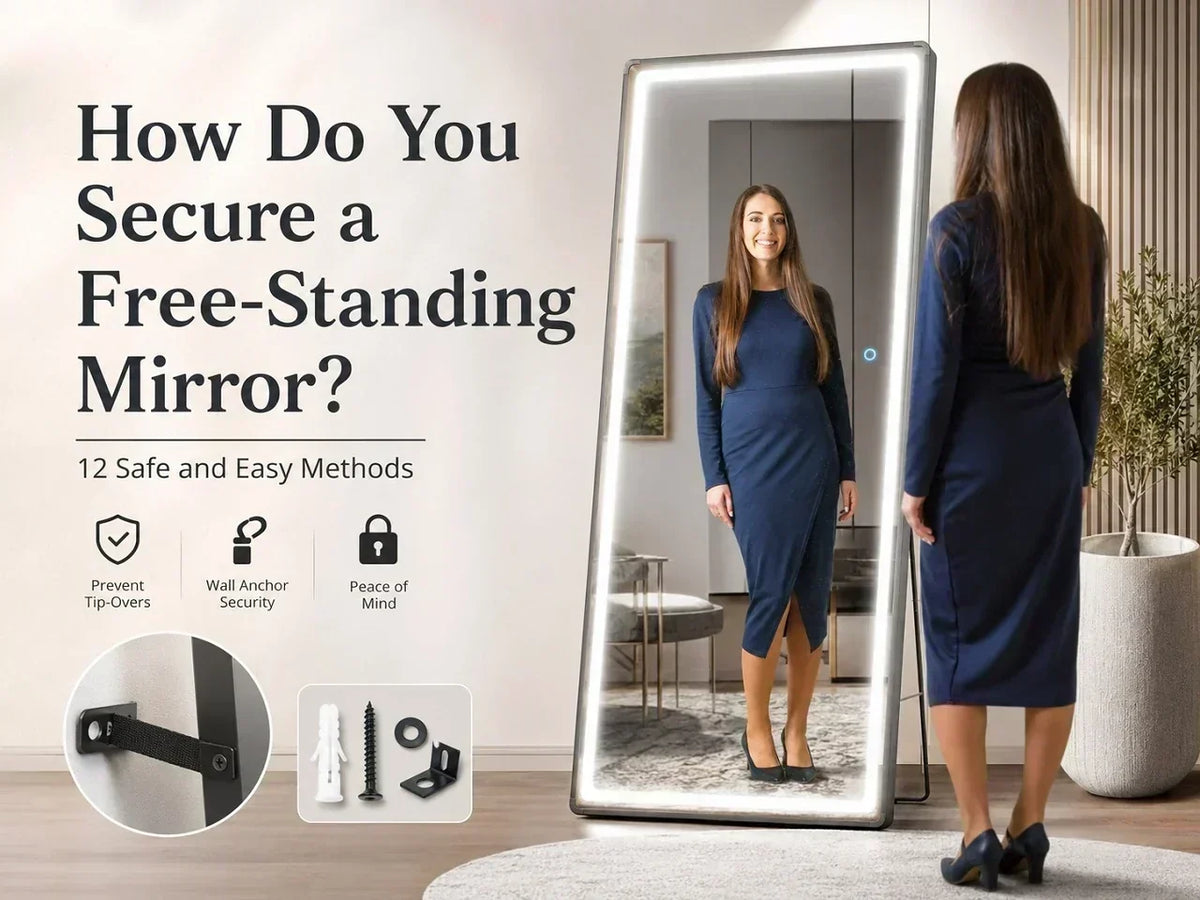
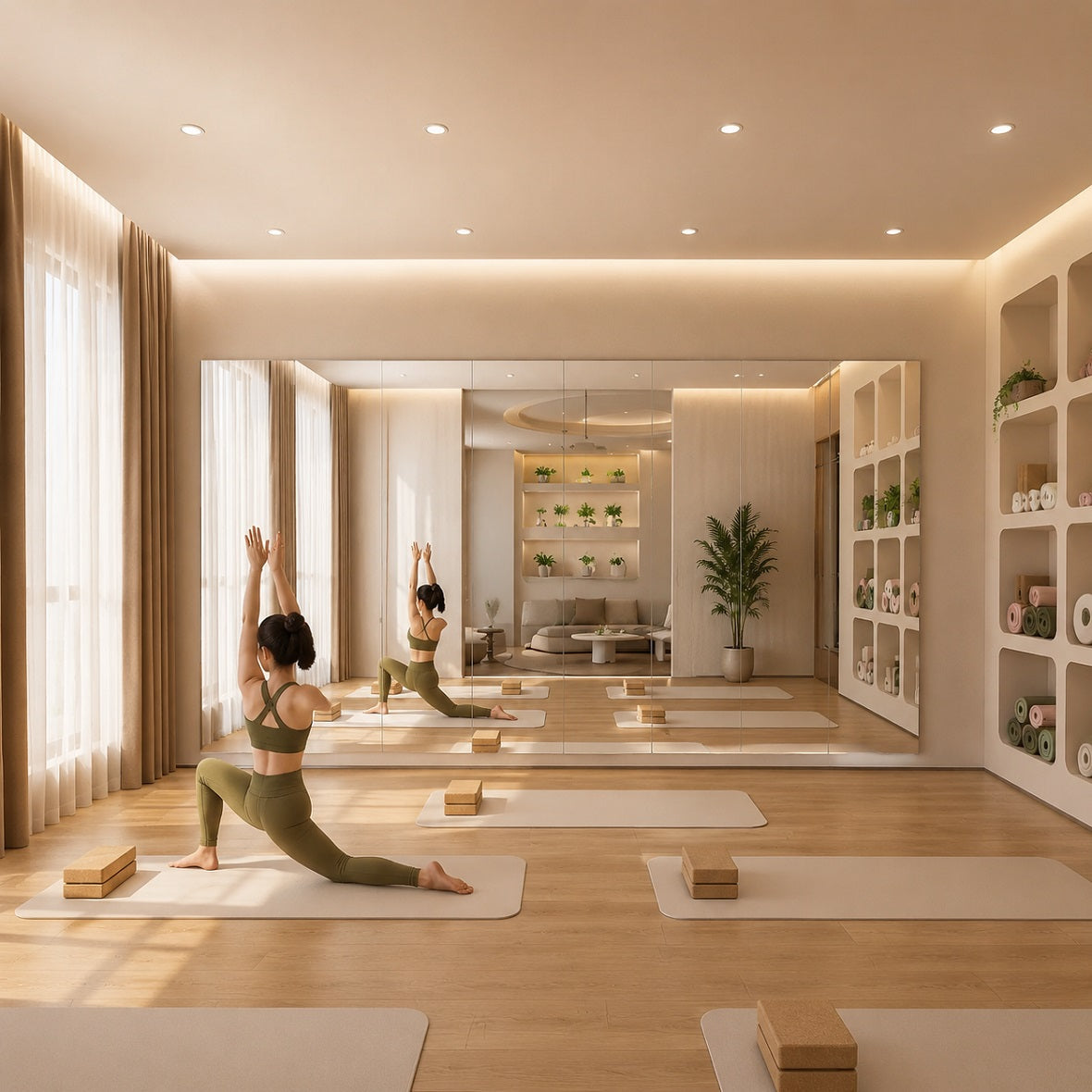
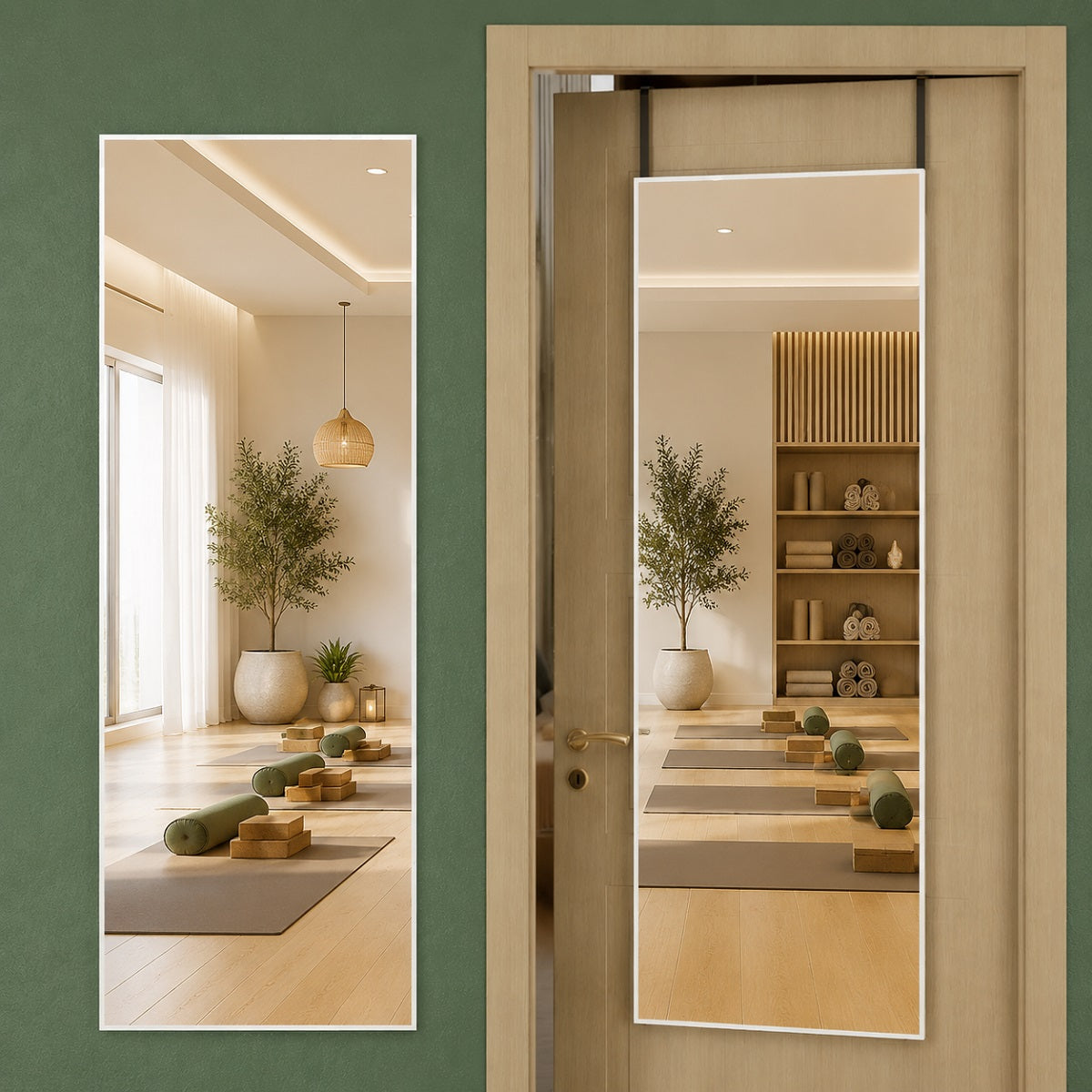
A full length mirror works especially well in bedrooms and living areas because its larger surface area can spread more light around the space. Instead of making the room feel darker or closed off, the reflection creates a brighter and more open feeling.
For small apartments, guest rooms, or bedrooms with limited windows, this is one of the simplest ways to improve the overall appearance of the space.
A good placement tip: do not just point the mirror toward a window. Look at what the mirror will reflect. A view of plants, artwork, or a beautiful part of the room creates a much better effect than reflecting a blank wall.

2. Install Mirrors in the Entryway for a Welcoming First Impression
The entryway sets the tone for your home. It is the first area family members and guests see, but it is often one of the smallest spaces.
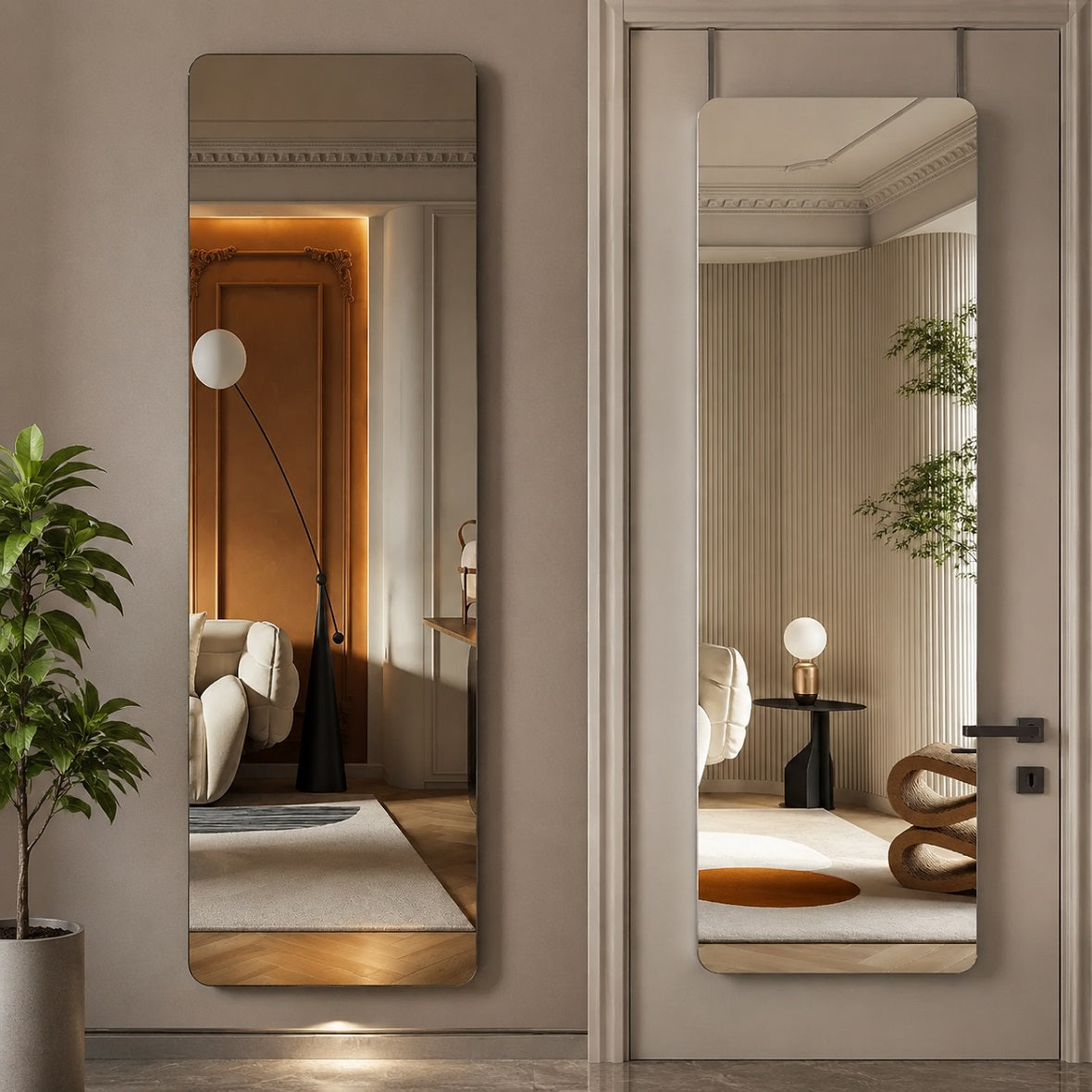
Adding a full size mirror or over-the-door mirror near the entrance creates both style and function. It gives you a convenient place to check your appearance before leaving while making the area feel brighter and more spacious.
Many entryways have limited lighting, especially in apartments or homes with narrow layouts. A mirror can help reflect nearby light sources and reduce that closed-in feeling.
For smaller homes, a door-mounted mirror is a practical option because it uses vertical space without taking up valuable floor area.
A simple setup with a mirror, console table, small plant, and wall décor can turn an ordinary entrance into a stylish part of your home.
3. Add Mirrors to Dining Rooms to Create More Depth
Dining rooms are often designed around furniture, lighting, and decoration, but mirrors can add another layer to the space.
A carefully selected decorative mirror can reflect dining lights, artwork, or table arrangements, making the room feel warmer and more elegant.
Large dining areas can benefit from oversized mirrors that create balance on empty walls. In smaller dining rooms, mirrors help prevent the space from feeling crowded by adding visual depth.
When choosing a dining room mirror, consider the style of your furniture. A modern frameless mirror works well in contemporary spaces, while a framed mirror can add character to traditional interiors.
The goal is not simply to fill an empty wall. The mirror should support the overall design of the room.
4. Pair Mirrors With Décor to Create a More Designed Space
Mirrors are not only functional items. They can also work as decorative elements that bring a room together.
Many homeowners use decorating with mirrors as an affordable way to refresh their interiors. A mirror placed near artwork, lighting
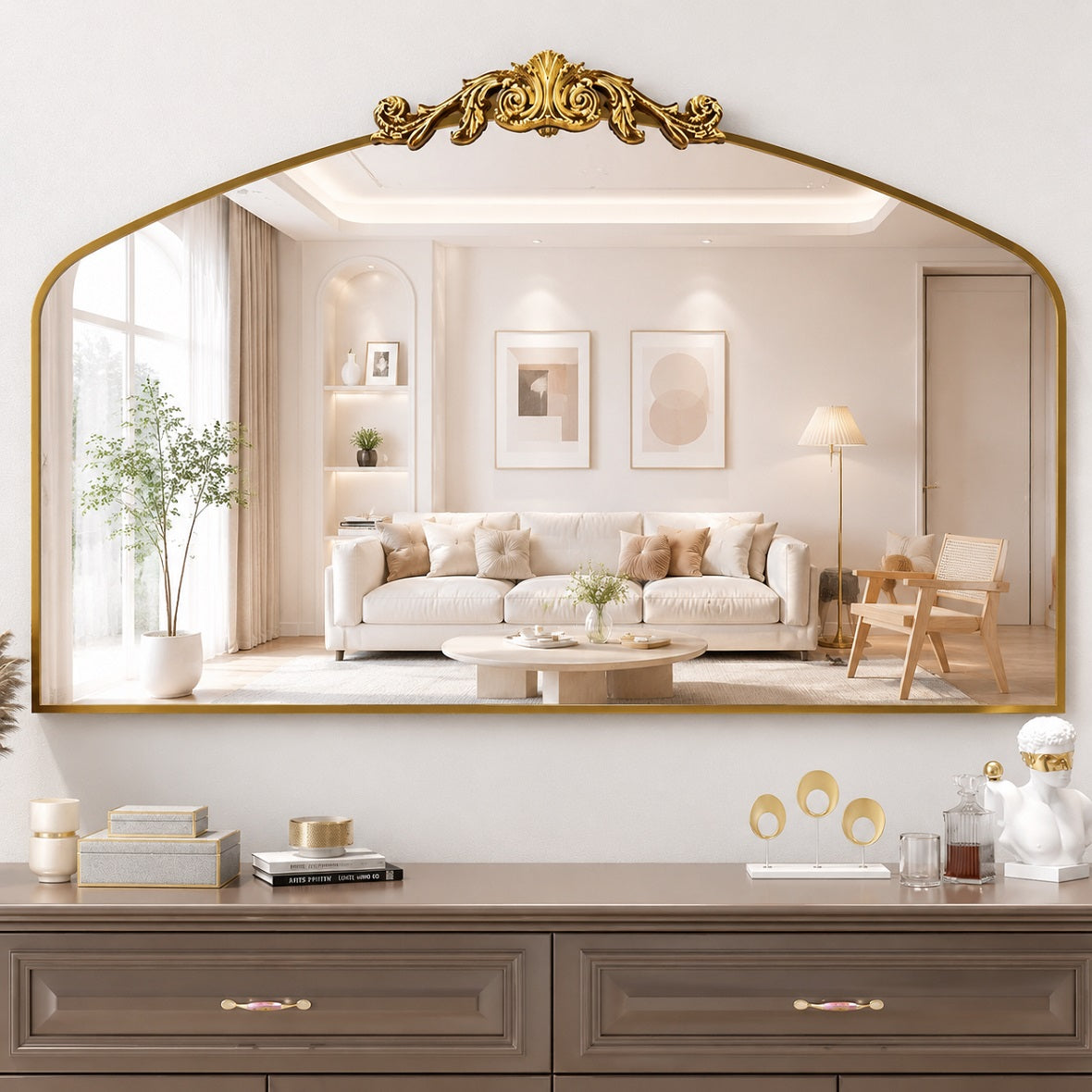
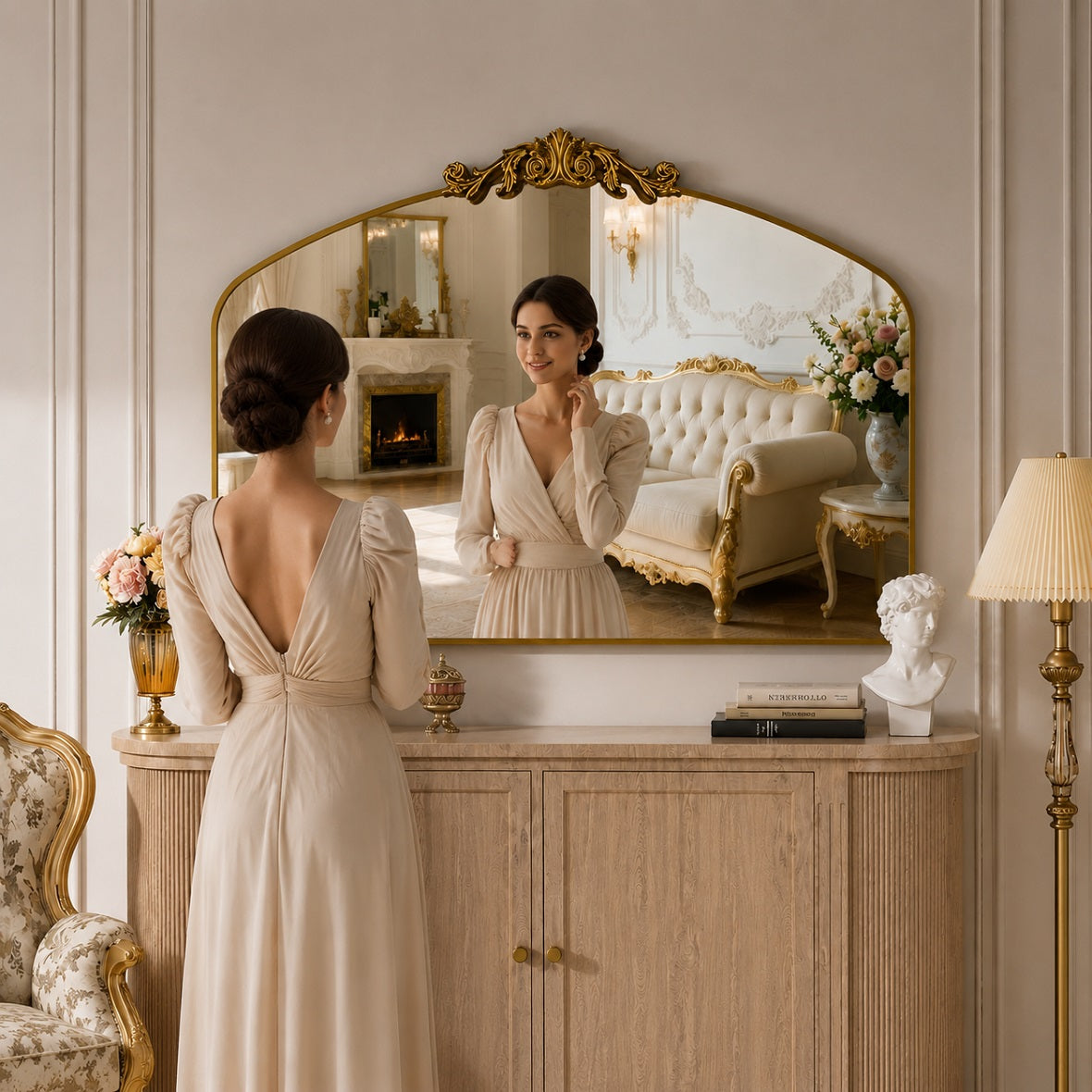
For example, a bedroom mirror placed next to a vanity area can create a personal grooming space while adding style. A decorative mirror above a fireplace or sofa can become the focal point of a living room.
The key is choosing a mirror that matches your existing design. Shape, frame style, size, and placement all influence how the mirror feels within the room.

5. Place Full Length Mirrors Vertically to Enhance Bedroom Space
Bedrooms are one of the most common areas for full length mirror placement.
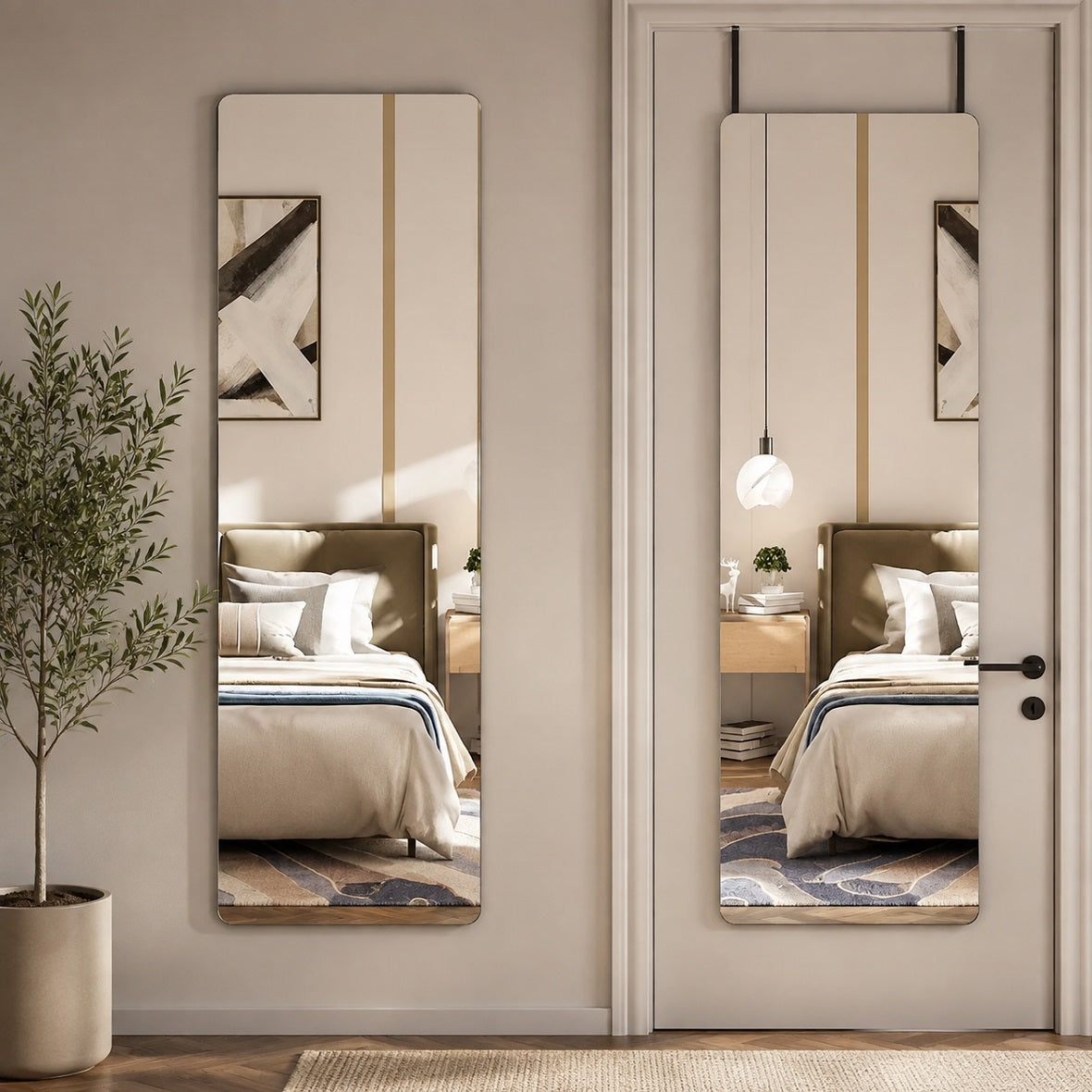
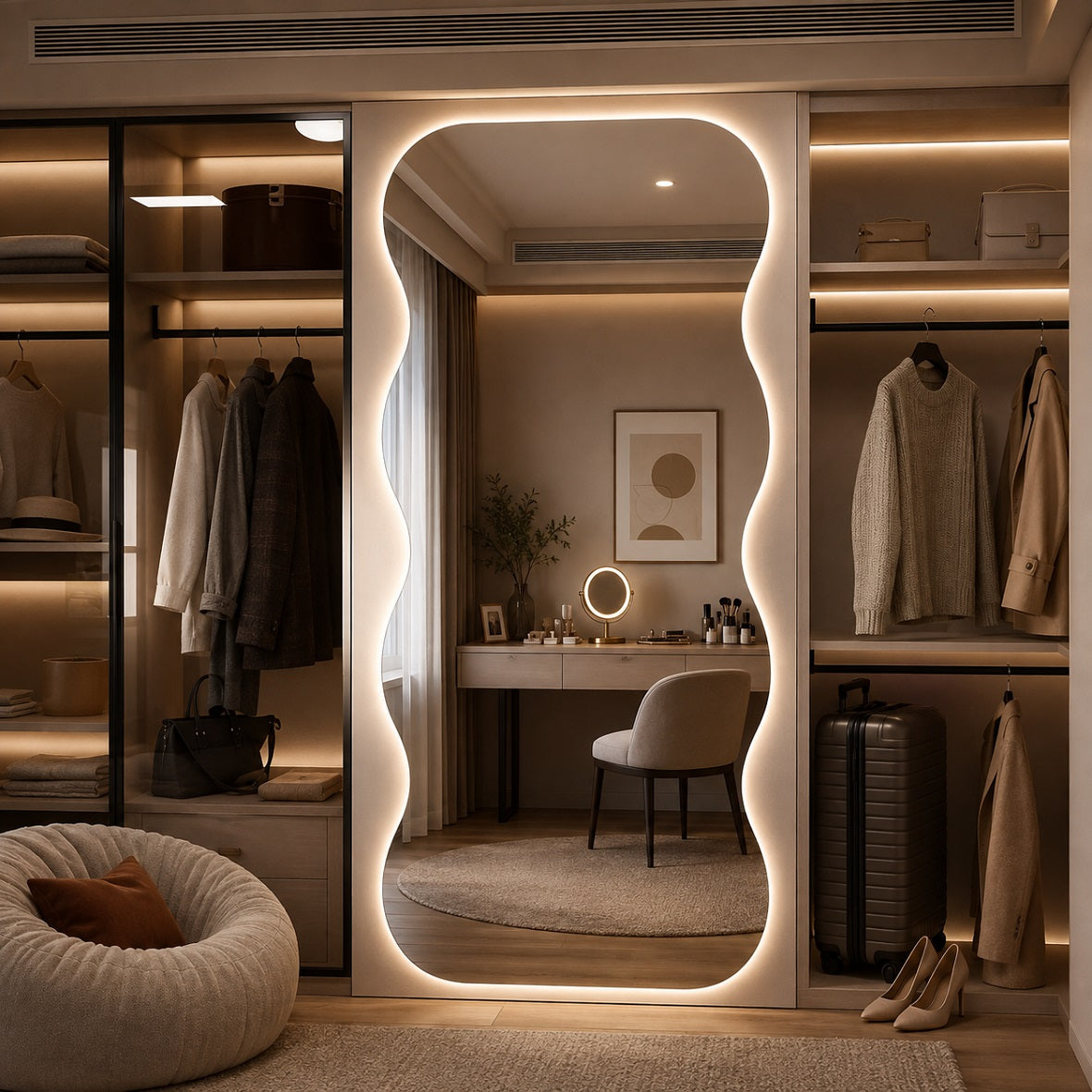
A vertical full length mirror for bedroom use provides a practical place for outfit checks while creating the illusion of a taller and more open room.
Many homeowners place full-body mirrors near wardrobes, closets, or bedroom doors. These locations make daily routines easier while keeping the mirror connected to its purpose.
For smaller bedrooms, a slim floor mirror or wall-mounted full-length mirror can provide the same benefits without making the room feel crowded.
Another useful tip: place the mirror where it can reflect light or an attractive area of the bedroom. A mirror facing clutter or storage areas usually does not create the same positive effect.
6. Use Mirrors in Narrow Hallways to Make Small Spaces Feel Larger
Hallways are often overlooked when planning home mirror ideas, but they are perfect places for mirrors.
A narrow hallway can feel dark and restrictive, especially when there is limited natural light. Installing a wall mirror along one side of the hallway can visually expand the area and make it feel more comfortable.
Long horizontal mirrors work well in wider hallways, while tall mirrors are better for spaces with higher ceilings.
This technique is especially useful for apartments, older homes, and compact layouts where every design choice matters.
A hallway mirror does not need to be complicated. A simple design with the right size and placement can make a noticeable difference.
7. Place Mirrors in Empty Corners to Improve Unused Areas
Corners often become forgotten spaces in home design. Adding a mirror can help these areas feel more intentional.
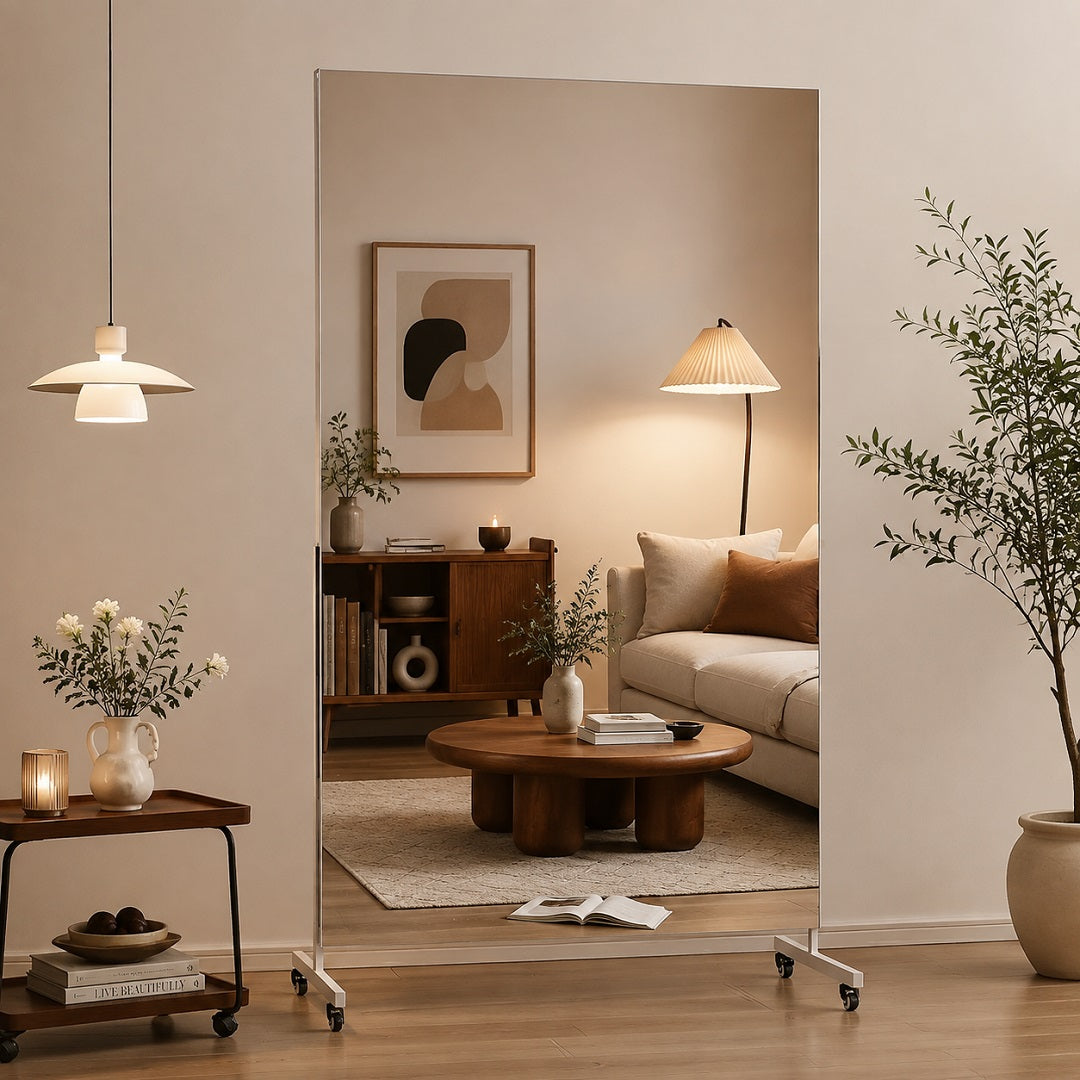
A corner bedroom mirror or decorative floor mirror can reflect light from nearby windows or lamps, adding depth and making the room feel more connected.
This idea works well in bedrooms, living rooms, and home offices where empty corners may otherwise feel unfinished.
A large leaning mirror can create a relaxed, modern look, while a mounted mirror offers a cleaner appearance.
Using mirrors in unexpected places is one of the easiest ways to make a room feel more thoughtfully designed.

8. Choose the Right Mirror Size for Your Room Layout
Mirror size is just as important as mirror placement. A beautiful mirror can still look out of place when the scale does not match the room.
Before buying a mirror, consider:
- The size of the wall
- Nearby furniture
- Ceiling height
- The purpose of the mirror
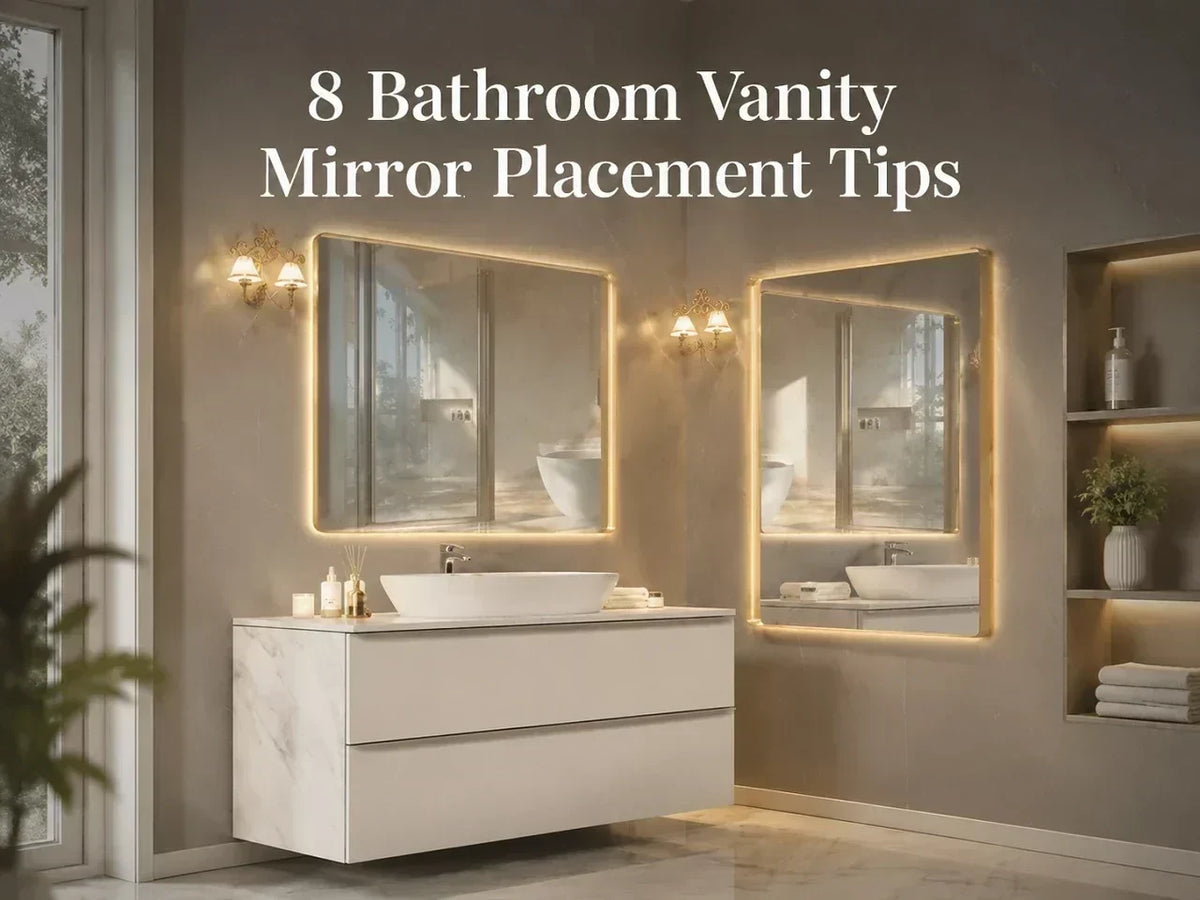
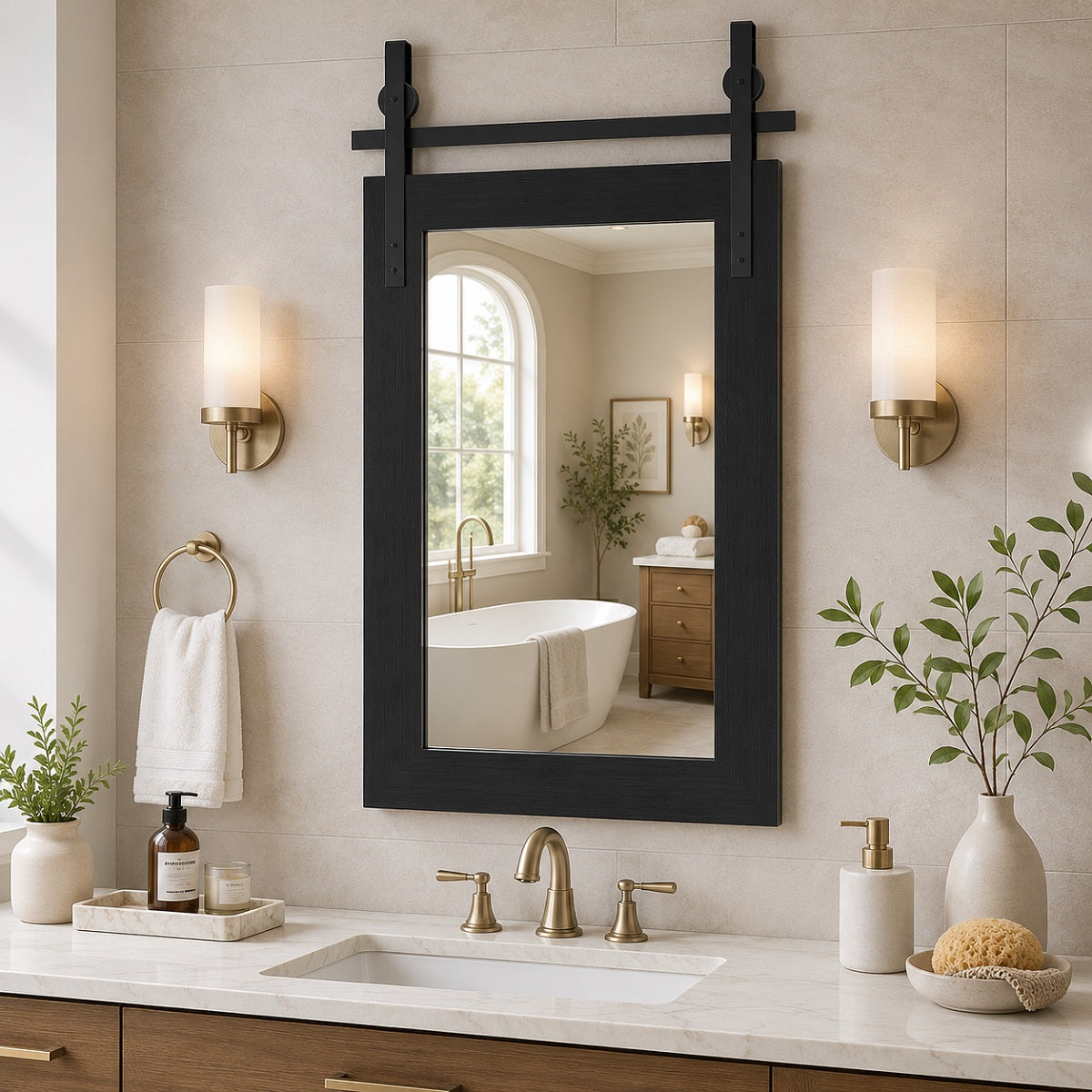
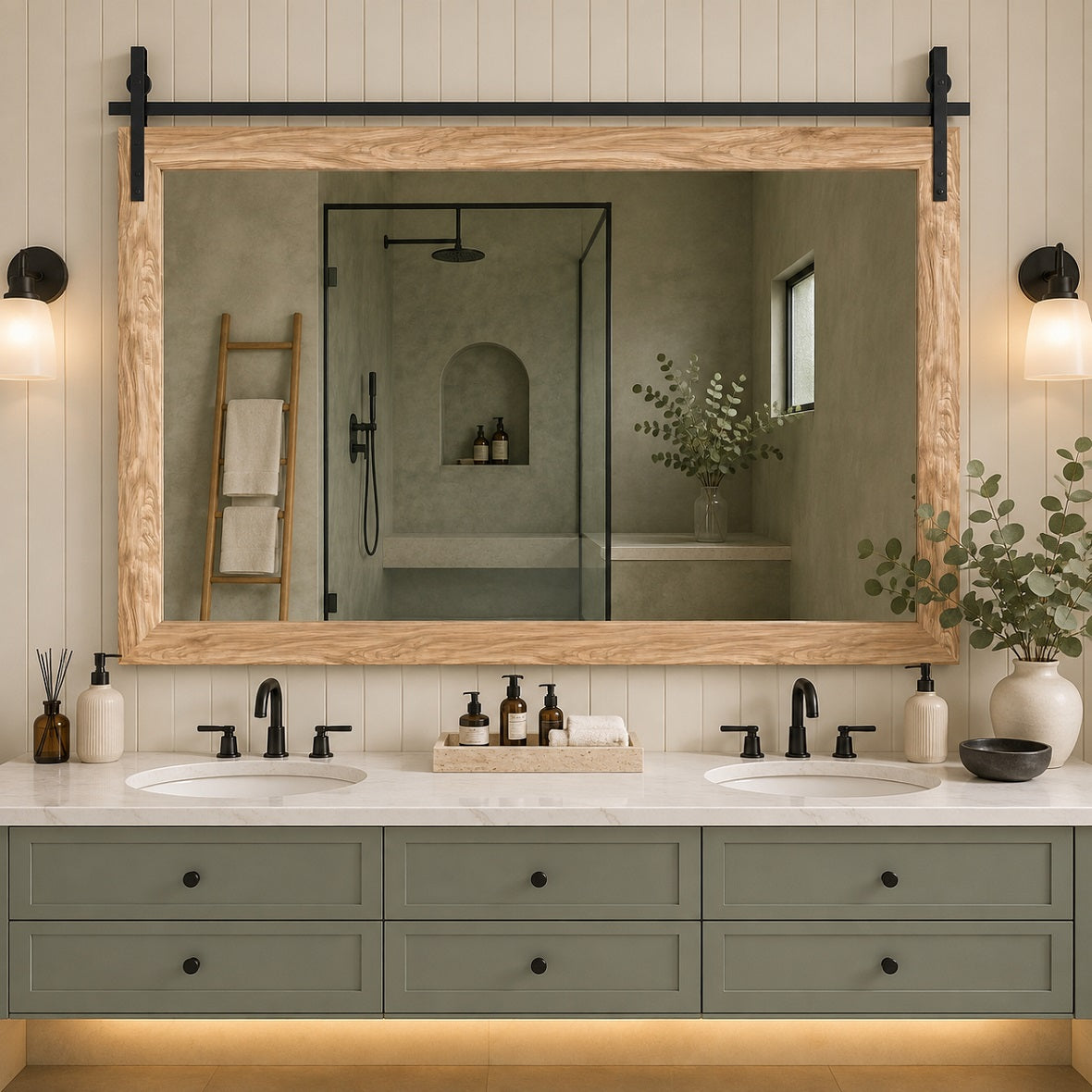
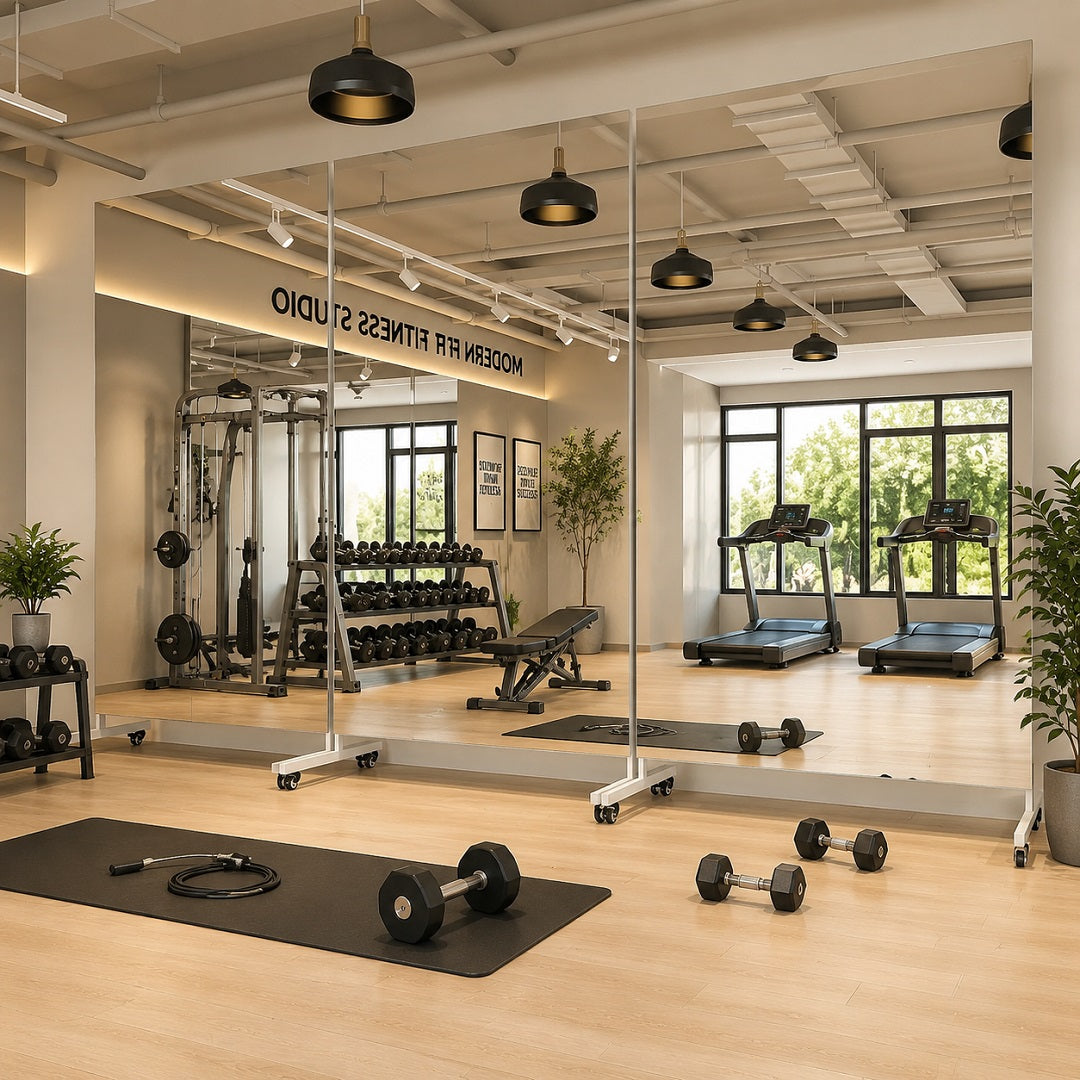
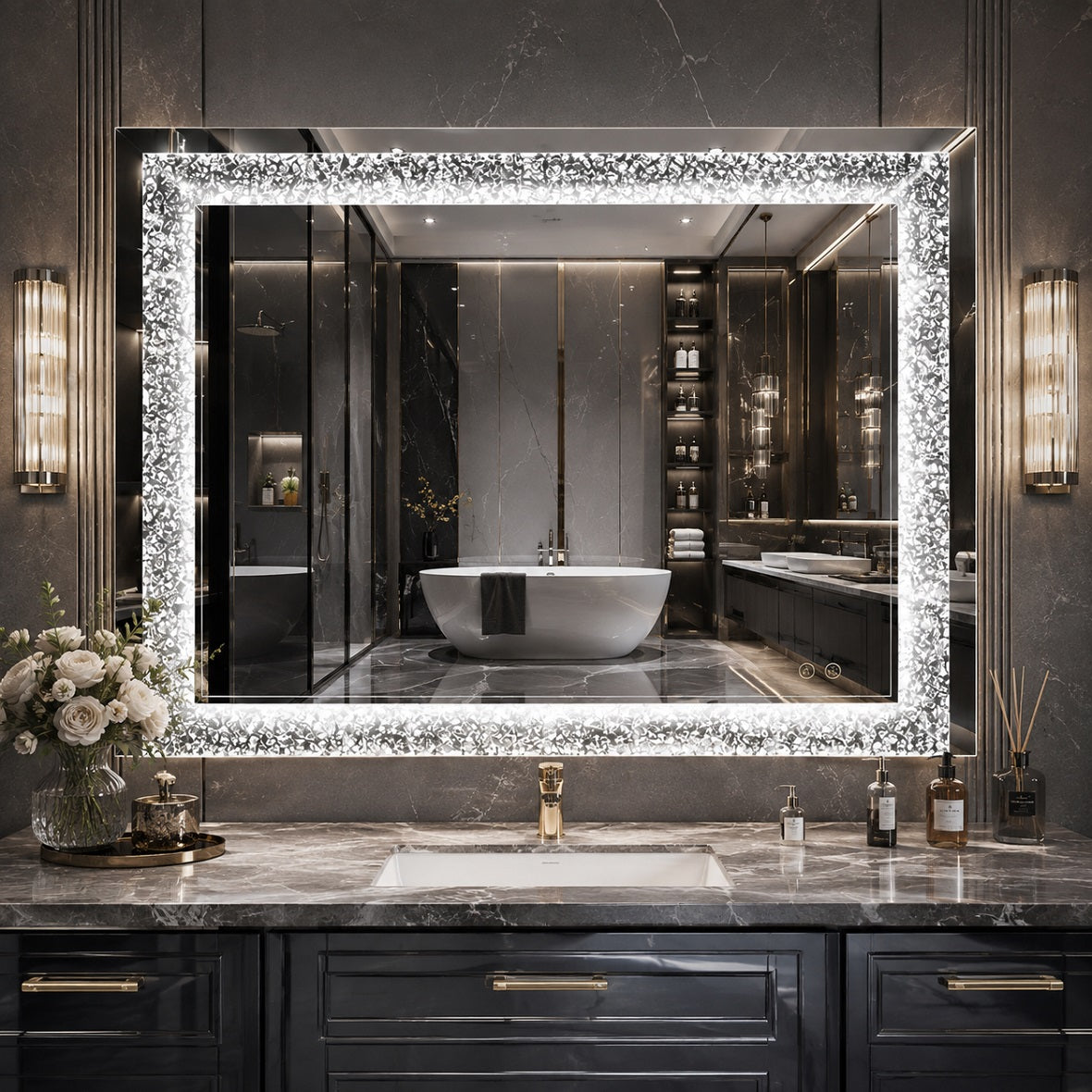
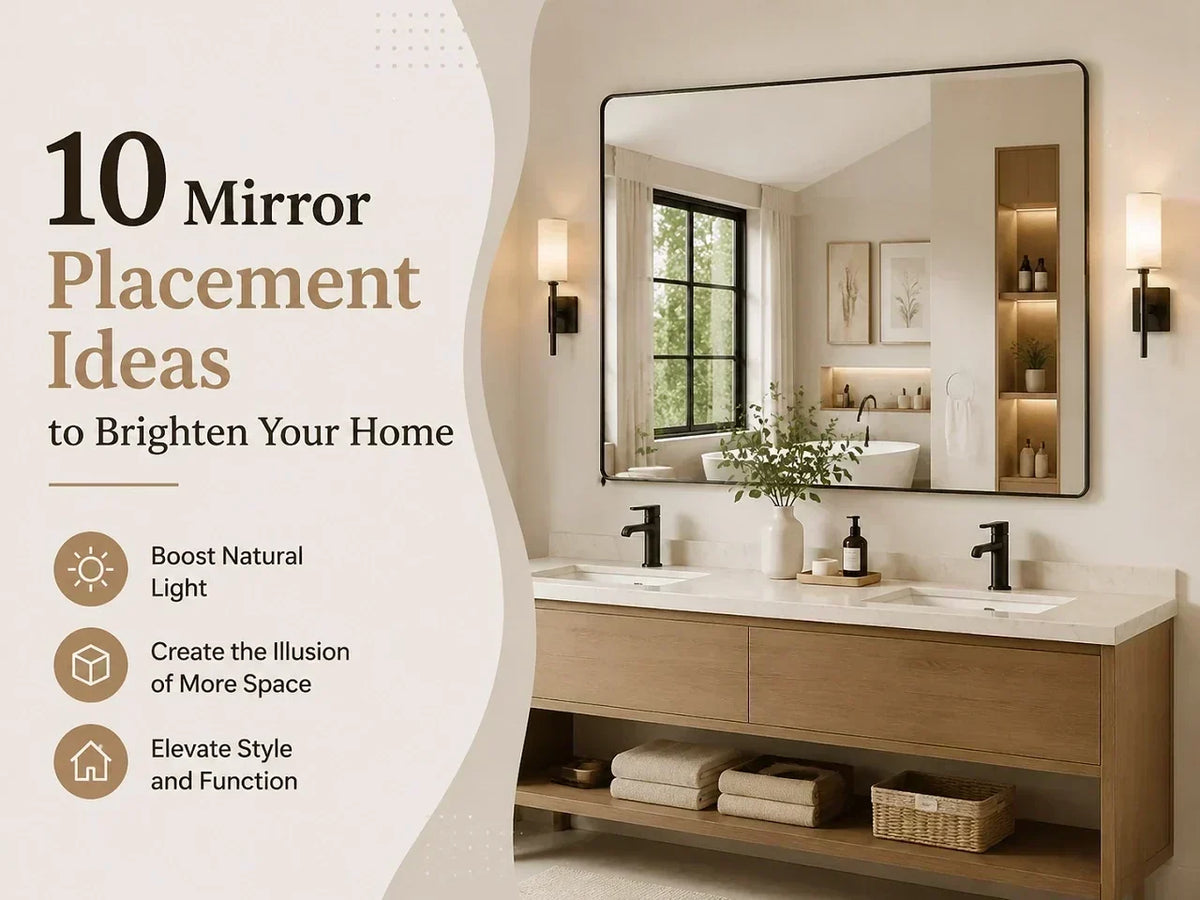
A full length mirror is ideal for bedrooms, closets, and dressing areas. A large bathroom mirror should usually match or complement the width of the vanity. Smaller decorative mirrors work better above shelves, tables, or accent walls.
Following a simple mirror size guide helps create a balanced look instead of making the room feel crowded.
A common mistake is choosing a mirror based only on appearance. The right size should also fit how you use the space every day.
9. Create a Focal Point With Statement Mirrors
Some mirrors are designed to be more than practical. They are meant to attract attention.
A unique shape, stylish frame, or modern lighting feature can turn a mirror into the centerpiece of a room.
Statement mirrors work well above fireplaces, entryway tables, bathroom vanities, and bedroom furniture.
For homeowners exploring decorative mirror ideas, the mirror itself can become part of the room’s personality.
At Hasipu Home, we believe a mirror should do more than reflect your image. It should improve how the entire space feels, whether it is a modern bedroom, a relaxing bathroom, or a stylish dressing area.
10. Avoid Common Mirror Placement Mistakes
Good mirror placement is about more than finding an empty wall.
One common mistake is placing a mirror where it reflects something unattractive, such as clutter, storage areas, or an empty corner with no visual interest.
Other mistakes include:
- Hanging mirrors too high for everyday use
- Choosing a size that feels too small for the wall
- Placing mirrors where reflections create distractions
- Ignoring the relationship between mirrors and lighting
A mirror should improve the room experience. Before installation, stand in different areas of the room and check what the mirror will reflect.
Small adjustments can make a big difference.

Final Thoughts
The right mirror placement can completely change how your home looks and feels. A mirror can brighten a dark corner, open up a small room, or become a beautiful design feature.
When planning where to put mirrors, think about light, room function, size, and what the mirror will reflect.
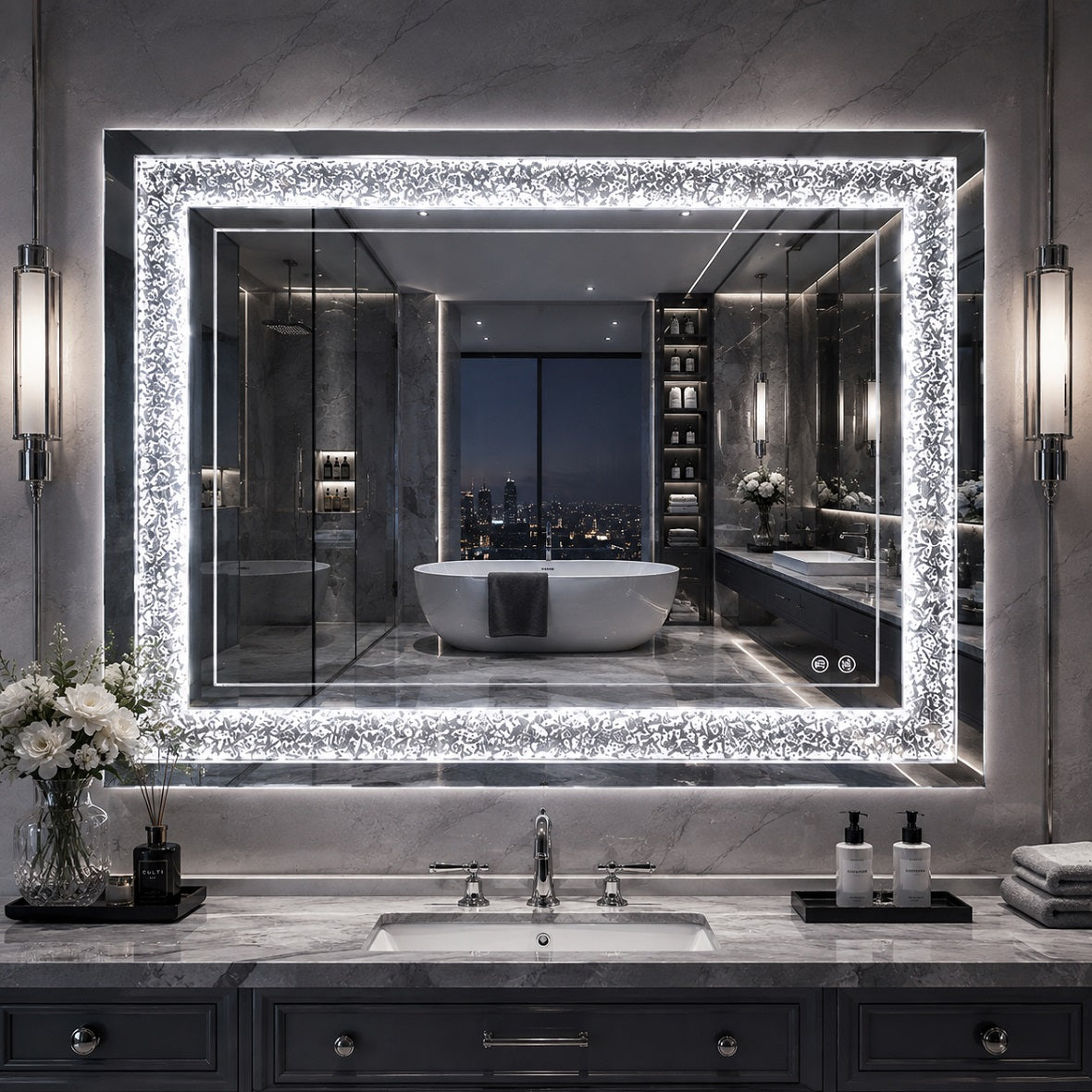
From full length mirrors in bedrooms to LED mirrors in bathrooms, the best choice is the one that fits your daily lifestyle and your home design.
Hasipu Home creates modern mirrors designed for real living spaces, helping homeowners bring more light, style, and function into every room.
Frequently Asked Questions
1. Do mirrors really make a room look bigger?
Yes. Mirrors do not physically increase the size of a room, but they create visual depth by reflecting light and surrounding areas. This makes many small spaces feel more open.
2. Where is the best place to put a full length mirror?
The best locations are usually bedrooms, closets, dressing areas, or near entryways. Place it where you can use it easily and where it reflects light or an attractive part of the room.
3. Should a mirror face a window?
A mirror facing a window can be effective because it reflects natural light into the room. The final result depends on what the mirror reflects.
4. What type of mirror is best for a bedroom?
A full length mirror is one of the most practical choices for bedrooms. It helps with outfit checks and can make the room feel larger.
5. Are LED mirrors good for bathrooms?
Yes. An LED bathroom mirror provides additional lighting for grooming tasks and works well with modern bathroom designs.